Real Celebrities Never Die!
OR
Search For Past Celebrities Whose Birthday You Share
Died Age: 41
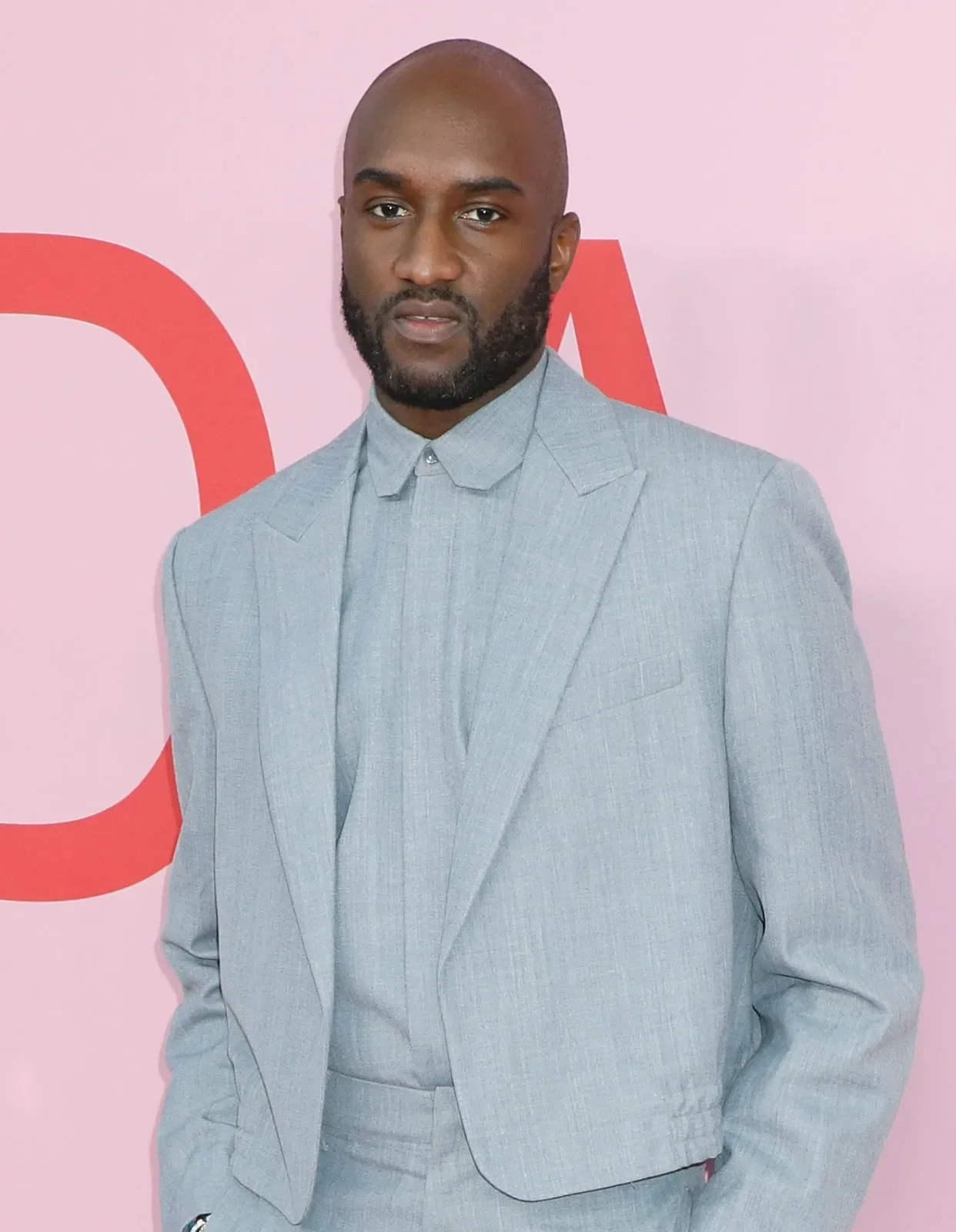
britannica.com
Virgil Abloh
Birthday:
30 Sep, 1980
Date of Death:
28 Oct, 2021
Cause of death:
Cardiac angiosarcoma
Nationality:
American
Famous As:
American fashion designer
Age at the time of death:
41
Virgil Abloh's Quote's

“Everything I do is for the 17-year-old version of myself.”
Virgil Abloh
🔗 deadcelebrityhub.com
Early Life: Midwest Roots with Global Dreams
Virgil Abloh didn’t just design clothes—he redefined what it meant to be a creator in the 21st century. A boundary-breaker in every sense, he blurred lines between streetwear and haute couture, architecture and fashion, DJ booths and boardrooms. As the first Black artistic director at Louis Vuitton menswear, and the visionary behind Off-White, Abloh opened doors that had long been shut—and left them open for others to follow.
Born in Rockford, Illinois, in 1980 to Ghanaian immigrant parents, Virgil grew up in a household that valued discipline, education, and creativity. His mother, a seamstress, taught him how to sew—planting a seed that would later grow into one of the most influential design voices of his generation.
Virgil’s early world was shaped by skateboarding, hip-hop, and basketball—cultural forces that would later infuse his fashion vocabulary. He wasn’t raised in a fashion capital, but he was always absorbing the visual world with the eye of an architect and the curiosity of a cultural anthropologist.
Education: From Blueprints to Blue Jeans
Abloh’s formal education began with civil engineering at the University of Wisconsin–Madison. But his creative instinct pushed him toward the more conceptual realm of design. He went on to earn a master’s degree in architecture at the Illinois Institute of Technology. While there, he encountered the Bauhaus design philosophy—clean lines, functional forms, and the blending of art with everyday life. It shaped how he would later approach not just buildings, but brands, sneakers, runways, and ideas.
He also interned at Fendi alongside Kanye West in 2009—an experience that became the first real blueprint for his entry into high fashion.
Career Journey
Phase One: The Architect Becomes a Brand (2012–2015)
Virgil first made waves as the creative director for Kanye West, helping shape the visual language of Yeezy and West’s other ventures. But it was in 2012 that he launched Pyrex Vision, his first solo brand—using deadstock Ralph Lauren flannel shirts and printing over them with bold graphics and cultural references.
In 2013, he founded Off-White, the Milan-based fashion label that became a streetwear revolution. With quotation marks, industrial belts, zip ties, and a deep engagement with irony and language, Off-White was both conceptually rich and commercially explosive. It was luxury reimagined through the lens of youth culture.
Phase Two: Breaking Barriers at Louis Vuitton (2018–2021)
In 2018, Virgil was named artistic director of menswear at Louis Vuitton, becoming the first Black designer to hold such a position at the fashion house. His debut show, held in the gardens of the Palais-Royal in Paris, was a vibrant, multicultural celebration of identity and possibility. Models walked a gradient-colored runway, symbolizing a spectrum of humanity—and perhaps his own journey from outsider to industry icon.
He designed collections worn by athletes, musicians, artists, and global leaders. His work referenced everything from The Wizard of Oz to street protests, always merging storytelling with sharp tailoring.
Phase Three: Legacy in Motion
Virgil expanded his influence into furniture, sculpture, album design, music, and art. He collaborated with Nike on the “The Ten” sneaker collection—deconstructed classics that changed the landscape of sneaker culture. He worked with Ikea, designing minimalist pieces with maximal meaning. He even DJed globally, seeing music as another form of spatial design.
In 2019, Time magazine named him one of the 100 most influential people in the world. Still, he remained focused on mentoring young Black designers, launching scholarship funds and workshops to elevate underrepresented voices.
Personal Life: Quiet Strength, Fierce Purpose
Despite his public role, Virgil was intensely private. He was married to his high school sweetheart, Shannon, with whom he had two children. Known among friends for his tireless work ethic and genuine kindness, he maintained a low profile even as his star rose.
In 2019, he was diagnosed with a rare, aggressive form of cancer—cardiac angiosarcoma—but chose to keep his illness private, continuing to work through his treatment. He passed away in November 2021 at just 41 years old, having already changed the face of modern design.
Legacy: A Universe Rewritten in Bold Font
Virgil Abloh’s legacy is vast and deeply layered:
In fashion, he collapsed the old hierarchies—making streetwear worthy of couture, and showing that logos, language, and youth culture had profound artistic value.
In identity, he stood as a symbol of possibility—a Black man in a historically exclusive space, reimagining what leadership looked like.
In mentorship, he believed in lifting others as he rose—creating paths for the next generation of designers, artists, and thinkers.
He was a cultural architect—not just designing products, but designing how we think about them.
Virgil Abloh didn’t ask for permission. He built his own vocabulary, stitched it into fabric, printed it in Helvetica, and left it on the world’s most visible stages.
He didn’t just change fashion—he changed who it was for.
Profile Snapshot
Name:
Virgil Abloh
Popular Name:
Virgil Abloh
Gender:
Male
Cause of Death:
Cardiac angiosarcoma
Spouse:
Shannon Sundberg
Place of Birth:
Rockford, Illinois, U.S.
Place of Death:
Chicago, Illinois, U.S.
Occupation / Profession:
American fashion designer
Entrepreneur
Personality Type
Architect: Imaginative and strategic thinkers, with a plan for everything. Virgil Abloh was an imaginative and strategic thinker, blending high-concept vision with disciplined execution to revolutionize fashion, art, and culture.
Virgil Abloh's Interesting Facts
Abloh founded the fashion label Off-White, blending streetwear and luxury fashion in a way that reshaped the industry.
Before becoming a fashion icon, he interned at Fendi alongside Kanye West, which sparked their long-standing creative partnership.
He held a degree in civil engineering and a master’s in architecture, which heavily influenced his design approach.
Virgil Abloh was the first Black artistic director at Louis Vuitton, making history when he took over menswear in 2018.
Achievements & Awards
He also earned a posthumous Grammy nomination for Best Recording Package in 2023.
He was named one of Time magazine’s 100 most influential people and won the British Fashion Award for Urban Luxe Brand for Off-White.
Virgil Abloh made history as the first Black artistic director of Louis Vuitton’s menswear line in 2018.
External Links
Additional Links
Latest Profiles
People also viewed
Johns Hopkins
Born19 May, 1795
Died24 Dec, 1873
NationalityAmerican
Age at time of death78

Clarence Birdseye
Born09 Dec, 1886
Died07 Oct, 1956
NationalityAmerican
Age at time of death69

Gary Kildall
Born19 May, 1942
Died11 Jul, 1994
NationalityAmerican
Age at time of death52
P. T. Barnum
Born05 Jul, 1810
Died07 Apr, 1891
NationalityAmerican
Age at time of death80

Mark Twain
Born30 Nov, 1835
Died21 Apr, 1910
NationalityAmerican
Age at time of death74
Eazy-E
Born07 Sep, 1964
Died26 Mar, 1995
NationalityAmerican
Age at time of death30
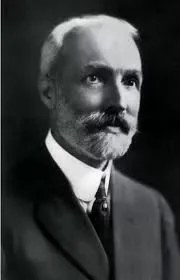
George Dayton
Born06 Mar, 1857
Died18 Feb, 1938
NationalityAmerican
Age at time of death80

Paul Allen
Born21 Jan, 1953
Died15 Oct, 2018
NationalityAmerican
Age at time of death65
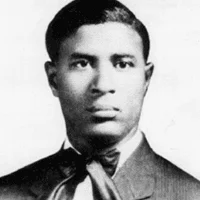
Garrett Morgan
Born04 Mar, 1877
Died27 Jul, 1963
NationalityAmerican
Age at time of death86
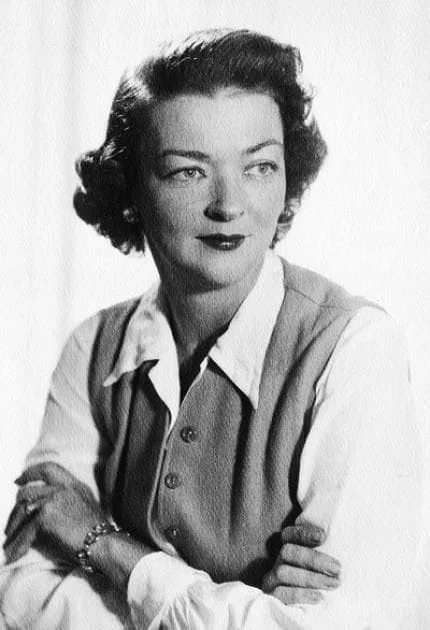
Marion Donovan
Born15 Oct, 1917
Died04 Nov, 1998
NationalityAmerican
Age at time of death81
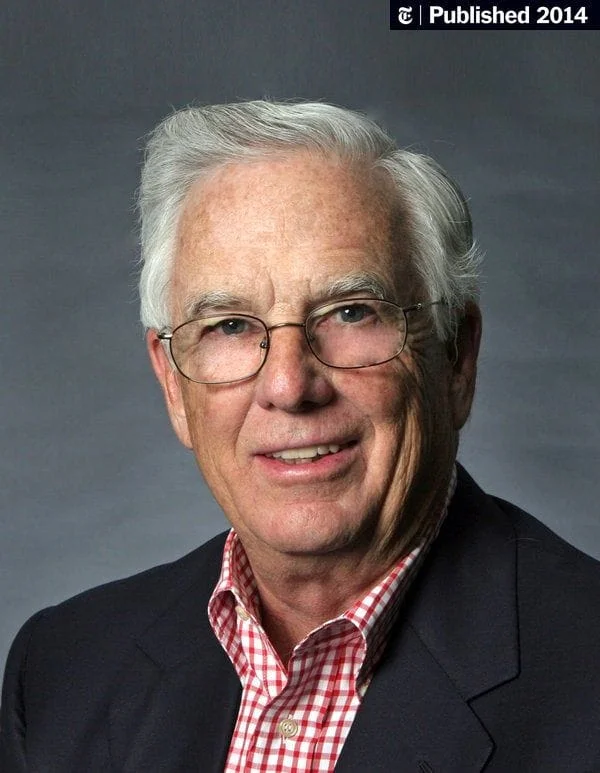
Rollin King
Born10 Apr, 1931
Died26 Jun, 2014
NationalityAmerican
Age at time of death83
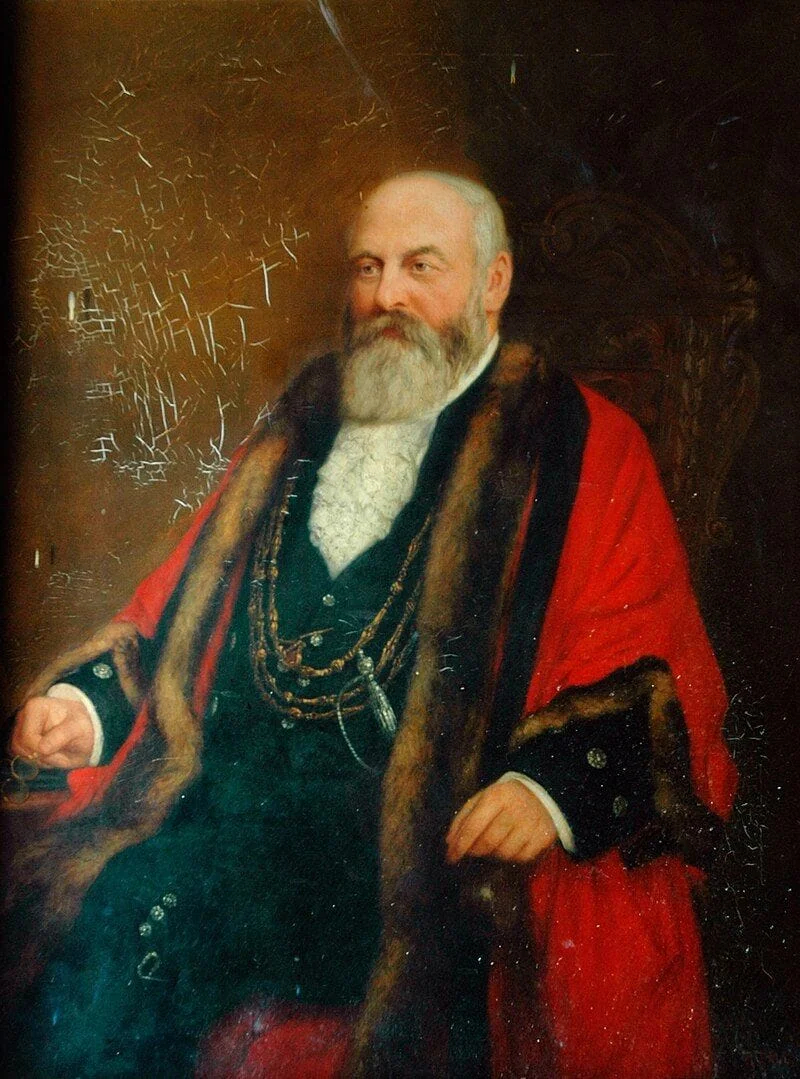
Joseph Terry
Born22 Apr, 1793
Died04 Mar, 1850
NationalityBritish
Age at time of death56

Edwin Perkins
Born08 Jan, 1889
Died03 Jul, 1961
NationalityAmerican
Age at time of death72
Bette Nesmith Graham
Born23 Mar, 1924
Died12 May, 1980
NationalityAmerican
Age at time of death56
Melitta Bentz
Born31 Jan, 1873
Died29 Jun, 1950
NationalityGerman
Age at time of death77

George Eastman
Born12 Jul, 1854
Died14 Mar, 1932
NationalityAmerican
Age at time of death77
K C Gillette
Born05 Jan, 1855
Died09 Jul, 1932
NationalityAmerican
Age at time of death77
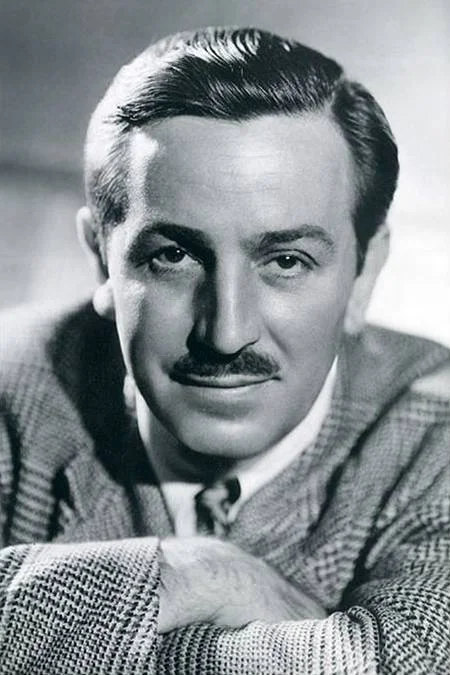
Walt Disney
Born05 Dec, 1901
Died15 Dec, 1966
NationalityAmerican
Age at time of death65
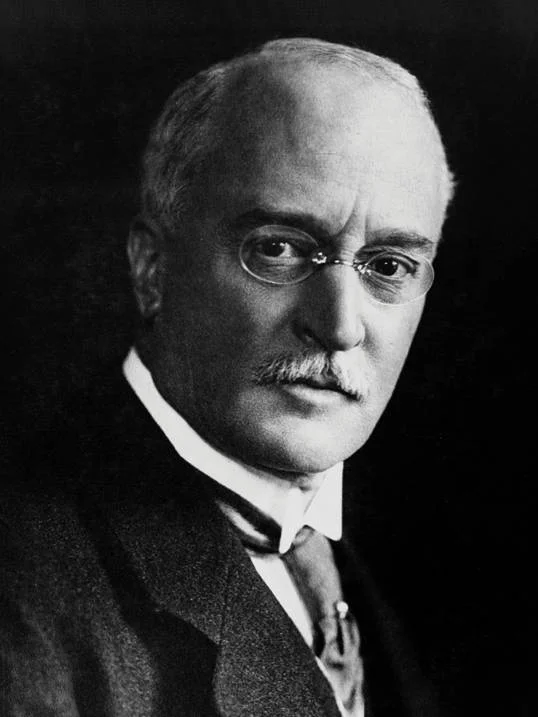
Rudolf Diesel
Born18 Mar, 1858
Died29 Sep, 1913
NationalityFrench, German
Age at time of death55
J. F. Archibald
Born14 Jan, 1856
Died10 Sep, 1919
NationalityAustralian
Age at time of death63