Real Celebrities Never Die!
OR
Search For Past Celebrities Whose Birthday You Share
Died Age: 53
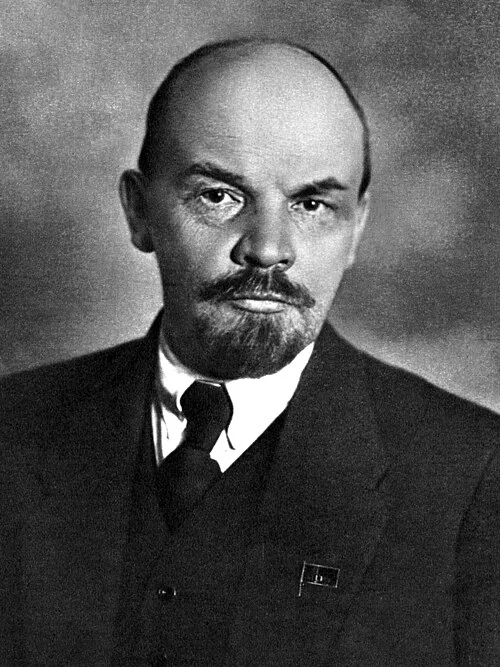
wikipedia.org
Vladimir Lenin
Birthday:
21 Apr, 1870
Date of Death:
21 Jan, 1924
Cause of death:
Stroke
Nationality:
Russian
Famous As:
Lawyer
Age at the time of death:
53
Vladimir Ilyich Ulyanov's Quote's

“A revolution is impossible without a revolutionary situation.”
Vladimir Ilyich Ulyanov
🔗 deadcelebrityhub.com
Vladimir Lenin: Early Life and Family Background
Vladimir Lenin, born Vladimir Ilyich Ulyanov on April 22, 1870 (April 10 under the Old Style calendar), in Simbirsk, Russia, was one of the most influential political figures of the 20th century. As a revolutionary, politician, and theorist from Russia, he was pivotal in shaping modern history through his leadership during the Bolshevik Revolution and the founding of the Soviet Union. Lenin was born into a well-off, upper-middle-class family. His father, Ilya Nikolayevich Ulyanov, was an educator and worked as an inspector of schools, while his mother, Maria Alexandrovna Blank, came from a family of Jewish and German descent. Lenin’s upbringing was marked by intellectual stimulation and exposure to progressive ideas. However, tragedy struck early in his life when his older brother Alexander was executed in 1887 for participating in a plot to assassinate Tsar Alexander III. This event profoundly impacted Lenin, igniting his revolutionary fervor against the oppressive tsarist regime.
Education and Formative Years
Lenin excelled academically during his youth. He enrolled at Kazan Imperial University to study law but was expelled for participating in student protests against the government. Despite this setback, he continued his studies independently and earned a law degree from Saint Petersburg Imperial University. During these formative years, Lenin immersed himself in Marxist literature and developed a deep understanding of revolutionary socialism. His intellectual pursuits laid the foundation for his future political career.
Personal Life
In 1898, while exiled in Siberia for his revolutionary activities, Lenin married Nadezhda Krupskaya, a fellow Marxist activist. Their partnership was not only personal but also deeply political; together, they translated socialist literature into Russian and collaborated on revolutionary projects. Nadezhda remained Lenin’s steadfast supporter throughout his life, playing a significant role in his political endeavors.
Professional Career and Achievements
Lenin’s career as a revolutionary began in earnest during his exile in Siberia and subsequent years spent abroad. He became a prominent figure within the Russian Social Democratic Labour Party (RSDLP) and led the Bolshevik faction after its split from the Mensheviks in 1903. Lenin’s return to Russia during the tumultuous year of 1917 marked a turning point. After the February Revolution ousted Tsar Nicholas II, Lenin spearheaded the October Revolution later that year, overthrowing the Provisional Government and establishing Bolshevik control. As leader of Soviet Russia (1917–1924), Lenin implemented sweeping reforms. His government abolished private land ownership, nationalized industries and banks, and withdrew Russia from World War I through the Treaty of Brest-Litovsk. He also founded the Communist International (Comintern) to promote global revolution. Despite internal challenges such as famine and civil war, Lenin introduced the New Economic Policy (NEP) in 1921 to stabilize the economy by allowing limited private enterprise.
Major Contributions and Impac
t Lenin’s contributions to political theory—known as Leninism—expanded upon Marxism by emphasizing the role of a vanguard party in leading proletarian revolution. He established the world’s first socialist state and laid the groundwork for Soviet communism. Under his leadership, Russia transformed from an imperial monarchy into a one-party socialist state, profoundly influencing global politics throughout the 20th century.
Death and Legacy
Lenin suffered multiple strokes beginning in 1922 that left him debilitated. On January 21, 1924, he passed away at the age of 53 in Gorki near Moscow due to complications from these strokes. His body was embalmed and placed in Lenin’s Mausoleum on Red Square—a symbol of his enduring legacy. Lenin remains a controversial figure. Supporters praise him for championing socialism and dismantling tsarist oppression, while critics condemn his authoritarian methods and policies that led to widespread repression and loss of life during events like the Red Terror. Regardless of perspective, Lenin’s impact on history is undeniable; he is regarded as one of the most significant leaders of modern times.
Profile Snapshot
Name:
Vladimir Ilyich Ulyanov
Popular Name:
Vladimir Lenin
Gender:
Male
Cause of Death:
Stroke
Spouse:
Nadezhda Krupskaya
Place of Birth:
Simbirsk, Russian Empire (now Ulyanovsk, Russia)
Place of Death:
Gorki, Moscow Governorate, Soviet Union (now Gorki Leninskiye, Russia)
Occupation / Profession:
Lawyer
Politician
Revolutionary
Theorist
Personality Type
Architect: Imaginative and strategic thinkers, with a plan for everything. He was known for planning, determination, and intellectual rigor.
Vladimir Ilyich Ulyanov's Interesting Facts
He survived an assassination attempt in 1918 that left bullets lodged in his body.
He used over 150 pseudonyms, with "Lenin" derived from the Lena River.
His body is preserved and displayed in a mausoleum in Moscow.
Lenin’s older brother was executed in 1887, sparking his revolutionary zeal.
Achievements & Awards
Authored influential works like The State and Revolution.
Established the Bolshevik Party as a dominant force.
Founded the Soviet Union.
Implemented the New Economic Policy (NEP) in 1921.
Led the October Revolution of 1917.
External Links
Additional Links
https://encyclopedia.ushmm.org/content/en/article/vladimir-leninhttps://en.wikipedia.org/wiki/Lenin:_A_Biographyhttps://study.com/academy/lesson/vladimir-lenin-biography-facts-quotes.htmlhttps://www.biography.com/political-figures/vladimir-leninhttps://www.britannica.com/biography/Vladimir-Leninhttps://www.investopedia.com/terms/v/vladimir-lenin.asphttps://www.pbs.org/wgbh/commandingheights/shared/minitext/prof_vladimirlenin.html
Latest Profiles
People also viewed
Gerald Ford
Born14 Jul, 1913
Died26 Dec, 2006
NationalityAmerican
Age at time of death93
Victor Hugo
Born26 Feb, 1802
Died22 May, 1885
NationalityFrench
Age at time of death83
Leonardo da Vinci
Born15 Apr, 1452
Died02 May, 1519
NationalityItalian
Age at time of death67
George Murphy
Born04 Jul, 1902
Died03 May, 1992
NationalityAmerican
Age at time of death89
P. T. Barnum
Born05 Jul, 1810
Died07 Apr, 1891
NationalityAmerican
Age at time of death80
Rajendra Prasad
Born03 Dec, 1884
Died28 Feb, 1963
NationalityIndian
Age at time of death78
Thurgood Marshall
Born02 Jul, 1908
Died24 Jan, 1993
NationalityAmerican
Age at time of death84
Nelson Rockefeller
Born08 Jul, 1908
Died26 Jan, 1979
NationalityAmerican
Age at time of death70

Ethan Allen
Born21 Jan, 1738
Died12 Feb, 1789
NationalityAmerican
Age at time of death51
John Loud
Born02 Nov, 1844
Died10 Aug, 1916
NationalityAmerican
Age at time of death71
Herbert Hoover
Born10 Aug, 1874
Died20 Oct, 1964
NationalityAmerican
Age at time of death90
Antoine Lavoisier
Born26 Aug, 1743
Died08 May, 1794
NationalityFrench
Age at time of death50
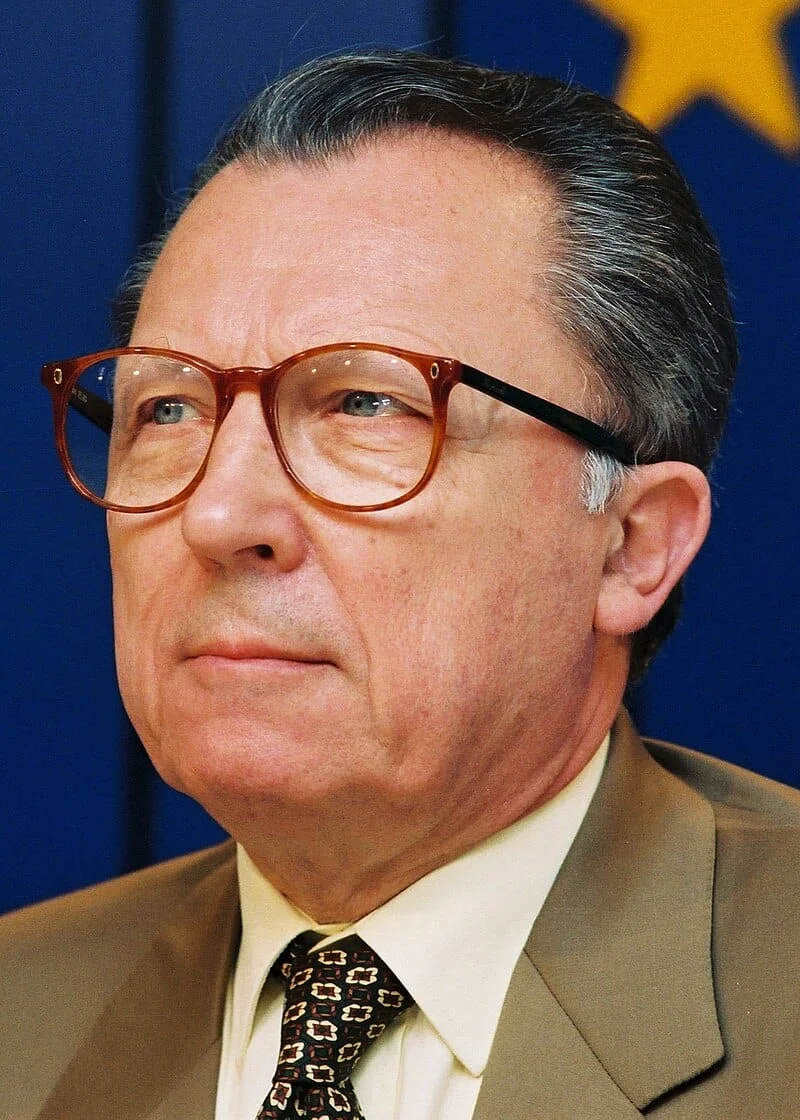
Jacques Delors
Born20 Jul, 1925
Died27 Dec, 2023
NationalityFrench
Age at time of death98
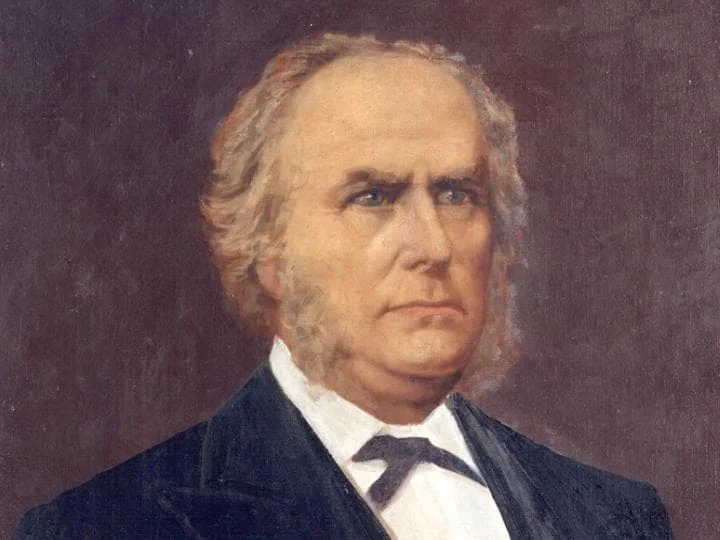
James Harrison
Born17 Apr, 1816
Died03 Sep, 1893
NationalityScottish,Australian
Age at time of death77
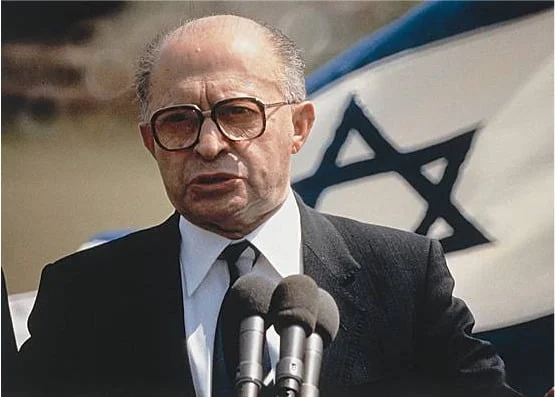
Menachem Begin
Born16 Aug, 1913
Died09 Mar, 1992
NationalityIsraeli
Age at time of death78
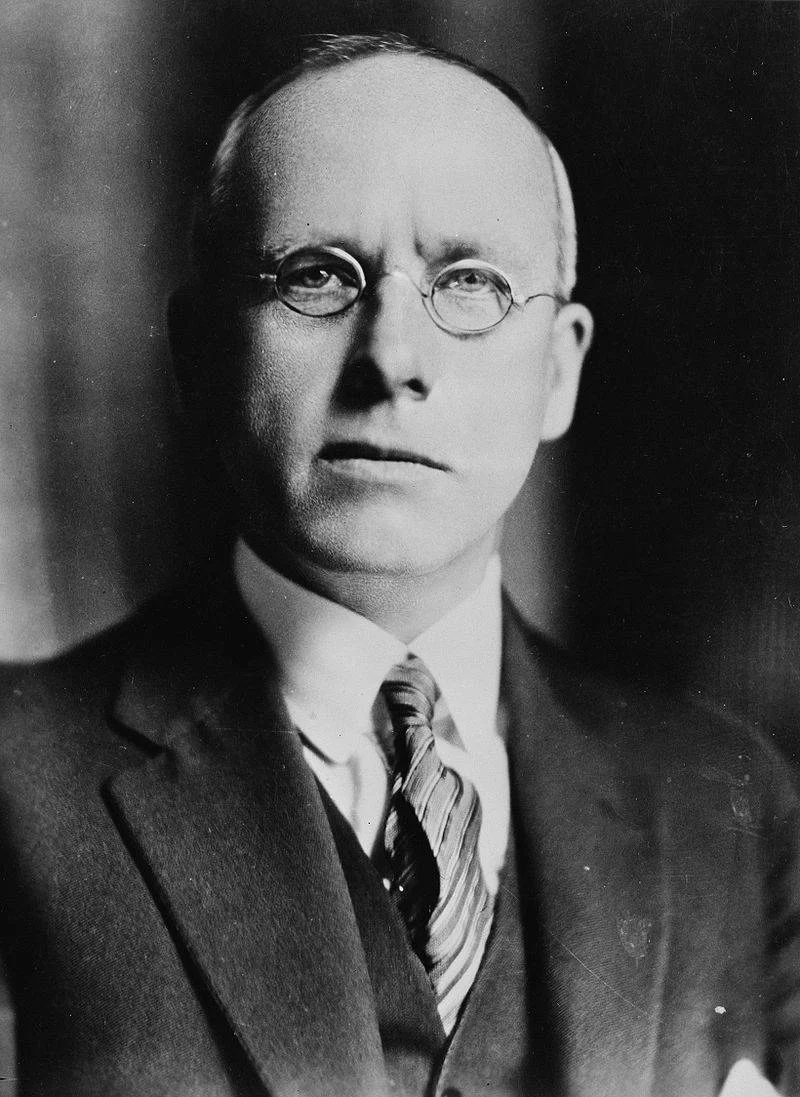
Peter Fraser
Born28 Aug, 1884
Died12 Dec, 1950
NationalityNew Zealand
Age at time of death66
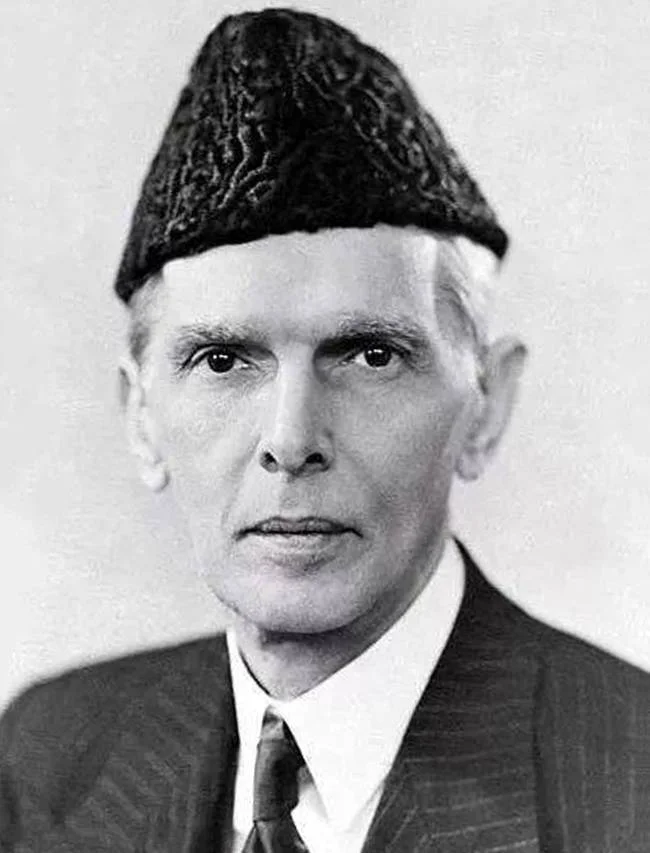
Muhammad Ali Jinnah
Born25 Dec, 1876
Died11 Sep, 1948
NationalityPakistani
Age at time of death71
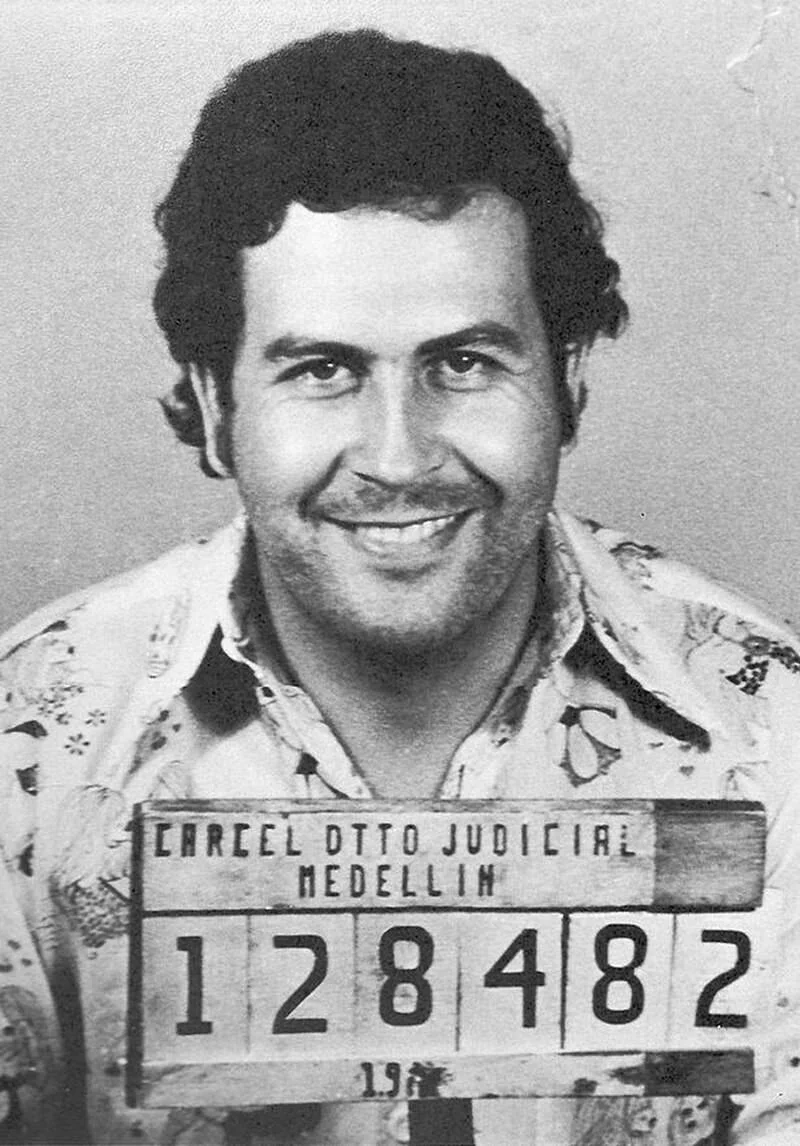
Pablo Escobar
Born01 Dec, 1949
Died02 Dec, 1993
NationalityColombian
Age at time of death44
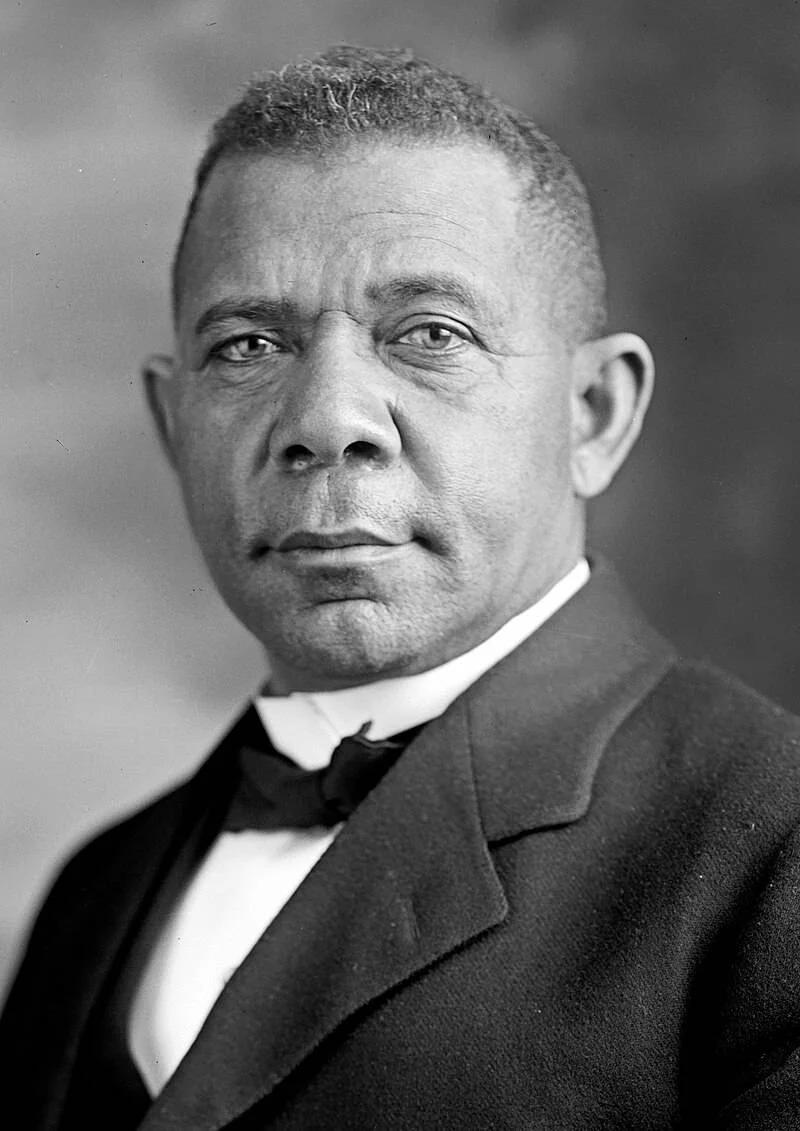
Booker T. Washington
Born05 Apr, 1856
Died14 Nov, 1915
NationalityAmerican
Age at time of death59
John Dickinson
Born13 Nov, 1732
Died14 Feb, 1808
NationalityAmerican
Age at time of death75