Real Celebrities Never Die!
OR
Search For Past Celebrities Whose Birthday You Share
Died Age: 73
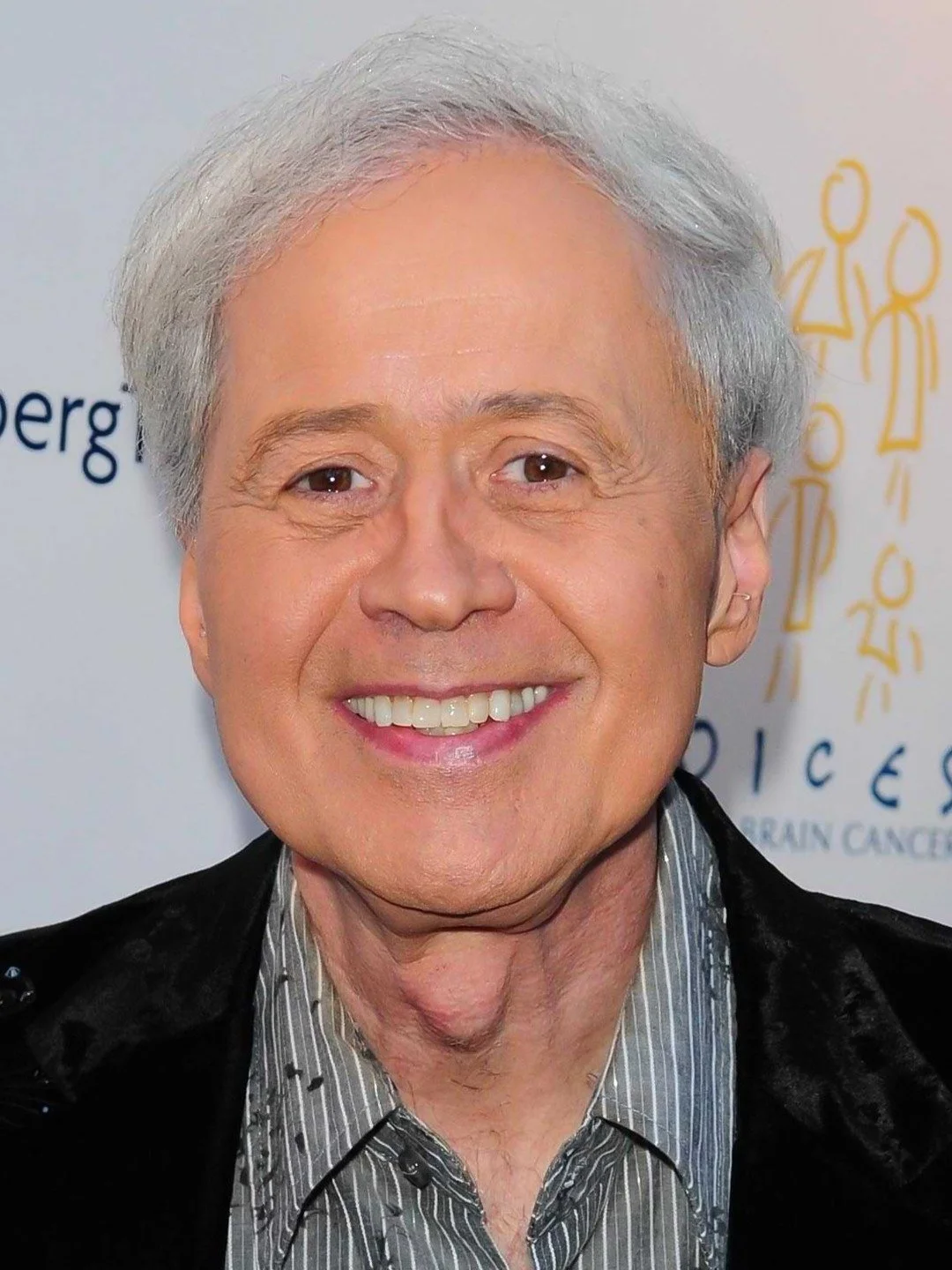
ntvb.tmsimg.com
Wayne Osmond
Birthday:
08 Aug, 1951
Date of Death:
01 Jan, 2025
Cause of death:
Stroke
Nationality:
American
Famous As:
Musician
Age at the time of death:
73
Melvin Wayne Osmond's Quote's

“Fame fades, but family and faith are forever.”
Melvin Wayne Osmond
🔗 deadcelebrityhub.com
Early Life: A Childhood Tuned in Four-Part Harmony
Wayne Osmond was the heartbeat behind the harmony, a man whose guitar strings carried not just melodies but memories for generations of fans. Known for his charisma, versatility, and easy smile, Wayne helped steer The Osmonds from barbershop beginnings to rock and roll stardom, all while navigating the spotlight with humility and humour. Behind the glitz of gold records and screaming crowds was a man driven by faith, family, and an unshakable love for the music that coursed through his veins.
Born Melvin Wayne Osmond on August 28, 1951, in Ogden, Utah, Wayne was the fourth of nine children in a deeply musical, tight-knit Latter-day Saint family. His parents, Olive and George Osmond, were as devoted to their values as they were to nurturing talent in their children. Music wasn’t just encouraged in the Osmond household, but was as essential as air. From early on, Wayne showed a particular affinity for harmony, often chiming in alongside his brothers in rehearsals that filled their home.
In many ways, his early life was a blend of old-fashioned Americana and early showbiz sparkle. By the time Wayne was six, the family had already caught the attention of Andy Williams’ father, leading to a regular spot on The Andy Williams Show. Wayne, with his sandy-blond hair and infectious grin, quickly became a favourite, not just for his voice, but for his boundless energy and comedic timing.
Education: Learning Beyond the Classroom
While formal education played a role in Wayne's development, much of his schooling happened backstage, in studios, and on tour buses. Balancing traditional academics with an unconventional performance schedule, Wayne gained his education in life on the road. This unique upbringing honed not just his musical talents but also his adaptability, resilience, and leadership.
A keen learner, Wayne immersed himself in music theory, arrangement, and instrumentation. His interest in multiple instruments, from guitar to saxophone, reflected a restless creativity that couldn't be confined to a single role within the band.
Career Journey: From Teen Idol to Rock Innovator
Early Career: The Rise of the Osmonds
Wayne’s professional life began before most kids his age had mastered cursive. In the 1960s, he and his brothers (Alan, Merrill, Jay, and later Donny) were thrust into national fame. Though Donny often took centre stage, Wayne was the band’s quiet backbone, handling vocals, instruments, and arrangements. He was especially known for his show-stopping guitar solos and comedic flair during live performances.
Major Achievements: A Genre-Bending Force
By the 1970s, the Osmonds were global sensations. Hits like “Crazy Horses” and “One Bad Apple” soared up the charts, and Wayne was at the centre of their creative evolution. While earlier songs leaned into bubblegum pop, Wayne pushed for experimentation, drawing inspiration from The Rolling Stones and Led Zeppelin. This shift wasn’t just daring; it was trailblazing. “Crazy Horses,” often credited as one of rock’s early environmental anthems, featured Wayne’s fierce vocals and biting riffs—a dramatic departure from their squeaky-clean image.
What fans might not know is that Wayne was also a gifted songwriter. He co-wrote several tracks on The Plan, a concept album inspired by the family’s Mormon faith, blending spirituality with rock, which was a bold move that reflected Wayne’s artistic and personal convictions.
Challenges and Turning Points: The Quiet Battle
In the mid-1990s, Wayne faced a life-altering challenge. Diagnosed with a brain tumour, he underwent surgery and a gruelling recovery. True to form, Wayne faced the ordeal with quiet courage and deep faith. He later referred to it as a “refiner’s fire,” a test of strength that deepened his spiritual life and redefined his perspective.
Later Career: Legacy Projects and Return to Roots
In later years, Wayne continued to tour with his brothers, perform in Las Vegas, and appear at fan events. He also took part in faith-based projects and family documentaries, often emphasising the importance of staying grounded amidst fame. His warmth and humility remained constant, whether playing to sold-out venues or intimate family gatherings.
Personal Life: A Life Anchored in Love and Faith
Wayne married Kathlyn White in 1974, and the couple raised five children together. Despite the demands of fame, he remained deeply committed to his role as a husband and father. A devout member of the Church of Jesus Christ of Latter-day Saints, Wayne balanced public life with private devotion. He loved collecting guitars, telling stories with an impish grin, and cracking spontaneous jokes—often at his own expense.
One little-known quirk? Wayne had a knack for impersonations; his Elvis Presley impressions backstage were legendary among crew and family.
Legacy: The Quiet Trailblazer
While others chased the spotlight, Wayne often stood just behind it, making sure the sound was right, the harmony tight, and the message true. He showed that strength could be soft-spoken, and that artistry didn’t need to shout to be heard.
To fans, he was the guitar-slinging Osmond with a twinkle in his eye. To his family, he was the loyal brother and devoted dad. To music history, Wayne remains a symbol of the genre-bending, soul-searching power of American pop and rock.
In the grand symphony of The Osmonds, Wayne’s notes might have been the subtler ones, but they were the ones that gave the music its soul.
Profile Snapshot
Name:
Melvin Wayne Osmond
Popular Name:
Wayne Osmond
Gender:
Male
Cause of Death:
Stroke
Spouse:
Kathlyn White Osmond
Place of Birth:
Ogden, Utah, United States
Place of Death:
Salt Lake City, Utah, United States
Occupation / Profession:
Musician
Personality Type
Defender Very dedicated and warm protectors, always ready to defend their loved ones. Wayne was a kind, loyal, and quietly strong person who supported others from behind the scenes and found meaning in faith, family, and making people smile.
Melvin Wayne Osmond's Interesting Facts
He survived a brain tumour diagnosis in the 1990s, which he often credited with deepening his faith and life purpose.
He was left-handed but played the guitar right-handed, an unusual trait among professional musicians.
Wayne once performed for Queen Elizabeth II during a Royal Command Performance in the early 1970s.
Achievements & Awards
As part of The Osmonds, he was honoured with a star on the Hollywood Walk of Fame and inducted into the Vocal Group Hall of Fame.
He co-wrote several songs on The Plan, a groundbreaking concept album blending faith and rock, which became a cult favourite.
Wayne also received various awards from the Church of Jesus Christ of Latter-day Saints for his positive representation of faith through music.
Wayne Osmond played a pivotal role in The Osmonds' success, helping the group earn numerous gold and platinum records during the 1970s, including hits like “One Bad Apple” and “Crazy Horses.”
Latest Profiles
People also viewed
Jimi Hendrix
Born27 Nov, 1942
Died18 Sep, 1970
NationalityAmerican
Age at time of death27
George Harrison
Born25 Feb, 1943
Died29 Nov, 2001
NationalityBritish
Age at time of death58
Johnny Ace
Born09 Jun, 1929
Died25 Dec, 1954
NationalityAmerican
Age at time of death25
Phyllis Diller
Born17 Jul, 1917
Died20 Aug, 2012
NationalityAmerican
Age at time of death95

Cory Monteith
Born11 May, 1982
Died13 Jul, 2013
NationalityCanadian
Age at time of death31
Adam Yauch
Born05 Aug, 1964
Died04 May, 2012
NationalityAmerican
Age at time of death47
Waylon Jennings
Born15 Jun, 1937
Died13 Feb, 2002
NationalityAmerican
Age at time of death64
Chuck Berry
Born18 Oct, 1926
Died18 Mar, 2017
NationalityAmerican
Age at time of death90
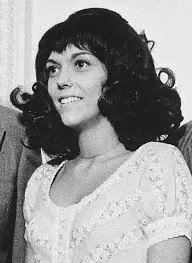
Karen Carpenter
Born02 Mar, 1950
Died04 Feb, 1983
NationalityAmerican
Age at time of death32
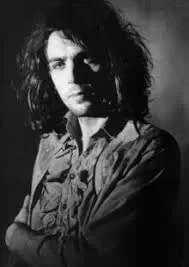
Syd Barrett
Born06 Jan, 1946
Died07 Jul, 2006
NationalityEnglish
Age at time of death60
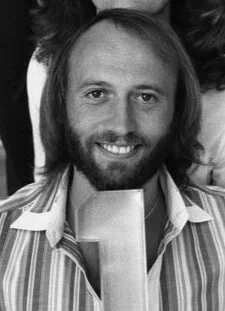
Maurice Gibb
Born22 Dec, 1949
Died12 Jan, 2003
NationalityBritish
Age at time of death53
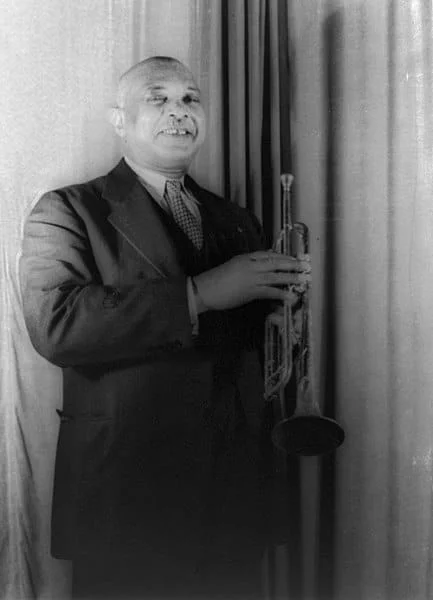
W.C. Handy
Born16 Nov, 1873
Died28 Mar, 1958
NationalityAmerican
Age at time of death84
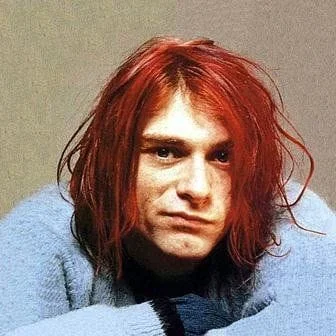
Kurt Cobain
Born20 Feb, 1967
Died05 Apr, 1994
NationalityAmerican
Age at time of death27
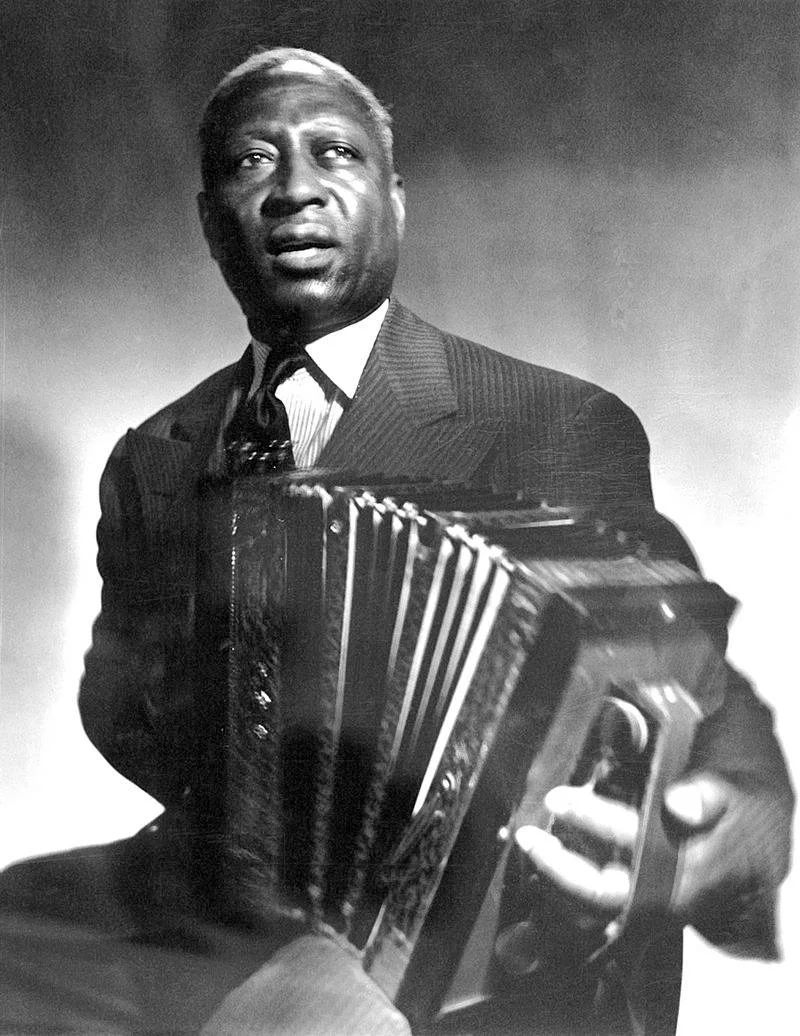
Lead Belly
Born20 Jan, 1888
Died06 Dec, 1949
NationalityAmerican
Age at time of death61
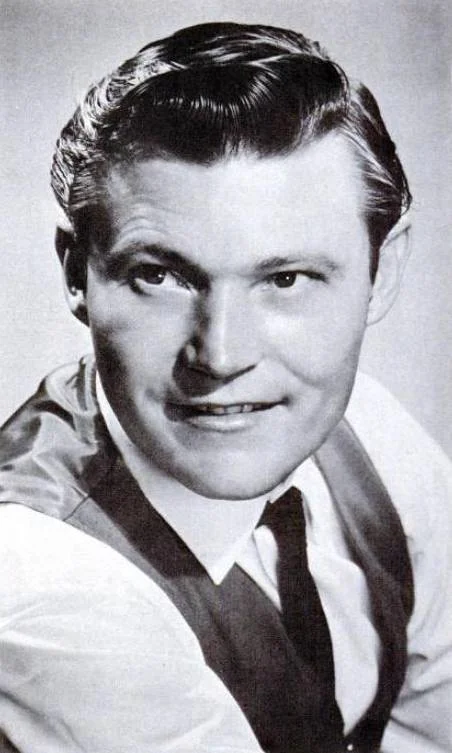
Stonewall Jackson
Born06 Nov, 1932
Died04 Dec, 2021
NationalityAmerican
Age at time of death89
Johnny Otis
Born28 Dec, 1921
Died17 Jan, 2012
NationalityAmerican
Age at time of death90
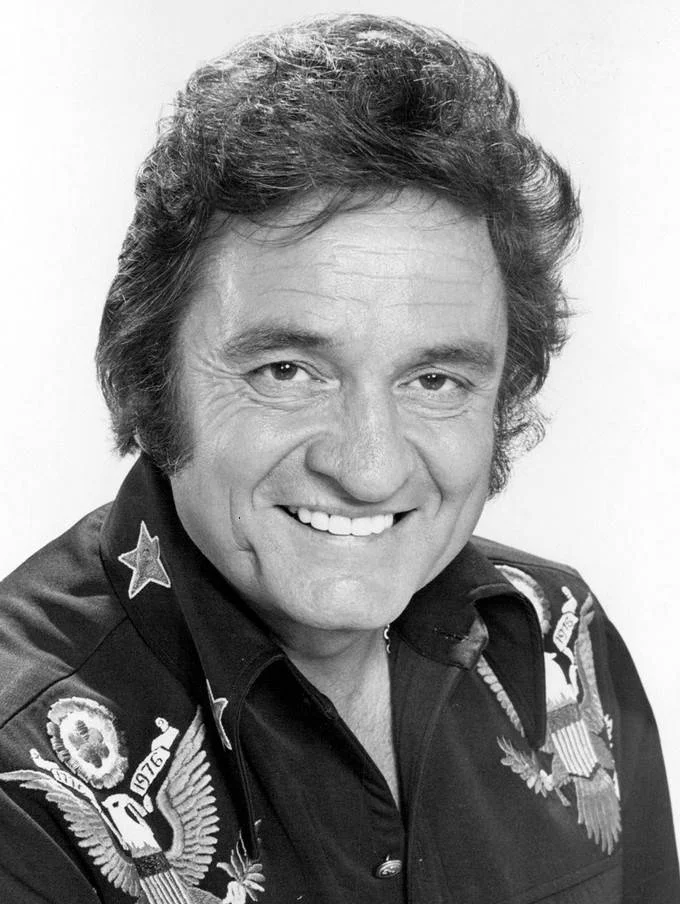
Johnny Cash
Born26 Feb, 1932
Died12 Sep, 2003
NationalityAmerican
Age at time of death71
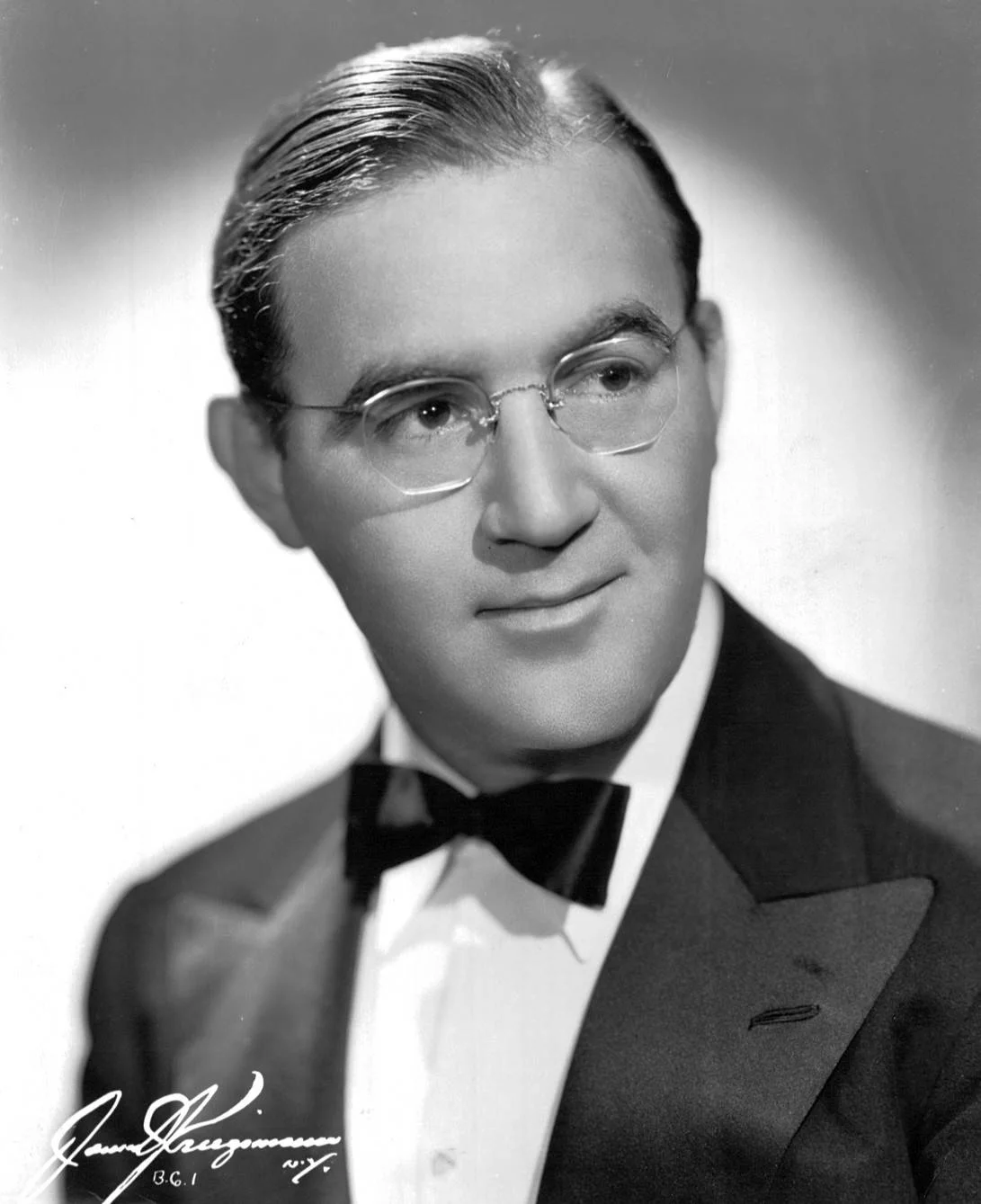
Benny Goodman
Born30 May, 1909
Died13 Jun, 1986
NationalityAmerican
Age at time of death77
Roger Miller
Born02 Jan, 1936
Died25 Oct, 1992
NationalityAmerican
Age at time of death56
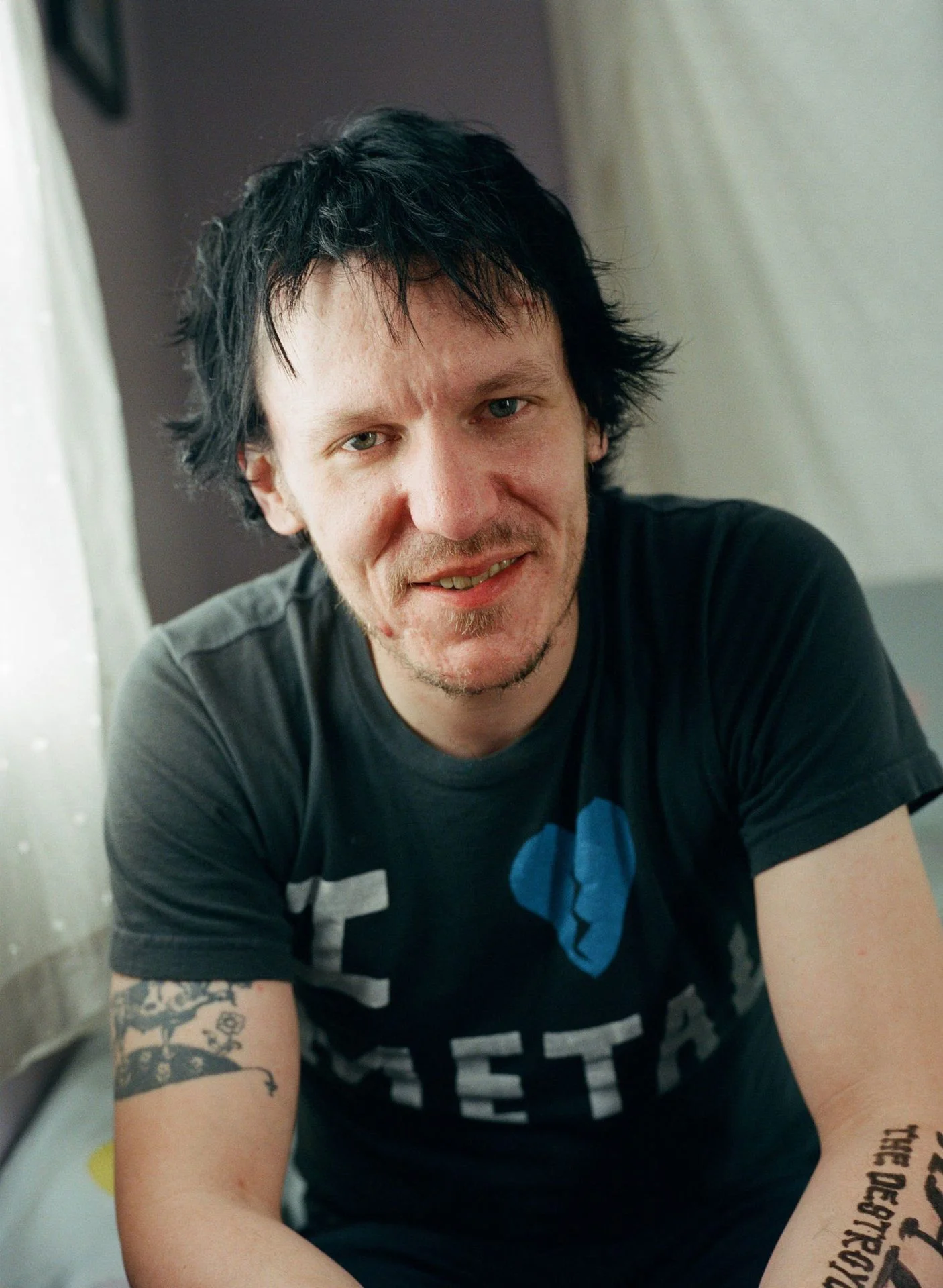
Elliot Smith
Born06 Aug, 1969
Died21 Oct, 2003
NationalityAmerican
Age at time of death34