Real Celebrities Never Die!
OR
Search For Past Celebrities Whose Birthday You Share
Died Age: 61

www.lemonde.fr
Xavier Durringer
Birthday:
30 Nov, 1963
Date of Death:
03 Oct, 2025
Cause of death:
Heart Failure
Nationality:
French
Famous As:
Director
Age at the time of death:
61
Xavier Durringer's Quote's
“All politicians have three ways of expressing themselves — the intimate dialogue that can often be violent and raw, then the dialogue in front of the camera, and then big public speeches.”
Xavier Durringer
🔗 deadcelebrityhub.com
Early Life: A Youth in the Agora of Paris
Xavier Durringer was a restless storyteller—playwright, novelist, director—whose work probed the edges of society and power with both ferocity and tenderness. In his writing, he gave voice to marginalized lives, political ambition, and the raw contradictions of modern France.
Born in December 1963 on the outskirts of Paris, Xavier grew up in a France of shifting landscapes—socially, culturally, and economically. From a young age, he sensed the power of words, of stories being told and unheard. At 18, he began attending drama classes, recognizing early that theater might offer him a way into those stories.
His childhood was shaped less by privilege and more by a burning sense of curiosity and engagement. He absorbed the city’s cacophony—its politics, its heartbreak, its contradictions—and carried it forward into every piece of work he later produced.
Education & Early Ambitions: Building a Voice
Xavier trained in dramatic arts, learning not just to perform, but to write, direct, and give voice to character in crisis. In his early 20s, he founded his own theatre company, La Lézarde, constructing a home not only for his own plays but for a bold, unflinching theatrical vision.
He became, over time, more than a playwright: he was a chronicler of unrest, an observer of loneliness, and a creator of worlds where power, desire, and disillusionment intersect.
Early Career: Words That Cut Deep
In the late 1980s, Durringer began writing plays that were gritty, conversational, and emotionally raw. He tackled marginalized people, existential longing, and the underbelly of modern life in works that challenged both audiences and institutions. His early theatre work earned attention for its honesty and its willingness to confront what many chose to ignore.
Major Achievements: Films, Politics, and the Personal
In the 1990s, Durringer made the leap to cinema. His first feature, a quietly powerful drama about youthful dreams and disappointments, set the tone for a career that would navigate both the personal and the political. Over the decades, he directed films tackling diverse themes—from crime to the complex arena of political power.
One of his most influential works was a politically charged film that dramatized the rise of a French president. The movie provoked debate, sparked reflection, and put Durringer firmly on the map as a filmmaker unafraid to confront contemporary power.
He also wrote for television, addressing urgent issues such as radicalization, alienation, and social responsibility. Alongside his screen work, he penned his first novel later in life—a rock-laden, poetic exploration of love, addiction, and identity that felt deeply personal and universal.
Later Career: Legacy, Mentorship, and Risk
In his later years, Durringer remained committed to artistic risk. He continued writing plays, exploring new forms, and mentoring younger writers and directors. Whether on stage or on screen, he maintained a restless energy: always asking, always challenging, always seeking connection across divides.
His language evolved, but his core remained: the outsider's voice, the political conscience, the humanist’s heart.
Personal Life: Passion, Reflection, and Truth
Offstage, Xavier was known for his reflective nature. He carried his past with him—the streets of his youth, the characters who haunted his imagination—and turned them into art. Those close to him recall a man who listened deeply, who believed in the redemptive power of writing, and who felt a profound responsibility to his audience.
He was neither glamorous nor distant; instead, he was deeply present, thoughtful, and committed to the messy, beautiful business of truth-telling.
Legacy: The Writer Who Never Settled
Xavier Durringer’s legacy lies in his refusal to accept easy narratives. He wrote for the forgotten and the powerful alike, believing that drama—real, raw, human—was the pathway to understanding. He left behind plays that continue to shine in theatre, films that still provoke debate, and a voice that remains urgent.
Xavier Durringer will be remembered as a fierce artist: a playwright, novelist, and filmmaker whose work dared to reflect the complexities of a changing world—and whose words will continue to resonate.
Profile Snapshot
Name:
Xavier Durringer
Popular Name:
Xavier Durringer
Gender:
Male
Cause of Death:
Heart Failure
Spouse:
Unmarried
Place of Birth:
Seine, France
Place of Death:
Vaucluse, France
Occupation / Profession:
Director
French playwright
Novelist
Screenwriter
Personality Type
Campaigner: Xavier Durringer seems like a flexible, curious and intellectually adventurous creative spirit — someone likely drawn to experimentation, ideas and nuance rather than conventional paths, using his art to navigate complexity and challenge norms.
Xavier Durringer's Interesting Facts
Xavier Durringer was born on December 1, 1963, near Paris and passed away on October 4, 2025, at the age of 61.
He began his career in theatre, founding and directing the company La Lézarde in 1988, before moving into film and screenwriting.
His 2011 film La Conquête, a dramatization of President Nicolas Sarkozy’s rise to power, gained significant attention.
In 2017, he directed the television film Ne m'abandonne pas, which explored youth radicalization and earned international recognition.
Achievements & Awards
Xavier Durringer won the International Emmy Award for Best TV Movie in 2017 for his telefilm Ne m’abandonne pas. He also gained recognition in theater, with his first play Une rose sous la peau receiving the Masque d’Or.
External Links
Latest Profiles
People also viewed
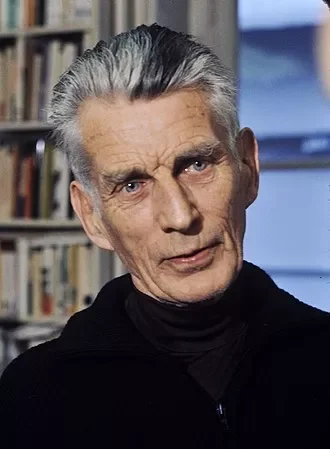
Samuel Beckett
Born13 Apr, 1906
Died22 Dec, 1989
NationalityIrish
Age at time of death83
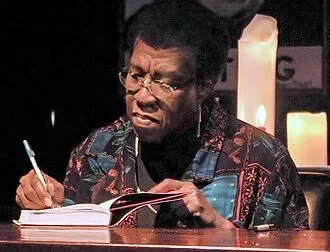
Octavia Butler
Born22 Jun, 1947
Died24 Feb, 2006
NationalityAmerican
Age at time of death58
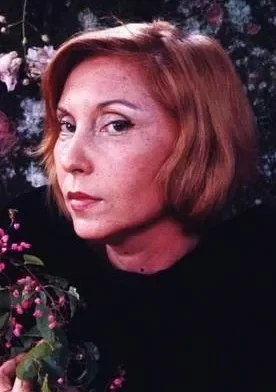
Clarice Lispector
Born10 Dec, 1920
Died09 Dec, 1977
NationalityBrazilian
Age at time of death56
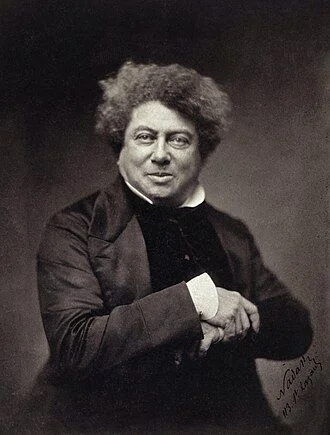
Alexandre Dumas
Born24 Jul, 1802
Died05 Dec, 1870
NationalityFrench
Age at time of death68
Rabindranath Tagore
Born07 May, 1861
Died08 Aug, 1941
NationalityIndian
Age at time of death80
George Trow
Born28 Sep, 1943
Died24 Nov, 2006
NationalityAmerican
Age at time of death63
Guy de Maupassant
Born05 Aug, 1850
Died06 Jul, 1893
NationalityFrench
Age at time of death42
Victor Hugo
Born26 Feb, 1802
Died22 May, 1885
NationalityFrench
Age at time of death83
Alfred Hitchcock
Born13 Aug, 1899
Died29 Apr, 1980
NationalityAmerican, British
Age at time of death80
Stanley Kubrick
Born26 Jul, 1928
Died07 Mar, 1999
NationalityAmerican, British
Age at time of death70
Gene Kelly
Born23 Aug, 1912
Died02 Feb, 1996
NationalityAmerican
Age at time of death83
William Peter Blatty
Born07 Jan, 1928
Died12 Jan, 2017
NationalityAmerican
Age at time of death89
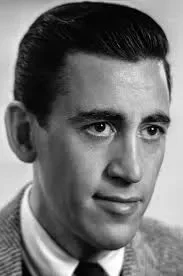
J. D. Salinger
Born01 Jan, 1919
Died27 Jan, 2010
NationalityAmerican
Age at time of death91
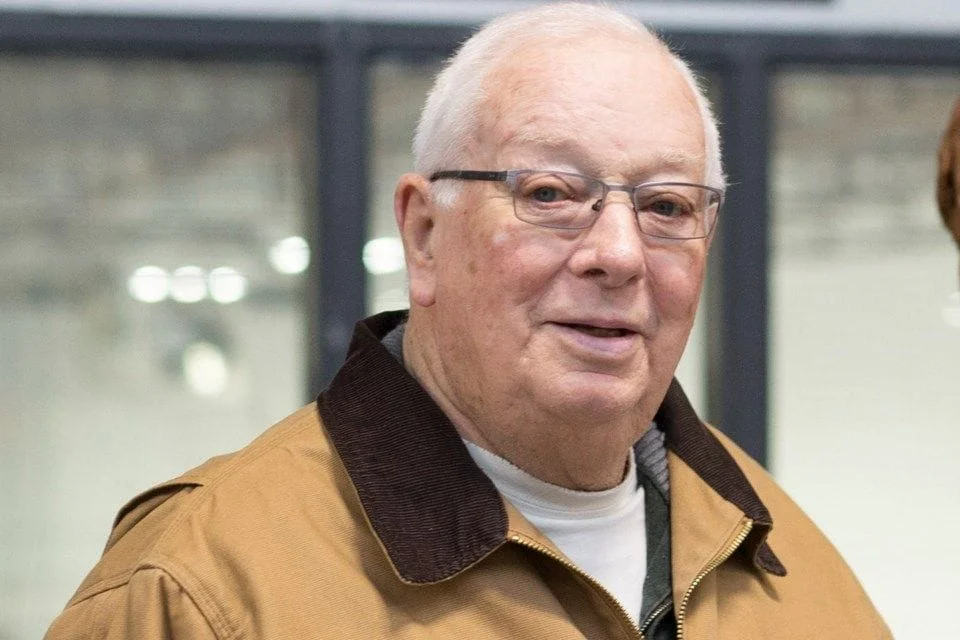
Bob Clark
Born05 Aug, 1939
Died04 Apr, 2007
NationalityAmerican
Age at time of death67
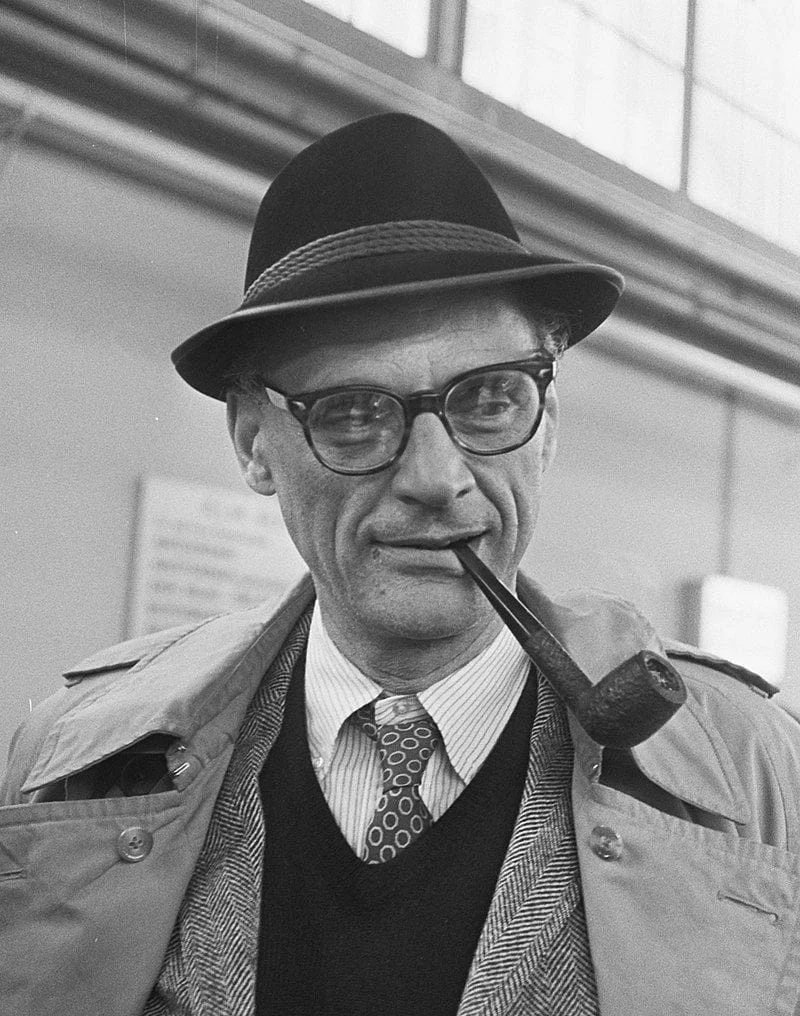
Arthur Miller
Born17 Oct, 1915
Died10 Feb, 2005
NationalityAmerican
Age at time of death89
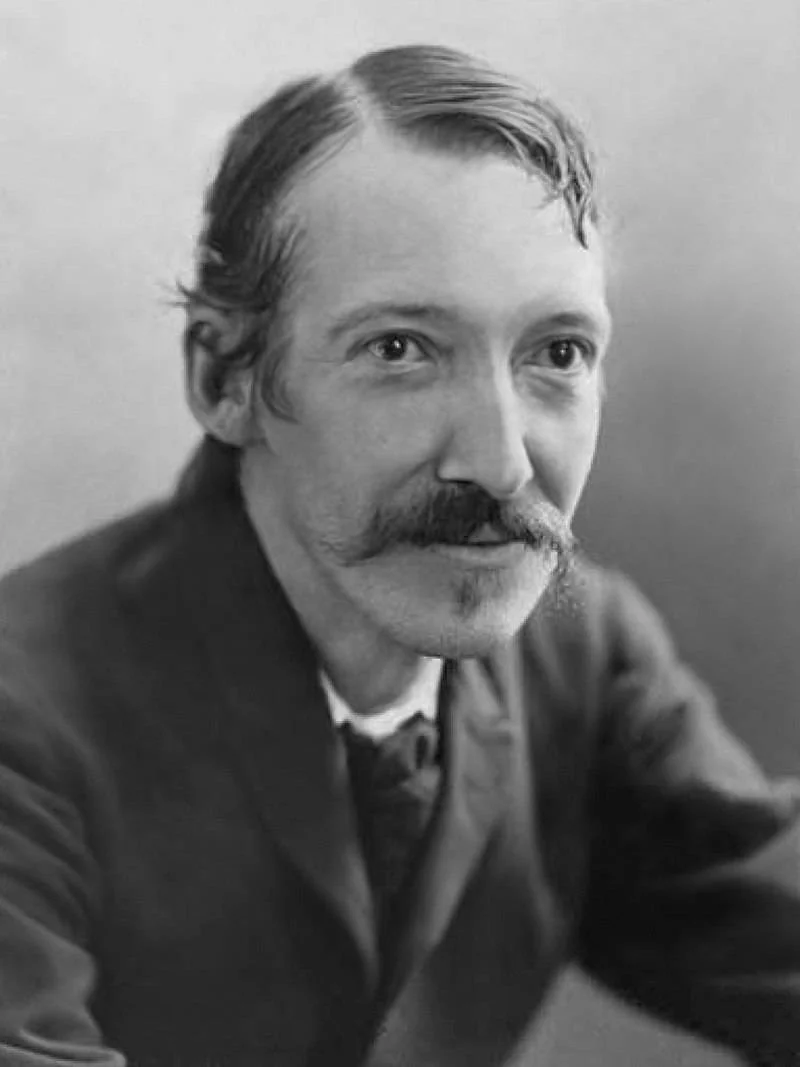
Robert Louis Steveson
Born13 Nov, 1850
Died03 Dec, 1894
NationalityBritish, Scotland
Age at time of death44
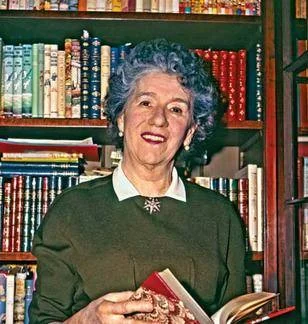
Enid Blyton
Born11 Aug, 1897
Died28 Nov, 1968
NationalityBritish
Age at time of death71
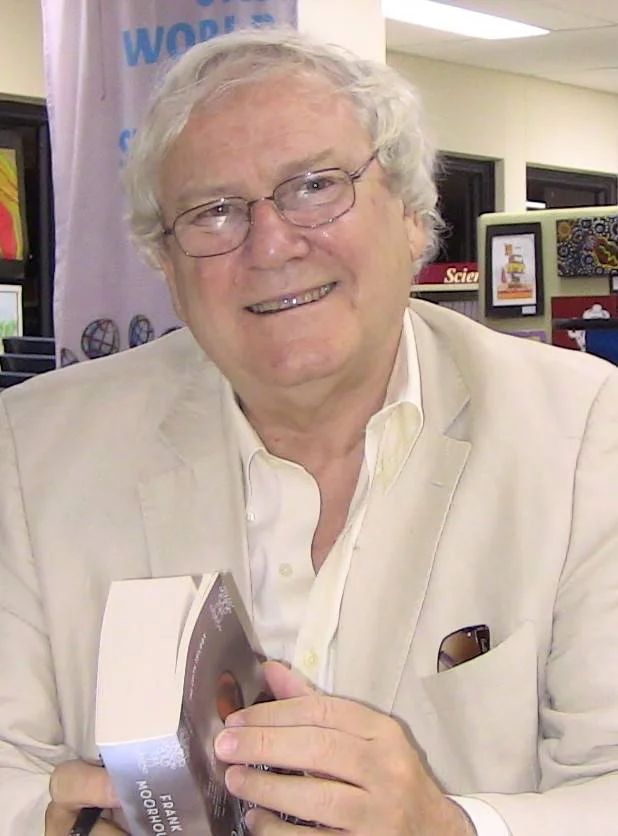
Frank Moorhouse
Born21 Dec, 1938
Died26 Jun, 2022
NationalityAustralian
Age at time of death83
Zoe Akins
Born30 Oct, 1886
Died29 Oct, 1958
NationalityAmerican
Age at time of death71

Gabriel Márquez
Born06 Mar, 1927
Died17 Apr, 2014
NationalityColombian, Mexican
Age at time of death87