Real Celebrities Never Die!
OR
Search For Past Celebrities Whose Birthday You Share
Died Age: 73
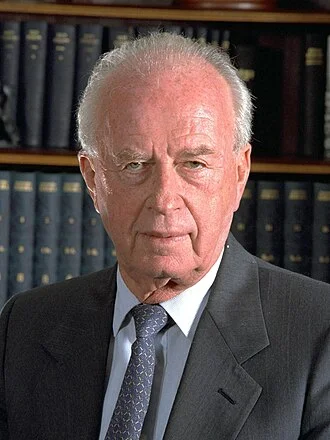
wikimedia.org
Yitzhak Rabin
Birthday:
01 Mar, 1922
Date of Death:
04 Nov, 1995
Cause of death:
Assassination
Nationality:
Israeli
Famous As:
General
Age at the time of death:
73
Yitzhak Rabin's Quote's

“You don't make peace with friends. You make it with very unsavory enemies.”
Yitzhak Rabin
🔗 deadcelebrityhub.com
Early Life and Military Career
Yitzhak Rabin was a soldier turned statesman, a leader whose life was shaped by war but whose legacy was defined by his pursuit of peace. Twice serving as Israel’s Prime Minister, he navigated the nation through moments of triumph and turbulence, ultimately striving for reconciliation in a land long marred by conflict. Born in Jerusalem in 1922 to a passionate Zionist family, Rabin’s destiny seemed intertwined with the future of Israel. In 1941, he joined the Palmach, the elite strike force of the Haganah, the Jewish underground militia. His military prowess became evident during the 1948 Arab-Israeli War, where he played a crucial role in securing Israel’s independence. Rabin’s rapid rise within the Israeli Defense Forces (IDF) saw him appointed Chief of Staff in 1964. Three years later, he led Israel to a decisive victory in the Six-Day War, cementing his reputation as a brilliant strategist and national hero.
Career: Transition to Politics
Following his retirement from the military, Rabin entered politics in 1973 as a member of the Labor Party. When Prime Minister Golda Meir resigned in 1974, Rabin was appointed to succeed her, becoming Israel’s first native-born Prime Minister. His tenure was marked by significant challenges, including the aftermath of the Yom Kippur War and the daring Entebbe rescue operation of 1976. However, mounting political pressures led to his resignation in 1977.
The Path to Peace
After serving as Minister of Defense from 1984 to 1990—where he played a critical role in containing the First Intifada—Rabin returned to the premiership in 1992, leading the Labor Party to victory. Determined to pursue peace, he championed the historic “land for peace” policy, culminating in the 1993 Oslo Accords with Palestine Liberation Organization leader Yasser Arafat. The agreement granted self-rule to Palestinians while securing recognition of Israel’s existence. Rabin’s peace efforts extended beyond Palestine; in 1994, he signed a treaty with Jordan, ending decades of hostility between the two nations. His vision for a more stable Middle East earned him the Nobel Peace Prize, shared with Arafat and Israeli Foreign Minister Shimon Peres.
Personal Life
Away from political life, Rabin was a devoted family man. During the 1948 Arab–Israeli War, Rabin got married to Leah Schlossberg. The couple had two children together.
ragic Assassination and Legacy
Despite his groundbreaking strides toward peace, Rabin faced fierce opposition from right-wing extremists who viewed his concessions as betrayal. On November 4, 1995, after addressing a peace rally in Tel Aviv, he was assassinated by Yigal Amir, a radical who opposed the Oslo Accords. His death sent shockwaves throughout Israel and the world, marking a tragic end to a life dedicated to securing peace. Though Rabin was taken too soon, his vision endures. He remains a symbol of courage, compromise, and the hope for a peaceful future in the Middle East.
Profile Snapshot
Name:
Yitzhak Rabin
Popular Name:
Yitzhak Rabin
Gender:
Male
Cause of Death:
Assassination
Spouse:
Leah Rabin
Place of Birth:
Jerusalem, Mandatory Palestine
Place of Death:
Tel Aviv, Israel
Occupation / Profession:
General
Politician
Statesman
Personality Type
Architect Imaginative and strategic thinkers, with a plan for everything. Yitzhak Rabin was more than capable of thinking for himself. He was rational and quick-witted, and he constantly analyzed everything around him.
Yitzhak Rabin's Interesting Facts
He never joined a kibbutz, the collective farms essential to Israel’s development in its early years.
He saved Jerusalem during the War of Independence.
He was the first Israel Prime Minister to be born in Israel.
Rabin failed his entrance exam for an agricultural school.
Achievements & Awards
Yitzhak Rabin served two terms as Prime Minister of Israel
External Links
Additional Links
Latest Profiles
People also viewed
Gerald Ford
Born14 Jul, 1913
Died26 Dec, 2006
NationalityAmerican
Age at time of death93
Victor Hugo
Born26 Feb, 1802
Died22 May, 1885
NationalityFrench
Age at time of death83
George Murphy
Born04 Jul, 1902
Died03 May, 1992
NationalityAmerican
Age at time of death89
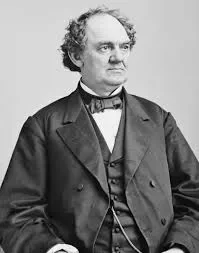
P. T. Barnum
Born05 Jul, 1810
Died07 Apr, 1891
NationalityAmerican
Age at time of death80
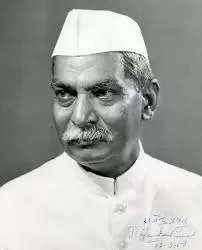
Rajendra Prasad
Born03 Dec, 1884
Died28 Feb, 1963
NationalityIndian
Age at time of death78
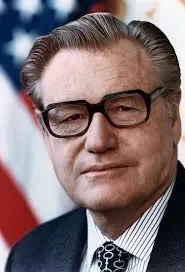
Nelson Rockefeller
Born08 Jul, 1908
Died26 Jan, 1979
NationalityAmerican
Age at time of death70

Ethan Allen
Born21 Jan, 1738
Died12 Feb, 1789
NationalityAmerican
Age at time of death51
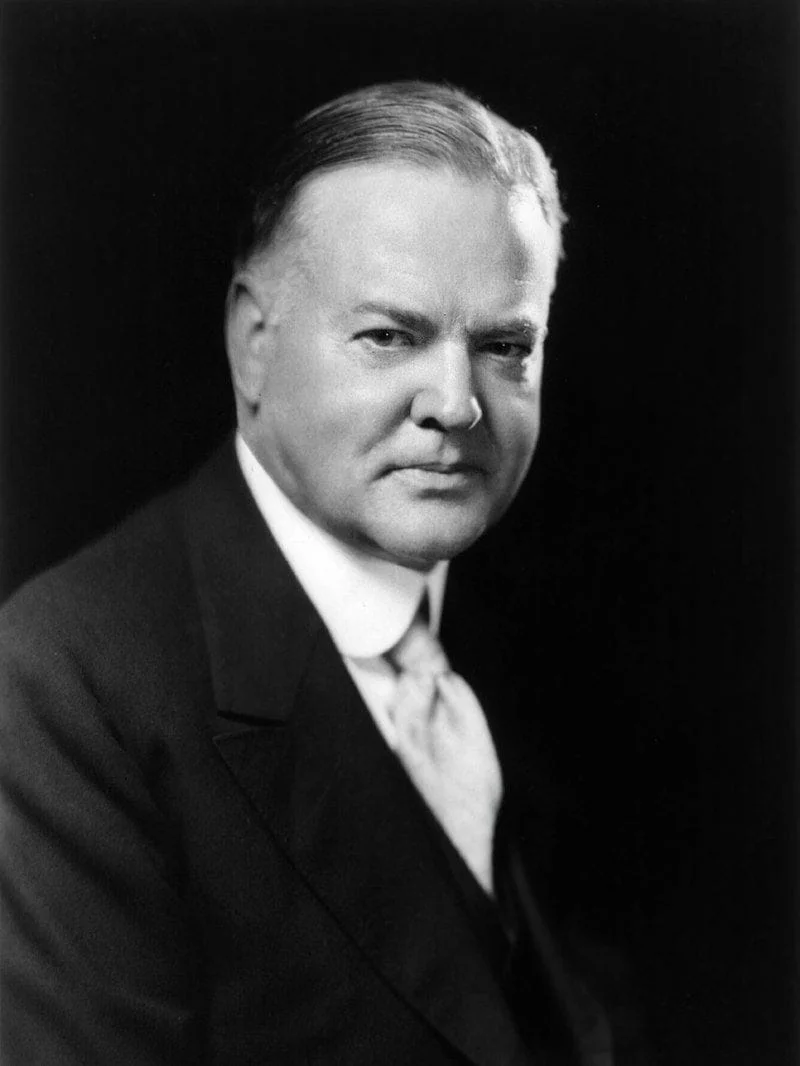
Herbert Hoover
Born10 Aug, 1874
Died20 Oct, 1964
NationalityAmerican
Age at time of death90
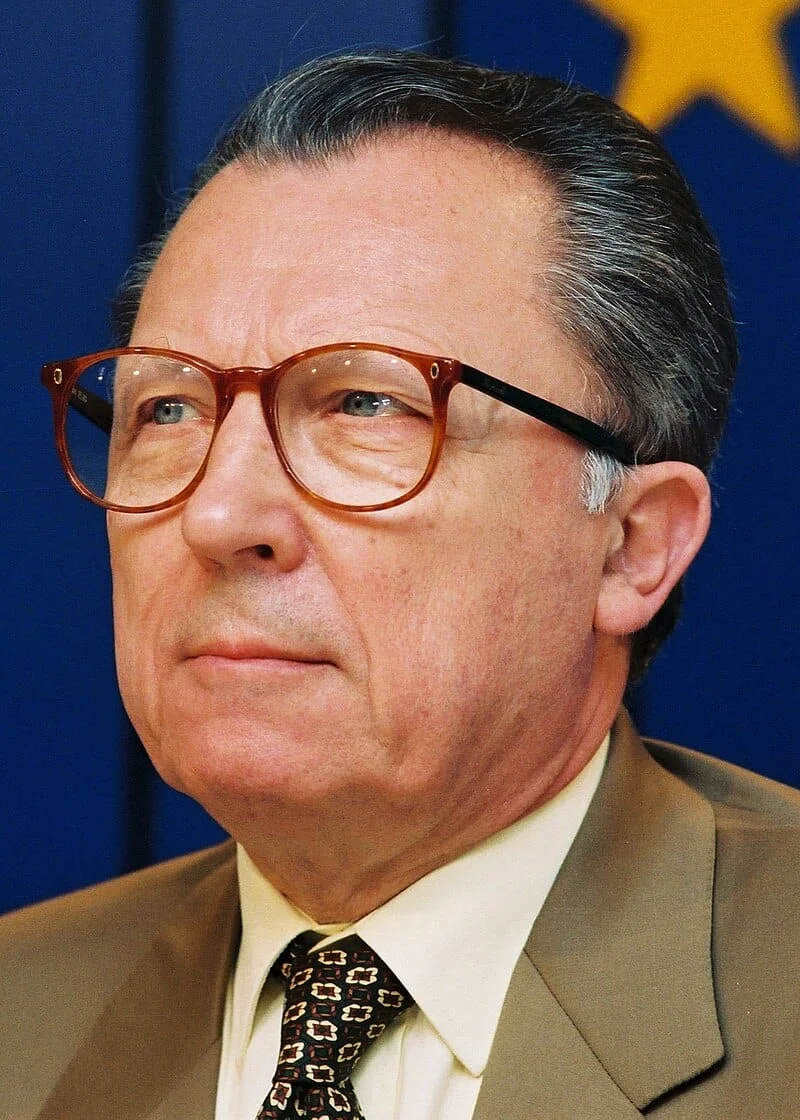
Jacques Delors
Born20 Jul, 1925
Died27 Dec, 2023
NationalityFrench
Age at time of death98
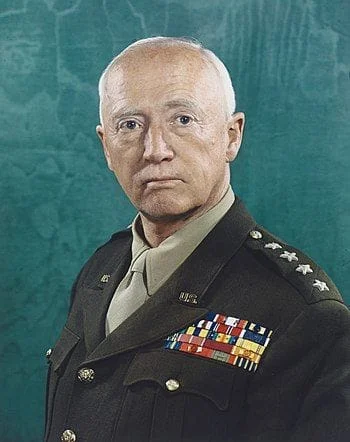
George S Patton
Born11 Nov, 1885
Died21 Dec, 1945
NationalityAmerican
Age at time of death60
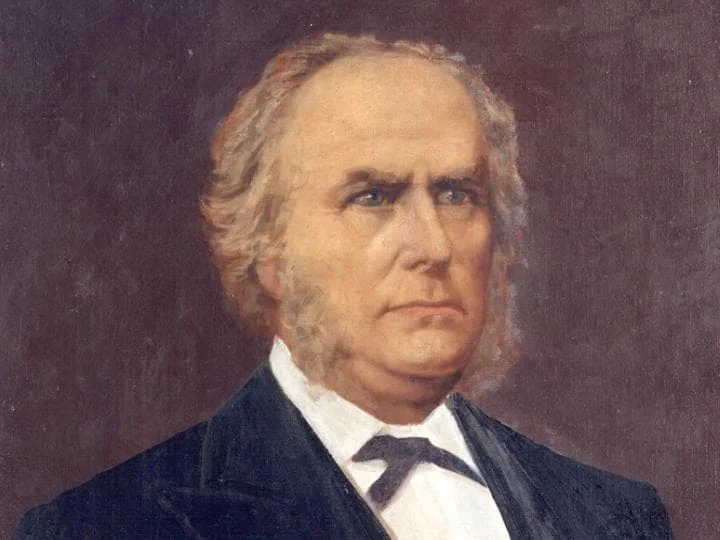
James Harrison
Born17 Apr, 1816
Died03 Sep, 1893
NationalityScottish,Australian
Age at time of death77
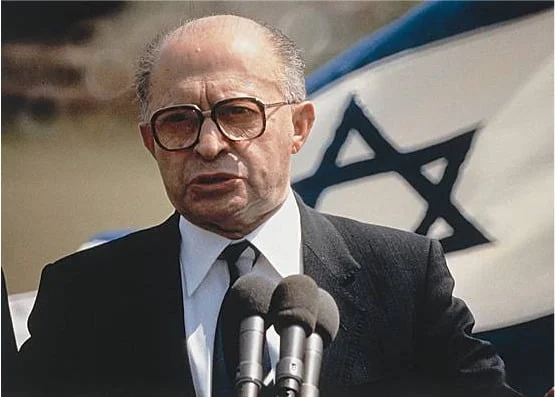
Menachem Begin
Born16 Aug, 1913
Died09 Mar, 1992
NationalityIsraeli
Age at time of death78
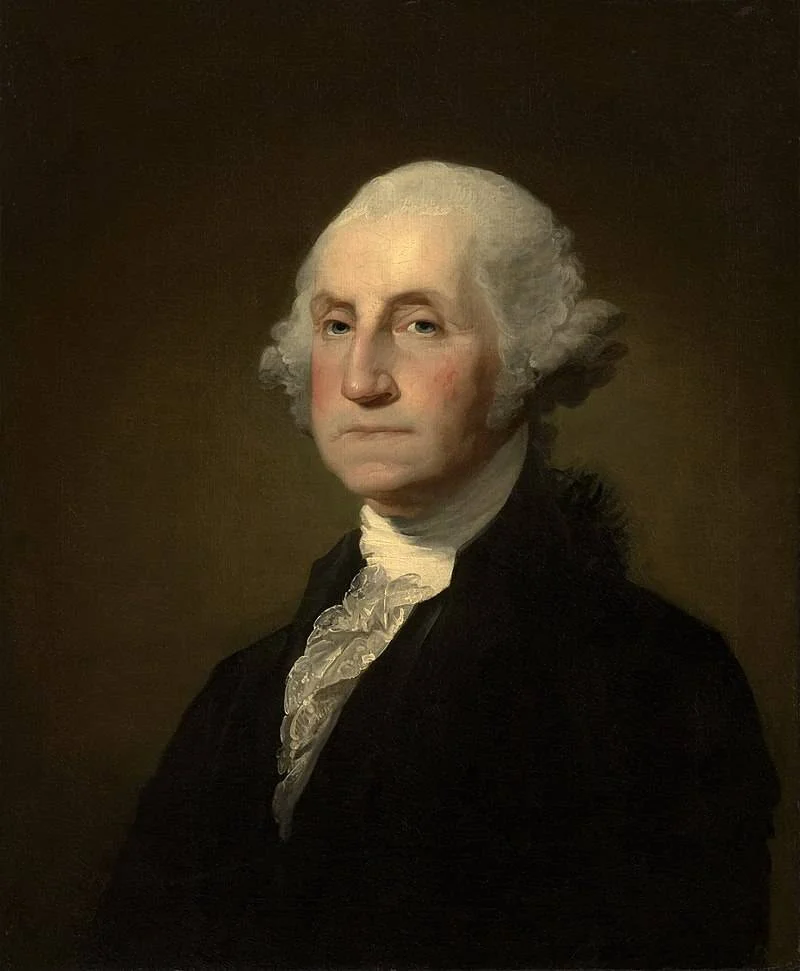
George Washington
Born22 Feb, 1732
Died14 Dec, 1799
NationalityAmerican
Age at time of death67
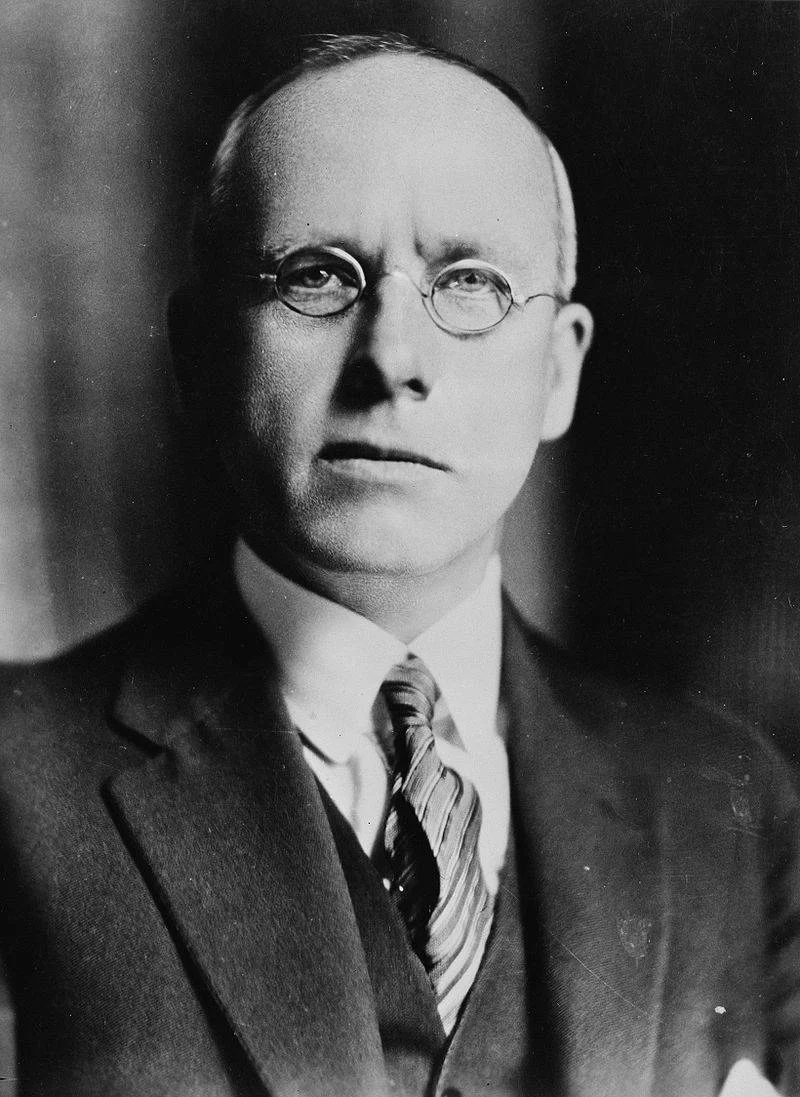
Peter Fraser
Born28 Aug, 1884
Died12 Dec, 1950
NationalityNew Zealand
Age at time of death66
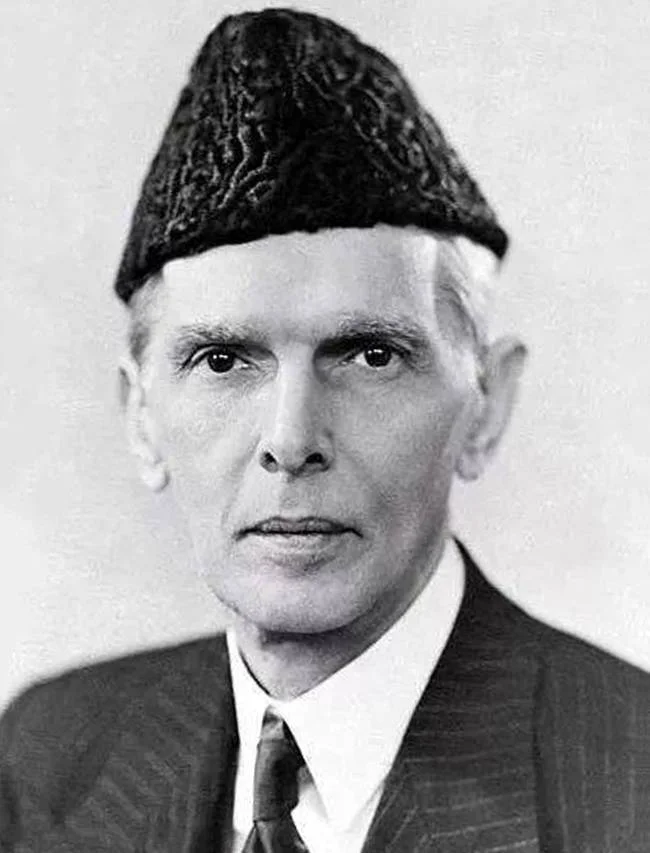
Muhammad Ali Jinnah
Born25 Dec, 1876
Died11 Sep, 1948
NationalityPakistani
Age at time of death71
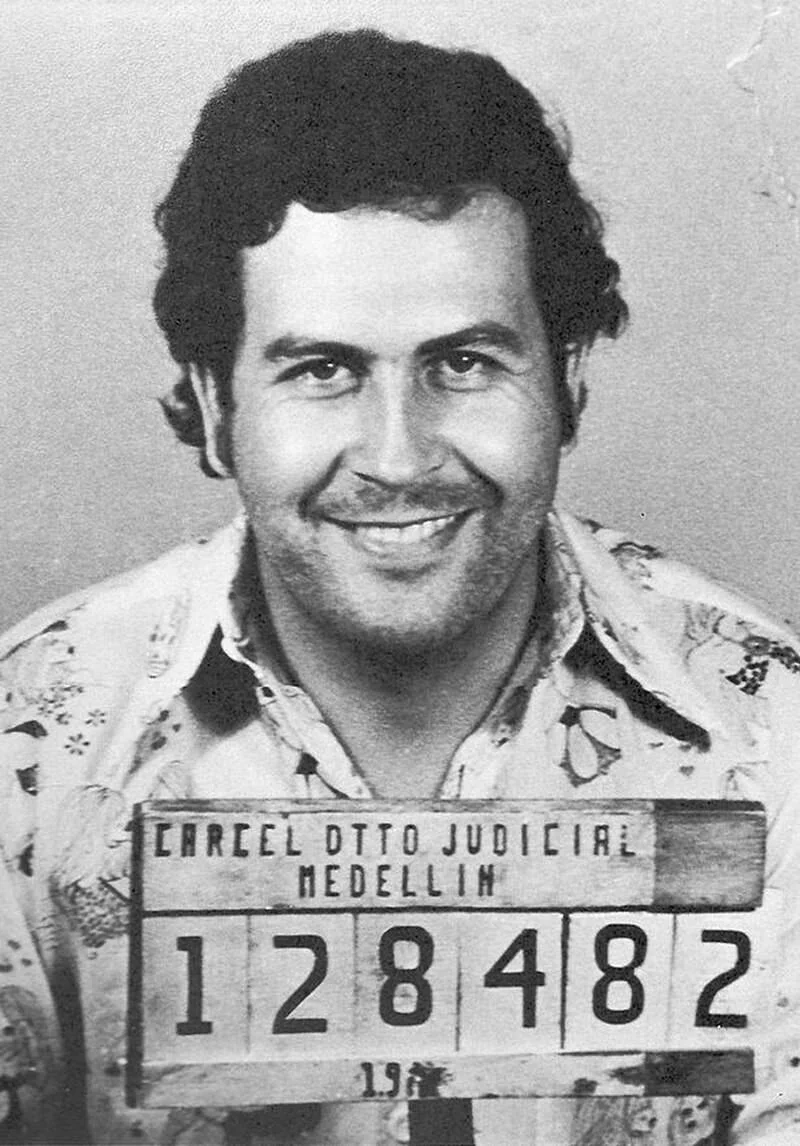
Pablo Escobar
Born01 Dec, 1949
Died02 Dec, 1993
NationalityColombian
Age at time of death44
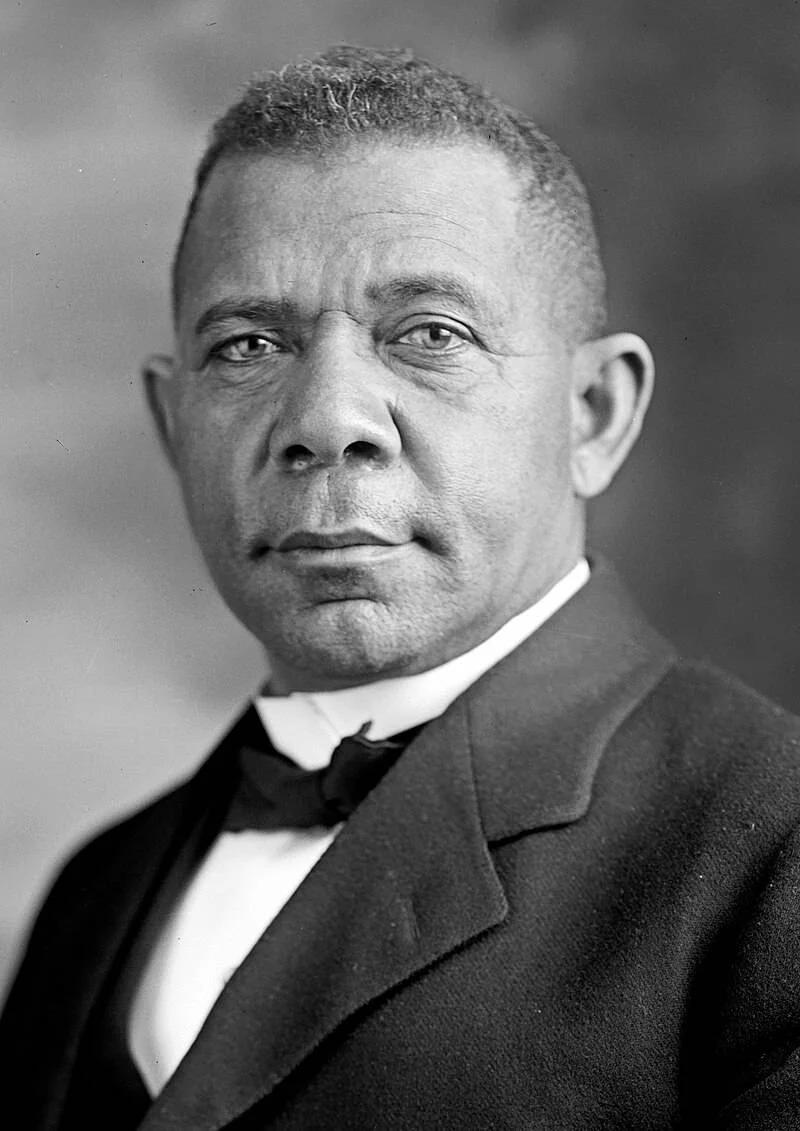
Booker T. Washington
Born05 Apr, 1856
Died14 Nov, 1915
NationalityAmerican
Age at time of death59
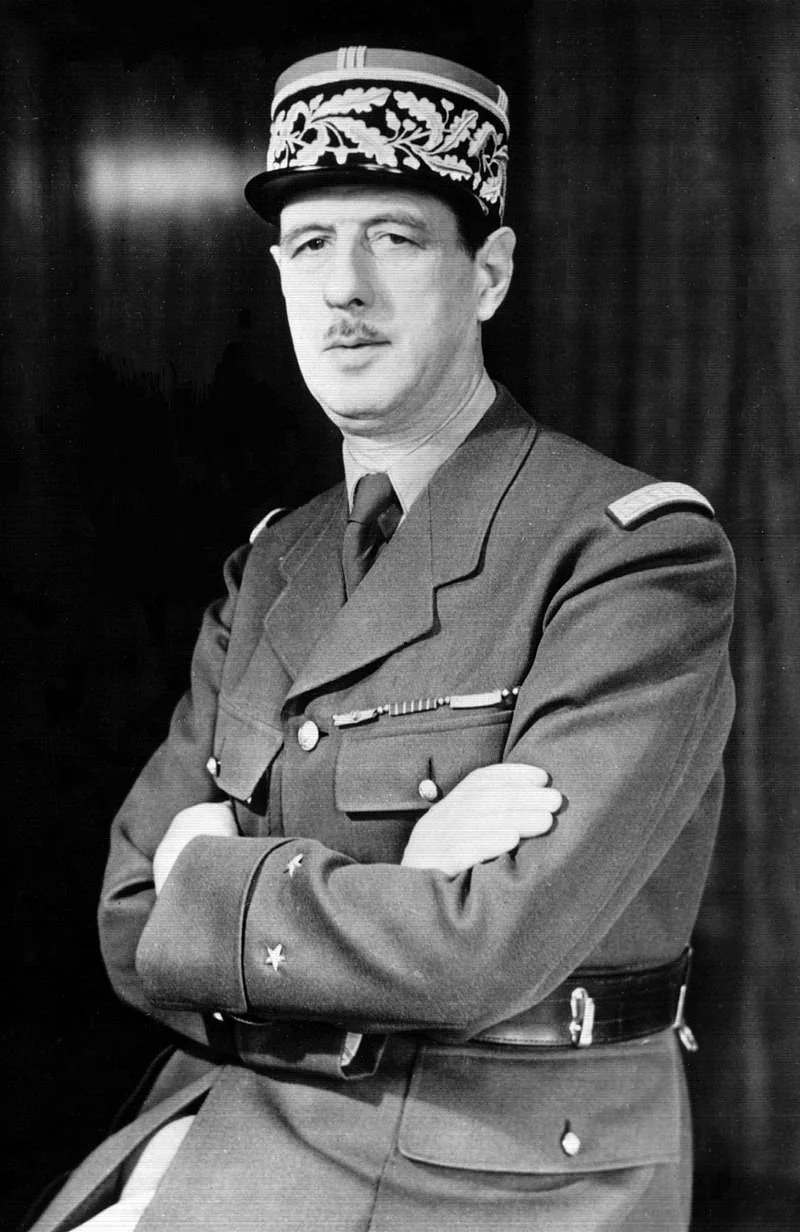
Charles de Gaulle
Born22 Nov, 1890
Died09 Nov, 1970
NationalityFrench
Age at time of death79
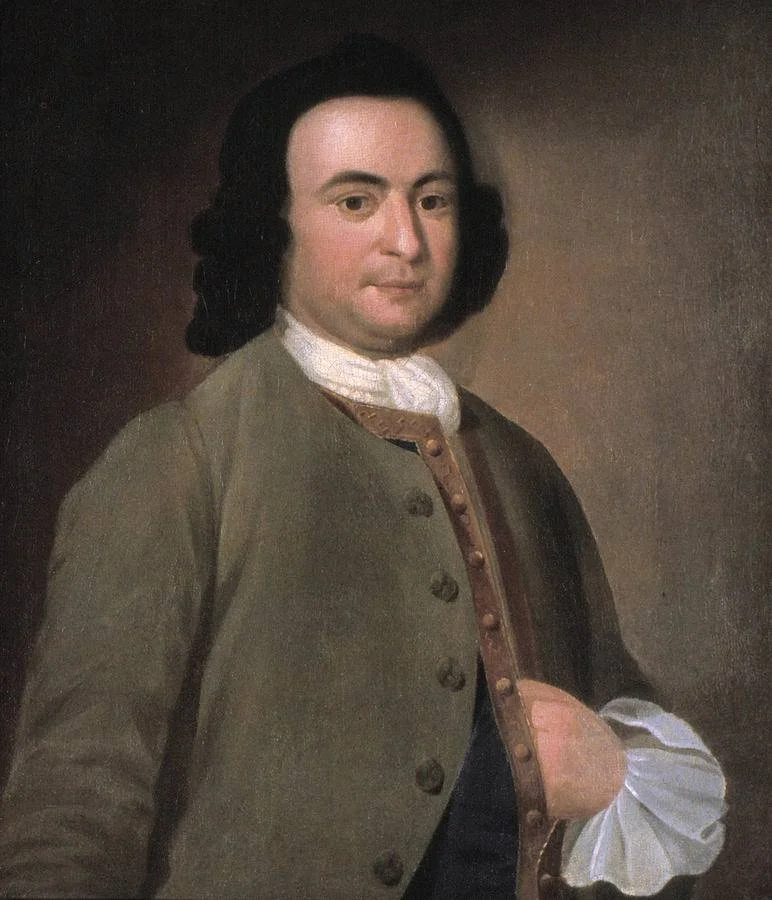
George Mason
Born11 Dec, 1725
Died07 Oct, 1792
NationalityAmerican, British
Age at time of death66
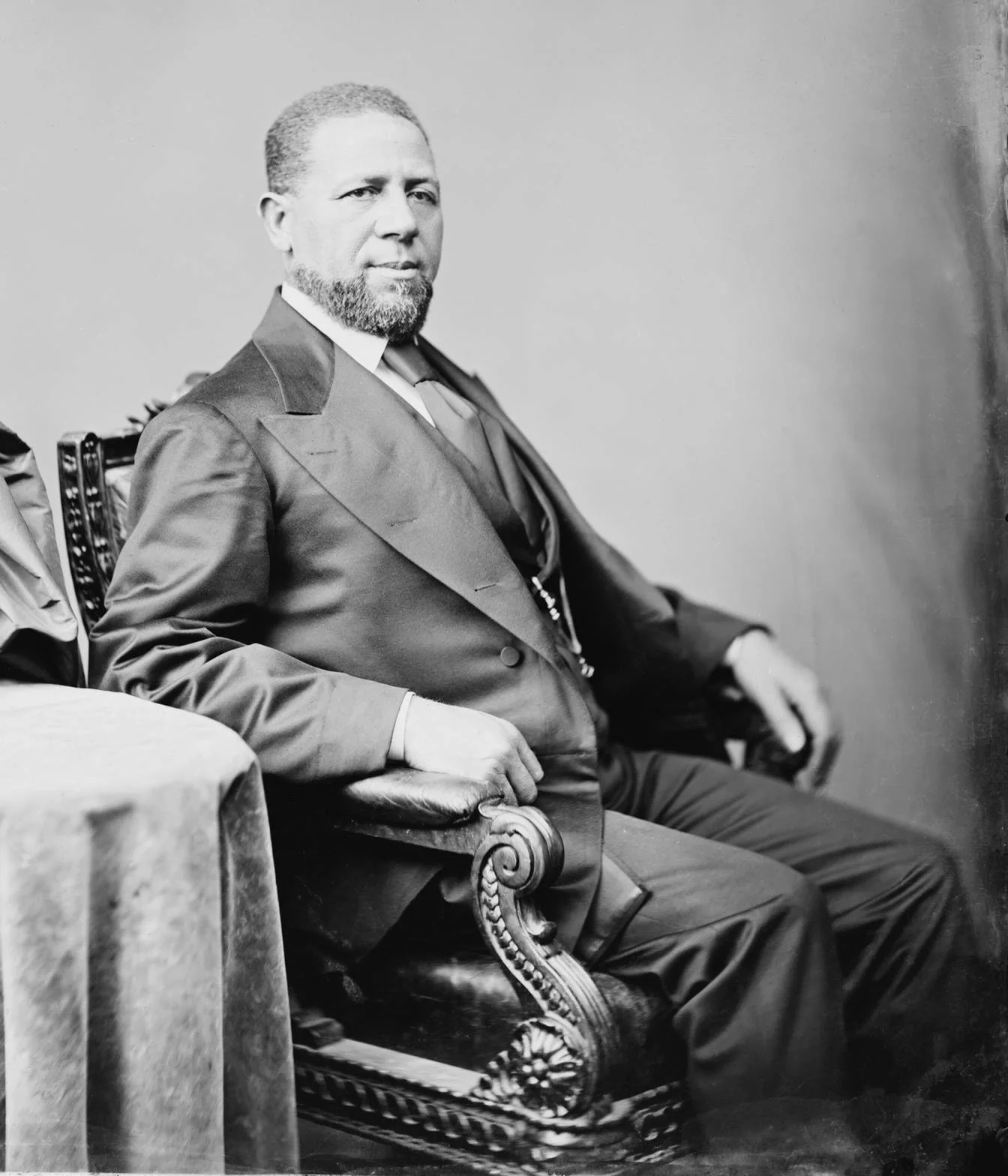
Hiram R. Revels
Born27 Sep, 1827
Died16 Jan, 1901
NationalityAmerican
Age at time of death73