Real Celebrities Never Die!
OR
Search For Past Celebrities Whose Birthday You Share
Died Age: 102
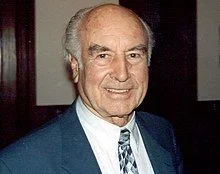
source:wikipedia.org
Albert Hofmann
Birthday:
11 Jan, 1906
Date of Death:
29 Apr, 2008
Cause of death:
Heart attack
Nationality:
Swiss
Famous As:
Author
Age at the time of death:
102
Albert Hofmann's Quote's

“"LSD wanted to It gave me an inner joy, an open mindedness, a gratefulness, open eyes and an internal sensitivity for the miracles of creation”
Albert Hofmann
🔗 deadcelebrityhub.com
Albert Hofmann: A Chemist Who Revolutionized Human Consciousness
Albert Hofmann, was a Swiss-born chemist who had a curious and restless mind. He is celebrated for the discovery that would change the world of science and human consciousness forever. He became the first person to synthesize, ingest, and unveil the extraordinary psychedelic effects of lysergic acid diethylamide (LSD), a substance that would ripple through the fields of psychiatry, culture, and personal exploration.
Early Life in Switzerland
Albert Hofmann entered the world in the quiet town of Baden, Switzerland, on January 11, 1906. Born into modest beginnings as the eldest child of Adolf Hofmann, a factory toolmaker, and Elisabeth Schenk, he was shaped by the industriousness of his family. From a young age, Hofmann was determined to carve out his own path in life, securing a position as a commercial apprentice while pursuing his studies. These early years hinted at the balance he would maintain throughout his life—a devotion to both hard work and intellectual curiosity.
Academic Journey and Love for Chemistry
Hofmann’s mind, sharp and ever-searching, found its true passion in chemistry. He pursued this love at the University of Zurich, immersing himself in the intricate study of molecular structures. His breakthrough came with his research into chitin, a common animal substance, for which he was awarded his doctorate with distinction in 1929. This achievement was only the beginning, a prelude to the deeper discoveries that lay ahead.
Joining Sandoz Laboratories
After completing his studies, Hofmann embarked on a journey that would bridge the world of natural compounds and pharmaceuticals. He joined the pharmaceutical department of Sandoz Laboratories, a place where science met medicine, and it was here the unseen potentials of chemistry were explored.
The Accidental Discovery of LSD
It was here, in 1938, that Hofmann synthesized LSD for the first time as part of a research program focused on lysergic acid derivatives. However, at the time, the compound went unnoticed—its potential lying dormant, waiting for a fateful accident to bring it to light.
That moment came five years later, in 1943, when Hofmann, resynthesizing the compound, accidentally absorbed a small amount of it through his skin. The world, for a moment, altered itself before his eyes. His perception shifted, his consciousness expanded. Three days later, he chose to fully explore this mysterious new substance, ingesting 250 micrograms of LSD and embarking on the first intentional acid trip in history. His famous bicycle ride home, alongside his assistant, became a vivid journey of intense hallucinations and sensations that he would later meticulously document.
Expanding the Frontiers of Psychedelics
Hofmann’s discovery did not stop at LSD. He continued his work on psychedelic substances, delving into psilocybin and salvinorin. He advocated for the potential of these compounds to revolutionize psychiatry, psychotherapy, and personal growth. For Hofmann, these substances were more than just chemical curiosities—they were gateways to understanding the human mind in ways previously unimaginable.
A Scientist Grounded in Family
Behind the legendary scientist was a man deeply rooted in family. Hofmann was married to Anita Hofmann, and together they raised four children. Despite the whirlwind of his professional achievements, his family remained a constant source of joy and stability in his life.
Legacy and Influence
Albert Hofmann lived a long and fulfilling life, passing away in 2008 at the remarkable age of 102. His legacy, however, lives on in the minds of all who have sought to explore the edges of consciousness, just as he once did.
Profile Snapshot
Name:
Albert Hofmann
Popular Name:
Albert Hofmann
Gender:
Male
Cause of Death:
Heart attack
Spouse:
Anita Hofmann
Place of Birth:
Baden, Aargau, Switzerland
Place of Death:
Burg im Leimental, Basel-Landschaft, Switzerland
Occupation / Profession:
Author
Chemist
Personality Type
Logician: Logicians are known for their innovative and inquisitive minds. Hofmann’s entire career was built on curiosity—exploring the unseen potentials of chemistry, experimenting with natural compounds, and eventually discovering LSD. His drive to understand the chemical nature of things, particularly how they affect human consciousness, speaks to the Logician’s endless pursuit of knowledge.
Albert Hofmann's Interesting Facts
Albert Hofmann discovered the psychedelic drug LSD or acid in 1938.
He believed LSD could be used for the therapeutic treatment of schizophrenia.
LSD was eventually banned due to misuse by teens.
Achievements & Awards
Albert Hofmann was awarded the Scheele Award by the Swedish Pharmaceutical Association in 1971.
Latest Profiles
People also viewed
Eva Crane
Born12 Jun, 1912
Died06 Sep, 2007
NationalityBritish
Age at time of death95
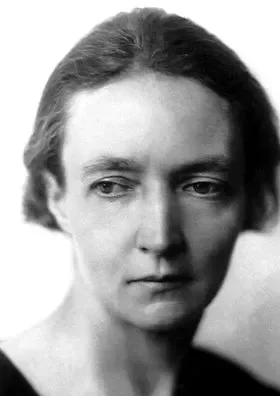
Irène Joliot-Curie
Born12 Sep, 1897
Died17 Mar, 1956
NationalityFrench
Age at time of death58
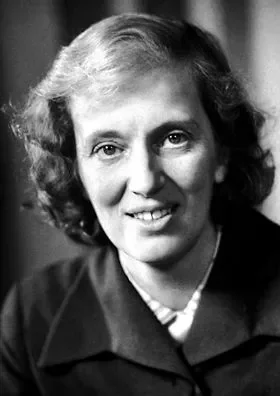
Dorothy Hodgkin
Born12 May, 1910
Died29 Jul, 1994
NationalityBritish
Age at time of death84
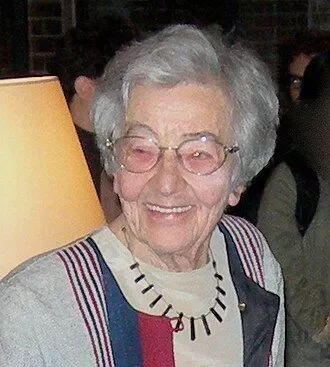
Ursula Franklin
Born16 Sep, 1921
Died22 Jul, 2016
NationalityGerman, Canadian
Age at time of death94

Siou-Ling Tsien de Perlinghi
Born02 Oct, 1912
Died01 Feb, 2008
NationalityChinese, Belgian
Age at time of death95
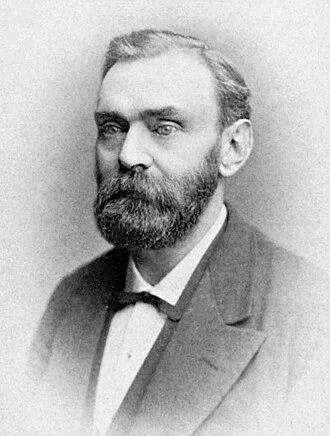
Alfred Nobel
Born21 Oct, 1833
Died10 Dec, 1896
NationalitySwedish
Age at time of death63
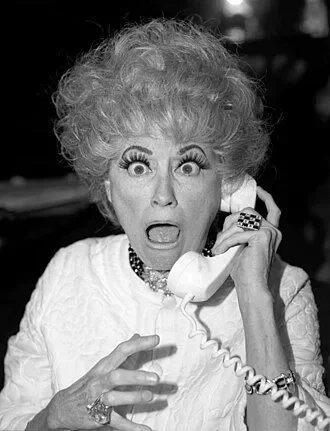
Phyllis Diller
Born17 Jul, 1917
Died20 Aug, 2012
NationalityAmerican
Age at time of death95
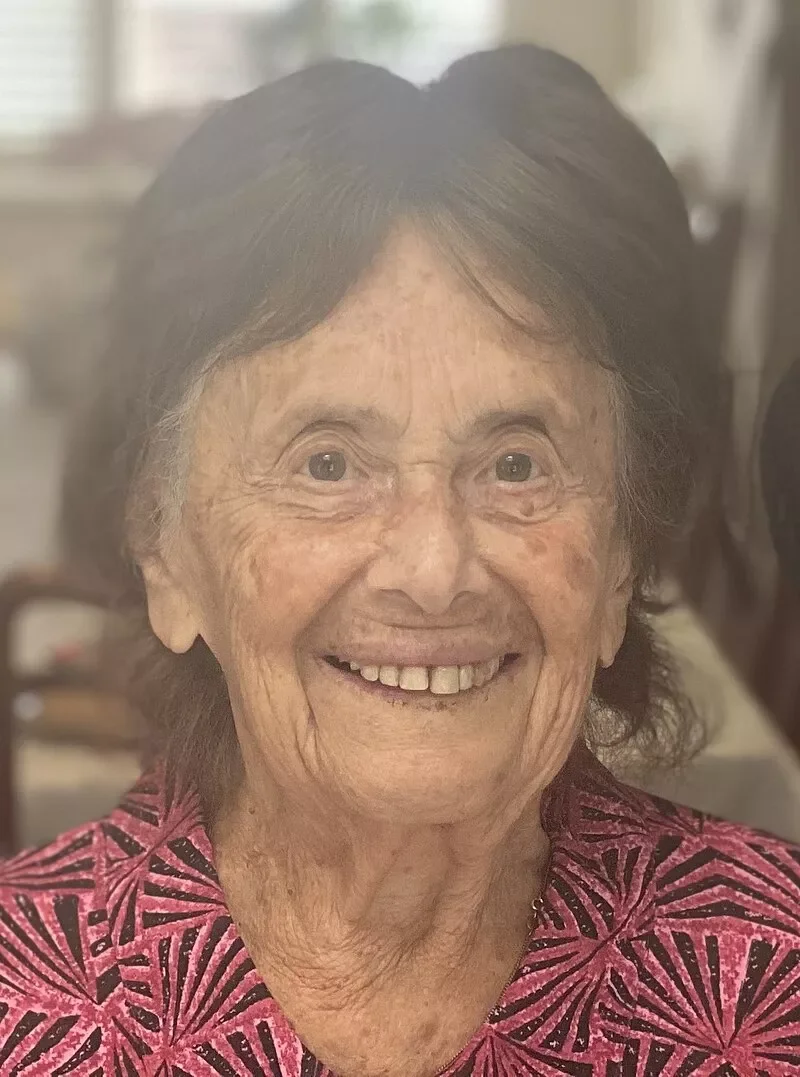
Lily Ebert
Born29 Dec, 1923
Died09 Oct, 2024
NationalityHungarian, British
Age at time of death100
Jonas Cohn
Born01 Dec, 1869
Died28 Jan, 1947
NationalityGerman
Age at time of death77
Richard Feynman
Born11 May, 1918
Died15 Feb, 1988
NationalityAmerican
Age at time of death69
Marie Curie
Born07 Nov, 1867
Died04 Jul, 1934
NationalityPolish, French
Age at time of death66
Marshall Brain
Born17 May, 1961
Died20 Nov, 2024
NationalityAmerican
Age at time of death63
Tina Turner
Born26 Nov, 1939
Died24 May, 2023
NationalityAfrican, American
Age at time of death83
Eric Morecambe
Born14 May, 1926
Died28 May, 1984
NationalityBritish
Age at time of death58
A. W. Tozer
Born21 Apr, 1897
Died12 May, 1963
NationalityAmerican, Canadian
Age at time of death66
P. T. Barnum
Born05 Jul, 1810
Died07 Apr, 1891
NationalityAmerican
Age at time of death80
Stephen Hawking
Born08 Jan, 1942
Died14 Mar, 2018
NationalityEnglish
Age at time of death76
George Fox
Born04 Jul, 1624
Died13 Jan, 1691
NationalityEnglish
Age at time of death66
Katharine Burr Blodgett
Born10 Jan, 1898
Died12 Oct, 1979
NationalityAmerican
Age at time of death81