Real Celebrities Never Die!
OR
Search For Past Celebrities Whose Birthday You Share
Died Age: 68
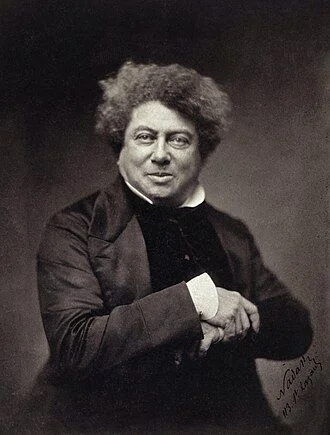
source:wikimedia.org
Alexandre Dumas
Birthday:
24 Jul, 1802
Date of Death:
05 Dec, 1870
Cause of death:
Heart attack
Nationality:
French
Famous As:
Novelist
Age at the time of death:
68
Alexandre Dumas's Quote's

“Happiness is like those palaces in fairy tales whose gates are guarded by dragons: we must fight in order to conquer it”
Alexandre Dumas
🔗 deadcelebrityhub.com
Early Life : A Legacy Forged in History
Alexandre Dumas was a master of adventure, a literary giant whose pen breathed life into unforgettable heroes and thrilling tales. Born on July 24, 1802, in Villers-Cotterêts, France, he was destined for a life as bold and dramatic as the stories he would one day write.
His novels, teeming with duels, daring escapes, and intricate plots, captivated readers across generations. Even today, names like D’Artagnan, Athos, and Edmond Dantès conjure images of sword fights, secret conspiracies, and relentless quests for justice. But behind the sweeping narratives and legendary characters was a man whose own life was as rich in drama as his fiction.
Dumas was born into a family of remarkable distinction. His father, Thomas-Alexandre Dumas, was a man of extraordinary background—the son of a French nobleman and an enslaved Black woman from the French colony of Saint-Domingue (present-day Haiti). Rising to the rank of general in the French army, Thomas-Alexandre was a formidable figure, a hero who fought alongside Napoleon. Yet despite his military prowess, he fell out of favor, and his family was left struggling financially after his early death.
Growing up in modest circumstances, young Alexandre was imbued with the stories of his father’s heroics. Though his family had little wealth, his mother ensured he received a basic education, and he developed a passion for literature early on. Dumas was an eager reader, devouring books and plays, a habit that would later shape his remarkable storytelling abilities.
Career: The Road to Literary Greatness
Dumas moved to Paris in his twenties, determined to carve out a career in writing. He began working as a scribe for the Duke of Orléans, where he honed his craft and gained exposure to the literary and political circles of the city. The stage was his first battleground; his play Henry III and His Court premiered in 1829 and was met with resounding success. The triumph cemented his reputation as a playwright, but Dumas had grander ambitions.
With the rise of serialized fiction in newspapers, he turned his attention to novel writing. He collaborated with Auguste Maquet, who helped outline many of his stories, but it was Dumas’ vivid imagination and unparalleled storytelling that gave them life. In 1844, he published The Three Musketeers, a swashbuckling tale of camaraderie, love, and intrigue. It became an instant sensation. That same year, he began work on The Count of Monte Cristo, the legendary tale of Edmond Dantès, a man wrongfully imprisoned who seeks vengeance with almost supernatural patience and precision. The novel, serialized over two years, became one of the most beloved works in literary history.
Dumas’ success was staggering. His works were devoured by the public, making him one of the most prolific and celebrated authors of his time. His ability to blend history, adventure, and romance was unmatched. Yet, despite his fame and fortune, Dumas’ extravagant lifestyle and generosity often left him in financial trouble.
Personal Life: A Life of Passion and Scandal
Dumas was as much a romantic figure in real life as his characters were on the page. He had numerous affairs and was rumored to have fathered several illegitimate children, including Alexandre Dumas fils, who would go on to become a renowned writer in his own right, best known for The Lady of the Camellias. Though married to actress Ida Ferrier, Dumas was never one to be tied down, much like the roguish heroes he penned.
His financial troubles were as legendary as his novels. Despite earning vast sums from his books and plays, he spent lavishly, building the extravagant Château de Monte-Cristo, which he was eventually forced to sell. His final years were spent in relative obscurity, though his literary output never truly ceased.
An Enduring Legacy
Dumas died on December 5, 1870, but his legacy never faded. His works have been adapted countless times into films, television series, and stage productions, ensuring his place in the pantheon of literary greats. His adventure-filled narratives continue to enthrall readers of all ages, proving that great storytelling transcends time.
In 2002, on the bicentennial of his birth, France bestowed upon him the ultimate honor: his remains were reinterred at the Panthéon in Paris, alongside the nation’s greatest writers and thinkers. As the ceremony took place, the words of then-President Jacques Chirac echoed through the halls: “With you, we were D’Artagnan, Monte Cristo, or Balsamo… with you, we dream.”
Indeed, through his words, Dumas continues to inspire dreamers, adventurers, and lovers of great tales, proving that the pen is, indeed, mightier than the sword.
Profile Snapshot
Name:
Alexandre Dumas
Popular Name:
Alexandre Dumas
Gender:
Male
Cause of Death:
Heart attack
Spouse:
Ida Ferrier
Place of Birth:
Villers-Cotterêts, Picardy, France
Place of Death:
Dieppe, Normandy, France
Occupation / Profession:
Novelist
Playwright
Personality Type
Campaigner: Quiet and mystical, yet very inspiring and tireless idealists. Alexandre Dumas possessed a lot of empathy and warmth and was always a safe person for people to talk to about anything.
Alexandre Dumas's Interesting Facts
Alexandre Dumas did drugs with Victor Hugo
A train station is named after him.
Dumas’ works have been adapted more than 200 times.
His final novel The Knights of Sainte-Hermine was published in English in 2008 as The Last Cavalier
Achievements & Awards
He was a renowned French novelist and playwright.
External Links
Additional Links
https://bookriot.com/alexandre-dumas/https://www.16personalities.com/enfp-personalityhttps://www.biblio.com/alexandre-dumas/author/398https://www.biography.com/authors-writers/alexandre-dumashttps://www.brainyquote.com/authors/alexandre-dumas-quoteshttps://www.britannica.com/biography/Alexandre-Dumas-perehttps://www.imdb.com/name/nm0241416/https://www.newworldencyclopedia.org/entry/Alexandre_Dumas
Latest Profiles
People also viewed
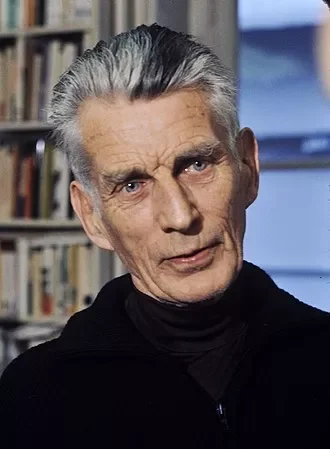
Samuel Beckett
Born13 Apr, 1906
Died22 Dec, 1989
NationalityIrish
Age at time of death83
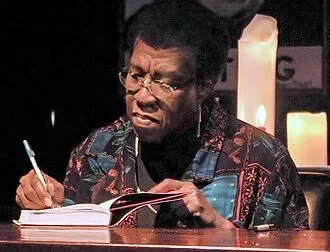
Octavia Butler
Born22 Jun, 1947
Died24 Feb, 2006
NationalityAmerican
Age at time of death58
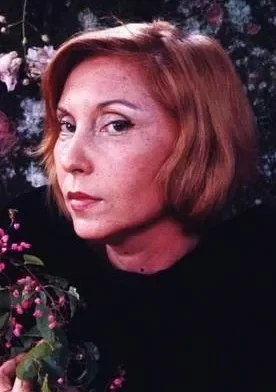
Clarice Lispector
Born10 Dec, 1920
Died09 Dec, 1977
NationalityBrazilian
Age at time of death56
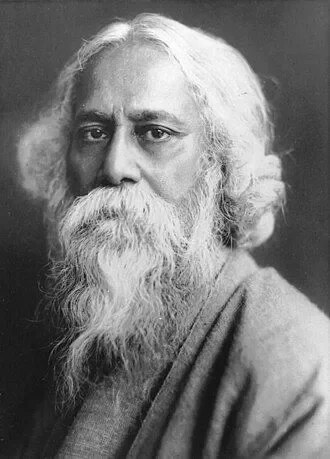
Rabindranath Tagore
Born07 May, 1861
Died08 Aug, 1941
NationalityIndian
Age at time of death80
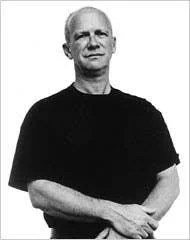
George Trow
Born28 Sep, 1943
Died24 Nov, 2006
NationalityAmerican
Age at time of death63
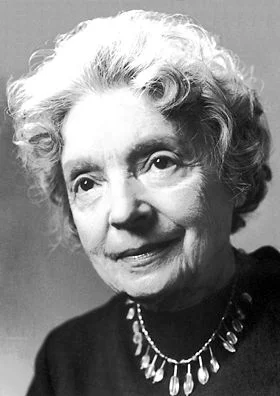
Leonie Nelly Sachs
Born10 Dec, 1891
Died12 May, 1970
NationalityGerman, Swedish
Age at time of death78
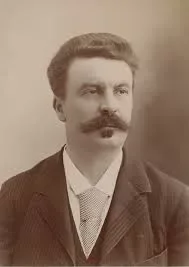
Guy de Maupassant
Born05 Aug, 1850
Died06 Jul, 1893
NationalityFrench
Age at time of death42
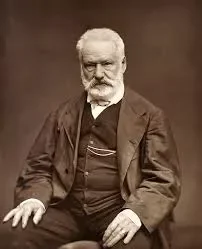
Victor Hugo
Born26 Feb, 1802
Died22 May, 1885
NationalityFrench
Age at time of death83

William Peter Blatty
Born07 Jan, 1928
Died12 Jan, 2017
NationalityAmerican
Age at time of death89
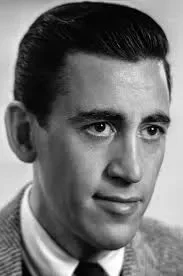
J. D. Salinger
Born01 Jan, 1919
Died27 Jan, 2010
NationalityAmerican
Age at time of death91
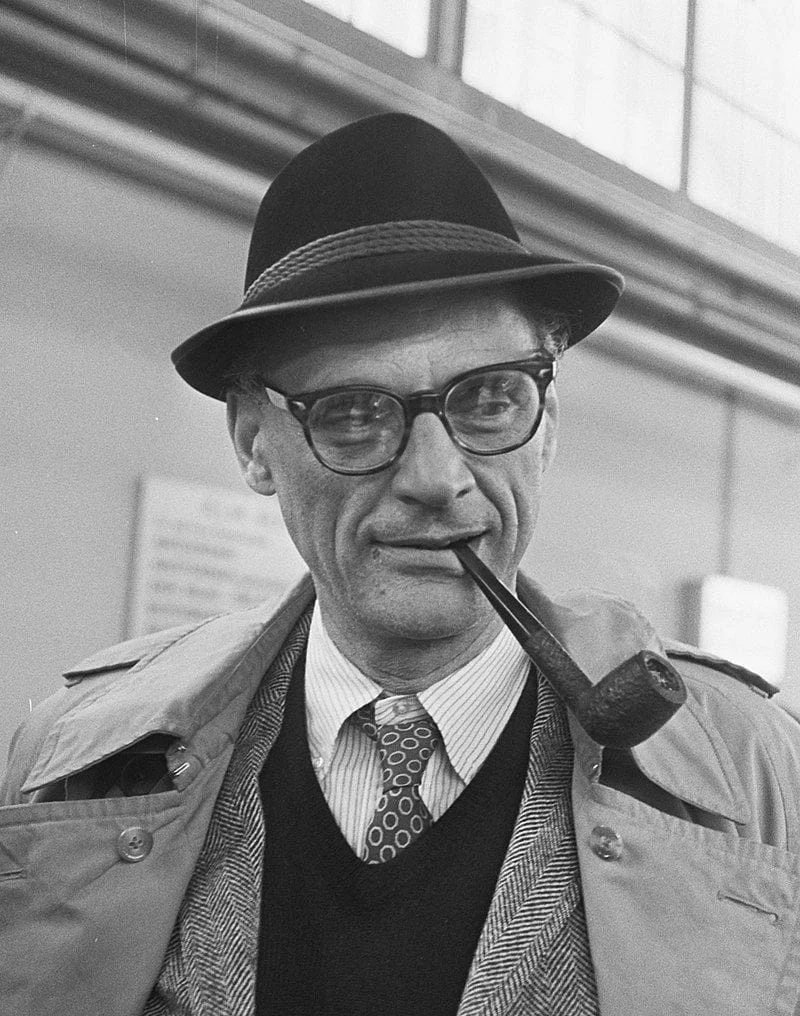
Arthur Miller
Born17 Oct, 1915
Died10 Feb, 2005
NationalityAmerican
Age at time of death89
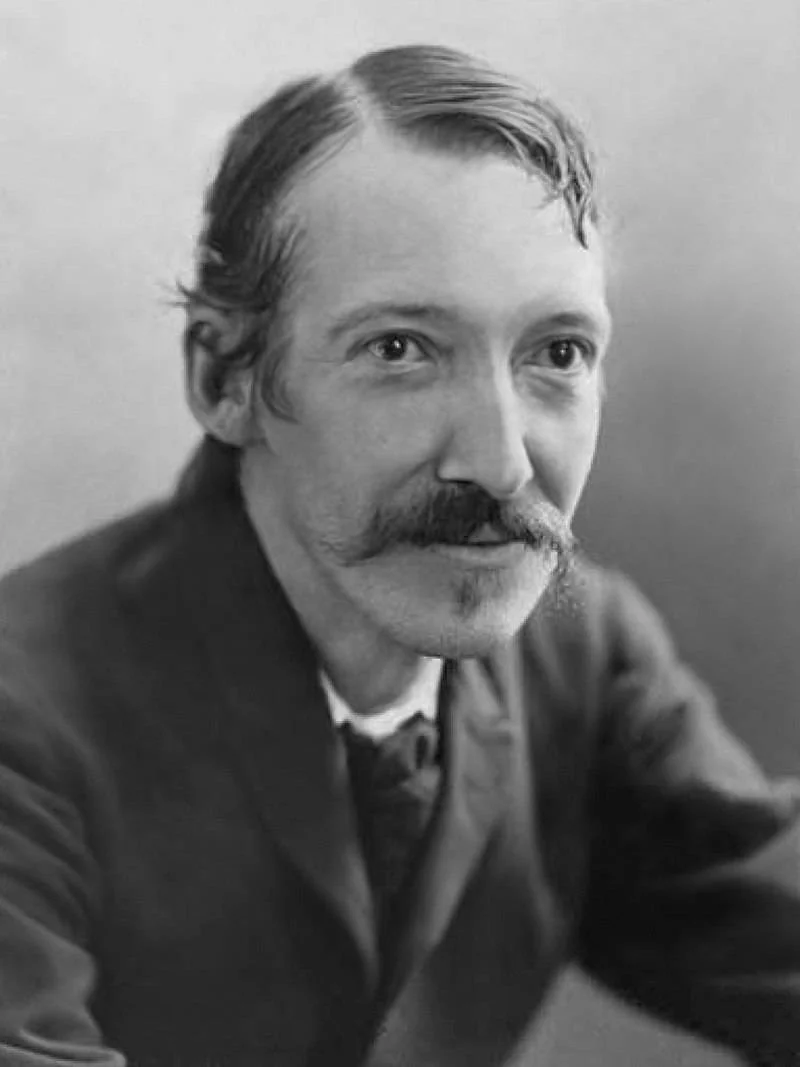
Robert Louis Steveson
Born13 Nov, 1850
Died03 Dec, 1894
NationalityBritish, Scotland
Age at time of death44
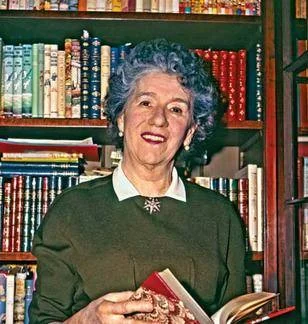
Enid Blyton
Born11 Aug, 1897
Died28 Nov, 1968
NationalityBritish
Age at time of death71
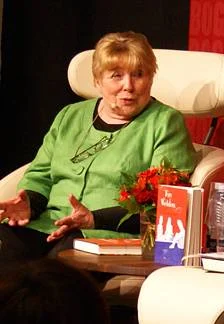
Fay Weldon
Born22 Sep, 1931
Died04 Jan, 2023
NationalityBritish
Age at time of death91
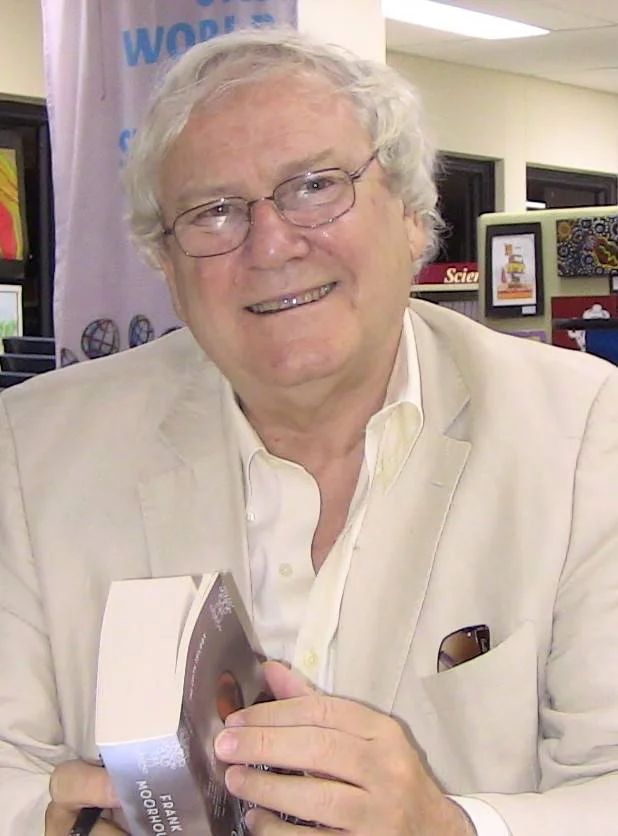
Frank Moorhouse
Born21 Dec, 1938
Died26 Jun, 2022
NationalityAustralian
Age at time of death83
Zoe Akins
Born30 Oct, 1886
Died29 Oct, 1958
NationalityAmerican
Age at time of death71
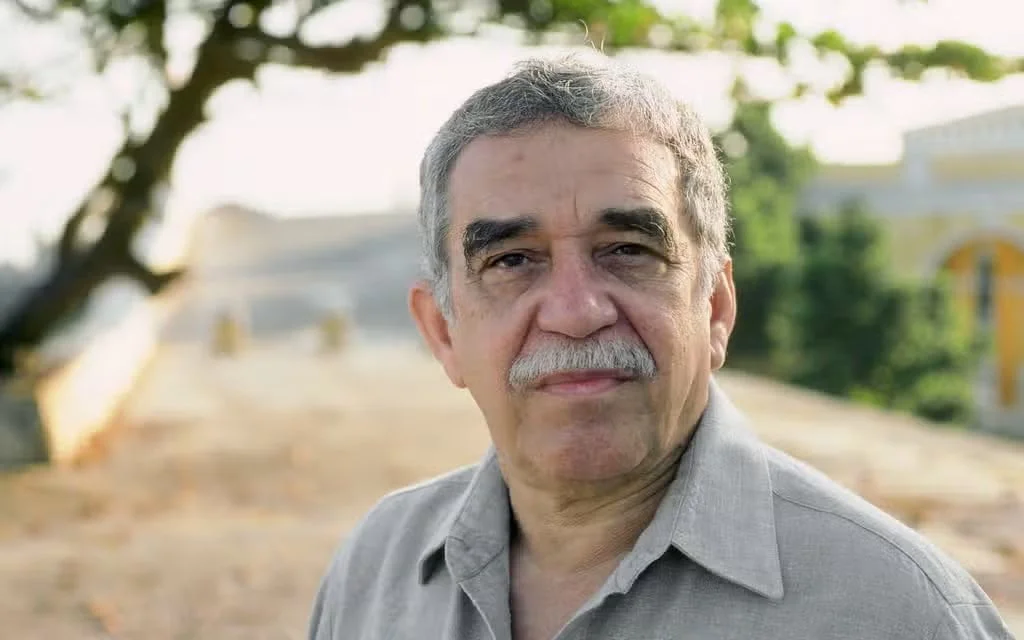
Gabriel Márquez
Born06 Mar, 1927
Died17 Apr, 2014
NationalityColombian, Mexican
Age at time of death87
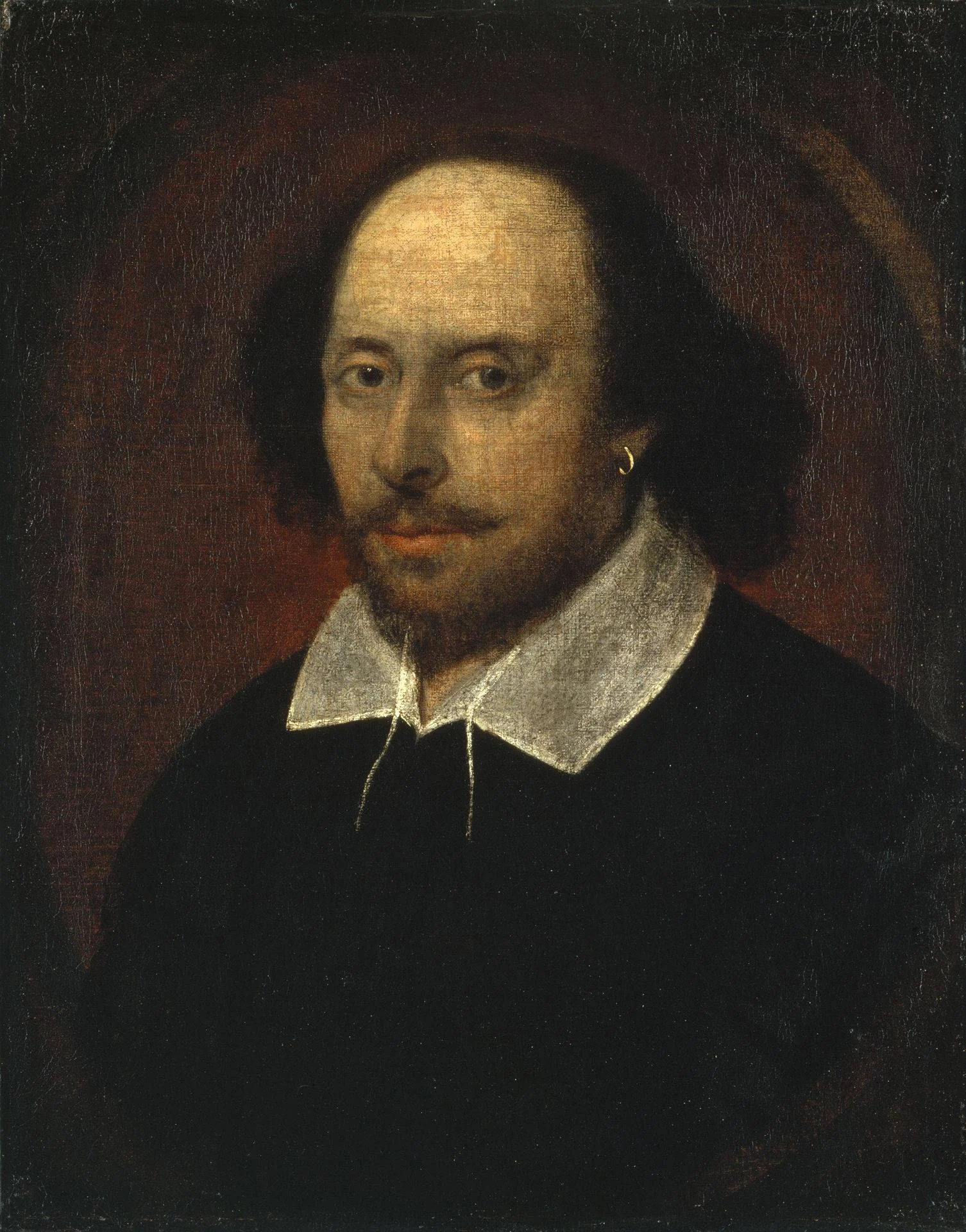
William Shakespeare
Born23 Apr, 1564
Died23 Apr, 1616
NationalityBritish
Age at time of death52
Muriel Spark
Born01 Feb, 1918
Died13 Apr, 2006
NationalityBritish, Scottish
Age at time of death88