Real Celebrities Never Die!
OR
Search For Past Celebrities Whose Birthday You Share
Died Age: 67
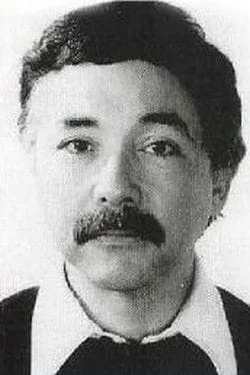
source:findagrave.com
Bert Achong
Birthday:
06 Dec, 1928
Date of Death:
20 Nov, 1996
Cause of death:
Cancer
Nationality:
Trinidadian, British
Famous As:
Pathologist
Age at the time of death:
67
Bert Achong's Quote's

“In the microscopic world, we find the clues to the mysteries of disease”
Bert Achong
🔗 deadcelebrityhub.com
Early Life and Education
Bert Geoffrey Achong was born on December 6, 1928, in Port of Spain, Trinidad and Tobago. Achong grew up in a culturally diverse surroundings that could later affect his worldwide perspective in the medical network. At a young age, Bert Achong displayed exceptional academic potential, excelling in his studies and developing a keen interest in technology.
In 1946, at the age of 18, Achong’s academic brilliance became noticed whilst he came top in the island’s scholarship examinations. This great success earned him the celebrated Jerningham Gold Medal and the Colonial Scholarship, offering him the possibility to pursue higher schooling in Europe.
Medical Training and Early Career
Achong’s journey in medicine begun at St Mary’s College at Dublin University College in Ireland. In 1953, at the age of 25, he completed his clinical research, laying the foundation for his future career in pathology. Following his graduation, Achong moved to London in 1955, where he secured a position in Clinical Pathology at Lambeth Hospital. This role allowed him to expand his understanding of pathology and microscopy skills that might prove important to his later discoveries.
The Breakthrough Discovery
In 1963, Achong’s career took a turn when he joined Sir Michael Anthony Epstein’s research team at the Bland Sutton Institute at Middlesex Hospital. This series of developments resulted in his involvement in a major virology discovery.
In 1964, Bert Achong played an important role in the discovery of the Epstein-Barr virus. The research team, with Epstein, Yvonne Barr, and Achong, examined Burkitt’s lymphoma cells sent from Uganda. Achong’s knowledge in electron microscopy was instrumental in identifying the virus in the cultured cells.
The Epstein-Barr virus was renamed human herpesvirus 4 after this groundbreaking discovery, marking it as the first human tumor virus identified. It has been established that the virus is the main culprit behind infectious mononucleosis and has connections to several cancer types and neurological conditions.
Later Career and Contributions
In 1968, Achong followed Epstein to the University of Bristol, joining the Department of Pathology. At Bristol, he become a senior lecturer in mobile pathology, contributing substantially to the schooling of future pathologists. Throughout his career, he continued to make valuable contributions to the field of virology.
Personal Life and Interests
Even with his work responsibilities, Bert Achong kept a residence in London to enjoy his passion for art, theater, literature, and opera. Balancing his scientific studies and cultural activities illustrated him as a person with a varied life that extended beyond his work in the lab.
Legacy and Death
Bert Geoffrey Achong passed away on November 28, 1996, in Hampstead, Middlesex, England, just before of his 68th birthday. His contributions to the field of virology and pathology have had a long-lasting impact. The discovery of the Epstein-Barr virus opened new avenues in most cancers research and our information on viral oncology.
Today, researchers continue to build on Achong’s work. They are tryingto develop an Epstein-Barr virus vaccine that could potentially prevent thousands of cancer cases annually. Achong’s legacy continues through the impact on lives affected by Epstein-Barr virus-related diseases.
Profile Snapshot
Name:
Bert Achong
Popular Name:
Bert Achong
Gender:
Male
Cause of Death:
Cancer
Spouse:
Not available
Place of Birth:
Port of Spain, Trinidad and Tobago
Place of Death:
United Kingdom
Occupation / Profession:
Pathologist
Research
Scientist
Virologist
Personality Type
Architect: Imaginative and strategic thinkers, with a plan for everything. Known for his focus on research, innovation, and analytical skills, Achong’s had a vision for scientific discovery and structured approach to complex problems in pathology.
Bert Achong's Interesting Facts
Achong’s work was central to proving viruses could be linked to cancer
He used electron microscopy extensively, a cutting-edge tool at the time
His contributions helped establish the field of tumor virology
The Epstein–Barr virus was named in part after his colleague, Yvonne Barr
Achievements & Awards
Co-discovered the Epstein–Barr virus (EBV) in 1964, the first human virus linked to cancer
Contributed significantly to cancer research and viral pathology Recognized in virology and pathology for advancements in electron microscopy
Published extensively on virology, especially using electron microscopy
External Links
Latest Profiles
People also viewed
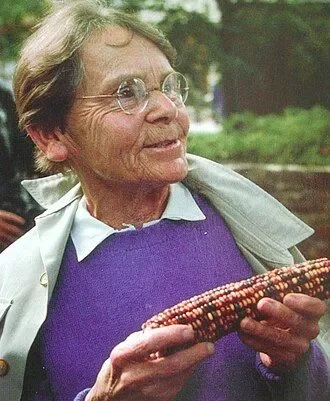
Barbara McClintock
Born16 Jun, 1902
Died02 Sep, 1992
NationalityAmerican
Age at time of death90
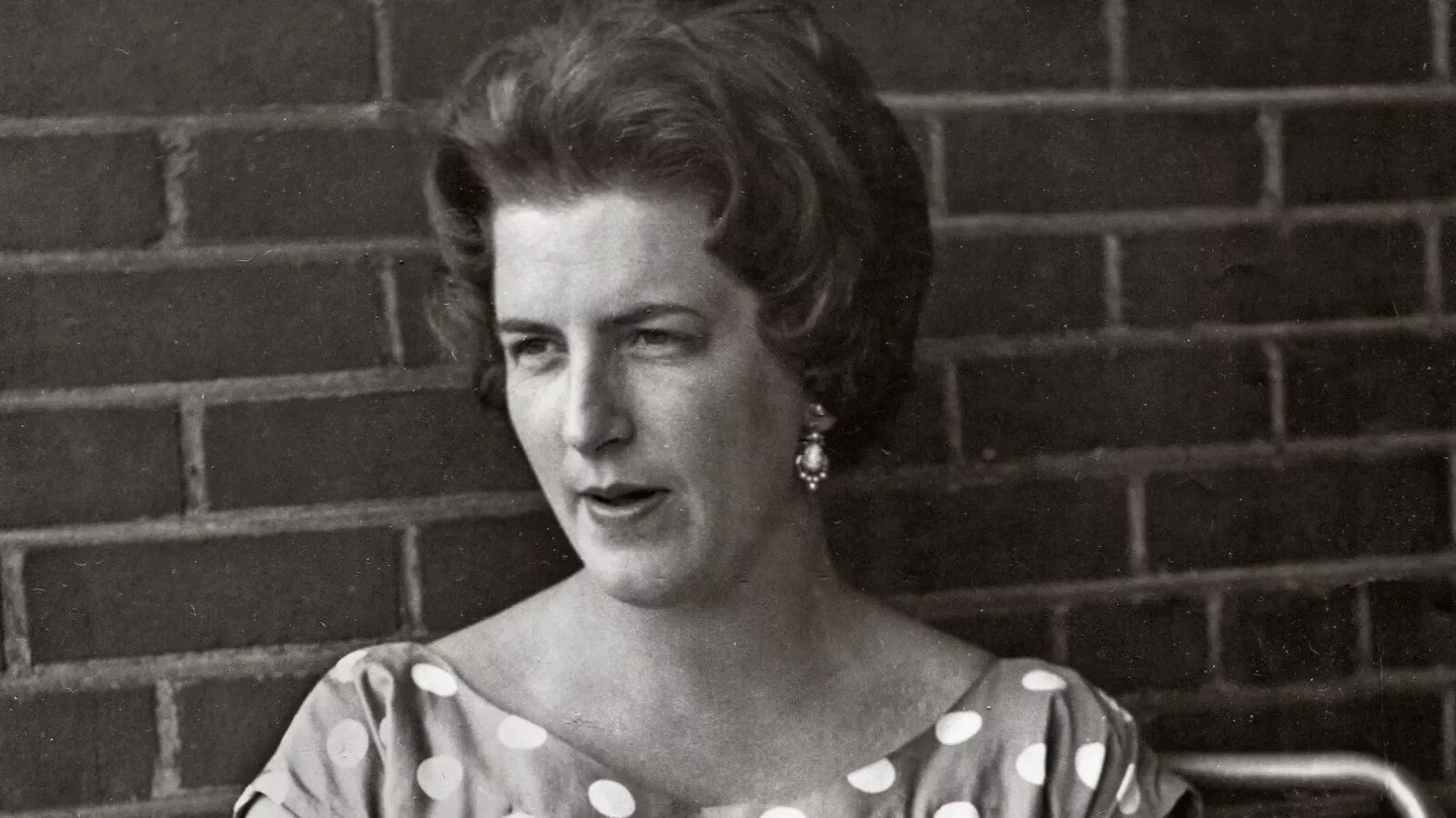
Yvonne Barr
Born11 Mar, 1932
Died13 Feb, 2016
NationalityIrish
Age at time of death83

Siou-Ling Tsien de Perlinghi
Born02 Oct, 1912
Died01 Feb, 2008
NationalityChinese, Belgian
Age at time of death95
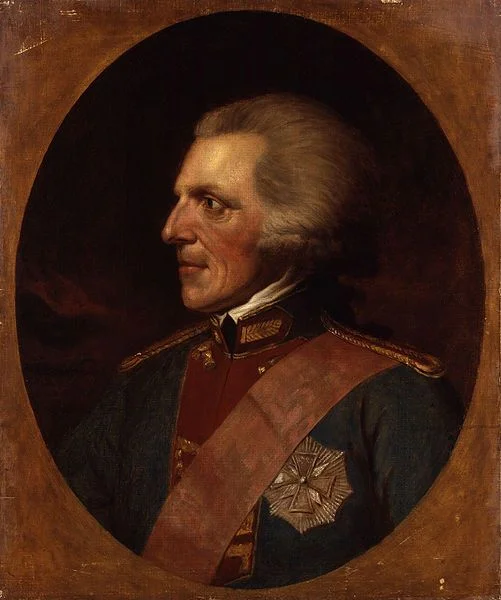
Colonel Sir Benjamin Thompson, Count Rumford
Born26 Mar, 1753
Died21 Aug, 1814
NationalityAmerican, British
Age at time of death61
Leonardo da Vinci
Born15 Apr, 1452
Died02 May, 1519
NationalityItalian
Age at time of death67
Louis Pasteur
Born27 Dec, 1822
Died28 Sep, 1895
NationalityFrench
Age at time of death72
Gregor Mendel
Born20 Jul, 1822
Died06 Jan, 1884
NationalityAustrian
Age at time of death61
Michael Faraday
Born22 Sep, 1791
Died25 Aug, 1867
NationalityBritish
Age at time of death75
Max Planck
Born23 Apr, 1858
Died04 Oct, 1947
NationalityGerman
Age at time of death89
James Hillier
Born22 Aug, 1915
Died15 Jan, 2007
NationalityCanadian, American
Age at time of death91
Eunice Newton
Born17 Jul, 1819
Died30 Sep, 1888
NationalityAmerican
Age at time of death69
Howard Engstrom
Born23 Apr, 1902
Died08 Mar, 1962
NationalityAmerican
Age at time of death59
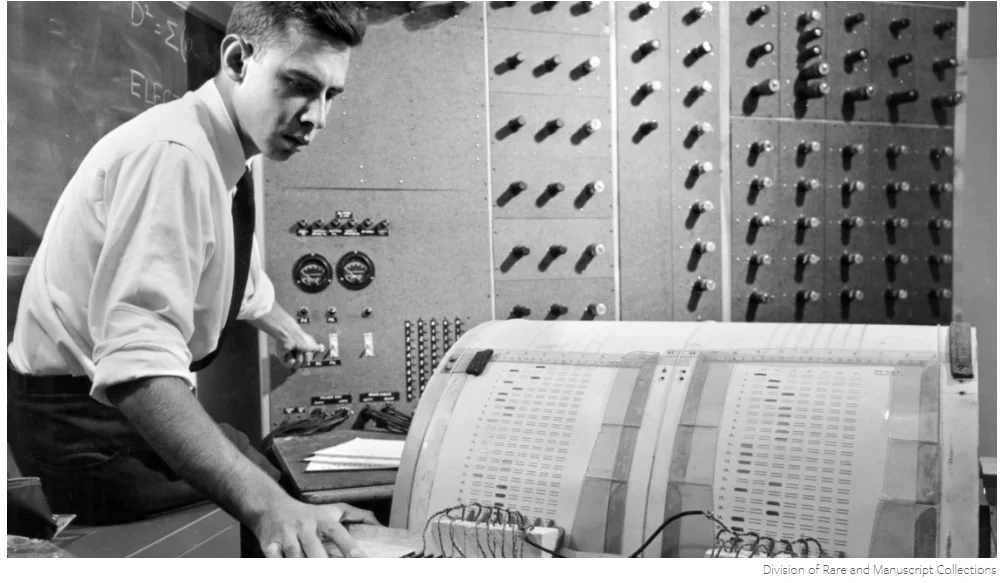
Frank Rosenblatt
Born11 Jul, 1928
Died11 Jul, 1971
NationalityAmerican
Age at time of death43
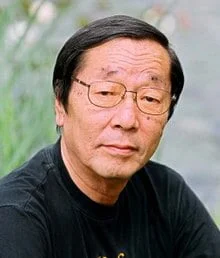
Masaru Emoto
Born22 Jul, 1943
Died17 Oct, 2014
NationalityJapanese
Age at time of death71
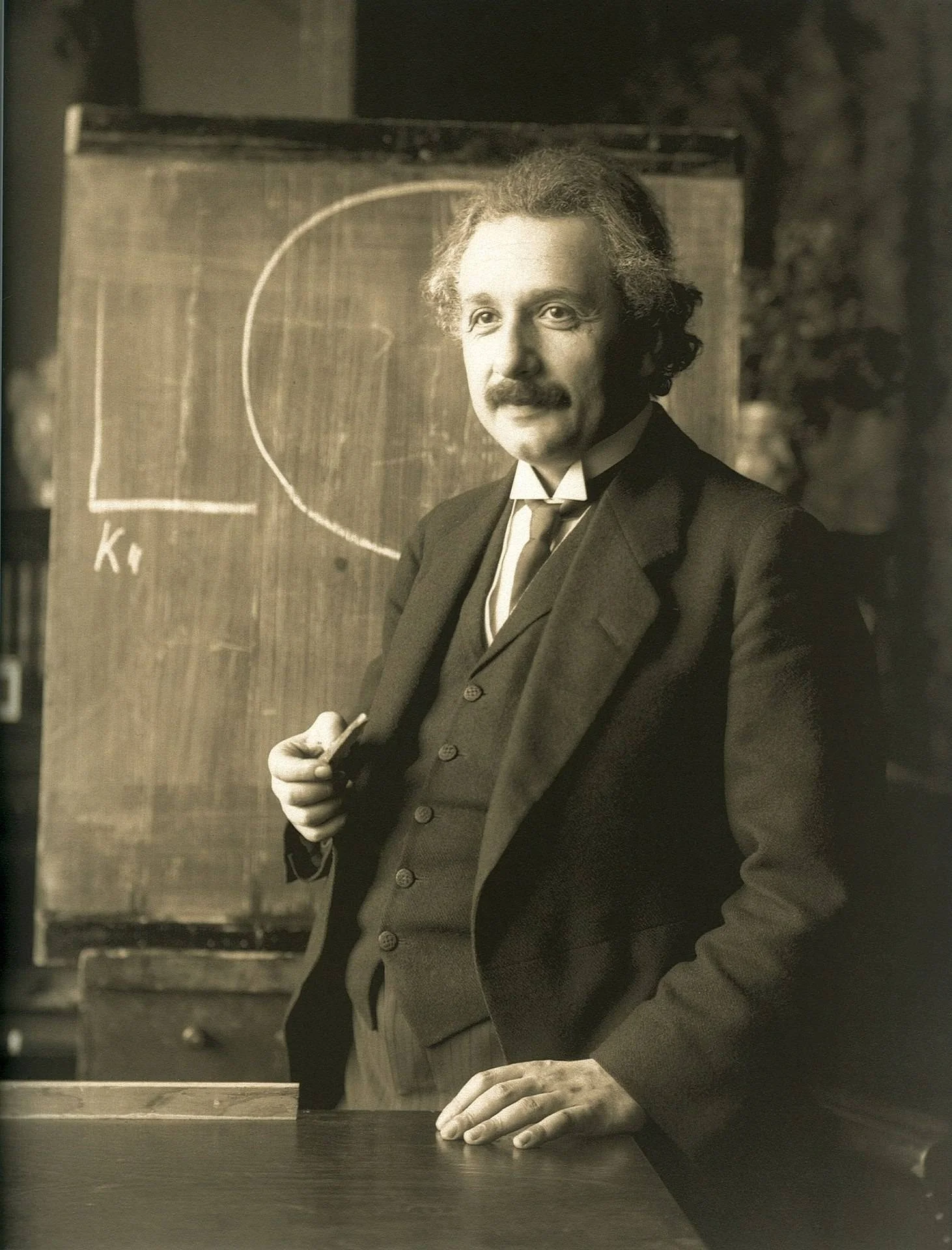
Albert Einstein
Born14 Mar, 1879
Died18 Apr, 1955
NationalityAmerican, Hungarian, Swiss, Prussian, Weimar
Age at time of death76
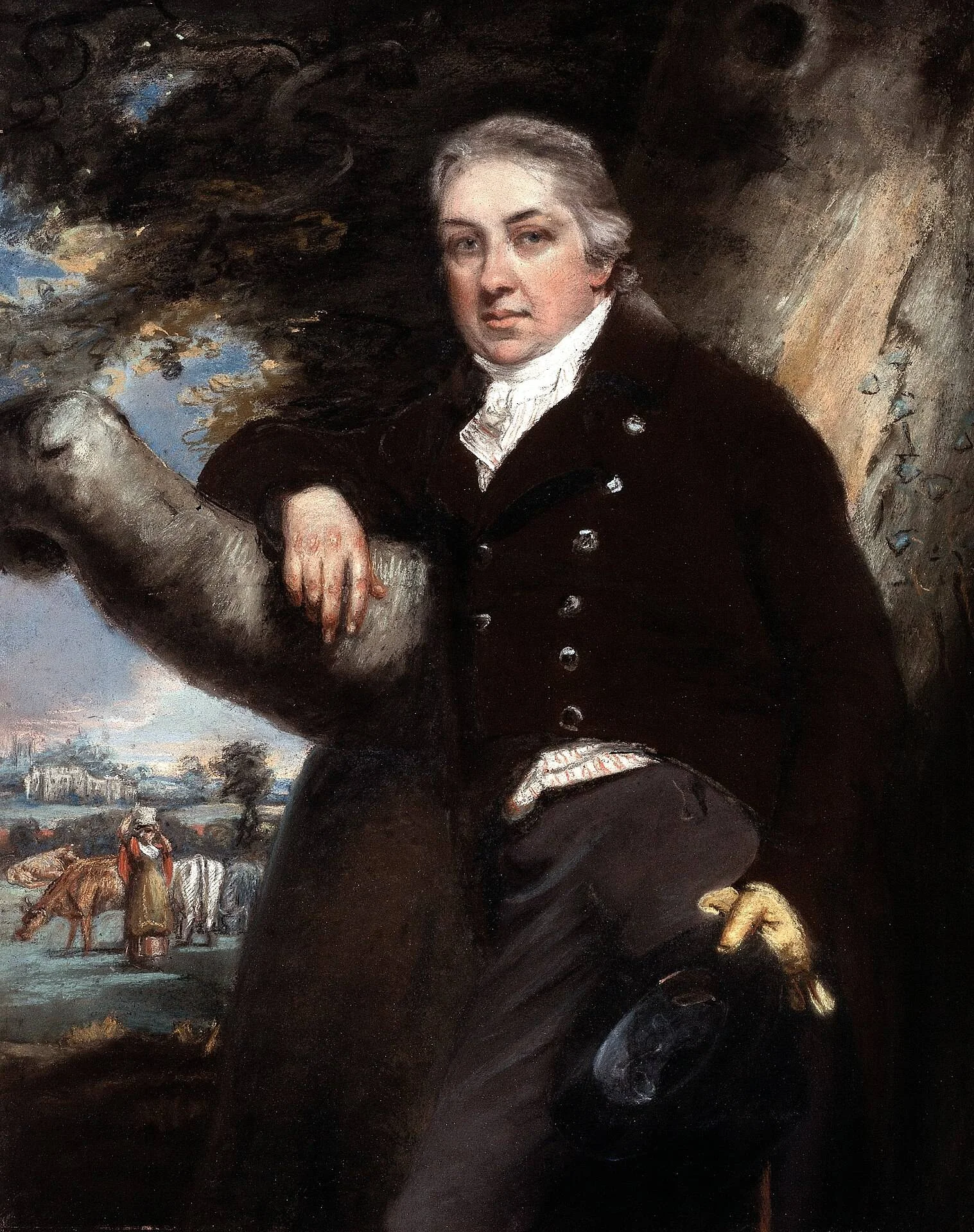
Edward Jenner
Born17 May, 1749
Died26 Jan, 1823
NationalityBritish
Age at time of death73
James Lovelock
Born26 Jul, 1919
Died26 Jul, 2022
NationalityBritish
Age at time of death103
Fridtjof Nansen
Born10 Oct, 1861
Died13 May, 1930
NationalityNorwegian
Age at time of death68
James Braid
Born19 Jun, 1795
Died25 Mar, 1860
NationalityBritish
Age at time of death64