Real Celebrities Never Die!
OR
Search For Past Celebrities Whose Birthday You Share
Died Age: 69
source:wikimedia.org
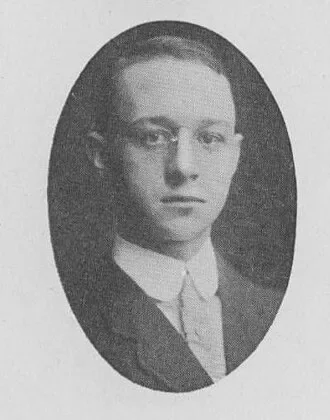
Clarence Birdseye
Birthday:
09 Dec, 1886
Date of Death:
07 Oct, 1956
Cause of death:
Heart attack
Nationality:
American
Famous As:
Entrepreneur
Age at the time of death:
69
Clarence Birdseye's Quote's

“Revolution comes from solving everyday problems”
Clarence Birdseye
🔗 deadcelebrityhub.com
Clarence Birdseye: The Father of Modern Frozen Food
Clarence Birdseye (1886–1956) was an American inventor, entrepreneur, and the pioneer of modern frozen food. His innovative freezing techniques revolutionized food preservation, transforming the way food was stored, distributed, and consumed worldwide.
Early Life and Education
Birdseye was born on December 9, 1886, in Brooklyn, New York, as the sixth of nine children. Fascinated by nature from a young age, he developed a keen interest in science and wildlife. He attended Amherst College, where he intended to study biology, but finances led him to leave after two years. This short period initiated many careers for Birdseye—from taxidermist to field naturalist for the U.S. government.
Discovering the Power of Quick Freezing
His life was to take an important turn in 1912, when he joined an expedition that went on a fur-trading trip to Labrador, Canada. Here, he dwelled among the Inuit people and observed how they quickly preserved fish at very low temperatures in the Arctic. He noticed that the quick freezing resulted in better preservation of the texture and flavour of fish than slower methods of freezing. This experience sparked a lifelong passion for freezing technology for Birdseye.
Developing Freezing Technology
Birdseye returned to the States in 1917 and began testing freezing technology. He developed techniques by which food could be frozen promptly at extremely low temperatures without losing its quality and nutritional value. In 1923, he established the Birdseye Seafoods Company and later created the process known as “quick-freezing,” where food was frozen between two chilled metal plates. The innovation came just in time for the food industry. Frozen foods remained fresh and tasted better for longer periods.
The Birth of the Frozen Food Industry
In 1929, Birdseye sold his company and patents to the Postum Cereal Company, which eventually became General Foods, for $22 million—a great fortune for those days. That deal made frozen food a popular product in the United States, and the Birds Eye brand was born from it. With Birdseye’s inventions came the beginning of the frozen food industry, allowing consumers to enjoy many varieties of food all the time.
Legacy and Contributions
Birdseye was an inventor, with more than 300 patents, not only for freezing techniques but also for other kinds, such as a harpoon gun for whaling and a heat lamp for incubators. It made him quite humble, since he was promoted more and more by the desire to solve practical problems rather than by making money or gains.
A Lasting Impact
Clarence Birdseye died on October 7, 1956, in New York City, at age 69. In the modern sense, there have never been more changes in the food preservation system, which have revolutionized world food systems, made food easier to access, and reduced waste. Today, he is remembered as the father of the modern frozen food industry, a visionary who continues to impact daily life. His legacy continues in each frozen food aisle and testifies to his achievements in science and innovation.
Profile Snapshot
Name:
Clarence Birdseye
Popular Name:
Clarence Birdseye
Gender:
Male
Cause of Death:
Heart attack
Spouse:
Eleanor Garrett Birdseye
Place of Birth:
Brooklyn, New York, United States
Place of Death:
New York City, New York, United States
Occupation / Profession:
Entrepreneur
Inventor
Naturalist
Personality Type
Clarence Birdseye's Interesting Facts
Architect: Imaginative and strategic thinkers, with a plan for everything. Visionary, innovative, and strategic, traits that align with Birdseye’s ability to revolutionize the food industry with his creative solutions.
Birdseye was a prolific inventor, not just in freezing technology but also for diverse creations, including a harpoon gun and infrared heat lamps for warming incubators.
He created the “quick-freezing” method, using chilled metal plates to freeze food rapidly. This was a major breakthrough that allowed food to maintain its freshness, flavor, and nutritional value.
In 1929, Birdseye sold his company and freezing patents to what became General Foods for $22 million, an enormous sum at the time, helping to establish the frozen food industry.
The Birds Eye brand, established to market frozen foods, continues to be a global leader in the industry, cementing his legacy as the father of frozen food.
Achievements & Awards
Founded General Seafood Corporation in 1924
Inducted into the National Inventors Hall of Fame
Pioneered the quick-freezing process for food preservation
Sold his frozen food patents to Goldman Sachs and Postum Company, forming the foundation for Birds Eye Frozen Foods
External Links
Latest Profiles
People also viewed
Otto Frederick Rohwedder
Born28 Jul, 1880
Died08 Nov, 1960
NationalityAmerican
Age at time of death80
Rune Elmqvist
Born01 Dec, 1906
Died15 Dec, 1996
NationalitySwedish
Age at time of death90
Guglielmo Marconi
Born25 Apr, 1874
Died20 Jul, 1937
NationalityItalian
Age at time of death63
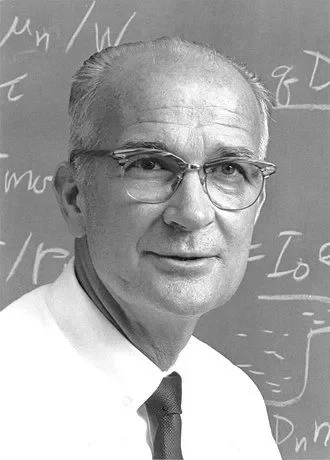
William Shockley
Born13 Feb, 1910
Died12 Aug, 1989
NationalityAmerican
Age at time of death79
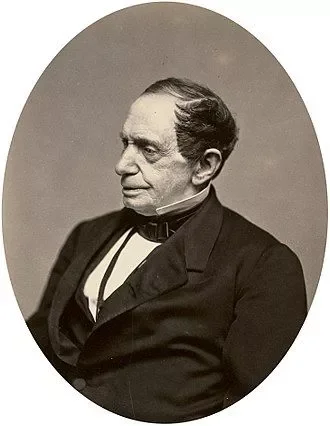
Johns Hopkins
Born19 May, 1795
Died24 Dec, 1873
NationalityAmerican
Age at time of death78
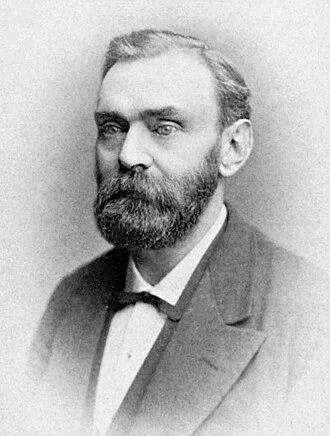
Alfred Nobel
Born21 Oct, 1833
Died10 Dec, 1896
NationalitySwedish
Age at time of death63
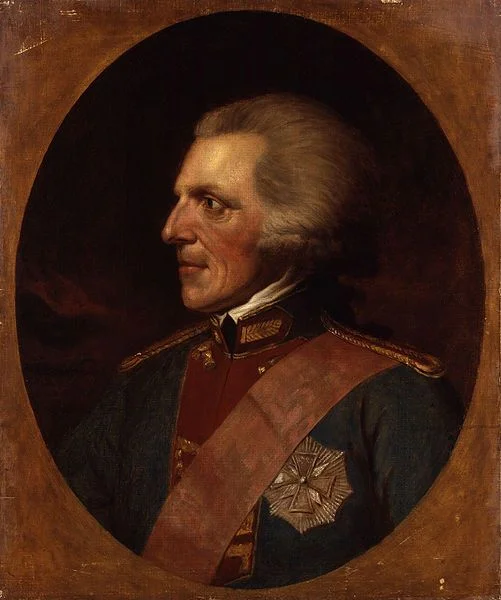
Colonel Sir Benjamin Thompson, Count Rumford
Born26 Mar, 1753
Died21 Aug, 1814
NationalityAmerican, British
Age at time of death61
Thomas Newcomen
Born28 Feb, 1664
Died05 Aug, 1729
NationalityEnglish
Age at time of death65

Gary Kildall
Born19 May, 1942
Died11 Jul, 1994
NationalityAmerican
Age at time of death52
Joseph Pilates
Born09 Dec, 1883
Died09 Oct, 1967
NationalityGerman
Age at time of death83
P. T. Barnum
Born05 Jul, 1810
Died07 Apr, 1891
NationalityAmerican
Age at time of death80
Mark Twain
Born30 Nov, 1835
Died21 Apr, 1910
NationalityAmerican
Age at time of death74
Nils Bohlin
Born17 Jul, 1920
Died26 Sep, 2002
NationalitySwedish
Age at time of death82
Robert Fulton
Born14 Nov, 1765
Died24 Feb, 1815
NationalityAmerican
Age at time of death49
Eazy-E
Born07 Sep, 1964
Died26 Mar, 1995
NationalityAmerican
Age at time of death30
George Dayton
Born06 Mar, 1857
Died18 Feb, 1938
NationalityAmerican
Age at time of death80
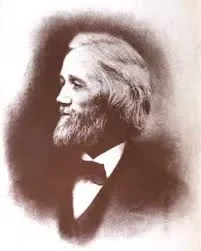
Christopher Latham Sholes
Born14 Feb, 1819
Died17 Feb, 1890
NationalityAmerican
Age at time of death71

Paul Allen
Born21 Jan, 1953
Died15 Oct, 2018
NationalityAmerican
Age at time of death65
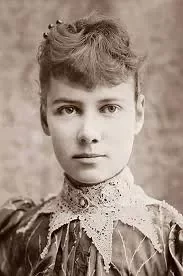
Nellie Bly
Born05 May, 1864
Died27 Jan, 1922
NationalityAmerican
Age at time of death57