Real Celebrities Never Die!
OR
Search For Past Celebrities Whose Birthday You Share
Died Age: 44
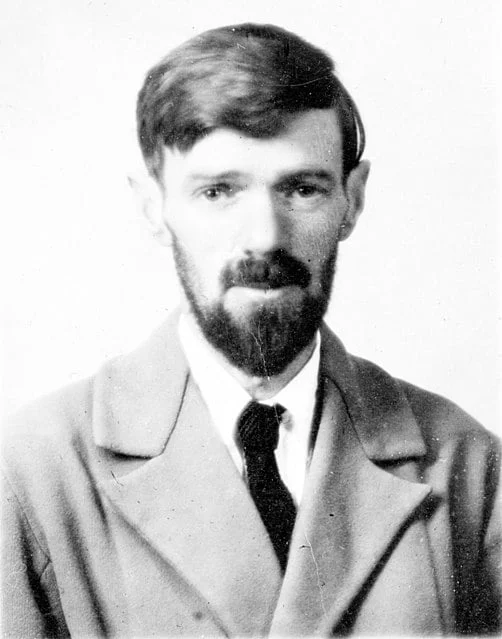
source:wikipedia.org
D.H.Lawrence
Birthday:
11 Sep, 1885
Date of Death:
02 Mar, 1930
Cause of death:
Tuberculosis
Nationality:
British
Famous As:
Writer
Age at the time of death:
44
D. H. Lawrence's Quote's

“I want to live my life so that my nights are not full of regrets.”
D. H. Lawrence
🔗 deadcelebrityhub.com
Early Life and Influences
D. H. Lawrence, born David Herbert Lawrence on September 11, 1885, in Eastwood, Nottinghamshire, England, was a groundbreaking novelist, poet, essayist, and painter. Growing up in a mining town, he witnessed the harsh realities of industrialization, which became a central theme in his works. His father worked in the coal mines, and his mother, a former schoolteacher, instilled in him a love for education. This mix of working-class life and intellectual ambition shaped Lawrence’s perspective on class dynamics and social structures.
Academic Achievements and Early Career
Despite financial struggles, Lawrence excelled academically. He earned a scholarship to Nottingham High School and later attended Nottingham University College to study teaching. These experiences deepened his understanding of the human condition and influenced his early writings. After graduating, he worked as a teacher, but his health suffered due to the physical demands of the job. In 1911, he left teaching to focus entirely on his writing career, publishing his first novel, The White Peacock.
Breakthrough with “Sons and Lovers”
Lawrence’s literary breakthrough came in 1913 with the publication of Sons and Lovers. This semi-autobiographical novel examined his complicated relationship with his mother and showcased his innovative narrative style and deep psychological insights. The novel was well received, establishing him as a major literary talent. His subsequent works, such as The Rainbow (1915) and Women in Love (1920), further solidified his reputation as a bold and experimental writer.
Controversy and Censorship
While Lawrence’s writing gained critical acclaim, it also attracted controversy. His candid exploration of sexuality and his critique of societal norms often led to public outrage and censorship. His most controversial work, Lady Chatterley’s Lover (1928), faced legal challenges because of its explicit content. These controversies strained his relationships with publishers and the public, yet he remained steadfast in his commitment to artistic freedom.
Influence of Travel on His Writing
Lawrence’s extensive travels shaped much of his later work. He and his wife, Frieda Weekley, whom he married in 1914, lived in various countries, including Italy, Australia, and the United States. These diverse experiences influenced his writing, providing fresh perspectives and thematic richness. Works like Sea and Sardinia (1921) and Kangaroo (1923) were inspired by his time abroad, reflecting the landscapes and cultures he encountered.
Marriage and Personal Life
Lawrence’s marriage to Frieda Weekley, a German woman, was marked by both passion and conflict. Their unconventional relationship, including their frequent relocations, mirrored Lawrence’s rebellion against societal norms. Frieda was an important influence on Lawrence’s life and work, and their tumultuous relationship often found expression in his writing, particularly in the emotional depth of his characters.
Final Years and Legacy
In his later years, Lawrence battled tuberculosis, which gradually weakened him. Despite his declining health, he continued to write, producing works like The Man Who Died (1929) and the infamous Lady Chatterley’s Lover. Lawrence succumbed to tuberculosis on March 2, 1930, in Vence, France, at the age of 44.
Enduring Impact on Literature
D. H. Lawrence’s contributions to literature extended beyond his novels. His exploration of human relationships, sexuality, and the impact of industrialization challenged conventional norms and pushed literary boundaries. His work remains relevant and continues to be studied, celebrated, and debated by scholars and readers alike. Lawrence’s legacy endures as one of literature’s most daring and influential figures, ensuring his place in literary history.
Profile Snapshot
Name:
D. H. Lawrence
Popular Name:
D.H.Lawrence
Gender:
Male
Cause of Death:
Tuberculosis
Spouse:
Frieda Weekley
Place of Birth:
Eastwood, Nottinghamshire, England
Place of Death:
Vence, Alpes-Maritimes, France
Occupation / Profession:
Writer
Personality Type
Advocate: He was frank and critiqued social norms that was made evident in his writings
D. H. Lawrence's Interesting Facts
During World War I, Lawrence’s poor health exempted him from military service. This exemption allowed him to continue writing during a time when many of his contemporaries were involved in the war effort.
Frieda Weekley, Lawrence’s wife, was related to the famous World War I flying ace, Baron Manfred von Richthofen, also known as the “Red Baron.” Frieda’s connection to this notable figure added an intriguing dimension to Lawrence’s personal life.
Lawrence led a nomadic life, traveling extensively throughout Europe, Australia, the United States, and Mexico. His travels influenced his writing, providing diverse cultural and geographical perspectives.
Achievements & Awards
Lawrence championed the cause of individual freedom, expressing a disdain for societal constraints.
Lawrence had a profound connection with nature, and it played a significant role in his works. His descriptions of natural settings are vivid and symbolic, contributing to the overall thematic richness of his writing.
External Links
Additional Links
https://poets.org/poet/d-h-lawrencehttps://www.britannica.com/biography/D-H-Lawrencehttps://www.goodreads.com/author/show/17623.D_H_Lawrencehttps://www.nottingham.ac.uk/manuscriptsandspecialcollections/collectionsindepth/lawrence/biography.aspxhttps://www.oxfordreference.com/display/10.1093/acref/9780191866692.001.0001/q-oro-ed6-00006540https://www.poetryfoundation.org/poets/d-h-lawrence
Latest Profiles
People also viewed
July 11, 1899
Born11 Jul, 1899
Died01 Oct, 1985
NationalityAmerican
Age at time of death86
Dale Carnegie
Born24 Nov, 1888
Died01 Nov, 1955
NationalityAmerican
Age at time of death66
Zora Neale Hurston
Born07 Jan, 1891
Died28 Jan, 1960
NationalityAmerican
Age at time of death69
Rabindranath Tagore
Born07 May, 1861
Died08 Aug, 1941
NationalityIndian
Age at time of death80
Cicely Saunders
Born22 Jun, 1918
Died14 Jul, 2005
NationalityEnglish
Age at time of death87
Joseph Pilates
Born09 Dec, 1883
Died09 Oct, 1967
NationalityGerman
Age at time of death83
Mark Twain
Born30 Nov, 1835
Died21 Apr, 1910
NationalityAmerican
Age at time of death74
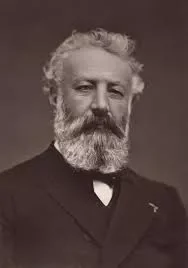
Jules Verne
Born08 Feb, 1828
Died24 Mar, 1905
NationalityFrench
Age at time of death77
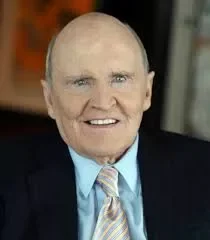
Jack Welch
Born19 Nov, 1935
Died01 Mar, 2020
NationalityAmerican
Age at time of death84
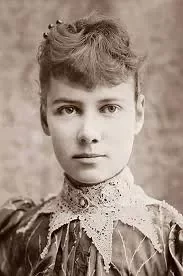
Nellie Bly
Born05 May, 1864
Died27 Jan, 1922
NationalityAmerican
Age at time of death57
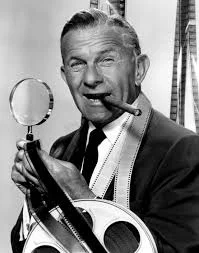
George Burns
Born20 Jan, 1896
Died09 Mar, 1996
NationalityAmerican
Age at time of death100

Ethan Allen
Born21 Jan, 1738
Died12 Feb, 1789
NationalityAmerican
Age at time of death51
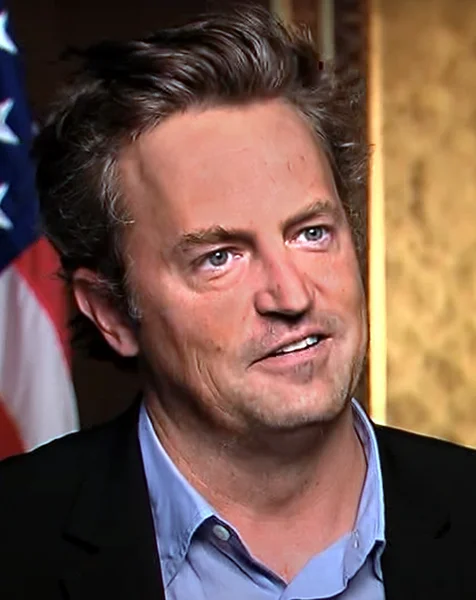
Matthew Perry
Born19 Aug, 1969
Died28 Oct, 2023
NationalityAmerican, Canadian
Age at time of death54
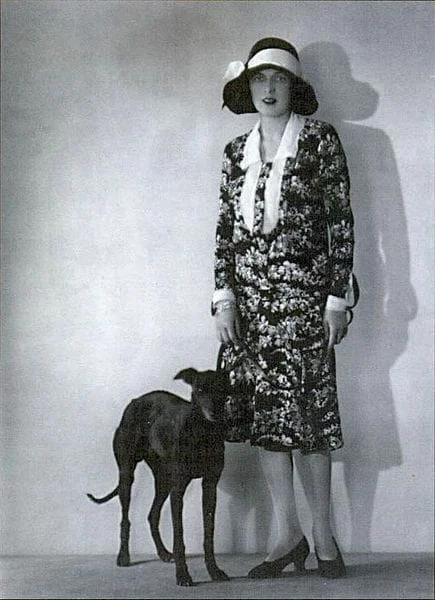
Caresse Crosby
Born20 Apr, 1891
Died24 Jan, 1970
NationalityAmerican
Age at time of death78
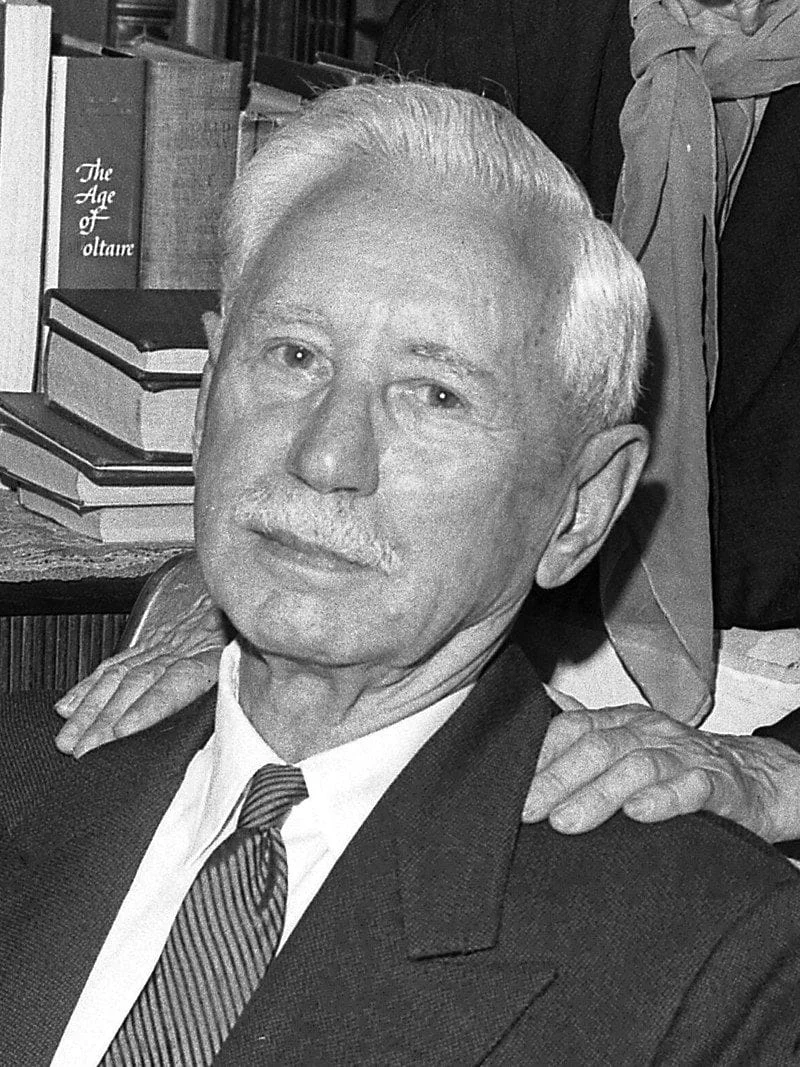
Will Durant
Born05 Nov, 1885
Died07 Nov, 1981
NationalityAmerican
Age at time of death96
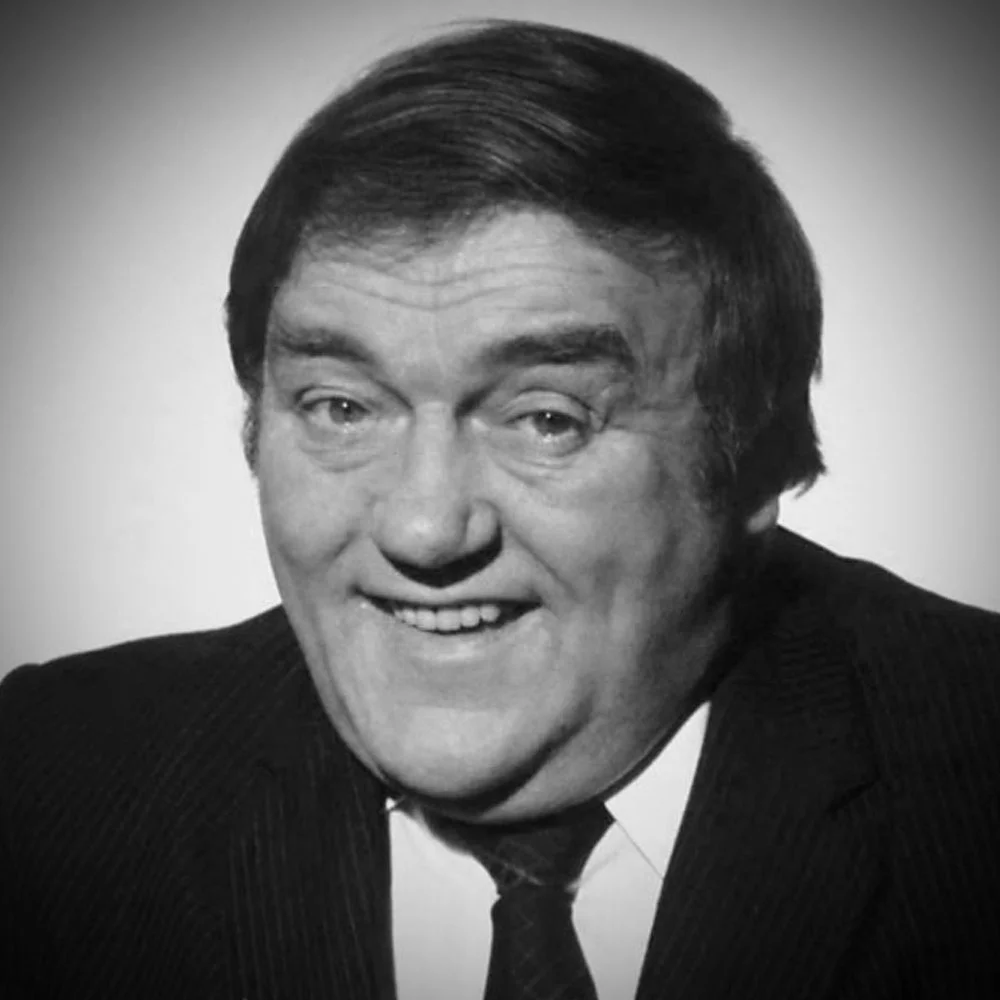
Les Dawson
Born02 Feb, 1931
Died10 Jun, 1993
NationalityBritish
Age at time of death62
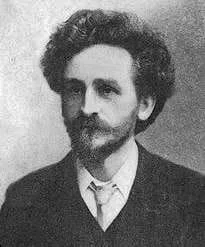
James Allen
Born28 Nov, 1864
Died24 Jan, 1912
NationalityBritish
Age at time of death47
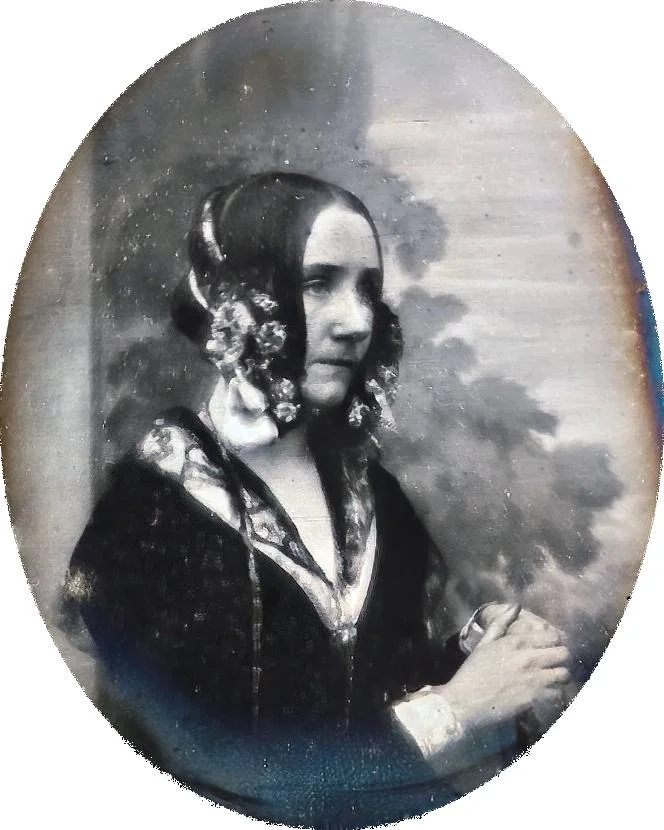
Ada Lovelace
Born10 Dec, 1815
Died27 Nov, 1852
NationalityBritish
Age at time of death36
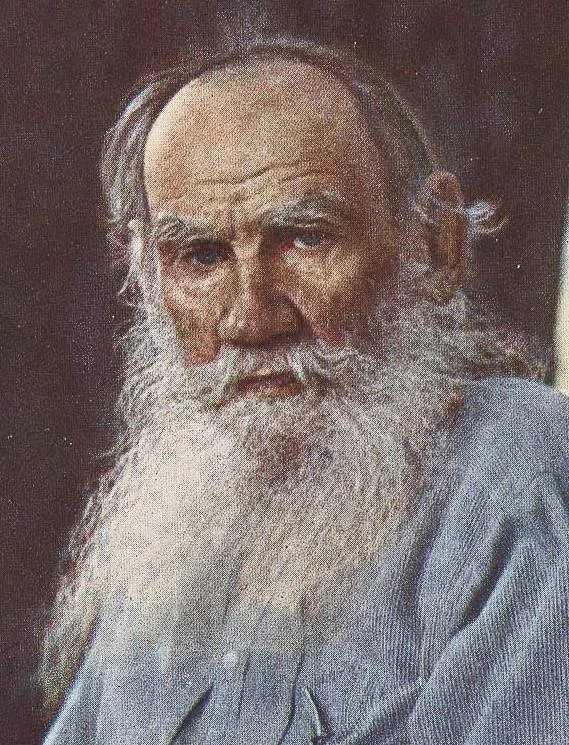
Leo Tolstoy
Born09 Sep, 1828
Died20 Nov, 1910
NationalityRussian
Age at time of death82
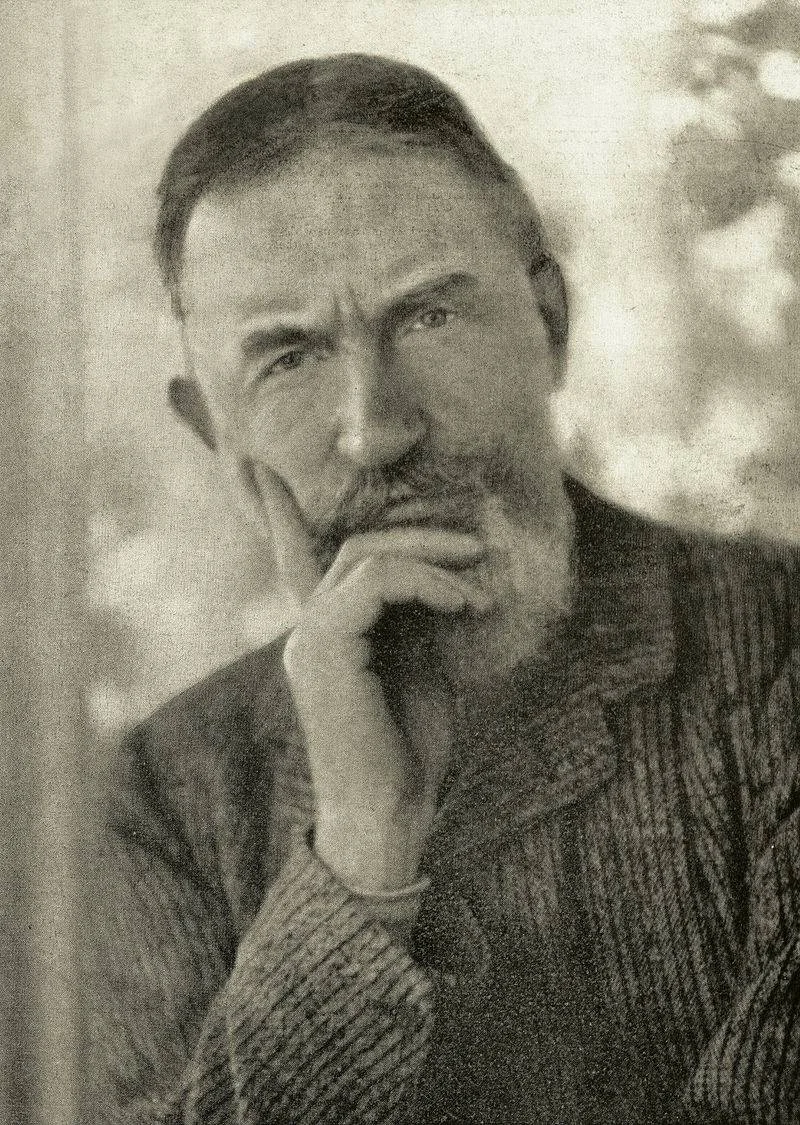
George Bernard Shaw
Born26 Jul, 1856
Died02 Nov, 1950
NationalityBritish, Irish
Age at time of death94