Real Celebrities Never Die!
Enter your birthday to meet your past celebrity birthday twins.
OR
Died Age: 36
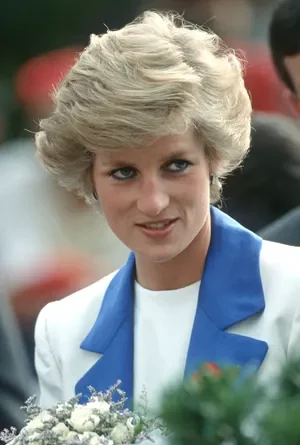
britannica.com
Diana, Princess of Wales
Birthday:
01 Jul, 1961
Date of Death:
31 Aug, 1997
Cause of death:
Car Accident
Nationality:
British
Famous As:
Former member of the British royal family.
Age at the time of death:
36
Diana Frances Spencer's Quote's

“Everyone needs to be valued. Everyone has the potential to give something back.”
Diana Frances Spencer
🔗 deadcelebrityhub.com
Early Life: A Childhood of Privilege and Pain
Known as the “People’s Princess,” Diana redefined the role of royalty with her warmth, compassion, and relentless advocacy for humanitarian causes.
From her fairy-tale rise to global fame to the struggles she faced behind palace walls, Diana’s story is one of resilience, love, and an enduring legacy that continues to inspire millions worldwide.
Born on July 1, 1961, at Park House in Sandringham, England, Diana Frances Spencer came from an aristocratic family with deep ties to the British monarchy.
Her father, John Spencer, later became the 8th Earl Spencer, making Diana a member of one of England’s most prominent noble families.
Despite the grandeur of her upbringing, Diana’s childhood was marked by sadness—her parents’ bitter divorce when she was just eight years old left a lasting impact on her.
Shy but kind-hearted, Diana attended various boarding schools, where she struggled academically but excelled in music, dance, and caring for children.
Her natural empathy and desire to help others became evident early on, foreshadowing her later humanitarian efforts.
Becoming a Princess: A Royal Fairytale with Hidden Struggles
Diana’s life changed forever in 1980 when she caught the attention of Prince Charles, heir to the British throne. Their whirlwind courtship, filled with media frenzy and public adoration, led to a grand wedding at St. Paul’s Cathedral on July 29, 1981. Watched by millions around the world, the event seemed like a fairy tale come to life.
But behind the glamorous façade, Diana faced immense personal challenges. The pressures of royal life, combined with the age gap and emotional distance between her and Charles, led to a troubled marriage.
Diana struggled with feelings of isolation and battled bulimia, a struggle she later bravely spoke about to raise awareness of mental health issues.
Despite her personal turmoil, Diana found strength in her role as a mother. Her two sons, Prince William and Prince Harry, became her greatest source of joy.
She broke royal traditions by being a hands-on parent, taking them to amusement parks, fast food restaurants, and even homeless shelters—determined to give them a sense of normalcy.
A Humanitarian at Heart: Changing the Face of Royalty
Diana’s greatest impact came through her humanitarian work. Unlike previous royals, she connected with people on a deeply personal level, using her platform to shed light on pressing global issues.
Her most iconic moments include her visit to an AIDS clinic in 1987, where she shook hands with an HIV-positive patient—challenging the stigma surrounding the disease at a time of widespread fear and misinformation.
Her tireless advocacy extended to landmine victims, homelessness, leprosy awareness, and mental health. In 1997, just months before her death, she walked through a minefield in Angola to support the international campaign to ban landmines.
This fearless dedication to humanitarian causes solidified her reputation as a princess of the people, more concerned with human lives than royal protocol.
Divorce and New Beginnings
After years of turmoil, Diana and Charles officially divorced in 1996. Though no longer a royal by title, she remained a beloved public figure.
Free from palace constraints, she continued her charity work and sought to carve out a new identity beyond the monarchy.
Her personal life also became the subject of intense media scrutiny, particularly her relationship with Egyptian film producer Dodi Fayed.
The relentless press attention that had followed Diana since her engagement to Charles only intensified in her post-royal years.
Tragic End and Global Mourning
On August 31, 1997, the world was shaken by the news of Diana’s tragic death in a car crash in Paris. Fleeing paparazzi, her vehicle crashed in the Pont de l’Alma tunnel, killing Diana, Dodi Fayed, and their driver.
The shocking loss plunged Britain and the world into mourning, with millions paying tribute to the woman who had touched so many lives.
Her funeral at Westminster Abbey was watched by an estimated 2.5 billion people globally. The image of her sons, William and Harry, walking behind her coffin remains one of the most poignant moments in modern royal history.
A Lasting Legacy: The People’s Princess Forever
Though her life was cut tragically short, Diana’s influence endures. Her sons have carried on her humanitarian spirit, with both William and Harry actively involved in charities for mental health, veterans, and children’s welfare.
Diana changed the monarchy forever, making it more accessible, compassionate, and engaged with real-world issues. Her work in AIDS awareness, landmine eradication, and humanitarian causes left an indelible mark, proving that true royalty isn’t about titles—it’s about the impact you leave behind.
Even decades after her passing, Diana remains a symbol of kindness, courage, and the power of empathy. Her story reminds the world that love, humanity, and compassion can transcend even the most rigid traditions. Lady Diana Spencer may have been born into nobility, but it was her heart that truly made her a queen in the eyes of millions.
Profile Snapshot
Name:
Diana Frances Spencer
Popular Name:
Diana, Princess of Wales
Gender:
Female
Cause of Death:
Car Accident
Spouse:
Charles
Place of Birth:
Park House, Sandringham, England
Place of Death:
Paris, France
Occupation / Profession:
Former member of the British royal family.
Personality Type
Mediator: Diana was a deeply empathetic and compassionate individual who used her platform to advocate for humanitarian causes and support those in need, all while maintaining a quiet, introspective nature.
Diana Frances Spencer's Interesting Facts
Diana was the first royal to openly speak about her struggles with mental health, including bulimia and depression.
Her tragic death in a car accident in 1997 shocked the world, but her legacy of kindness and philanthropy lives on.
Lady Diana Spencer became Princess Diana when she married Prince Charles in 1981, captivating the world with her grace and compassion.
She was known for her charity work, especially her advocacy for AIDS awareness and landmine victims.
Achievements & Awards
Diana’s legacy as the “People’s Princess” continues to inspire kindness and compassion worldwide.
Princess Diana may not have received traditional awards, but she was honored with numerous humanitarian recognitions for her charity work, including the United Cerebral Palsy Humanitarian of the Year Award in 1995.
She was also posthumously awarded the UNESCO Peace Prize for her dedication to helping those in need.