Real Celebrities Never Die!
OR
Search For Past Celebrities Whose Birthday You Share
Died Age: 79
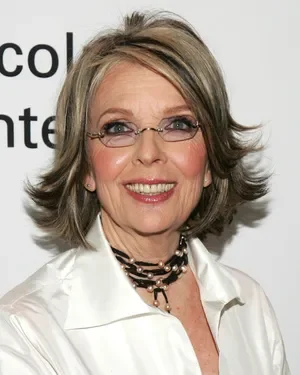
cdn.britannica.com
Diane Keaton
Birthday:
04 Jan, 1946
Date of Death:
10 Oct, 2025
Cause of death:
Pneumonia
Nationality:
American
Famous As:
Actress
Age at the time of death:
79
Early Life: A Dreamer in Southern California
Diane Keaton has always carried an unmistakable sense of individuality—an actress who could slip into the soul of a character with ease, yet remain utterly, charmingly herself. With her signature wide-brimmed hats, loose-fitting suits, and quirky elegance, she became not just a Hollywood icon but a symbol of artistic fearlessness. Her life, on screen and off, has been a study in independence, and the quiet power of staying true to who you are.
Born Diane Hall in Los Angeles, she grew up in a creatively spirited household. Her mother, Dorothy, was a homemaker with an artistic streak—often capturing family moments in scrapbooks that would later inspire Keaton’s own love of archiving and photography. Her father, Jack, worked as a real estate broker, bringing both pragmatism and stability into the family.
Keaton’s upbringing in suburban Santa Ana offered her a blend of structure and imagination. She sang in the church choir, a formative experience that sparked her early attraction to performing. As a teenager, she was captivated by the glamour and emotional sweep of Broadway musicals, particularly the work of Elaine Stritch—a performer whose boldness would become a touchstone for Keaton’s own artistic ambitions.
One lesser-known detail from this period: she legally changed her last name to Keaton—her mother’s maiden name—when she joined the Actors’ Equity Association, because another actress had already registered under the name Diane Hall.
Education: A Foundation in Performance
After graduating from Santa Ana High School, Keaton moved to New York City to study at the Neighbourhood Playhouse, immersing herself in the disciplined world of Meisner technique. The intensity of the training and the vibrancy of New York’s theatre scene sharpened her instincts and emboldened her artistic voice. She soon landed a role in the original Broadway production of Hair, where her refusal to participate in the show’s customary nude scene was an early example of her uncompromising sense of self—she wanted success, but on her own terms.
Career Journey
Early Breakthroughs: Woody Allen and the Rise of a New Kind of Leading Lady
Keaton’s early film career became intertwined with Woody Allen’s work, beginning with the play and later the film Play It Again, Sam. But it was Annie Hall (1977) that transformed her into a star. Her offbeat charm, naturalistic delivery, and the now-legendary “Annie Hall style”—a mix of menswear, vintage pieces, and a wholly original sense of ease—captured the cultural imagination. The role earned her an Academy Award for Best Actress and cemented her as a performer who could redefine expectations simply by being wholly authentic.
Expanding Range: Drama, Comedy, and Everything Between
After her breakout, Keaton moved beyond the roles that had made her famous, exploring dramatic territory in films like Looking for Mr. Goodbar and Reds, the latter earning her another Oscar nomination. She proved equally skilled in sweeping historical epics and intimate character dramas.
In the 1990s, she joined The Godfather saga as Kay Adams-Corleone—offering a quiet, conflicted counterpoint to the Corleone family’s violent world—and later embraced the complexity of middle-aged womanhood in films such as Marvin’s Room and The First Wives Club. Critics and audiences noticed something consistent: Keaton brought emotional intelligence and understated power to every role.
Later Career: Reinvention and Creative Expansion
Keaton’s later work showed her continued ability to surprise audiences. Something’s Gotta Give (2003), for which she received another Academy Award nomination, spotlighted her comedic brilliance and vulnerability, while films like The Family Stone, Morning Glory, and Book Club showcased her enduring appeal across generations.
She also pursued directing, helming films such as Heaven and Unstrung Heroes, and expanded her creative output through photography books, design projects, and memoirs. Her love of architecture is well-known; she’s restored numerous historic homes and enthusiastically documents American design—from rustic barns to Spanish Colonial houses.
Trivia lovers often note that Keaton is a devoted collector of gloves, a fixture in her personal wardrobe, and an enthusiastic devotee of iced coffee, a beverage she’s famously enjoyed throughout the day, every day.
Personal Life: Private, Independent, and Full of Curiosity
Though often paired romantically with high-profile co-stars earlier in her career, Keaton never married—something she has spoken about with clarity and humour. She adopted two children in the 1990s, embracing motherhood in her fifties and frequently expressing how profoundly it shaped her life. Friends and collaborators describe her as warm, generous, and endlessly curious, with a penchant for self-deprecation that keeps her grounded despite decades of success.
Legacy: An Icon of Authenticity and Reinvention
Diane Keaton’s legacy stretches beyond her filmography. She is remembered as an actress who shifted the boundaries of what a Hollywood leading woman could look like, sound like, and represent. Her characters—funny, flawed, introspective, bold—helped redefine on-screen femininity. Off-screen, her creative pursuits in architecture, photography, and writing reveal a mind constantly hungry for new forms of expression.
Above all, she remains an icon of individuality. Keaton has shown, again and again, that staying true to oneself can be a lifelong career in its own right—and one that inspires generations to come.
Profile Snapshot
Name:
Diane Hall
Popular Name:
Diane Keaton
Gender:
Female
Cause of Death:
Pneumonia
Spouse:
Unknown
Place of Birth:
Los Angeles, California, United States
Place of Death:
Los Angeles, California, United States
Occupation / Profession:
Actress
Screenwriter
Producer
Diane Hall's Interesting Facts
She is an avid collector of artwork and vintage objects.
She’s also deeply passionate about restoring historic homes.
And she is known for her lifelong habit of photographing everyday moments, often archiving them in personal scrapbooks.
Achievements & Awards
Diane Keaton’s career has been marked by some of Hollywood’s highest honours, including an Academy Award for Annie Hall and multiple additional Oscar, Golden Globe, and BAFTA nominations across both comedy and drama.
She has earned acclaim for her directing work, her bestselling memoirs, and her distinctive influence on fashion.
Her decades-long versatility—from The Godfather to Something’s Gotta Give—has solidified her place as one of the most enduring and beloved performers of her generation.
Latest Profiles
People also viewed
George Harrison
Born25 Feb, 1943
Died29 Nov, 2001
NationalityBritish
Age at time of death58
Sally Ann Howes
Born20 Jul, 1930
Died19 Dec, 2021
NationalityBritish, American
Age at time of death91
Olivia de Havilland
Born01 Jul, 1916
Died26 Jul, 2020
NationalityBritish, American
Age at time of death104
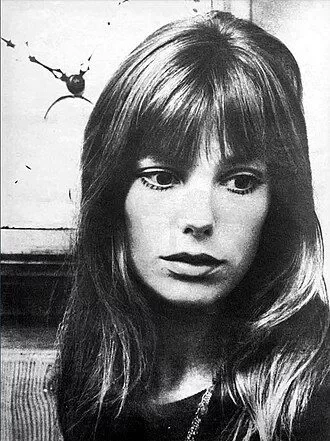
Jane Birkin
Born14 Dec, 1946
Died16 Jul, 2023
NationalityBritish, French
Age at time of death76
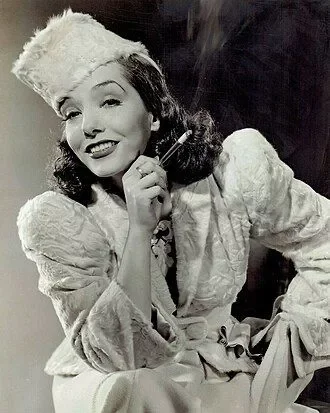
Lupe Vélez
Born18 Jul, 1908
Died14 Dec, 1944
NationalityMexican
Age at time of death36
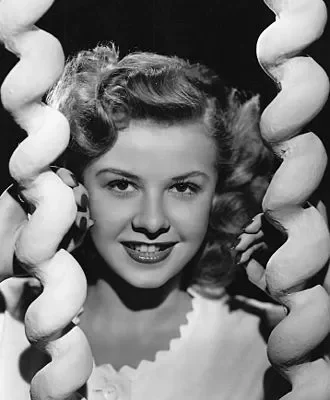
Vera-Ellen
Born16 Feb, 1921
Died30 Aug, 1981
NationalityAmerican German
Age at time of death60
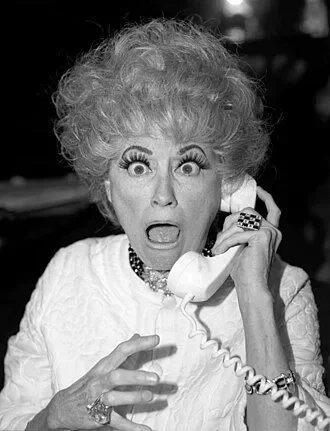
Phyllis Diller
Born17 Jul, 1917
Died20 Aug, 2012
NationalityAmerican
Age at time of death95
Olivia Newton-John
Born26 Sep, 1948
Died08 Aug, 2022
NationalityBritish, Australian
Age at time of death73
Mary Martin
Born01 Dec, 1913
Died03 Nov, 1990
NationalityAmerican
Age at time of death76
Tina Turner
Born26 Nov, 1939
Died24 May, 2023
NationalityAfrican, American
Age at time of death83
Tawny Kitaen
Born05 Aug, 1961
Died07 May, 2021
NationalityAmerican
Age at time of death59
Frank Sinatra
Born12 Dec, 1915
Died14 May, 1998
NationalityAmerican
Age at time of death82
Gloria Swanson
Born27 Mar, 1899
Died04 Apr, 1983
NationalityAmerican
Age at time of death84
Alfred Hitchcock
Born13 Aug, 1899
Died29 Apr, 1980
NationalityAmerican, British
Age at time of death80
Stanley Kubrick
Born26 Jul, 1928
Died07 Mar, 1999
NationalityAmerican, British
Age at time of death70
Keith Martin
Born22 Sep, 1966
Died25 Mar, 2022
NationalityAmerican
Age at time of death55
Whitney Houston
Born09 Aug, 1963
Died11 Feb, 2012
NationalityAmerican
Age at time of death48
Waylon Jennings
Born15 Jun, 1937
Died13 Feb, 2002
NationalityAmerican
Age at time of death64
William Peter Blatty
Born07 Jan, 1928
Died12 Jan, 2017
NationalityAmerican
Age at time of death89
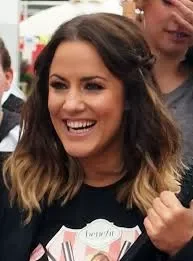
Caroline Flack
Born09 Nov, 1979
Died15 Feb, 2020
NationalityBritish
Age at time of death40