Real Celebrities Never Die!
OR
Search For Past Celebrities Whose Birthday You Share
Died Age: 49
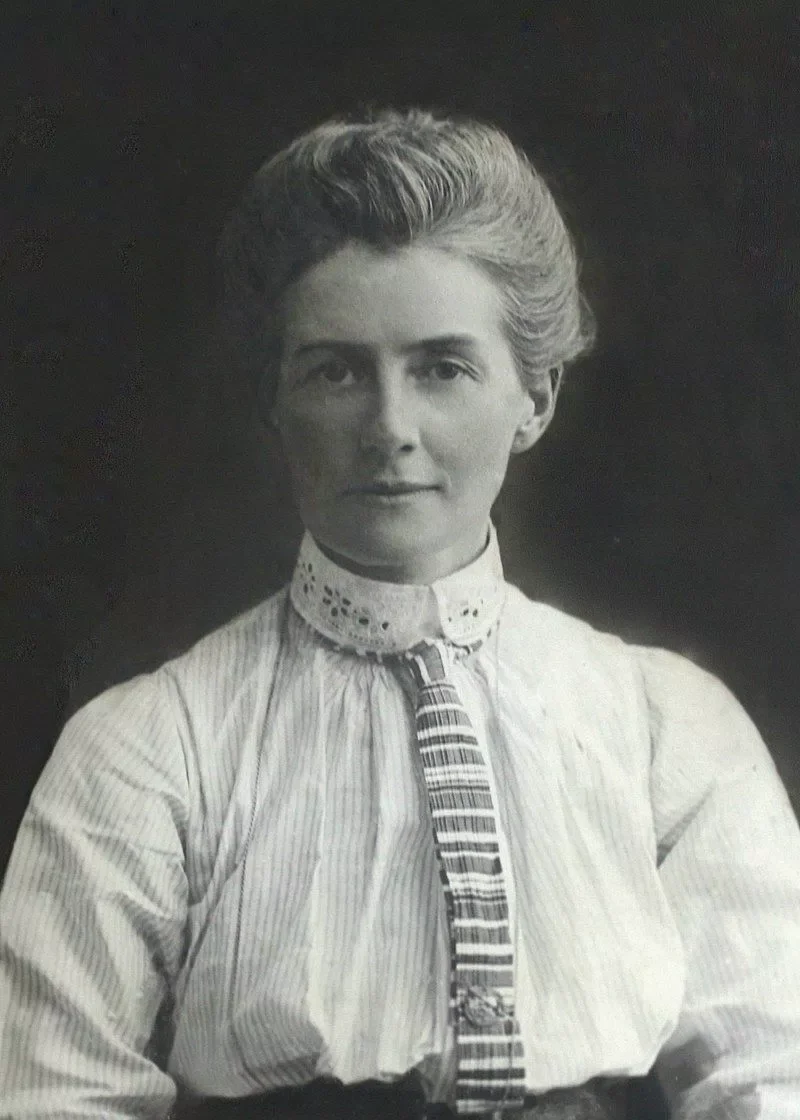
source:wikipedia.org
Edith Cavell
Birthday:
04 Dec, 1865
Date of Death:
12 Oct, 1915
Cause of death:
Execution by firing squad
Nationality:
British
Famous As:
Humanitarian
Age at the time of death:
49
Edith Cavell's Quote's
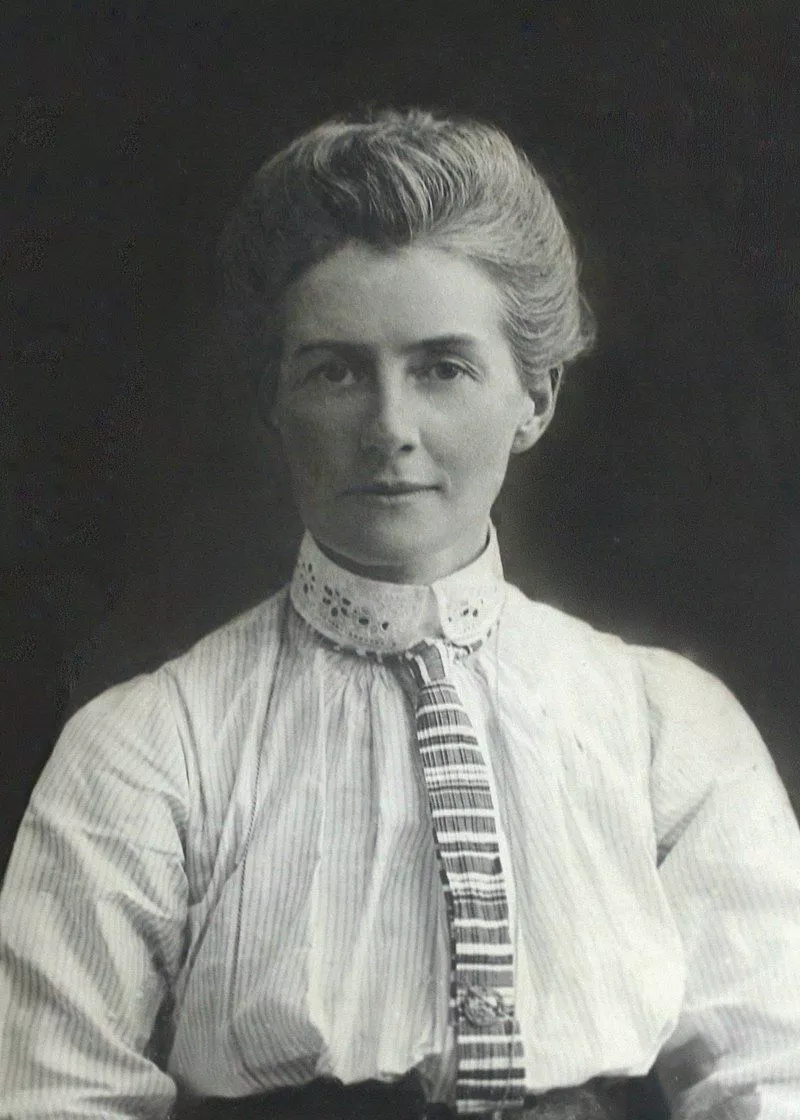
“I realize that patriotism is not enough. I must have no hatred or bitterness toward anyone.”
Edith Cavell
🔗 deadcelebrityhub.com
Edith Cavell: A Symbol of Selflessness
Edith Louisa Cavell (1865–1915) was a British nurse, patriot, and humanitarian whose courage and compassion made her a symbol of selflessness during World War I. She was born on December 4, 1865, in Swardeston, Norfolk, England, to a Church of England clergyman family. As the eldest child, she had three brothers with whom she showed great care. Above all, the values of faith, discipline, and doing good for others had brought her an altogether remarkable life.
Early Career and Contributions to Nursing
Edith was trained as a nurse at the Royal London Hospital under the tutelage of Eva Luckes, one of the most important matrons of her day. Her hard work led to becoming an outstanding nurse, and she worked in hospitals throughout all of England before leaving in 1907 for Brussels to become matron of the Berkendael Medical Institute. There, she improved the general standards of nursing but also created Belgium’s first professional training school for nurses, which laid the foundations for modern nursing care in Belgium.
World War I and Acts of Bravery
When World War I broke out in 1914, Edith was in Brussels, which was soon to come under German occupation. Although the risk was enormous, she kept on nursing wounded soldiers, adhering to the nursing code of impartiality by nursing both Allied and German troops. But her work went further than the hospital. Cavell became a key resistance figure in the Belgian underground, helping Allied soldiers and civilians to escape occupied Belgium through safe routes into neutral Holland.
Arrest and Execution
Edith’s clandestine activities were discovered by the German government. She was arrested in August 1915, charged with treason for aiding the enemy—a crime punishable by death under German martial law. However, with international efforts at all levels, including appeals for her release from neutral countries like the United States, Edith remained unyielding. She admitted to her actions, stressing that her motivation was purely humanitarian, saying, “Patriotism is not enough. I must have no hatred or bitterness toward anyone.”
On October 12, 1915, Edith Cavell was executed by a German firing squad in Brussels. Her death became a precipitant for international outcry, focusing Allied propaganda and boosting morale. She was believed to be a martyr, and her sacrifice turned into a rallying cry for recruiting efforts and the promotion of humanitarian values at a time of war.
Legacy and Remembrance
Edith was buried in Brussels upon her death; however, in the year 1919, her remains were repatriated to England. She was interred in Norwich Cathedral with military honours, and several monuments across the globe serve as testimonies to her heroism and kindness. To date, her memory continues to live on as a testament to the effectiveness of selflessness, bravery, and resolution to help other people at other people’s expense.
A Lasting Inspiration
Edith Cavell’s life is a lasting inspiration, reminding the rest of the world what compassion can do and what sacrifice for humanity means.
Profile Snapshot
Name:
Edith Cavell
Popular Name:
Edith Cavell
Gender:
Female
Cause of Death:
Execution by firing squad
Spouse:
Never married
Place of Birth:
Swardeston, Norfolk, England
Place of Death:
Brussels, Belgium
Occupation / Profession:
Humanitarian
Nurse
Personality Type
Edith Cavell's Interesting Facts
Before her execution, Edith Cavell famously said, "I am glad to die for my country. But I wish that I could have done more."
Cavell risked her life by helping over 200 Allied soldiers escape.
Cavell's execution by firing squad in 1915 was widely condemned, particularly in Britain and the United States.
Cavell was posthumously honored with numerous memorials, including the Edith Cavell Memorial in London.
Edith Cavell was one of the first to advocate for modern nursing techniques in Belgium
October 12 is observed as Edith Cavell Day in some region
Achievements & Awards
Established Belgium’s first nursing school
Honored posthumously with memorials worldwide, including the Edith Cavell Memorial in London.
Pioneered modern nursing practices in Belgium
External Links
Latest Profiles
People also viewed

Siou-Ling Tsien de Perlinghi
Born02 Oct, 1912
Died01 Feb, 2008
NationalityChinese, Belgian
Age at time of death95
Jerry Lewis
Born16 Mar, 1926
Died20 Aug, 2017
NationalityAmerican
Age at time of death91
Cicely Saunders
Born22 Jun, 1918
Died14 Jul, 2005
NationalityEnglish
Age at time of death87
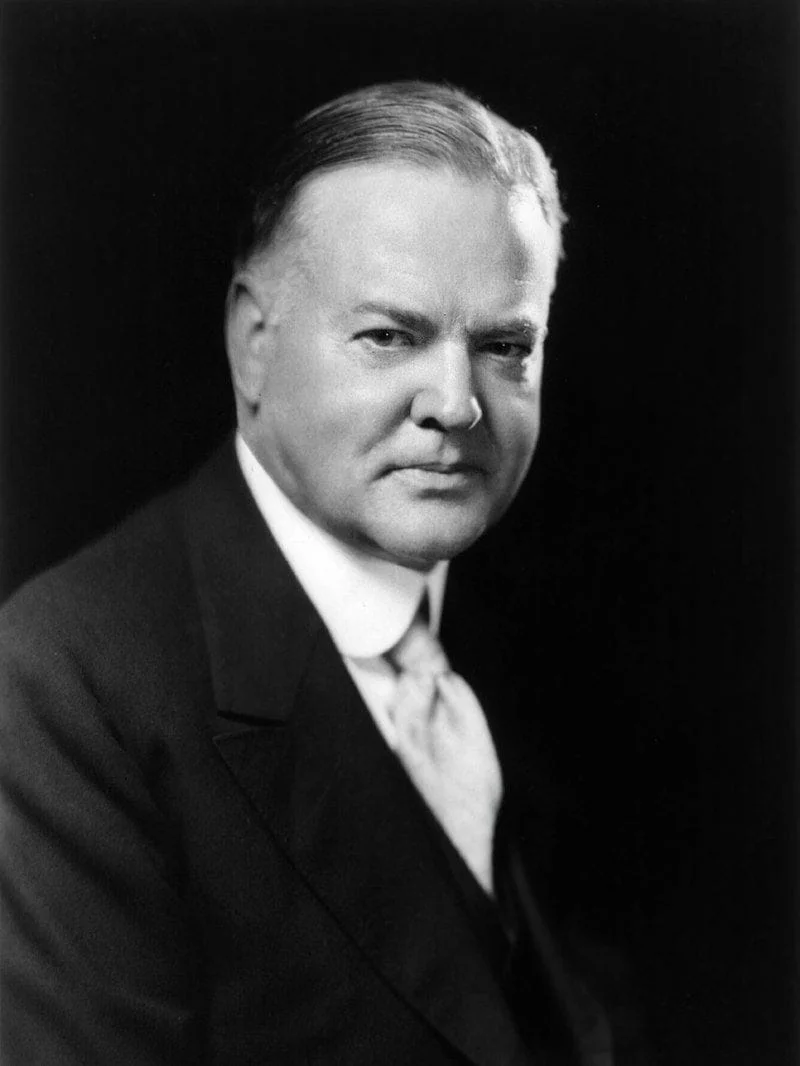
Herbert Hoover
Born10 Aug, 1874
Died20 Oct, 1964
NationalityAmerican
Age at time of death90
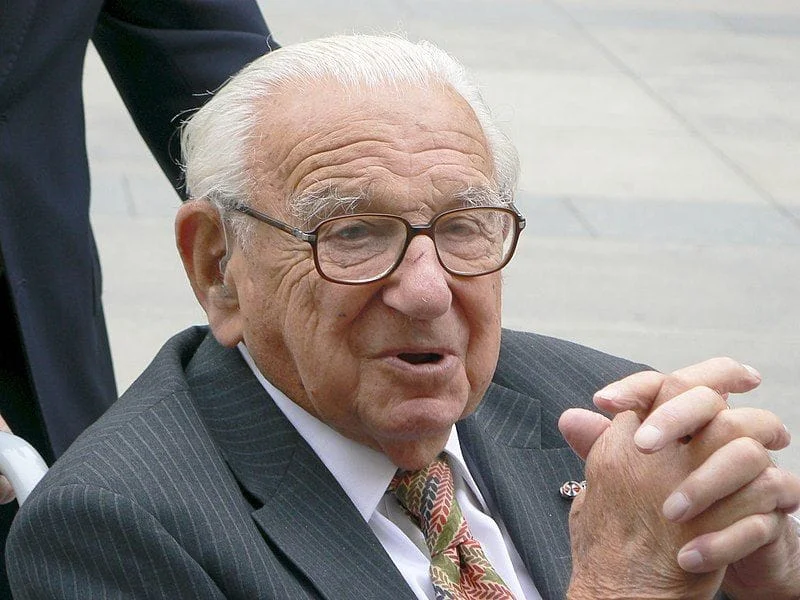
Nicholas Winton
Born19 May, 1909
Died01 Jul, 2015
NationalityBritish
Age at time of death106
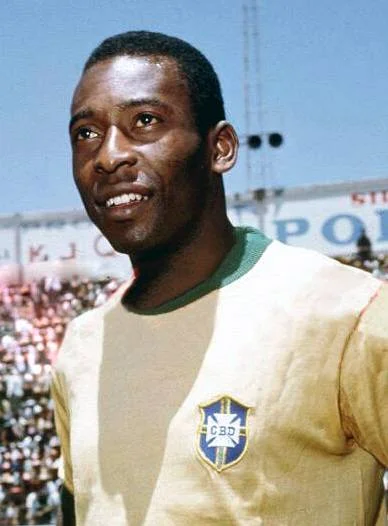
Pelé
Born23 Oct, 1940
Died29 Dec, 2022
NationalityBrazilian
Age at time of death82
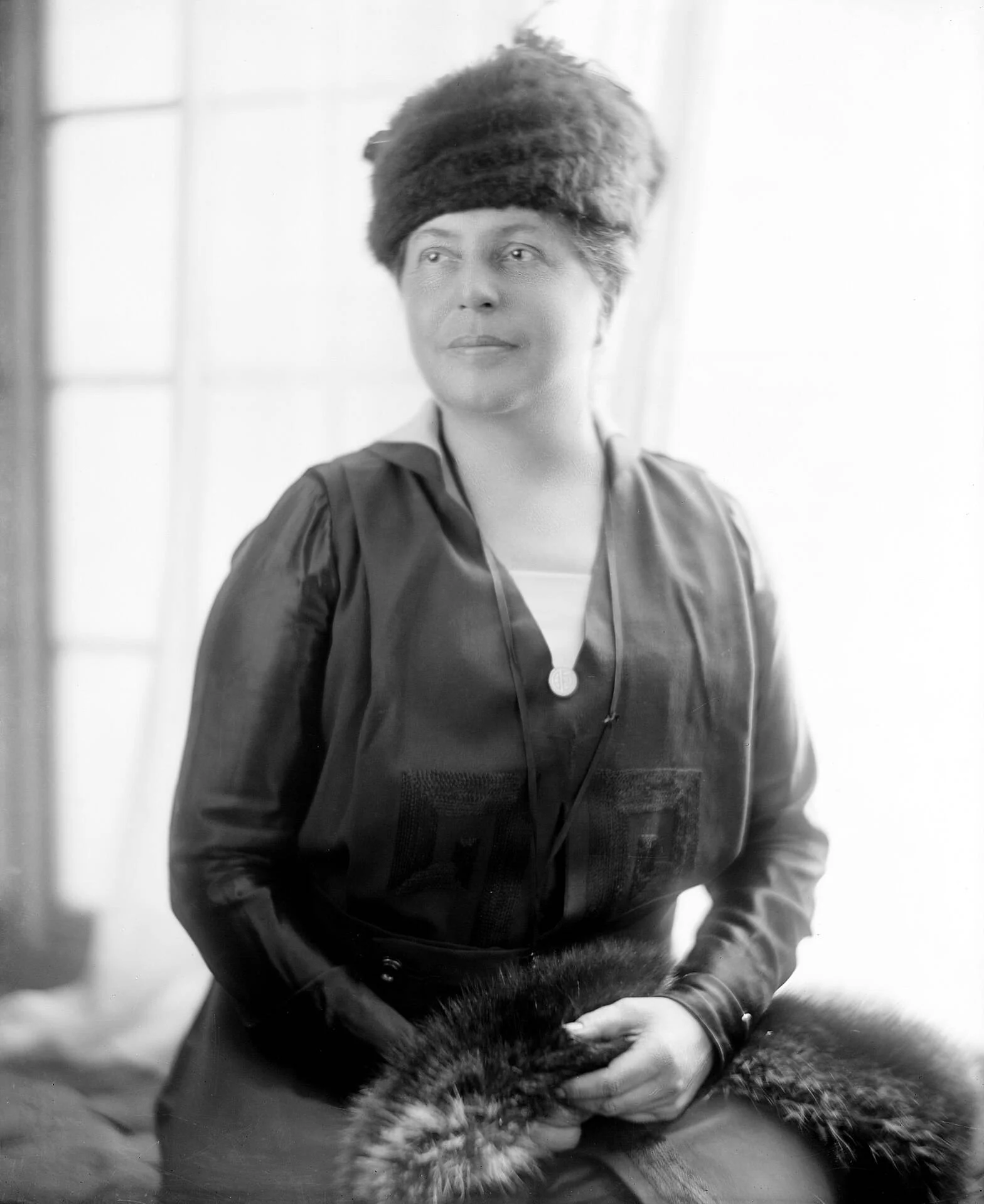
Lillian Wald
Born10 Mar, 1867
Died01 Sep, 1940
NationalityAmerican
Age at time of death73
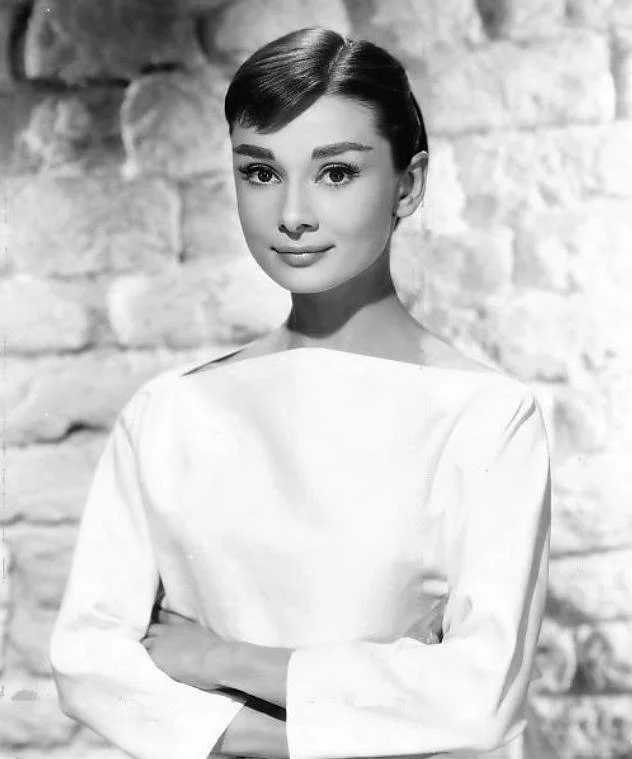
Audrey Hepburn
Born04 May, 1929
Died20 Jan, 1993
NationalityBritish
Age at time of death63

Paul Winchell
Born21 Dec, 1922
Died24 Jun, 2005
NationalityAmerican
Age at time of death82
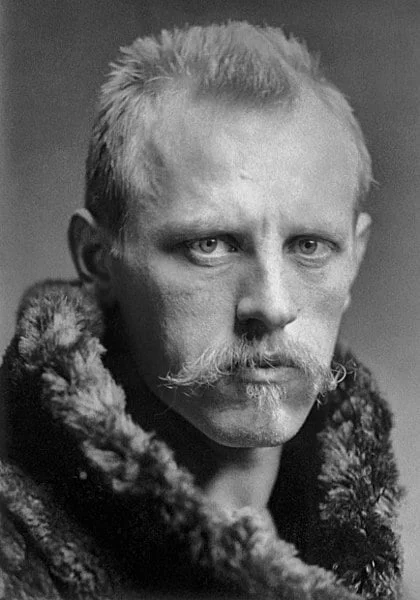
Fridtjof Nansen
Born10 Oct, 1861
Died13 May, 1930
NationalityNorwegian
Age at time of death68
Elizabeth Jolley
Born04 Jun, 1923
Died13 Feb, 2007
NationalityAustralian
Age at time of death83
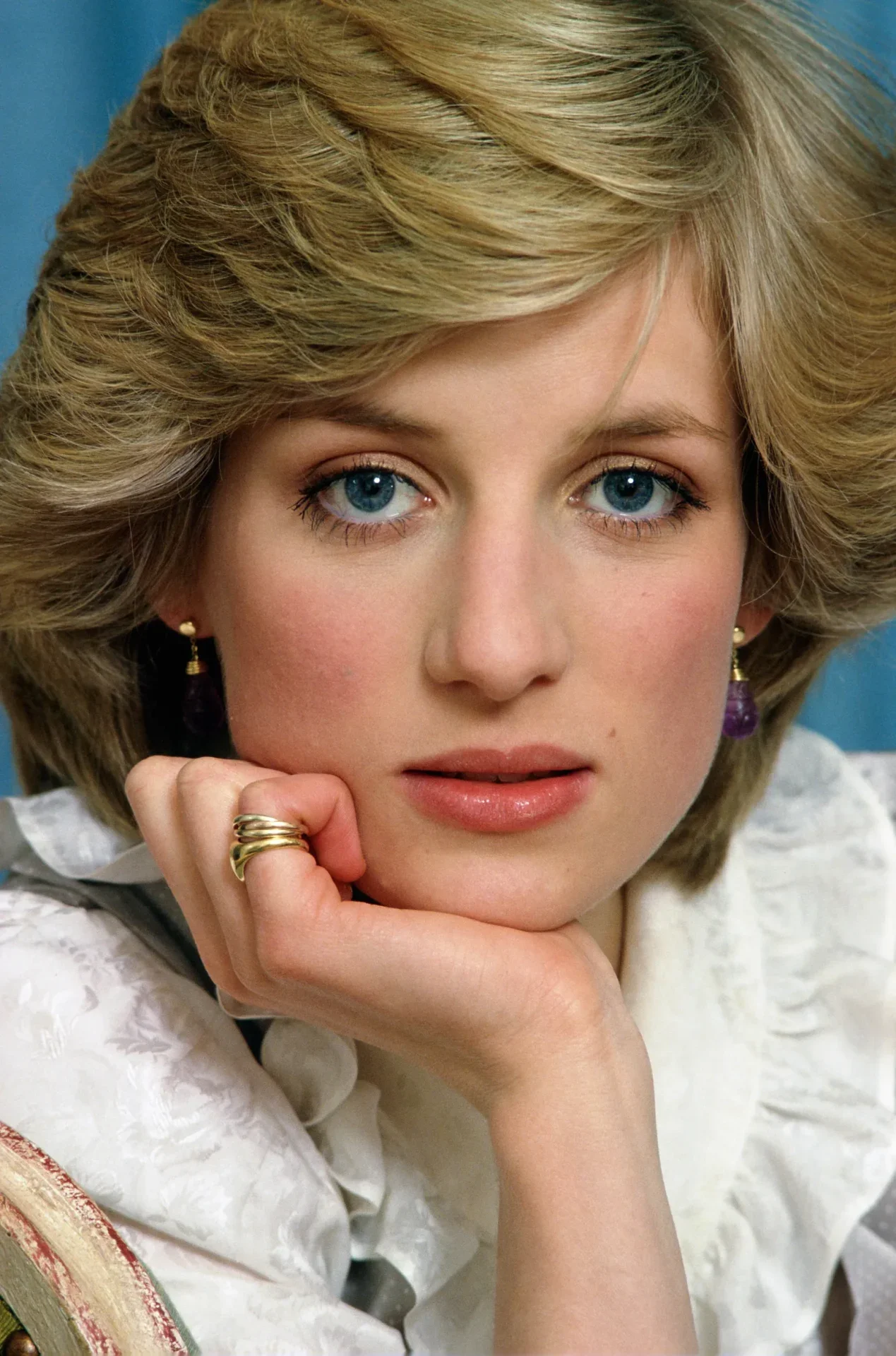
Diana, Princess of Wales
Born01 Jul, 1961
Died31 Aug, 1997
NationalityBritish
Age at time of death36
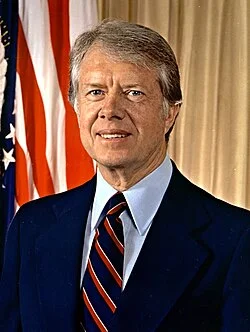
Jimmy Carter
Born01 Oct, 1924
Died29 Dec, 2024
NationalityAmerican
Age at time of death100