Real Celebrities Never Die!
OR
Search For Past Celebrities Whose Birthday You Share
Died Age: 60
source:.wikipedia.org
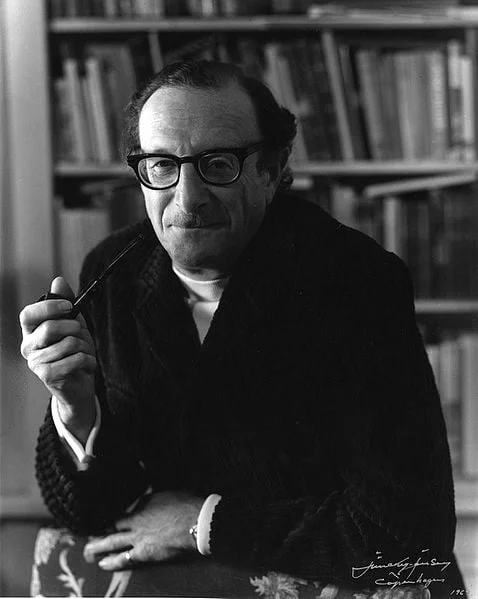
Eric Berne
Birthday:
10 May, 1910
Date of Death:
15 Jul, 1970
Cause of death:
Heart attack
Nationality:
American
Famous As:
Psychiatrist
Age at the time of death:
60
Eric Berne's Quote's

“If you can change your mind, you can change your life.”
Eric Berne
🔗 deadcelebrityhub.com
Early Life and Education
Eric Berne was born on May 10, 1910, in Montreal, Canada. His early life was marked by challenges, including his parents’ divorce when he was just two years old. Raised primarily by his father, Berne excelled academically despite financial hardships. In 1931, he graduated from McGill University with a degree in medicine. Seeking further education, he moved to the United States, where he pursued psychiatry and became a naturalized citizen in 1939.
Career and Contributions to Psychiatry
Berne made a lasting impact on psychiatry with his innovative ideas. His most notable achievement was the development of **Transactional Analysis (TA)**, a therapeutic approach that examines social transactions to understand communication patterns and behavior. He introduced TA in his book *”Games People Play,”* published in 1964, which remained on the bestseller list for over two years. This book provided readers with insights into human interactions, revealing hidden dynamics in personal and professional relationships.
Transactional Analysis: Revolutionizing Psychotherapy
TA focuses on three ego states—Parent, Adult, and Child—which influence how individuals interact with others. By identifying these ego states, Eric Berne showed that people could change unhealthy patterns of communication. His work empowered individuals to improve relationships by better understanding their behavior. TA’s influence extended far beyond clinical settings, as people from all walks of life adopted its principles to enhance personal development and communication.
Expanding Influence and Leadership in the Field
Berne’s influence reached beyond his written work. He held teaching positions at prestigious institutions, including the University of California, San Francisco, and the San Francisco Psychoanalytic Institute. His expertise and passion for advancing psychotherapy led him to establish the **International Transactional Analysis Association (ITAA)**. Through this organization, Berne promoted the study and practice of TA globally, ensuring that his revolutionary ideas reached a wider audience.
Personal Life and Challenges
Despite his professional success, Eric Berne’s personal life faced difficulties. He was married three times and had two children. His first two marriages ended in divorce, but his third wife, Dorothy, worked closely with him on his later publications. Dorothy became a prominent figure in the TA community, contributing to its growth and development alongside Berne.
Legacy and Lasting Impact
Tragically, Eric Berne passed away on July 15, 1970, at the age of 60, cutting short a brilliant career. Although his life was brief, his legacy continues to thrive through his writings and the impact he had on psychotherapy. **Transactional Analysis** remains a widely practiced therapeutic approach, used by therapists and counselors worldwide. Berne’s ideas have helped countless individuals gain insight into their behavior and develop healthier communication patterns.
Ongoing Influence of Transactional Analysis
Transactional Analysis remains an effective tool for self-improvement and personal growth. Eric Berne’s methods continue to empower people to change their lives by understanding how they interact with others. From therapists to individuals seeking self-awareness, Berne’s groundbreaking concepts have touched many lives, providing a framework for healthier, more meaningful relationships.
Conclusion: A Visionary Thinker
Eric Berne’s legacy is one of innovation, compassion, and a deep understanding of the human mind. His revolutionary approach to therapy opened new doors to personal development and transformed the way we view human behavior. Through his work, Berne’s ideas continue to inspire therapists, counselors, and individuals to this day. His influence will remain a cornerstone of psychotherapy for generations to come.
Profile Snapshot
Name:
Eric Berne
Popular Name:
Eric Berne
Gender:
Male
Cause of Death:
Heart attack
Spouse:
Ruth HarveyDorothy DeMass WayTorre Peterson
Place of Birth:
Montreal, Quebec, Canada
Place of Death:
Carmel-by-the-Sea, California, U.S.A
Occupation / Profession:
Psychiatrist
Personality Type
Mediator: Poetic, kind people always eager to help a good cause. Eric Berne”s Transactional Analysis has helped many change their communicative patterns, which in turn has changed many lives
Eric Berne's Interesting Facts
Berne moved to the United States and underwent psychoanalytic training. He studied under renowned psychoanalysts such as Paul Federn and Erik Erikson.
Berne published his influential book, "Games People Play: The Psychology of Human Relationships," in 1964. The book became a bestseller and introduced the concept of transactional analysis to a wider audience.
Berne's initial ambition was to become a medical doctor. He attended McGill University and received his medical degree from the University of Montreal in 1935.
Transactional Analysis gained significant popularity in the 1960s and 1970s. It has been widely used in psychotherapy, counseling, education, and organizational development.
Achievements & Awards
Elwood Murray Award (1964)
Man of the Year in Psychiatry (1970)
Presidential Citation from the American Psychiatric Association (1967)
Latest Profiles
People also viewed
Alois Alzheimer
Born14 Jun, 1864
Died19 Dec, 1915
NationalityGerman
Age at time of death51
Nicholas P. Dallis
Born15 Dec, 1911
Died06 Jul, 1991
NationalityAmerican
Age at time of death79
Carl Jung
Born26 Jul, 1875
Died06 Jun, 1961
NationalitySwiss
Age at time of death85
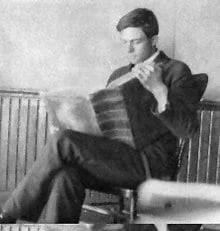
Milton H. Erickson
Born05 Dec, 1901
Died25 Mar, 1980
NationalityAmerican
Age at time of death78
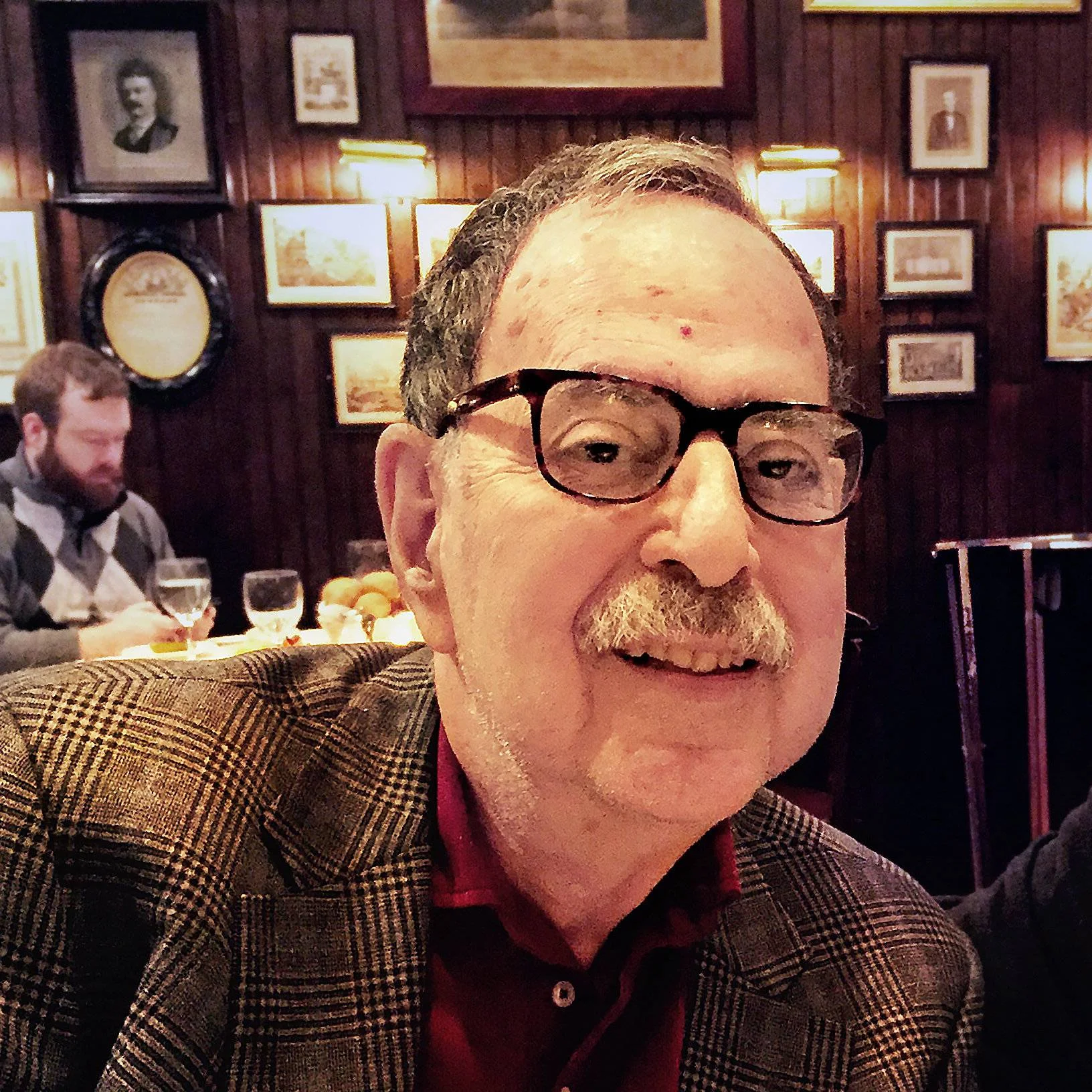
Richard C. Friedman
Born20 Jan, 1941
Died31 Mar, 2020
NationalityAmerican
Age at time of death79
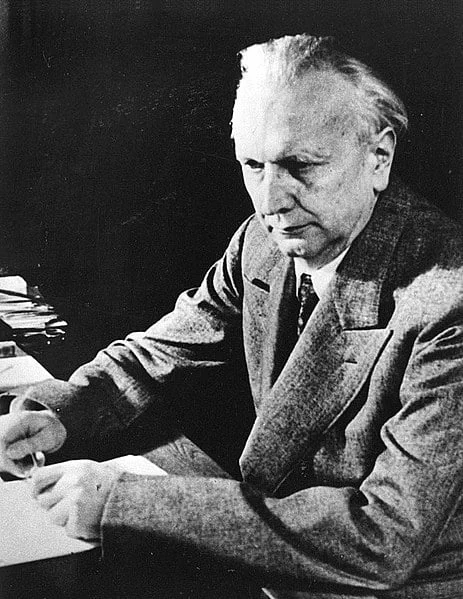
Karl Jaspers
Born23 Feb, 1883
Died26 Feb, 1969
NationalityGerman, Swiss
Age at time of death86