Real Celebrities Never Die!
Enter your birthday to meet your past celebrity birthday twins.
OR
Died Age: 93
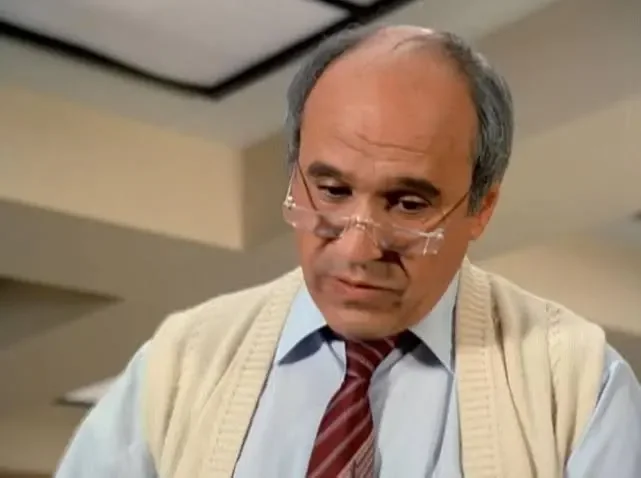
www.tvinsider.com
Floyd Levine
Birthday:
22 Feb, 1932
Date of Death:
23 Aug, 2025
Cause of death:
Natural Causes
Nationality:
American
Famous As:
American actor
Age at the time of death:
93
Floyd Levine 's Quote's
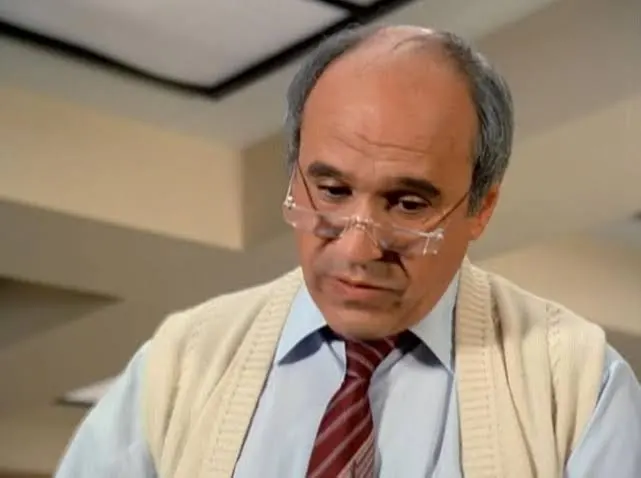
“Turn that thing off.”
Floyd Levine
🔗 deadcelebrityhub.com
Early Life
Floyd Levine was a consummate character actor who quietly became one of Hollywood’s familiar faces: the doctor, cop, judge, or tough guy in the background who made many scenes feel more real. He wasn’t always the star, but he was often the one you remembered—whether in a late-night TV episode, a beloved sitcom, or a major film. Over more than four decades, he built a body of work marked by consistency, warmth, and the kind of versatility that made even small screen time leave an impression.
Floyd Levine was born on February 23, 1932, in New York City. He grew up in Brooklyn, where life was gritty, energetic, and full of stories. Before he ever dreamed of movies or television, he had more ordinary duties: to support himself, to make ends meet. At one point, he drove a taxi in New York—a job that exposed him to all sorts of people, conversations, lives in transit. That time behind the wheel offered not just income, but material: snapshots of humanity he would later draw from in his acting.
Education & Formative Influences
Though he didn’t attend drama school in the way many actors do, Levine’s education was lived. Working in New York, listening to people, working odd jobs, chasing auditions, making connections—all of it taught him pacing, timing, ear for dialogue, an ability to observe, to adapt. He saw early on that in character work, detail and realism count: a gesture, a look, a voice inflection can make what might seem small feel essential.
Career Journey
Levine’s acting life falls into several phases: the beginnings and early roles, steady character work across TV and film, collaboration with family later in life, and his final years of reflection and legacy.
Phase One: Beginnings and Early Roles
He didn’t become an actor overnight. After working as a taxi driver, he landed his first credited screen role in 1972. From there, he took on many small parts—cops, authoritative figures, wiring roles in films like Super Fly, Death Wish, Dog Day Afternoon. Though the parts were small, they built his reputation: reliable, believable, someone you might not always notice, but someone who makes a scene feel anchored.
Phase Two: TV, Memorable Roles, Steady Presence
Through the late 1970s, 80s, and beyond, Levine carved out a niche. He appeared in a wide array of television shows—from Kojak, Starsky & Hutch, Wonder Woman to Three’s Company, The Love Boat, Melrose Place, Baywatch, Murder, She Wrote. Often playing judges, doctors, law enforcement, or incidental characters with just a few lines, he brought a kind of gravitas to each role. Viewers would see him pop up, often uncredited or briefly, and think, “I know that face.” He also had some film roles during this time that made him part of popular culture, even if not always center stage.
Phase Three: Family, Later Partnerships & Roles
In his later years, his personal and professional lives intersected more visibly. His son Brian Robbins became a director/producer, and Floyd appeared in several projects connected to Brian: television shows, comedies, occasional film bits. Even as major roles became rarer, he kept working, making sure that his presence was felt—and often for a reason beyond just performance. The roles may have been small, but they reflected a lifetime of trust in his ability to deliver: whether to bring authenticity to a courtroom scene, or to elevate a comedic moment with a tiny gesture.
Phase Four: Final Years & Reflection
Levine’s final credited role came in 2012, after which he scaled back. In his final years, he was remembered by colleagues and family not just for what he did on screen, but for who he was off it: generous, humorous, someone who loved telling stories, who cherished family, who kept his wit. He died on August 24, 2025, in Los Angeles, surrounded by his family, after a long life with many credits but even more moments lived.
Personal Life
Levine was married (to Rochelle) and had three children: Sheryl, Marc, and Brian. His son Brian, in particular, would become known in the entertainment world as a director, producer, and executive. Despite the pressures of acting and family, those close to Floyd speak of him as warm, a jokester, someone who loved to laugh, who loved Frank Sinatra and classic films, who might have quietly wished someone would bring him a martini in his last moments.
He worked for years behind the scenes and in small roles, but he carried himself as someone who loved craft—not fame for its own sake. He built relationships, was dependable, and earned respect through persistence, humility, and a steady hand.
Legacy
Floyd Levine’s legacy is that of the character actor who becomes part of the texture of film and television—not flashy, but essential.
His more than 70- or 80-plus screen credits over decades mean that generations of viewers saw him, often without remembering his name, but remembering his presence.
He showed that acting doesn’t always demand leading roles to matter; the small parts are often the glue, the connective tissue of narratives.
His willingness to keep working—even into later years, even with physical, emotional, or industry challenges—speaks to a love of performance and storytelling that outlasts fame.
As the father of Brian Robbins, he also left a personal legacy in family, mentorship, and the intersection of personal and professional life—both the triumphs and the sacrifices.
Conclusion
Floyd Levine lived a life not of star billing, but of richness and texture. From taxi driver in New York to recognizable face in film and television; from small, unheralded roles to lasting impressions—his path shows that perseverance, empathy, and craft matter deeply. He carved a space for himself in audiences’ memories not by grand gestures, but by consistent kindness, by moments imbued with authenticity. His legacy will live in the roles he left behind—but even more in the laughter, love, and realism he brought to each of them. He will be remembered as a dependable face, a steady performer, and a human being who made thousands of stories better just by showing up.
Profile Snapshot
Name:
Floyd Levine
Popular Name:
Floyd Levine
Gender:
Male
Cause of Death:
Natural Causes
Spouse:
Rochelle Perr
Place of Birth:
New York City, U.S.
Place of Death:
Los Angeles, California, U.S.
Occupation / Profession:
American actor
Personality Type
Entertainer: Floyd Levine was a grounded, dependable character actor with a warm sense of humor, who quietly built a long, reliable career while valuing family, authenticity, and performing with integrity
Floyd Levine 's Interesting Facts
Floyd Levine began his acting career at age 40 after supporting his family as a New York City cab driver.
He appeared in over 100 film and television productions, including notable roles in Dog Day Afternoon, Death Wish, The Hangover, and Baywatch.
Levine frequently collaborated with his son, Brian Robbins, in projects like Kenan & Kel, Good Burger, Coach Carter, and Norbit.
His final film appearance was in the 2012 Eddie Murphy comedy A Thousand Words.
Achievements & Awards
He appeared in over 100 television programs, becoming a ubiquitous face on American screens.
He had roles in several major motion pictures, including the gritty 1970s classics "Super Fly" (1972) and "Death Wish" (1974), as well as the critically acclaimed "Dog Day Afternoon" (1975)
While often cast in dramas, he showcased comedic range in cult classics like Police Squad!, Sledge Hammer!, and The Amanda Show.
External Links
Additional Links
Latest Profiles
People also viewed
Richard Chamberlain
Born31 Mar, 1934
Died29 Mar, 2025
NationalityAmerican
Age at time of death90
Val Kilmer
Born31 Dec, 1959
Died01 Apr, 2025
NationalityAmerican
Age at time of death65
Cameron Boyce
Born28 May, 1999
Died06 Jul, 2019
NationalityAmerican
Age at time of death20
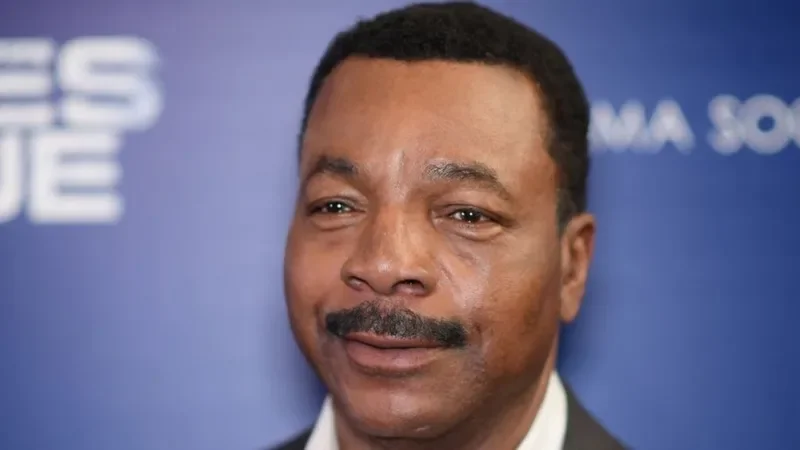
Carl Weathers
Born14 Jan, 1948
Died02 Feb, 2024
NationalityAmerican
Age at time of death76
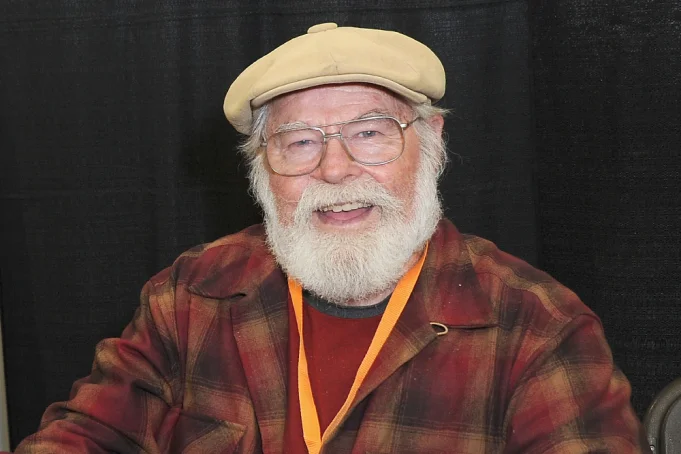
Charles Cyphers
Born28 Jul, 1939
Died04 Aug, 2024
NationalityAmerican
Age at time of death85
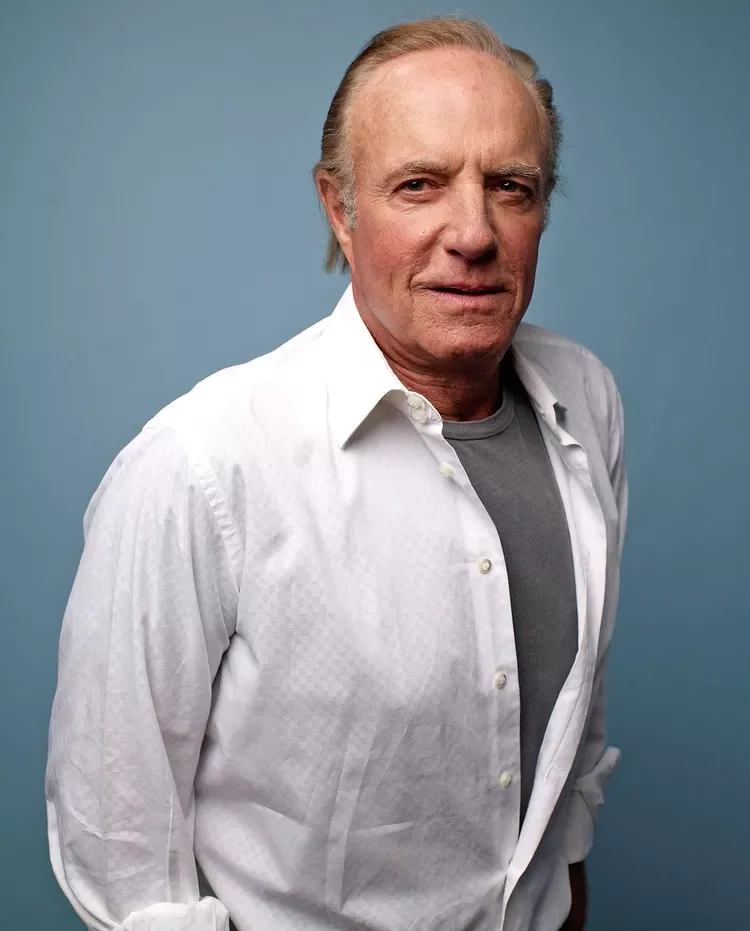
James Caan
Born26 Mar, 1940
Died06 Jul, 2022
NationalityAmerican
Age at time of death82
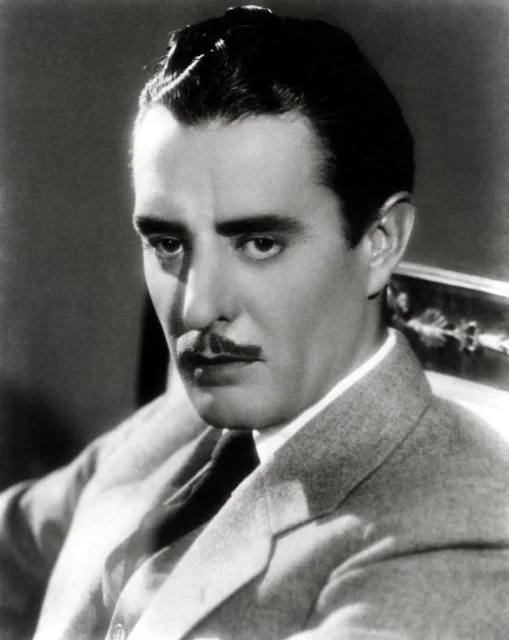
John Gilbert
Born09 Jul, 1897
Died09 Jan, 1936
NationalityAmerican
Age at time of death38
Pat Morita
Born28 Jun, 1932
Died24 Nov, 2005
NationalityAmerican
Age at time of death73
River Phoenix
Born23 Aug, 1970
Died31 Oct, 1993
NationalityAmerican
Age at time of death23
Sal Mineo
Born10 Jan, 1939
Died12 Feb, 1976
NationalityAmerican
Age at time of death37
Floyd Roger Myers Jr.
Born16 Aug, 1983
Died28 Oct, 2025
NationalityAmerican
Age at time of death42
Jerry Leggio
Born22 Sep, 1935
Died30 Sep, 2025
NationalityAmerican
Age at time of death90

John Woodvine
Born20 Jul, 1929
Died05 Oct, 2025
NationalityBritish
Age at time of death96
Ron Dean
Born14 Aug, 1938
Died04 Oct, 2025
NationalityAmerican
Age at time of death87

Charley Scalies
Born18 Jul, 1940
Died30 Apr, 2025
NationalityAmerican
Age at time of death84
David Ketchum
Born03 Feb, 1928
Died09 Aug, 2025
NationalityAmerican
Age at time of death97
Ed Williams
Born25 Nov, 1926
Died01 Oct, 2025
NationalityAmerican
Age at time of death98
Joe Don Baker
Born11 Feb, 1936
Died06 May, 2025
NationalityAmerican
Age at time of death89