Real Celebrities Never Die!
Enter your birthday to meet your past celebrity birthday twins.
OR
Died Age: 56
en.wikipedia.org
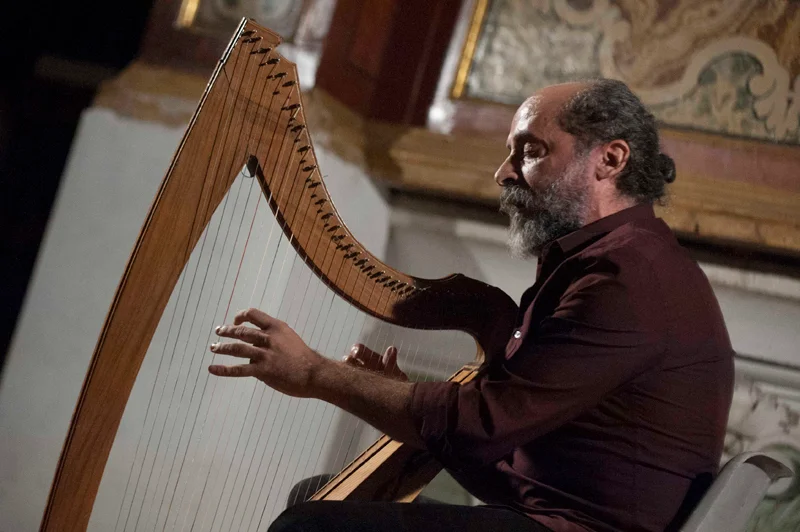
Francesco Benozzo
Birthday:
21 Feb, 1969
Date of Death:
21 Mar, 2025
Cause of death:
Undisclosed
Nationality:
Italian
Famous As:
Poet
Age at the time of death:
56
Francesco Benozzo 's Quote's

“It would have been better: a here and elsewhere without men, a dawn of ferns on the low tide rocks and a few poets for each territory.”
Francesco Benozzo
🔗 deadcelebrityhub.com
Early Life
Francesco Benozzo was a rare blend: a poet whose words sprang from ancient soil, a musician who invoked shamanic echoes, and a scholar who challenged prevailing ideas about the origins of language and culture. Across his lifetime, he built bridges between folklore and academia, dissent and melody, myth and philology. He remains a figure whose restless creativity and intellectual courage made him both a voice and a provocateur in the cultural life of our times.
Born in Modena, Italy, on 22 February 1969, Francesco Benozzo grew up in an environment that would seed his later passions: languages, ancient literatures, and the silent terrains of oral tradition. Though particulars of his family background—parents, siblings—are less documented, what is clear is that his upbringing in Northern Italy afforded him a strong grounding in both classical and vernacular traditions. The landscapes, dialects, and literary history of his region left their mark on him from an early age, sharpening his sensitivity to the interplay between culture, voice, and place.
Education
Benozzo’s academic journey unfolded in stages that both reflect deepening specialisation and widening reach. He earned a PhD in Romance Philology and Medieval Culture from the University of Bologna (1999) and another doctoral degree in Medieval and Celtic Philology from the University of Wales, Aberystwyth (2002). These twin doctorates set him on a path that wove together the medieval, the Celtic, the oral, and the vernacular.
His early academic work involved rigorous study of medieval Romance literatures—texts that survive in manuscripts, lyrics, epics—and also of Celtic traditions. He was drawn to questions of how language and culture persist across time, especially in forms outside the written canon. This curiosity ultimately led him to propose bold theories about the origins of human language, reaching back into prehistory.
Career Journey
Early Career
After completing his education, he joined the academic world at Bologna as a researcher in Romance and Celtic philology. He also taught abroad (including in Wales), delivering courses on medieval narratives, dialects, and Arthurian literature. These early years were devoted to laying solid foundations: critical editions, comparative linguistics, and developing a methodology that blended textual scholarship with attentive listening to cultural tradition.
Major Achievements & Turning Points
As his career advanced, Benozzo became the founder of key intellectual disciplines and movements. He established ethnophilology, a field merging philology, folkloristics, ethnography, and an attention to how communities transmit culture orally. He also developed what he called the concept of Homo Poeta, seeking to understand humanity through its earliest poetic impulses.
His research did not remain confined to academic journals. He published more than 800 works, including books in philology, linguistics, and essays on shamanism, the origins of language, and culture. Among his most provocative claims was that human language could date from as early as 3 million years ago, extending far beyond conventional timelines; fossils and other archaeological evidence were marshalled to support this idea.
Parallel to his scholarly output, Benozzo was a prolific poet and musician. He released numerous albums (over a dozen) and performed widely—with Celtic harp among his signature instruments. He brought poetry into performance: long epic poems, oral recitations, and musical collaborations. His artistry was recognised: honours such as the Giovanna Daffini National Prize (twice, in 2013 and 2015), special mention at the Edinburgh Folk Awards, and later prizes such as Poets from the Frontier in 2022.
He was also an outspoken public intellectual. He founded the Observatory against State Surveillance (OSS), the International Committee for Ethics in Biomedicine (CIEB), among other networks. He regularly used his work to question authority: not just political or institutional authority, but assumptions in science, culture, and how societies remember their past.
Later Career
In his later years, Benozzo held the position of Associate Professor of Romance Philology and Linguistics at the University of Bologna. He coordinated a PhD program in World Literature and Cultural Studies. His later works continued to explore the edges of literary expression: poems that blended myth, landscape, and oral tradition; philological texts that challenged established scholarly consensus.
He continued to gain international recognition: always in nomination for the Nobel Prize in Literature since 2015; in 2022, he won Poets from the Frontier; in 2019, he was granted an Honorary Fellowship by the Poetry Foundation of Chicago. His concerts spanned Europe, the Americas, and beyond. His voice, in lectures, in performance, in essays, remained restless, never satisfied with easy boundaries.
Personal Life
Benozzo lived in Bologna, deeply embedded in its university life. Though he was a public figure, he maintained a sense of mystery—he balanced being a rigorous scholar with being an artist who valued poetic experience over applause. He was committed to principles: political, ethical, and artistic. He identified with anarchist intellectual traditions; his humanism was explicitly anti‐authoritarian.
Among the quirks: he often composed orally before committing to text; he played the Celtic harp not simply as accompaniment but as a voice that shaped the poem itself. These are small details, but they reveal a person for whom the boundary between scholarship, art, ethics, and living was porous.
Legacy
Francesco Benozzo died on 22 March 2025, at age 56. But even in passing, he leaves a vivid legacy that continues to resonate:
A renewed sense that poetry is not luxury but necessity—an act of questioning, of remembrance, of connection to the soil, the forest, the past, and the oral voices often forgotten.
A body of scholarship that pushes philology beyond dry text criticism into conversations with anthropology, archaeology, linguistics, and the prehistory of human expression.
Institutions and networks he founded that will continue work in surveillance ethics, biomedicine and public responsibility, and protection of human rights.
A life lived in defiance of complacency, where art and thought were tools of resistance—his voice remains an invitation: to listen, to wander, and to imagine differently.
Francesco Benozzo’s story is not one of conventional fame but of uncommon depth. He challenged us to rethink the roots of language, to trust the oral, to listen to the wild borderlands between words and silence. His legacy will endure not just in what he wrote or performed, but in how he made us hear the ancient song beneath our modern tongues.
Profile Snapshot
Name:
Francesco Benozzo
Popular Name:
Francesco Benozzo
Gender:
Male
Cause of Death:
Undisclosed
Spouse:
Unknown
Place of Birth:
Modena, Italy
Place of Death:
Italy
Occupation / Profession:
Poet
Musician
Philologist
Personality Type
Virtuoso: A visionary thinker and poetic rebel, Francesco Benozzo built bridges between knowledge and imagination, always guided by his own unshakable sense of purpose.
Francesco Benozzo 's Interesting Facts
Benozzo was honoured with the title Bardo Honorário by the Assembleia da Tradição Lusitana in Portugal — a ceremonial title recognising his role as a bard and interpreter of oral tradition.
He founded the International Committee for Ethics in Biomedicine (CIEB) and the Observatory against State Surveillance (OSS), showing that his work extended beyond poetry and scholarship into activism on ethics, human rights, and civil liberties.
During the COVID-19 period, he was suspended from his academic duties for several months because of his opposition to the Green Pass system, reflecting how his convictions sometimes placed him in conflict with institutional policies.
Achievements & Awards
Benozzo has published over 800 works and released more than a dozen albums, marking him not just as a scholar but also as a prolific artist and musician.
He won the Giovanna Daffini National Prize for Music twice (in 2013 and 2015), received a special mention by critics at the Edinburgh Folk Awards in 2003, and was awarded the ‘Best World Roots Album’ by RootsWorld (USA) in 2010.
In 2019, he was granted an Honorary Fellowship by the Poetry Foundation of Chicago; in 2022, he won the Poets from the Frontier international prize; and since 2015, he has been publicly nominated by various academies for the Nobel Prize in Literature.
Latest Profiles
People also viewed
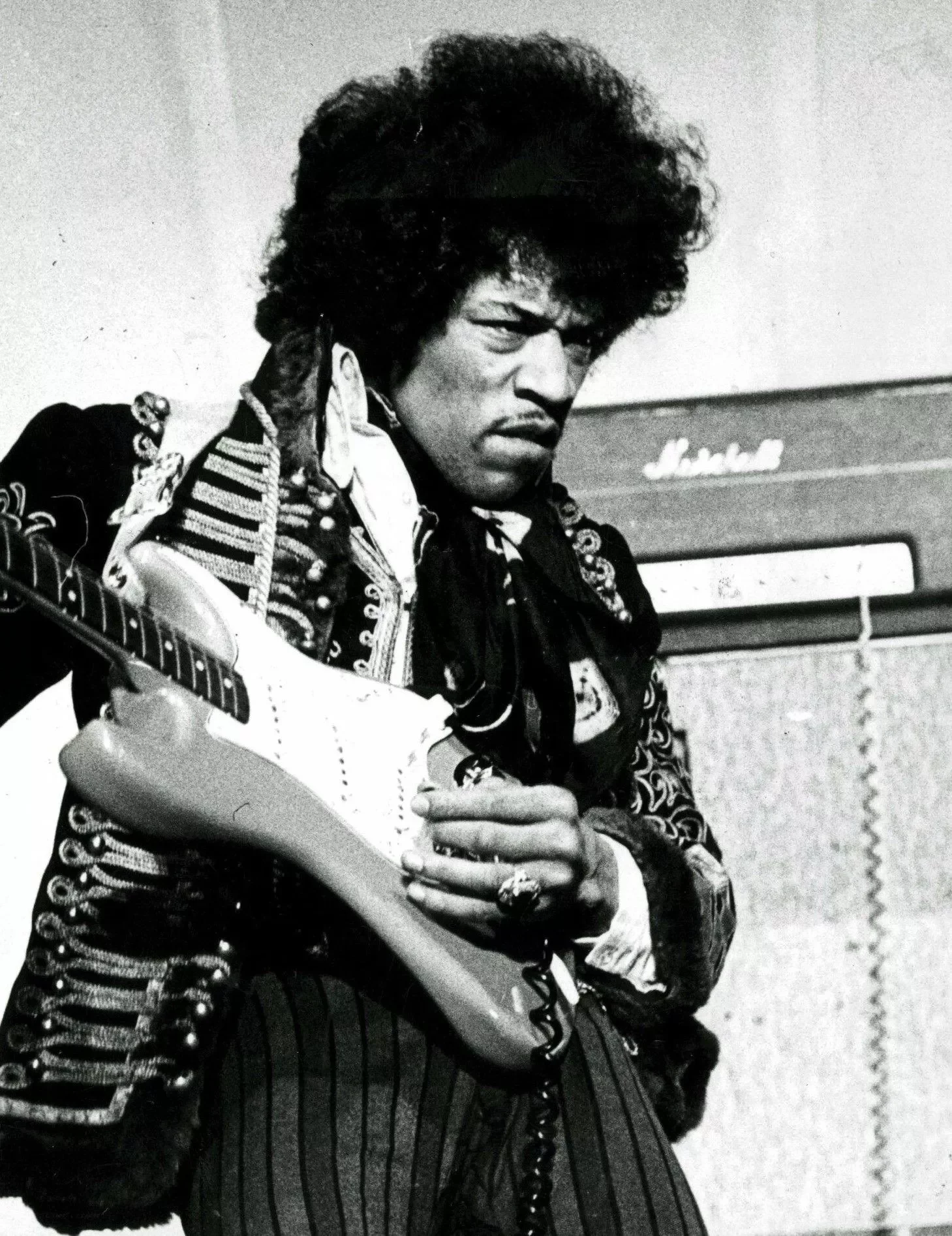
Jimi Hendrix
Born27 Nov, 1942
Died18 Sep, 1970
NationalityAmerican
Age at time of death27
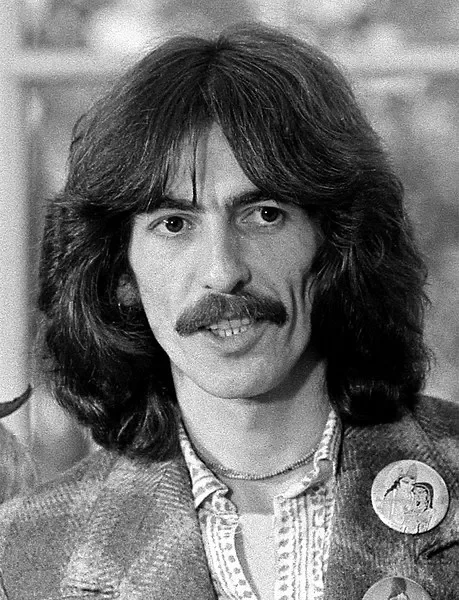
George Harrison
Born25 Feb, 1943
Died29 Nov, 2001
NationalityBritish
Age at time of death58
Johnny Ace
Born09 Jun, 1929
Died25 Dec, 1954
NationalityAmerican
Age at time of death25
Phyllis Diller
Born17 Jul, 1917
Died20 Aug, 2012
NationalityAmerican
Age at time of death95
Rabindranath Tagore
Born07 May, 1861
Died08 Aug, 1941
NationalityIndian
Age at time of death80
Leonie Nelly Sachs
Born10 Dec, 1891
Died12 May, 1970
NationalityGerman, Swedish
Age at time of death78
Joyce Kilmer
Born06 Dec, 1886
Died30 Jul, 1918
NationalityAmerican
Age at time of death31
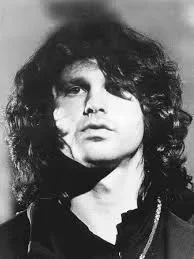
Jim Morrison
Born08 Dec, 1943
Died03 Jul, 1971
NationalityAmerican
Age at time of death27
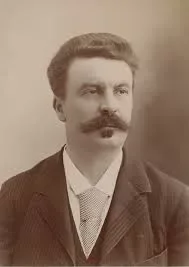
Guy de Maupassant
Born05 Aug, 1850
Died06 Jul, 1893
NationalityFrench
Age at time of death42
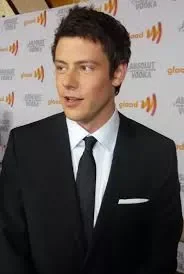
Cory Monteith
Born11 May, 1982
Died13 Jul, 2013
NationalityCanadian
Age at time of death31
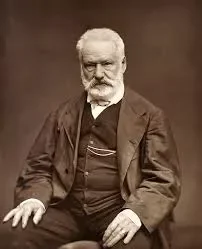
Victor Hugo
Born26 Feb, 1802
Died22 May, 1885
NationalityFrench
Age at time of death83
Adam Yauch
Born05 Aug, 1964
Died04 May, 2012
NationalityAmerican
Age at time of death47
Waylon Jennings
Born15 Jun, 1937
Died13 Feb, 2002
NationalityAmerican
Age at time of death64
Chuck Berry
Born18 Oct, 1926
Died18 Mar, 2017
NationalityAmerican
Age at time of death90
Karen Carpenter
Born02 Mar, 1950
Died04 Feb, 1983
NationalityAmerican
Age at time of death32
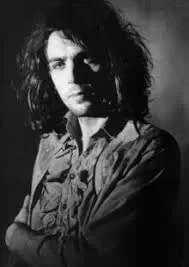
Syd Barrett
Born06 Jan, 1946
Died07 Jul, 2006
NationalityEnglish
Age at time of death60
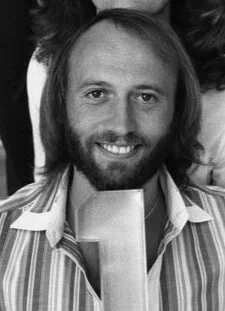
Maurice Gibb
Born22 Dec, 1949
Died12 Jan, 2003
NationalityBritish
Age at time of death53
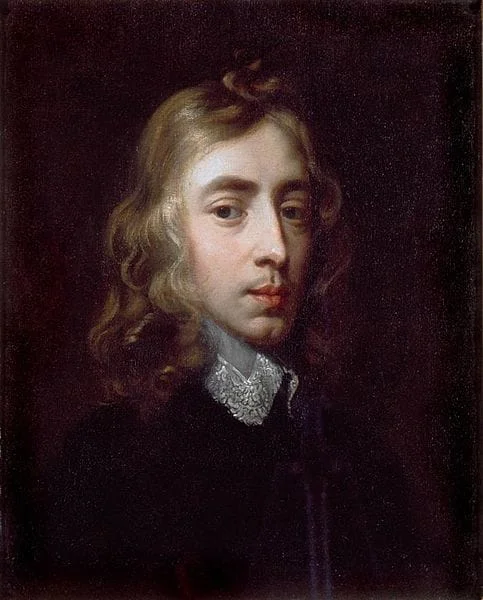
John Milton
Born09 Dec, 1608
Died08 Nov, 1674
NationalityEnglish
Age at time of death65
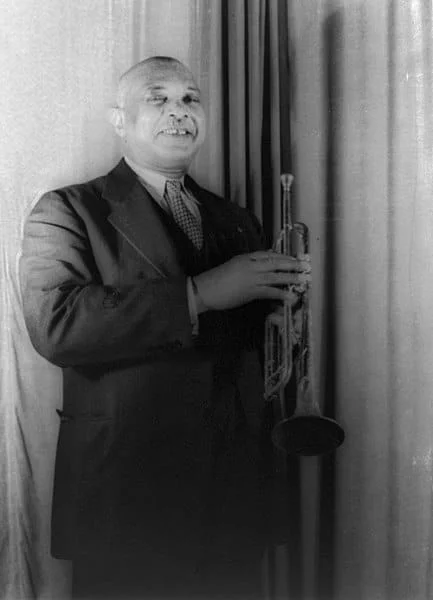
W.C. Handy
Born16 Nov, 1873
Died28 Mar, 1958
NationalityAmerican
Age at time of death84
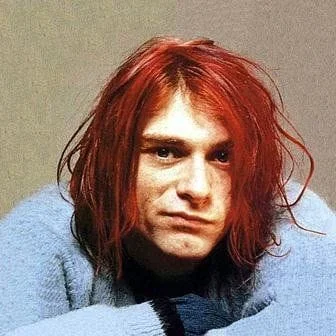
Kurt Cobain
Born20 Feb, 1967
Died05 Apr, 1994
NationalityAmerican
Age at time of death27