Real Celebrities Never Die!
Enter your birthday to meet your past celebrity birthday twins.
OR
Died Age: 78
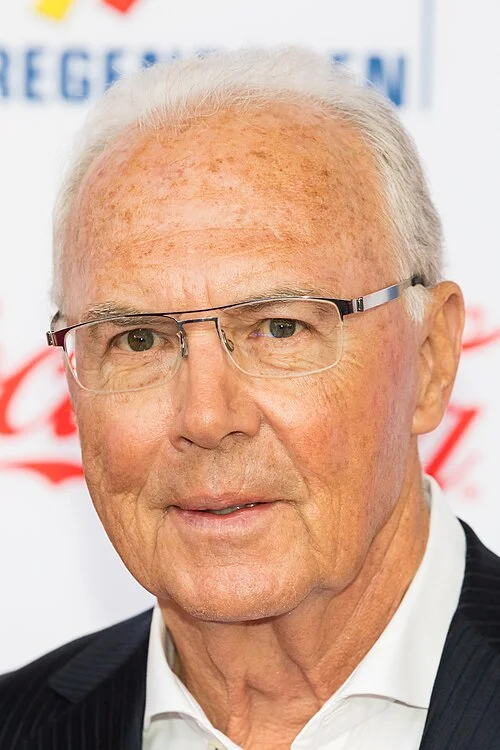
wikipedia.org
Franz Beckenbauer
Birthday:
11 Sep, 1945
Date of Death:
07 Jan, 2024
Cause of death:
Natural causes
Nationality:
German
Famous As:
Football Administrator
Age at the time of death:
78
Franz Anton Beckenbauer's Quote's

“I always wanted to be a footballer, nothing else.”
Franz Anton Beckenbauer
🔗 deadcelebrityhub.com
Early Years and Rise to Stardom
Franz Anton Beckenbauer, known as “Der Kaiser” (The Emperor), was born on September 11, 1945, in Munich, Germany. He grew up in the working-class district of Giesing, the second son of postal worker Franz Beckenbauer Sr. and his wife Antonie. Even though his father was skeptical of football, Franz developed an early love for the sport. Beckenbauer’s journey in football began at the age of nine when he joined SC Munich ‘06 in 1954. His exceptional talent was evident from the start, and he soon caught the attention of larger clubs. In 1959, following a contentious youth tournament, Beckenbauer joined Bayern Munich’s youth team instead of his favorite club 1860 Munich, a decision that would shape his illustrious career. At Bayern Munich, Beckenbauer quickly rose through the ranks. He made his debut for the first team in 1964, helping the club win promotion to the Bundesliga. His elegant style of play and tactical intelligence soon made him a standout player, and he became the team captain in the 1968-69 season.
Revolutionary Player and Tactical Innovator
Beckenbauer revolutionized the role of the sweeper (libero) in football. His ability to read the game, coupled with his exceptional ball control and vision, allowed him to seamlessly transition from defense to attack. This innovative approach transformed defensive strategies and influenced the way teams structured their defenses for years to come.
Glittering Career and Achievements
Beckenbauer’s trophy cabinet is a testament to his greatness. With Bayern Munich, he won four Bundesliga titles, four DFB Cups, three European Cups, and the Intercontinental Cup. On the international stage, he led West Germany to victory in the 1972 European Championship and the 1974 World Cup. Individually, Beckenbauer was honored with the Ballon d’Or twice, in 1972 and 1976. He was named German Footballer of the Year four times and became the first player to reach 100 caps for West Germany.
Success as a Manager and Administrator
After retiring as a player, Beckenbauer continued to make his mark on football. He guided West Germany to World Cup victory as manager in 1990, becoming one of only three individuals to win the World Cup as both player and coach. Beckenbauer also had successful stints as manager of Olympique de Marseille and Bayern Munich. Later, he served as president of Bayern Munich, playing a crucial role in transforming the club into a global powerhouse.
Personal Life and Legacy
Beckenbauer’s personal life was as eventful as his professional career. He was married three times and had five children. His last marriage was to Heidi Burmester in 2006, which lasted until his death. Franz Beckenbauer passed away peacefully on January 7, 2024, at the age of 78, in Salzburg, Austria. His death marked the end of an era in football, leaving behind a legacy that transcends the sport. Beckenbauer’s influence on football is immeasurable. He redefined defensive play, set new standards for leadership on and off the field, and played a pivotal role in Germany’s successful bid to host the 2006 FIFA World Cup. The football world mourned the loss of “Der Kaiser,” with Bayern Munich stating, “The world of FC Bayern is no longer what it used to be - suddenly darker, quieter, poorer”. Franz Beckenbauer’s name will forever be synonymous with footballing excellence, tactical innovation, and unparalleled success across all facets of the beautiful game.
Profile Snapshot
Name:
Franz Anton Beckenbauer
Popular Name:
Franz Beckenbauer
Gender:
Male
Cause of Death:
Natural causes
Spouse:
Brigitte Wittmann
Sybille Wiemer
Heidi Burmester
Place of Birth:
Munich, Bavaria, Germany
Place of Death:
Salzburg, Austria
Occupation / Profession:
Football Administrator
Football Player
Manager
Personality Type
Commander: Bold, imaginative and strong-willed leaders, always finding a way or making one. Franz Beckenbauer. Was known for leadership, vision, and decisiveness—traits evident in his playing and managerial style, though this is speculative.
Franz Anton Beckenbauer's Interesting Facts
He’s one of three men (with Mário Zagallo and Didier Deschamps) to win the World Cup as both player and manager.
Led Germany’s successful 2006 World Cup hosting bid, later marred by corruption allegations.
Nicknamed "Der Kaiser" after posing near a bust of Emperor Franz Joseph I.
Played with a dislocated shoulder in the 1970 World Cup semifinal against Italy.
Achievements & Awards
Inducted into the National Soccer Hall of Fame (U.S.) in 1998.
Received two Ballon d’Or awards (1972, 1976).
Won the European Championship in 1972.
Won the FIFA World Cup as player (1974) and manager (1990).
Won three European Cups with Bayern Munich (1974–1976).
External Links
Additional Links
https://en.wikipedia.org/wiki/Franz_Beckenbauerhttps://fcbayern.com/en/news/2020/09/on-franz-beckenbauers-trailhttps://fcbayern.com/en/news/2024/01/franz-beckenbauer-s-records-and-statshttps://seo.goover.ai/report/202406/go-public-report-en-4d36c790-5ad5-4b9e-87c4-fa27bbca92ba-0-0.htmlhttps://www.4to40.com/biographies-for-kids/franz-beckenbauer/https://www.bbc.com/sport/football/67917047https://www.britannica.com/biography/Franz-Beckenbauerhttps://www.footballhistory.org/player/franz-beckenbauer.htmlhttps://www.sportskeeda.com/player/franz-beckenbauerhttps://www.whosdatedwho.com/dating/franz-beckenbauer
Latest Profiles
People also viewed
Walter Chrysler
Born02 Apr, 1875
Died18 Aug, 1940
NationalityAmerican
Age at time of death65
Walter Payton
Born25 Jul, 1953
Died01 Nov, 1999
NationalityAmerican
Age at time of death46
Franz Beckenbauer
Born11 Sep, 1945
Died07 Jun, 2024
NationalityGerman
Age at time of death78
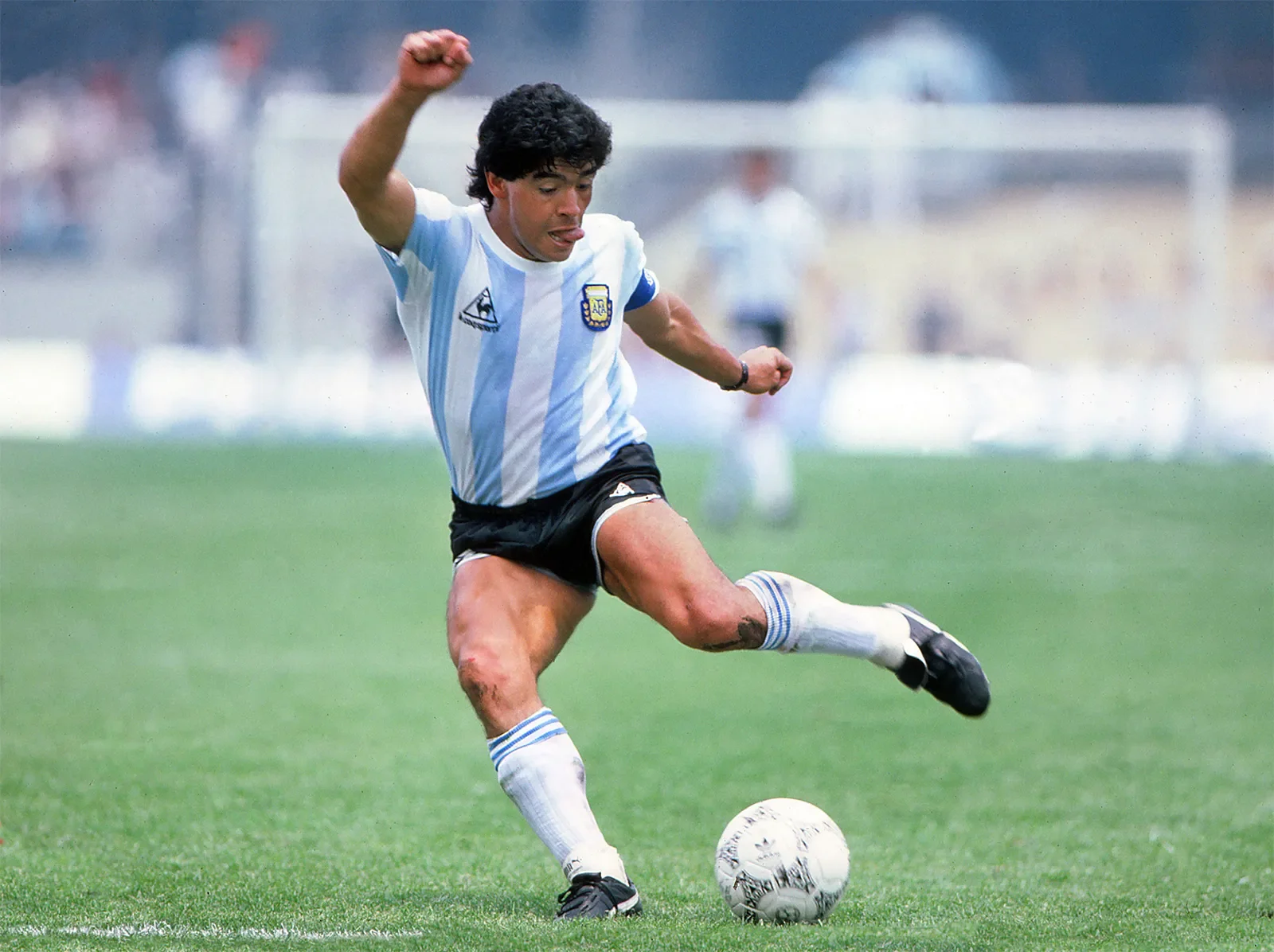
Diego Maradona
Born30 Oct, 1960
Died25 Nov, 2020
NationalityArgentine
Age at time of death60
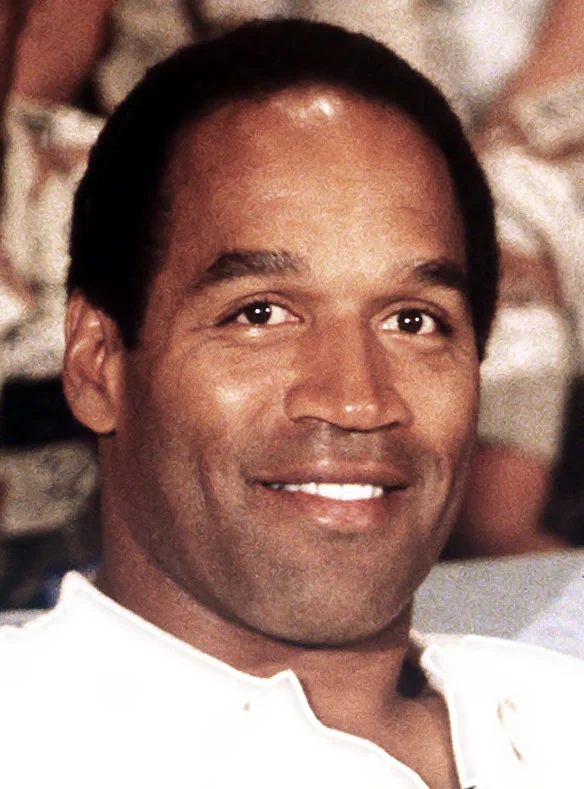
O.J. Simpson
Born09 Jul, 1947
Died10 Apr, 2024
NationalityAmerican
Age at time of death76
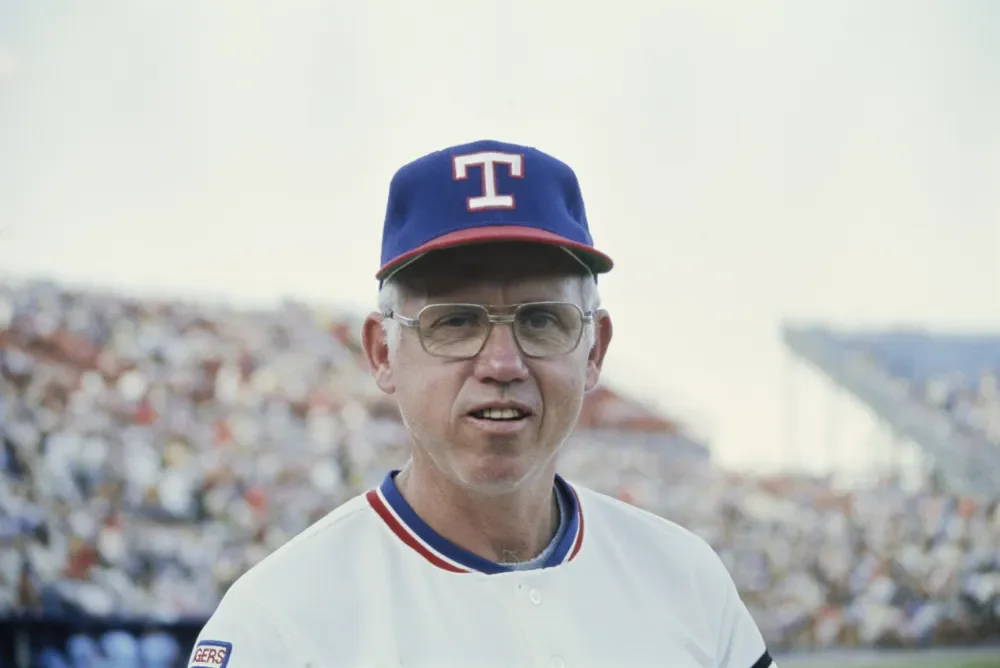
Billy Hunter
Born03 Jun, 1928
Died02 Jul, 2025
NationalityAmerican
Age at time of death97
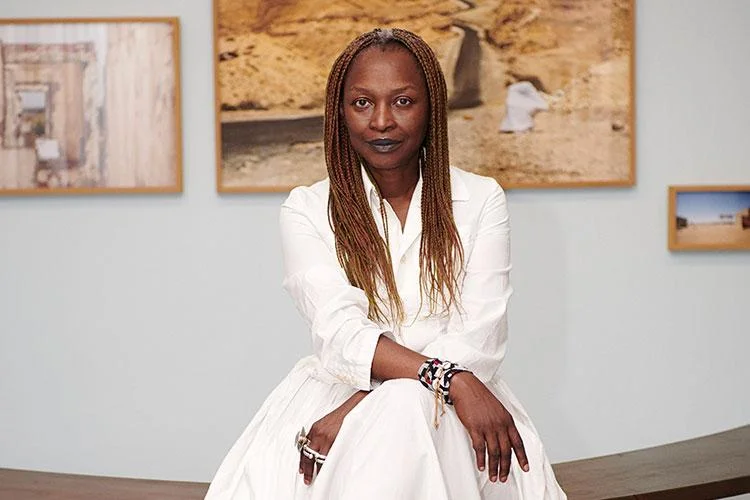
Koyo Kouoh
Born23 Dec, 1967
Died09 May, 2025
NationalityCameroonian
Age at time of death57
Lee Elia
Born15 Jul, 1937
Died08 Jul, 2025
NationalityAmerican
Age at time of death87
Peter Tuiasosopo
Born23 May, 1963
Died09 Feb, 2025
NationalityAmerican
Age at time of death61
Ryne Sandberg
Born07 Sep, 1959
Died27 Jul, 2025
NationalityAmerican
Age at time of death65