Real Celebrities Never Die!
Enter your birthday to meet your past celebrity birthday twins.
OR
Died Age: 78
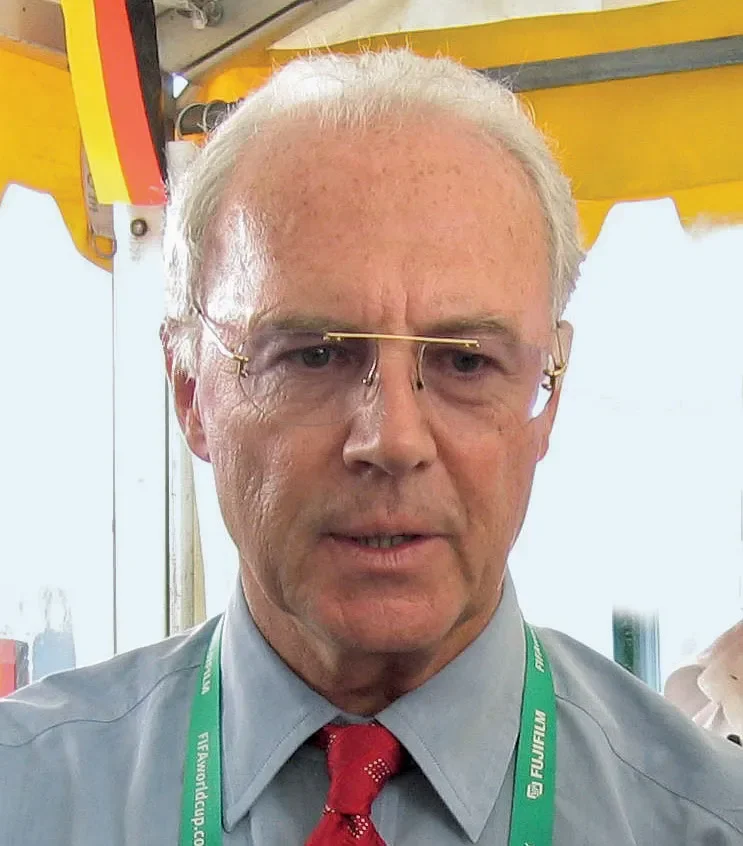
britannica.com
Franz Beckenbauer
Birthday:
11 Sep, 1945
Date of Death:
07 Jun, 2024
Cause of death:
Natural causes
Nationality:
German
Famous As:
German professional football player
Age at the time of death:
78
Franz Anton Beckenbauer's Quote's

“Bobby (Bobby Moore) was my football idol. I looked up to him. I was so proud to have played against him.”
Franz Anton Beckenbauer
🔗 deadcelebrityhub.com
Early Life: A Munich Boy with a Football Dream
In the world of football, few figures command reverence like Franz Beckenbauer. Elegant, commanding, and visionary, he wasn’t just a player—he was an architect of the modern game. Nicknamed “Der Kaiser” for his regal presence and leadership, Beckenbauer glided across the pitch with an ease that seemed almost effortless, blending artistry with tactical brilliance.
Whether orchestrating play from deep in defense, lifting the World Cup as captain and manager, or transforming Bayern Munich into a European powerhouse, Beckenbauer’s influence was seismic. His story is not just one of personal triumph, but of a man who reshaped the game he loved—on and off the field.
Franz Anton Beckenbauer was born on September 11, 1945, in Munich, just months after the end of World War II. Germany was in ruins, but for young Franz, football became a means of escape and expression—a way to make sense of a fractured world.
He grew up in Giesing, a working-class neighborhood, and kicked his first football in the shadow of postwar rubble. From an early age, he displayed not just natural talent, but an intelligence and calmness beyond his years. At 14, he joined the youth ranks of Bayern Munich, even though he had originally supported their rivals, 1860 Munich.
Trivia: A punch during a heated youth match against 1860 changed his trajectory forever—he switched allegiances and joined Bayern. The rest is history.
Education: Lessons from the Pitch
Though Beckenbauer did not pursue formal higher education, the pitch was his classroom, and the game, his lifelong study. He learned by doing—observing patterns, exploiting space, and understanding the psychology of opponents. His ability to read the game would become his greatest strength.
As a teenager, he rose swiftly through Bayern’s ranks, making his senior debut in 1964. He played not with brute force, but with grace and poise, pioneering a role that had barely existed.
Career Journey
Phase One: Reinventing the Game as Player
Beckenbauer burst into the footballing world in the 1960s with a style that was revolutionary. As a sweeper (or libero), he reimagined defense—not as a wall, but as a launching pad. Instead of merely stopping attacks, he began them, often drifting into midfield or delivering pinpoint passes forward.
At Bayern Munich, he captained the team to three consecutive European Cups (1974–1976), four Bundesliga titles, and numerous domestic honors. His calm under pressure and elegance on the ball earned him accolades worldwide.
For West Germany, Beckenbauer was just as iconic. He led the national team to victory at the 1972 European Championship and then to World Cup glory in 1974, defeating the legendary Dutch side led by Johan Cruyff. His leadership, tactical brain, and grace under fire made him the perfect captain—stoic, strategic, and unflappable.
Fun Fact: In the 1970 World Cup semifinal against Italy—known as the "Game of the Century"—Beckenbauer played extra time with a dislocated shoulder, his arm in a sling. Germany lost, but his warrior-like resolve became the stuff of legend.
Phase Two: Mastermind from the Sidelines
As if conquering the game as a player wasn’t enough, Beckenbauer transitioned into management and delivered one of football’s rarest feats: winning the World Cup both as a player (1974) and as a manager (1990).
Under his guidance, West Germany’s 1990 squad played disciplined, intelligent football, culminating in a hard-fought victory over Argentina. He didn’t shout or micromanage—he trusted his players and orchestrated from a distance, much like his playing days.
He later managed Olympique de Marseille and returned to Bayern Munich as club president and executive, helping shape its long-term success.
Phase Three: Architect of Modern Football Leadership
Off the field, Beckenbauer became one of the most powerful figures in world football. As head of Germany’s bid to host the 2006 FIFA World Cup, he spearheaded a campaign that brought the tournament back to a reunified Germany—an event widely praised for its atmosphere and organization.
Though his post-career years were not without controversy—including questions around Germany's World Cup bid and FIFA dealings—his reputation as a visionary of the game endured.
Personal Life: Style, Charm, and Private Struggles
Known for his charm and sophistication, Beckenbauer lived a life in the public eye but maintained a certain mystique. He was married three times and had several children, including Stephan Beckenbauer, who also played professionally before passing away young—a tragedy that deeply affected him.
Off the field, he was known for his love of golf, fine suits, and relaxed demeanor. Rarely flustered, always composed, Beckenbauer seemed to glide through life with the same fluidity he showed on the pitch.
Legacy: The Emperor’s Enduring Reign
Franz Beckenbauer didn’t just play football—he elevated it. He showed the world that defenders could be artists, that leadership could be quiet yet decisive, and that vision mattered as much as skill. His innovations helped birth the modern era of tactical fluidity, inspiring generations of players and coaches.
In Germany, he is more than a legend—he is a national symbol of elegance, resilience, and sporting excellence. Around the world, he is remembered not just for his trophies, but for the way he played: with dignity, creativity, and command.
When he passed away in January 2024, the global football community mourned the loss of a true maestro. Tributes poured in from every corner of the sport—from FIFA to street footballers—proof of a legacy that transcended generations.
Franz Beckenbauer didn’t need to shout to be heard. He led through grace, thought through motion, and changed football forever. The game he left behind is faster and flashier, but still carries traces of his imprint—in every intelligent pass, every bold move forward from defense, every captain who leads with vision instead of volume.
He was Der Kaiser. And his reign, in spirit, lives on.
Profile Snapshot
Name:
Franz Anton Beckenbauer
Popular Name:
Franz Beckenbauer
Gender:
Male
Cause of Death:
Natural causes
Spouse:
Heidi Beckenbauer
Place of Birth:
Munich, Southwest zone, Allied-occupied Germany
Place of Death:
Salzburg, Austria
Occupation / Profession:
German professional football player
Manager
Official
Personality Type
Architect Imaginative and strategic thinkers, with a plan for everything. Franz Beckenbauer was a visionary and strategic leader, combining intellect, discipline, and foresight to reshape the game of football and lead with calm precision.
Franz Anton Beckenbauer's Interesting Facts
After retiring from playing, he also became an influential football administrator and helped bring the 2006 World Cup to Germany.
Beckenbauer won the FIFA World Cup both as a player (1974) and as a manager (1990), a rare achievement.
Franz Beckenbauer is famously known as "Der Kaiser" for his elegant style and leadership on the soccer field.
He revolutionized the role of the sweeper (libero), making it a key position in modern football tactics.
Achievements & Awards
Franz Beckenbauer won the Ballon d'Or twice, in 1972 and 1976, and is one of the few players to win the FIFA World Cup both as a player (1974) and as a manager (1990)
He also led Bayern Munich to three consecutive European Cups (1974–1976) and earned the nickname "Der Kaiser" for his elegant style and leadership.
External Links
Additional Links
Latest Profiles
People also viewed
Walter Chrysler
Born02 Apr, 1875
Died18 Aug, 1940
NationalityAmerican
Age at time of death65
Diego Maradona
Born30 Oct, 1960
Died25 Nov, 2020
NationalityArgentine
Age at time of death60
Franz Beckenbauer
Born11 Sep, 1945
Died07 Jan, 2024
NationalityGerman
Age at time of death78
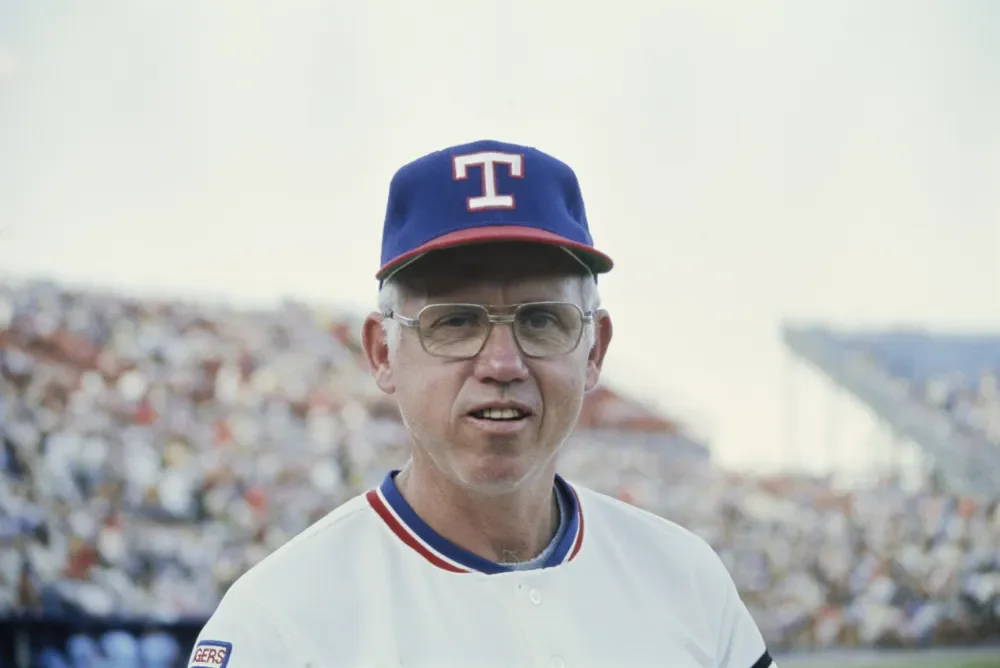
Billy Hunter
Born03 Jun, 1928
Died02 Jul, 2025
NationalityAmerican
Age at time of death97
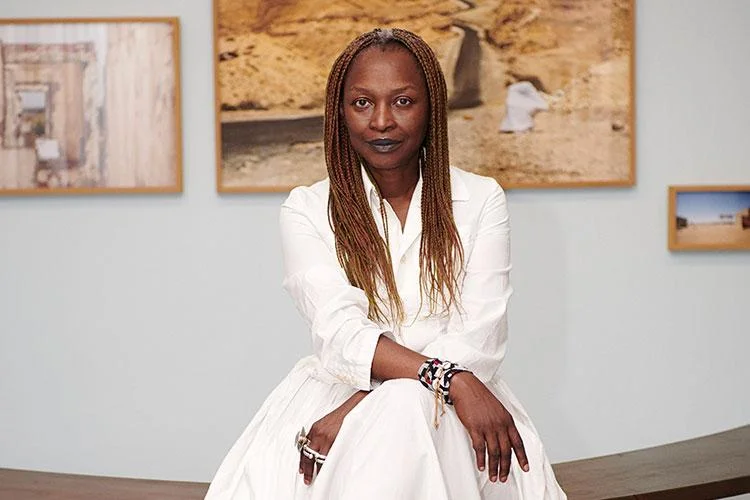
Koyo Kouoh
Born23 Dec, 1967
Died09 May, 2025
NationalityCameroonian
Age at time of death57
Lee Elia
Born15 Jul, 1937
Died08 Jul, 2025
NationalityAmerican
Age at time of death87
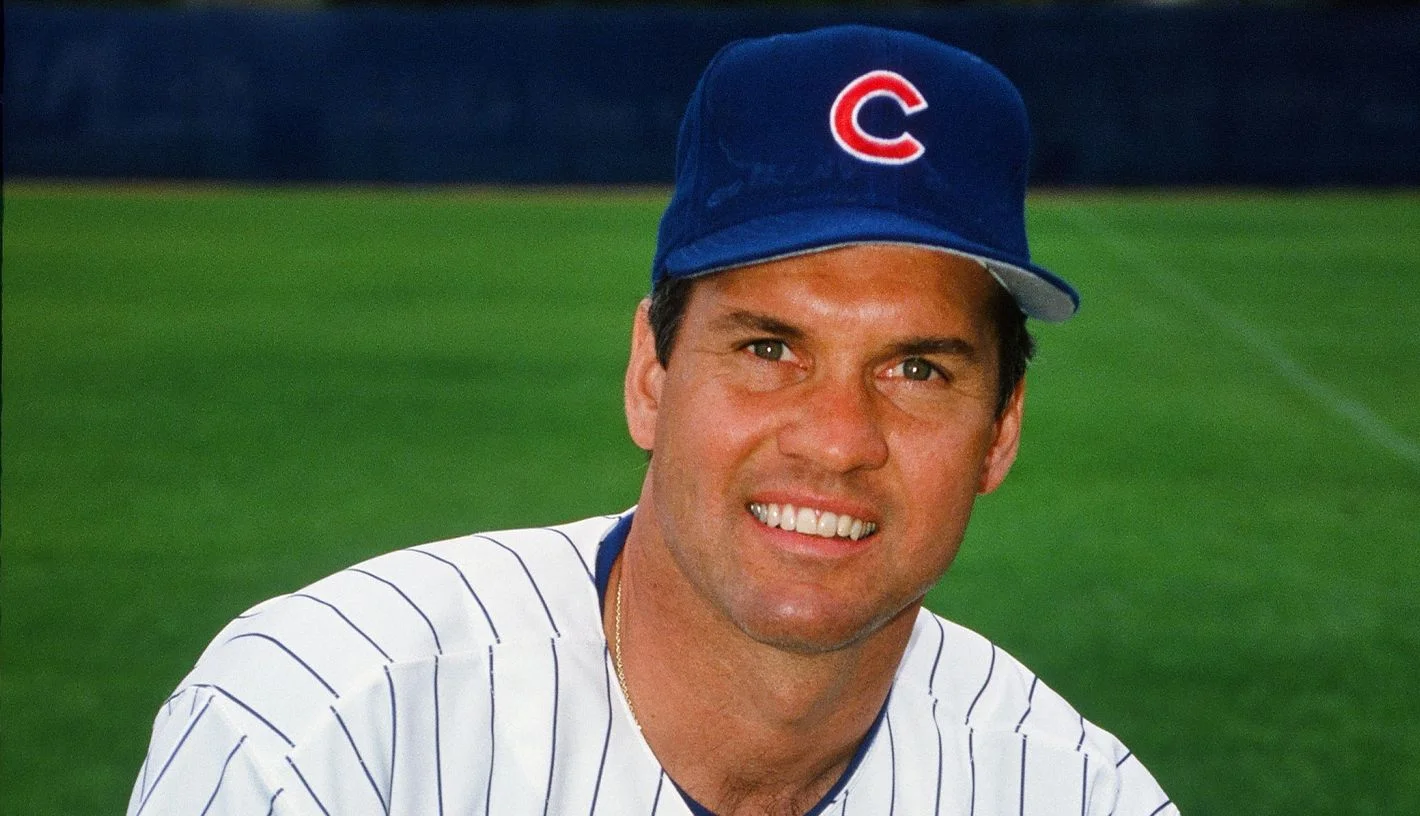
Ryne Sandberg
Born07 Sep, 1959
Died27 Jul, 2025
NationalityAmerican
Age at time of death65