Real Celebrities Never Die!
OR
Search For Past Celebrities Whose Birthday You Share
Died Age: 75
source:wikipedia.org
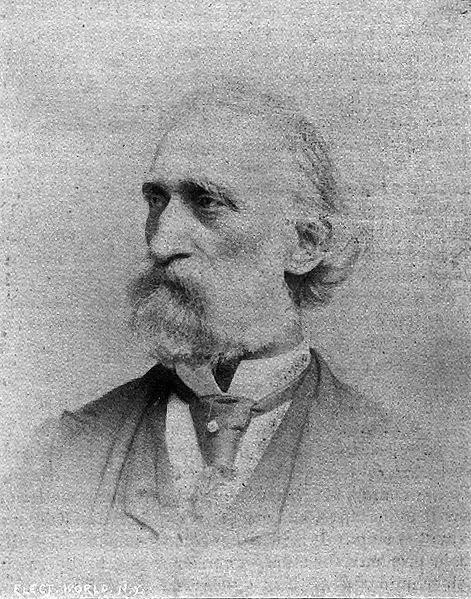
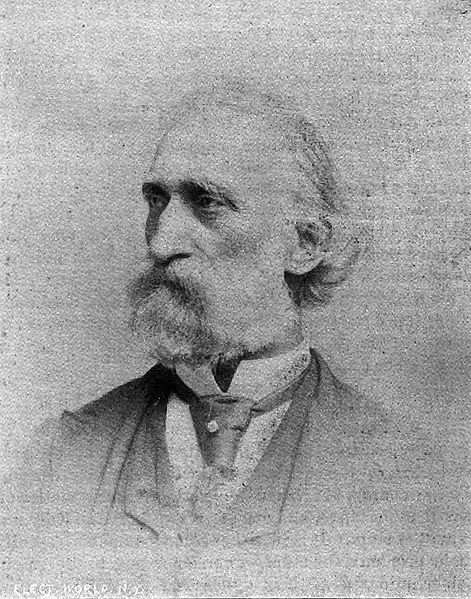
Henry Goebel
Birthday:
20 Apr, 1818
Date of Death:
04 Dec, 1893
Cause of death:
Natural causes
Nationality:
German, American
Famous As:
Inventor
Age at the time of death:
75
Henry Goebel's Quote's
“An idea is worth little if it doesn’t illuminate.”
Henry Goebel
🔗 deadcelebrityhub.com
Early Life and Education
Born on April 20, 1818, in Springe, Germany, Heinrich Göbel, later known as Henry Goebel, was a German-American precision mechanic and inventor whose claim to have invented the incandescent light bulb before Thomas Edison and sparked controversy in the late 19th century.
Growing up in Springe, a small village near Hanover with less than 2,000 inhabitants, young Heinrich’s childhood was modest. His father, Heinrich Christian Göbel, worked as a gardener and later as a door-to-door chocolate salesman. Heinrich finished school in 1832 with poor marks, though one teacher noted his “inventive mind” and attributed his academic struggles to lengthy illness.
In 1834, Goebel began a three-year apprenticeship with master locksmith Gerhard Linde in Springe. It’s unclear if he completed this training, but by 1837, he had started working as a repair mechanic. This hands-on experience would prove invaluable in his future endeavors.
Journey to America and Family Life
In 1844, Goebel married Sophie Lübke née Rodewig. The couple had two children: Johann Carl, born in 1846, and Marie Sophie, born in 1848. That same year, at the age of 30, Goebel and his family embarked on a new adventure, emigrating to New York City.
Professional Career in America
Upon arriving in New York, Goebel opened a shop on Monroe Street, advertising himself as a jeweler, horologist, and optician. To supplement his income, he constructed a large telescope, which he would transport on a horse wagon to Union Square in the evenings. For a small fee, people could use his telescope to observe the stars, earning him the nickname “the telescope-man” among locals.
Goebel became an American citizen in 1865, officially changing his name to Henry Goebel. That same year, he received his first patent for a “Hemmer for sewing machines,” inspired by a desire to make his daughter’s sewing work easier.
The Incandescent Lamp Controversy
In 1893, near the end of Goebel’s life, reports emerged claiming that he had developed incandescent light bulbs comparable to Edison’s 25 years earlier, in the 1850s. This claim became known as the “Göbel defense” when used by companies sued by Edison’s Electric Light Company for patent infringement.
According to these reports, Goebel had produced electric lights since the 1850s, showcasing lamps with high-resistance carbon filaments made from carbonized bamboo. However, he never applied for a patent for this invention, nor did he publish any papers on his findings.
Legacy and Controversy
The validity of Goebel’s claim to have invented the incandescent lamp before Edison remains a subject of debate. Critics argue that it’s highly improbable Goebel could have constructed a practical incandescent lamp in 1854, given the state of electrical knowledge at the time and the limited resources available to him.
Henry Goebel passed away on December 4, 1893, in New York City, at the age of 75. The debate over whether Goebel actually predates Edison’s invention aside, his story brings attention to the intricate and sometimes controversial world of invention and patent rights in the late 19th century.
Today, Goebel’s lasting influence is a reminder of the numerous inventors and tinkerers whose important roles in science and technology may have been overlooked. Historians and early electrical technology enthusiasts are still fascinated by his story, leading to debates on invention and the importance of documentation in scientific priority.
Profile Snapshot
Name:
Henry Goebel
Popular Name:
Henry Goebel
Gender:
Male
Cause of Death:
Natural causes
Spouse:
Sophie Lübke née Rodewig
Place of Birth:
Springe, Kingdom of Hanover (now Germany)
Place of Death:
New York City, New York, United States
Occupation / Profession:
Inventor
Mechanic
Personality Type
Virtuoso: Bold and practical experimenters, masters of all kinds of tools. He is recognized for his practical approach to experimentation, with a focus on innovation and mechanical troubleshooting.
Henry Goebel's Interesting Facts
Goebel’s claim to have invented the incandescent lamp led to legal disputes after Edison patented his own version
He emigrated to the U.S. in the 1840s and continued his experiments with light and optics
His early lamps used charred bamboo filaments, a precursor to later filament designs
Worked as a watchmaker before focusing on lighting
Achievements & Awards
Created an early version of the incandescent light in the 1850s, although its commercial success and functionality were debated
Pioneered various lighting innovations and claimed to predate Edison’s patent by several decades
External Links
Latest Profiles
People also viewed
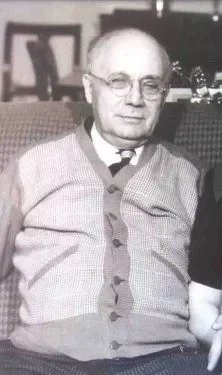
Otto Frederick Rohwedder
Born28 Jul, 1880
Died08 Nov, 1960
NationalityAmerican
Age at time of death80
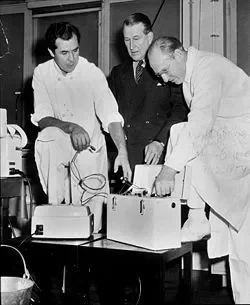
Rune Elmqvist
Born01 Dec, 1906
Died15 Dec, 1996
NationalitySwedish
Age at time of death90
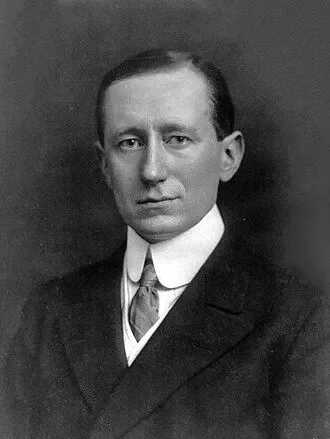
Guglielmo Marconi
Born25 Apr, 1874
Died20 Jul, 1937
NationalityItalian
Age at time of death63
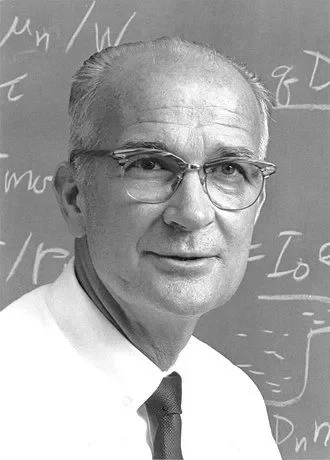
William Shockley
Born13 Feb, 1910
Died12 Aug, 1989
NationalityAmerican
Age at time of death79
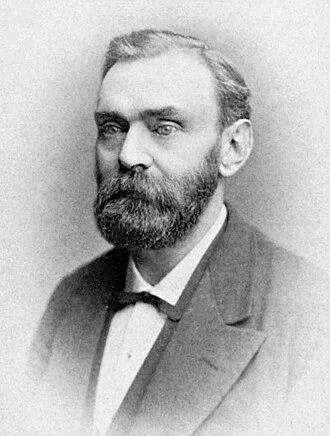
Alfred Nobel
Born21 Oct, 1833
Died10 Dec, 1896
NationalitySwedish
Age at time of death63
Clarence Birdseye
Born09 Dec, 1886
Died07 Oct, 1956
NationalityAmerican
Age at time of death69
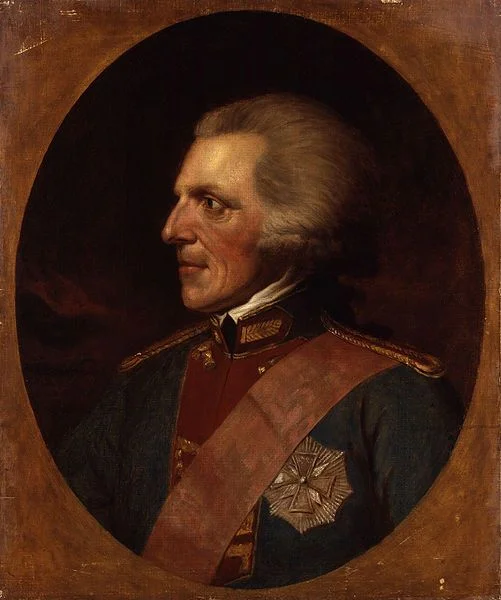
Colonel Sir Benjamin Thompson, Count Rumford
Born26 Mar, 1753
Died21 Aug, 1814
NationalityAmerican, British
Age at time of death61
Thomas Newcomen
Born28 Feb, 1664
Died05 Aug, 1729
NationalityEnglish
Age at time of death65
Joseph Pilates
Born09 Dec, 1883
Died09 Oct, 1967
NationalityGerman
Age at time of death83
Nils Bohlin
Born17 Jul, 1920
Died26 Sep, 2002
NationalitySwedish
Age at time of death82
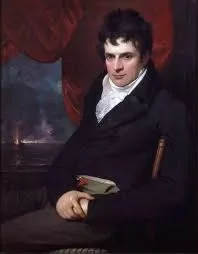
Robert Fulton
Born14 Nov, 1765
Died24 Feb, 1815
NationalityAmerican
Age at time of death49
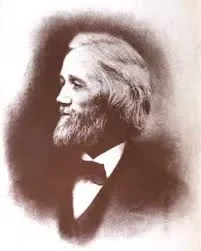
Christopher Latham Sholes
Born14 Feb, 1819
Died17 Feb, 1890
NationalityAmerican
Age at time of death71
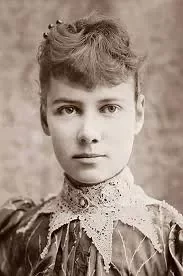
Nellie Bly
Born05 May, 1864
Died27 Jan, 1922
NationalityAmerican
Age at time of death57
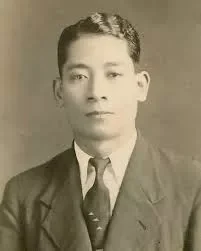
Momofuku Ando
Born05 Mar, 1910
Died05 Jan, 2007
Nationalityjapanese
Age at time of death96
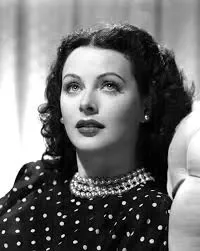
Hedy Lamarr
Born09 Nov, 1914
Died19 Jan, 2000
NationalityAmerican
Age at time of death85
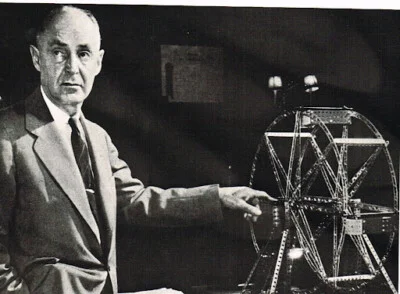
Alfred Carlton Gilbert
Born15 Feb, 1884
Died24 Jan, 1961
NationalityAmerican
Age at time of death76
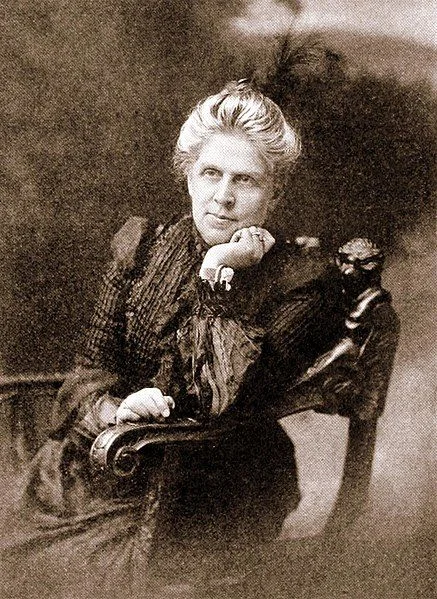
Harriet Russell Strong
Born23 Jul, 1844
Died06 Sep, 1926
NationalityAmerican
Age at time of death82
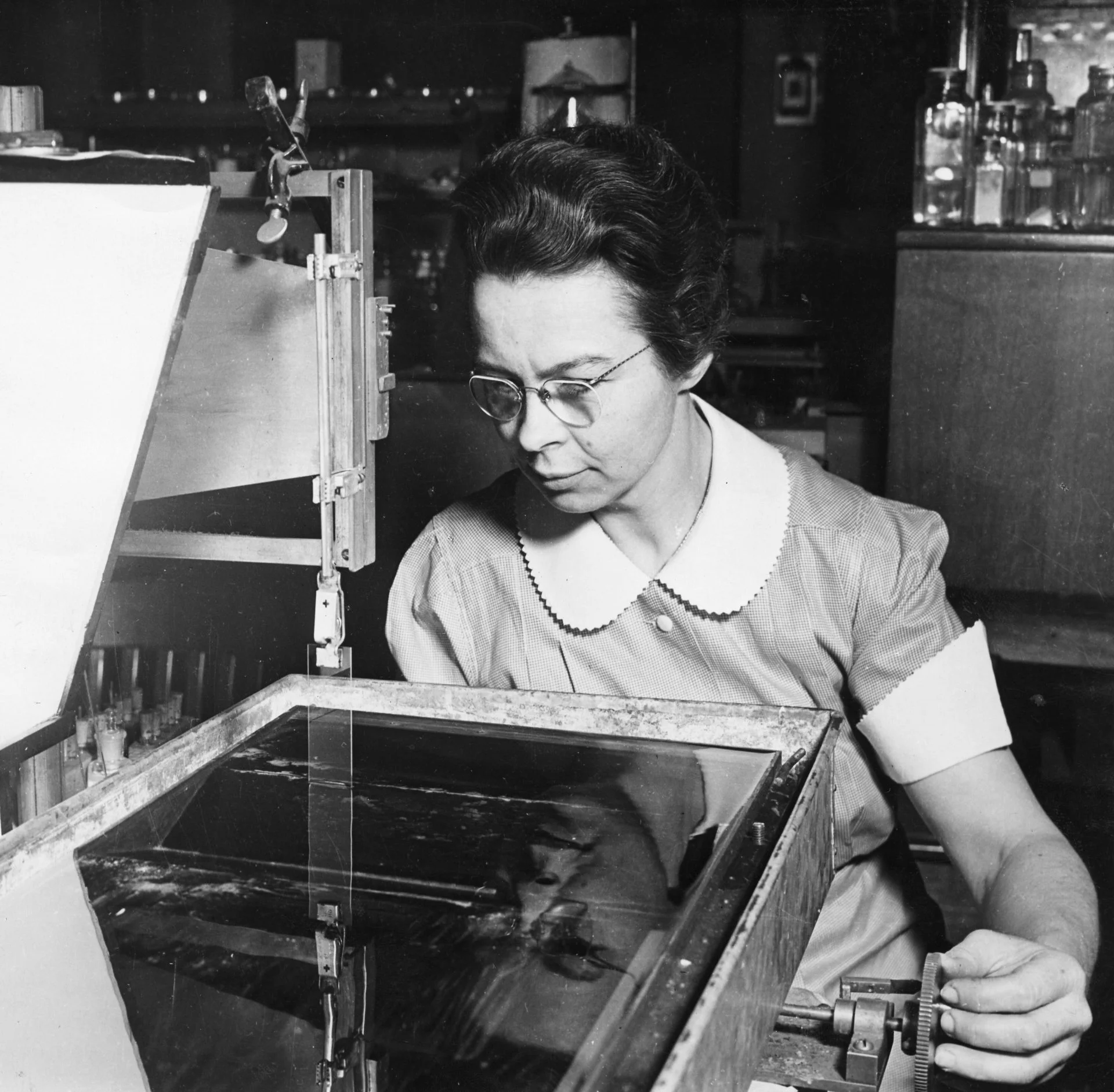
Katharine Burr Blodgett
Born10 Jan, 1898
Died12 Oct, 1979
NationalityAmerican
Age at time of death81
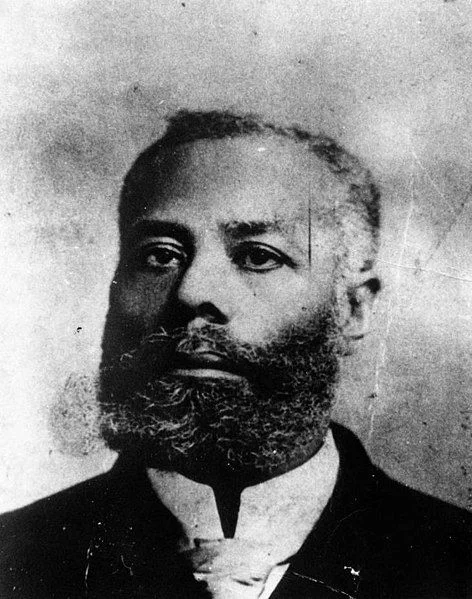
Elijah McCoy
Born02 May, 1844
Died10 Oct, 1929
NationalityCanadian, American
Age at time of death85
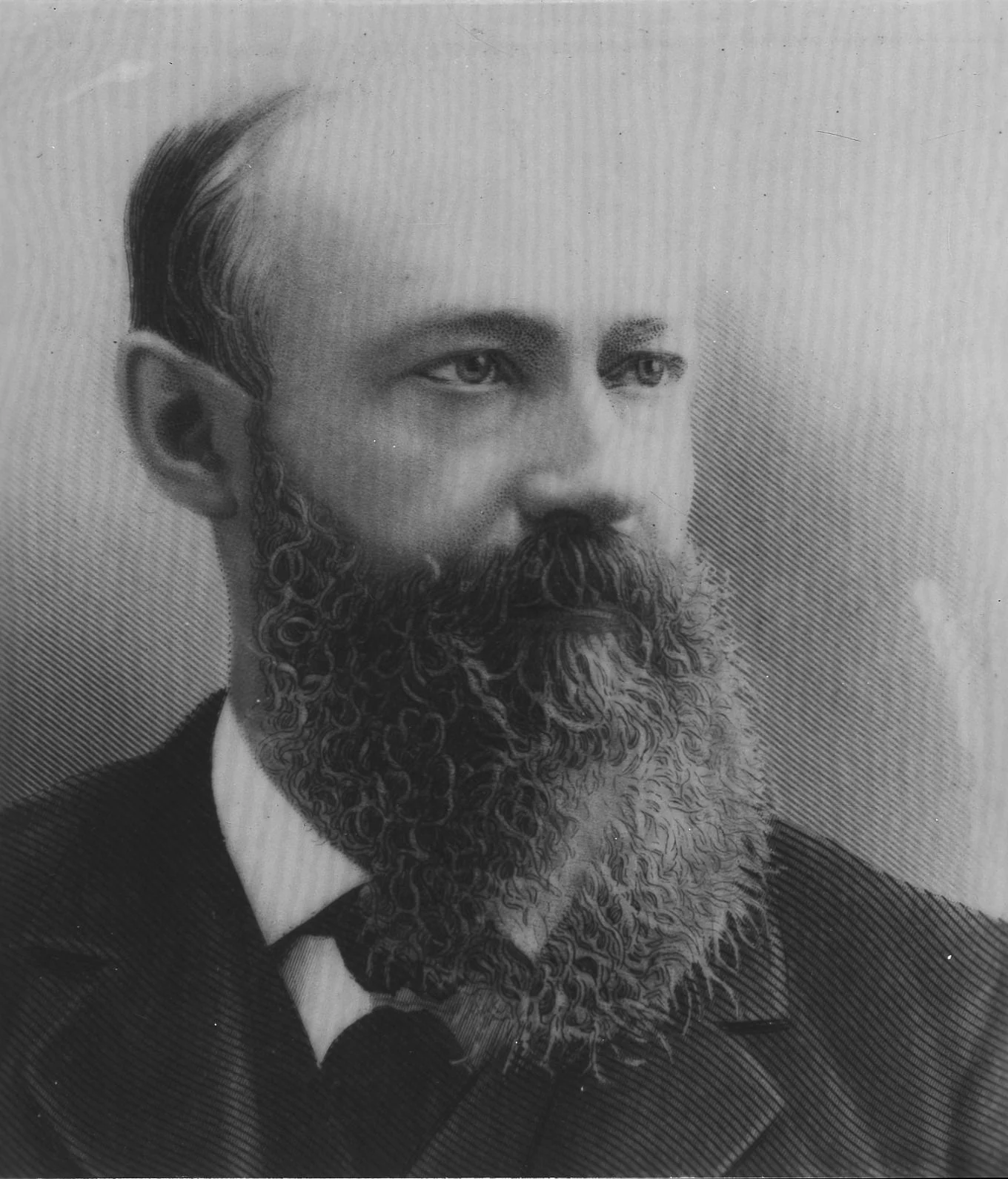
John Wesley Hyatt
Born28 Nov, 1837
Died10 May, 1920
NationalityAmerican
Age at time of death82