Real Celebrities Never Die!
OR
Search For Past Celebrities Whose Birthday You Share
Died Age: 50
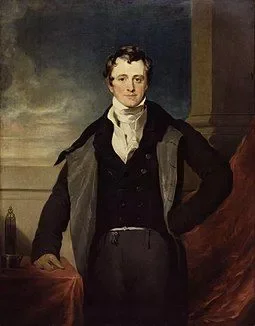
source: wikipedia
Sir Humphry Davy
Birthday:
17 Dec, 1778
Date of Death:
29 May, 1829
Cause of death:
Stroke
Nationality:
British
Famous As:
Chemist
Age at the time of death:
50
Humphry Davy's Quote's

“The greater the ignorance, the greater the dogmatism”
Humphry Davy
🔗 deadcelebrityhub.com
Early Life and Education
Sir Humphry Davy was born on December 17, 1778, in Penzance, Cornwall, England. He was the son of a woodcarver and grew up in a modest household. Despite his limited formal training, Davy showed early talent in science and literature. At the age of sixteen, he become an apprentice to a health care professional-apothecary, in which he first developed an interest in chemistry.
Rise to Scientific Prominence
In 1798, Davy’s skills stuck the eye of Dr. Thomas Beddoes, who appointed him as the chemical superintendent at the Pneumatic Institution in Bristol. Here, Davy carried out ground breaking studies on diverse gases, consisting of his well-known work on nitrous oxide (laughing gas), which he advised could be used as an anesthetic.
Career at the Royal Institution
In 1801, Humphry Davy joined the Royal Institution in London and soon became the Professor of Chemistry. His captivating lectures made science accessible to the public and drew in large audiences, including many from London’s upper class.
Major Discoveries and Inventions
Davy’s most significant contributions to science include:
- Isolation of elements: Using electrolysis, he isolated potassium, sodium, calcium, strontium, barium, and magnesium.
- Discovery of chlorine and iodine: He proved these were elements, contrary to prevailing beliefs.
- The Davy lamp: In 1815, he invented a safety lamp for coal miners, which allowed them to work safely in the presence of flammable gases.
- Contributions to electrochemistry: His work laid the foundation for this field of study.
Personal Life and Honors
Humphry Davy married Jane Apreece in 1812. He was knighted in 1812 and made as a baronet in 1818. He served as President of the Royal Society from 1820 to 1827.
Later Years and Legacy
Despite declining health in his later years, Humphry Davy continued his clinical work. He passed away on May 29, 1829, in Geneva, Switzerland. His contributions to chemistry and his invention of the safety lamp cemented his vicinity as one of the finest scientists of his generation.
Davy’s legacy lives on via the several chemical elements he discovered and the lives saved through his miner’s protection lamp. He is no longer primarily remembered for his clinical achievements, but for his talent in simplifying complex scientific ideas for the public.
Profile Snapshot
Name:
Humphry Davy
Popular Name:
Sir Humphry Davy
Gender:
Male
Cause of Death:
Stroke
Spouse:
Jane Apreece
Place of Birth:
Penzance, Cornwall, England
Place of Death:
Geneva, Switzerland
Occupation / Profession:
Chemist
Inventor
Lecturer
Personality Type
Architect: Imaginative and strategic thinkers, with a plan for everything. Davy was known for his intellectual independence, scientific curiosity, and visionary contributions to chemistry. He had a personality with a strong focus on innovation and problem-solving.
Humphry Davy's Interesting Facts
Davy's Davy lamp saved countless miners' lives by reducing methane ignition in mines
He discovered nitrous oxide (laughing gas) and studied its effects
He popularized science through public lectures
Michael Faraday, a major scientist, started his career as Davy’s assistant
Achievements & Awards
Awarded the Copley Medal by the Royal Society
Discovered several metals, including potassium, sodium, and calcium through electrolysis
Elected President of the Royal Society
Invented the Davy lamp, which reduced explosions in coal mines
Knighted in 1812 for his contributions to science
External Links
Latest Profiles
People also viewed
Otto Frederick Rohwedder
Born28 Jul, 1880
Died08 Nov, 1960
NationalityAmerican
Age at time of death80
Dale Carnegie
Born24 Nov, 1888
Died01 Nov, 1955
NationalityAmerican
Age at time of death66
Irène Joliot-Curie
Born12 Sep, 1897
Died17 Mar, 1956
NationalityFrench
Age at time of death58
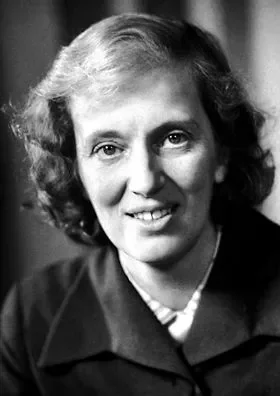
Dorothy Hodgkin
Born12 May, 1910
Died29 Jul, 1994
NationalityBritish
Age at time of death84
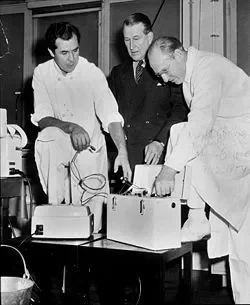
Rune Elmqvist
Born01 Dec, 1906
Died15 Dec, 1996
NationalitySwedish
Age at time of death90

Siou-Ling Tsien de Perlinghi
Born02 Oct, 1912
Died01 Feb, 2008
NationalityChinese, Belgian
Age at time of death95
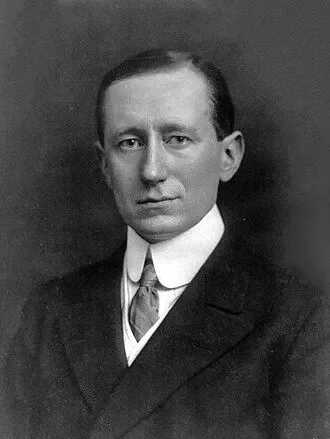
Guglielmo Marconi
Born25 Apr, 1874
Died20 Jul, 1937
NationalityItalian
Age at time of death63
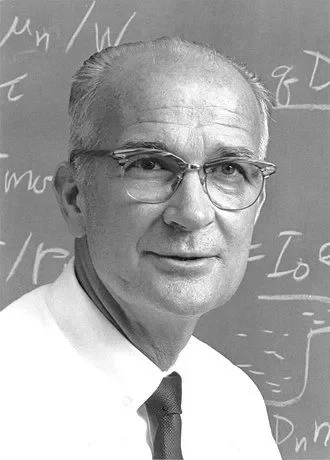
William Shockley
Born13 Feb, 1910
Died12 Aug, 1989
NationalityAmerican
Age at time of death79
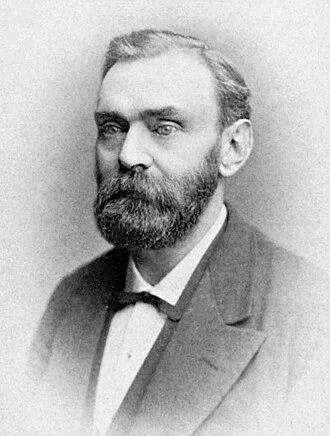
Alfred Nobel
Born21 Oct, 1833
Died10 Dec, 1896
NationalitySwedish
Age at time of death63
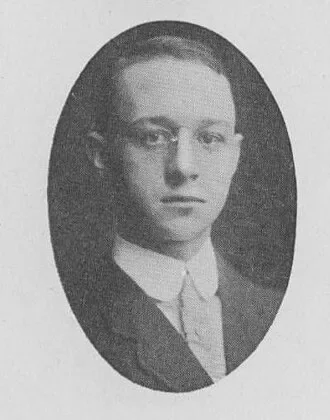
Clarence Birdseye
Born09 Dec, 1886
Died07 Oct, 1956
NationalityAmerican
Age at time of death69
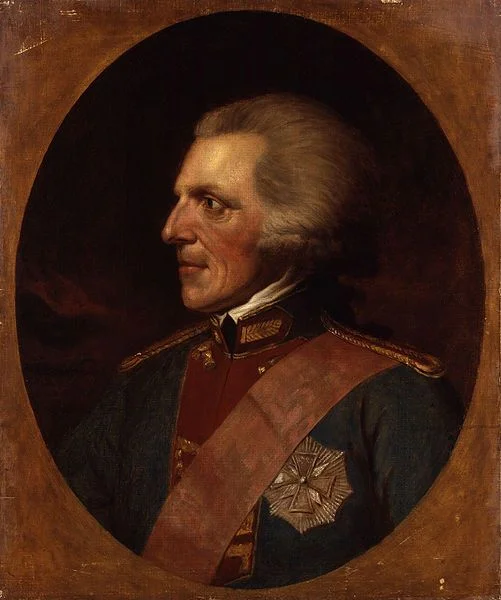
Colonel Sir Benjamin Thompson, Count Rumford
Born26 Mar, 1753
Died21 Aug, 1814
NationalityAmerican, British
Age at time of death61
Thomas Newcomen
Born28 Feb, 1664
Died05 Aug, 1729
NationalityEnglish
Age at time of death65
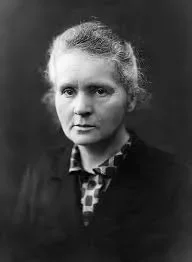
Marie Curie
Born07 Nov, 1867
Died04 Jul, 1934
NationalityPolish, French
Age at time of death66
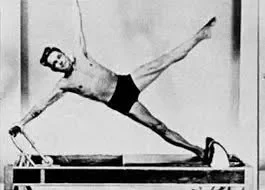
Joseph Pilates
Born09 Dec, 1883
Died09 Oct, 1967
NationalityGerman
Age at time of death83
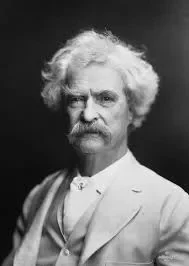
Mark Twain
Born30 Nov, 1835
Died21 Apr, 1910
NationalityAmerican
Age at time of death74
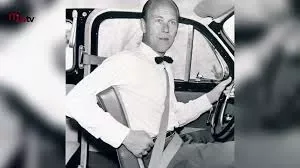
Nils Bohlin
Born17 Jul, 1920
Died26 Sep, 2002
NationalitySwedish
Age at time of death82
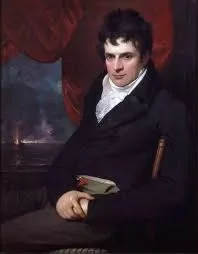
Robert Fulton
Born14 Nov, 1765
Died24 Feb, 1815
NationalityAmerican
Age at time of death49
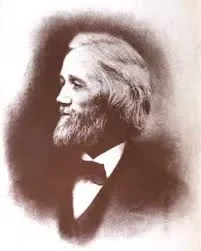
Christopher Latham Sholes
Born14 Feb, 1819
Died17 Feb, 1890
NationalityAmerican
Age at time of death71
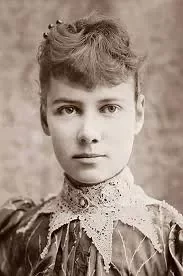
Nellie Bly
Born05 May, 1864
Died27 Jan, 1922
NationalityAmerican
Age at time of death57
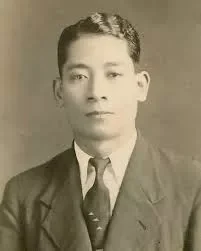
Momofuku Ando
Born05 Mar, 1910
Died05 Jan, 2007
Nationalityjapanese
Age at time of death96