Real Celebrities Never Die!
OR
Search For Past Celebrities Whose Birthday You Share
Died Age: 102

source:gstatic.com
I. M. Pei
Birthday:
26 Apr, 1917
Date of Death:
16 May, 2019
Cause of death:
Natural causes
Nationality:
American
Famous As:
Architect
Age at the time of death:
102
I. M. Pei's Quote's

“Success is a collection of problems solved.”
I. M. Pei
🔗 deadcelebrityhub.com
Ieoh Ming Pei aka I. M. Pei was a well-renowned Chinese-American architect famous for his modern and innovative approach to creating eye-catching buildings and projects. He was the most influential and prolific architect of the 20th century. Pei’s career spanned several decades, and he worked on a wide range of projects from museums to skyscrapers.
Early Life and Influences
I. M. Pei was born on April 26, 1917, in Guangzhou, China, and was raised in a wealthy and culturally abundant family with roots tracing back to the Ming dynasty. His family made their fortune from medicinal herbs and were a part of scholar-gentry. Pei developed his passion for architecture when his family moved to Shanghai, where the international architecture and the gardens of Suzhou influenced him. Sadly, Pei’s mother passed away when he was 13 years old, which led him and his family to a period of emotional difficulty.
Education and Early Career
Initially studying at the University of Pennsylvania, I. M. Pei transferred to MIT due to his dissatisfaction with the Beaux-Arts emphasis. While studying at MIT, he shifted from engineering to architecture after being inspired by Le Corbusier and Frank Lloyd Wright. During World War II, Pei worked on weapons technology for the National Defense Research Committee. After the war, he joined Harvard’s Graduate School of Design. At Harvard, he worked with Bauhaus leaders and later designed a Shanghai art museum with Chinese originality. He earned his M-Arch degree in 1946 and taught at Harvard for two more years.
Notable Projects and Contributions
Pei made significant contributions in architecture throughout his career. He started his career with a New York real estate developer before founding his own firm in 1955. Pei’s early pioneering work at NCAR in Boulder, Colorado, showcased his modern approach. In 1979, Pei designed the iconic library and museum in Boston as a tribute to President John F. Kennedy. The glass pyramid at the Louvre Museum is a renowned project of I. M. Pei which was built in Paris, France, in 1989. The glass pyramid was the museum’s main entrance.
Signature Designs
Pei worked on a bold design with a distinctive shape, which was built in 1990 and was known as the Bank of China Tower, contributing to the Hong Kong skyline. Pei’s design for the Rock and Roll Hall of Fame, built in 1995 in Cleveland, Ohio, contributes to a modern and dynamic structure. In 1978, Pei built the Dallas City Hall in Dallas, USA, famous for its inverted pyramid-shaped building feature.
Additional Famous Works
Some other famous works of I. M. Pei include the Museum of Islamic Art in Doha, Qatar, the Miho Museum in Kyoto, Japan, the Suzhou Museum in China, the National Gallery of Art East Building in Washington, DC, USA, and the Herbert F. Johnson Museum of Art in Cornell University, New York. Throughout his career, Pei earned awards and honors, including the Pritzker Architecture Prize, the most honored award for architects, for his contributions to architecture. He also received the AIA Gold Medal from the American Institute of Architects for his contributions.
Architectural Philosophy and Legacy
Pei was known for his modern approach, use of innovative materials, and use of geometric shapes in his projects. He often included cultural elements in his designs, reflecting his Chinese heritage. On May 16, 2019, Pei passed away at the age of 102 at his Manhattan apartment. Pei’s contribution to architecture had a lasting impact on his field. His designs remain influential and are still admired by people.
Profile Snapshot
Name:
I. M. Pei
Popular Name:
I. M. Pei
Gender:
Male
Cause of Death:
Natural causes
Spouse:
Eileen Loo
Place of Birth:
Guangzhou, Guangdong, Republic of China
Place of Death:
New York City, U.S.
Occupation / Profession:
Architect
I. M. Pei's Interesting Facts
Pei’s career spanned over six decades.
Pei’s work extended across different continents, from the United States to China, and Europe to the Middle East.
Pei was 102 years old when he died.
Achievements & Awards
AIA Gold Medal
Medal of Freedom
Praemium Imperiale
Pritzker Prize
Royal Gold Medal
Latest Profiles
People also viewed
Leonardo da Vinci
Born15 Apr, 1452
Died02 May, 1519
NationalityItalian
Age at time of death67
Decimus Burton
Born30 Sep, 1800
Died14 Dec, 1881
NationalityBritish
Age at time of death81
Louis Sullivan
Born03 Sep, 1856
Died14 Apr, 1924
NationalityAmerican
Age at time of death67
Michelangelo
Born06 Mar, 1475
Died18 Feb, 1564
NationalityItalian
Age at time of death88
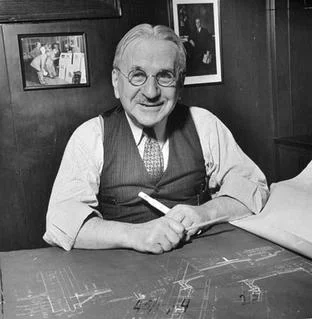
Albert Kahn
Born21 Mar, 1869
Died08 Dec, 1942
NationalityAmerican
Age at time of death73

Robert Hooke
Born18 Jul, 1635
Died03 Mar, 1703
NationalityBritish
Age at time of death67
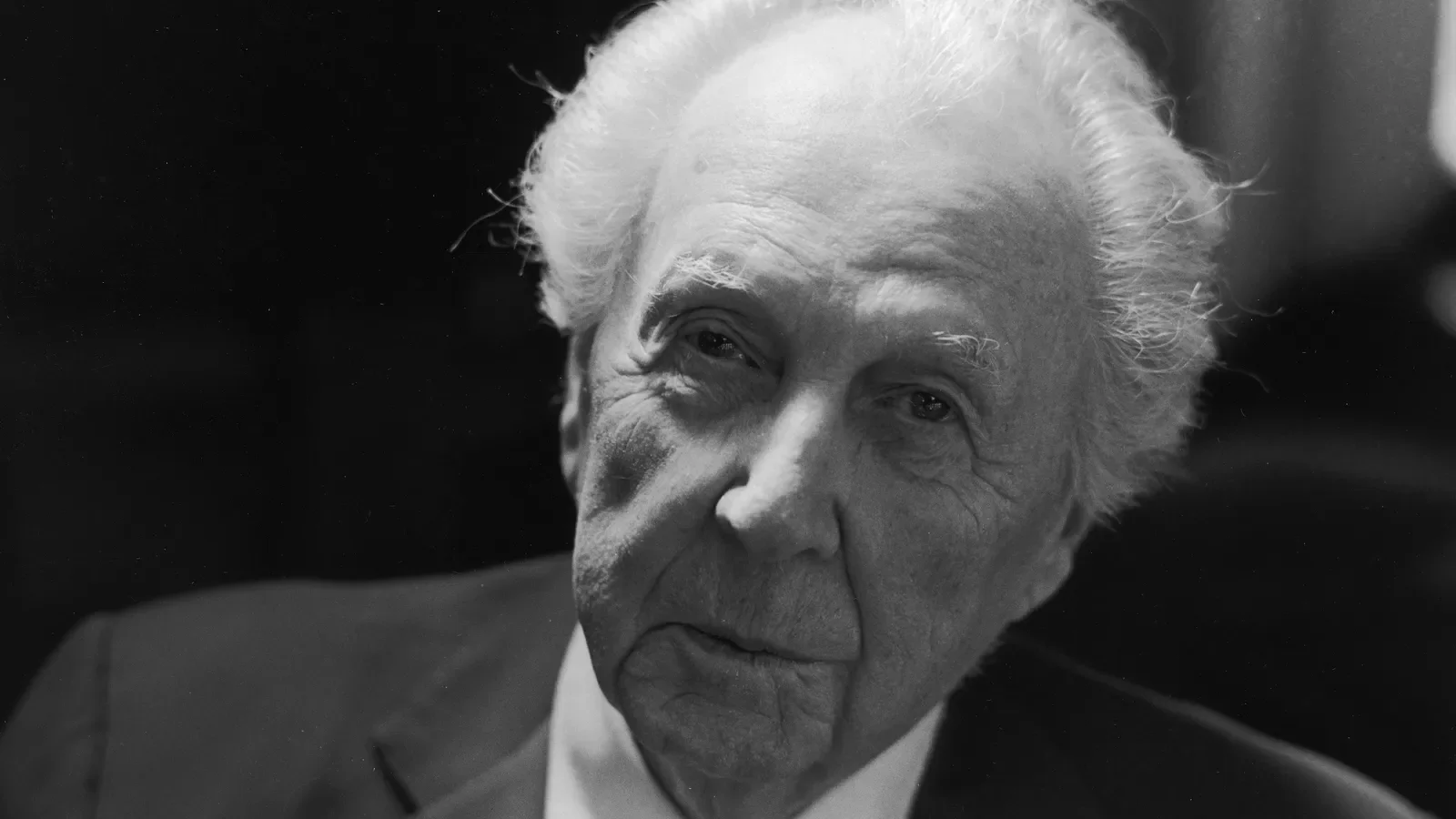
Frank Lloyd Wright
Born08 Jun, 1867
Died09 Apr, 1959
NationalityAmerican
Age at time of death91
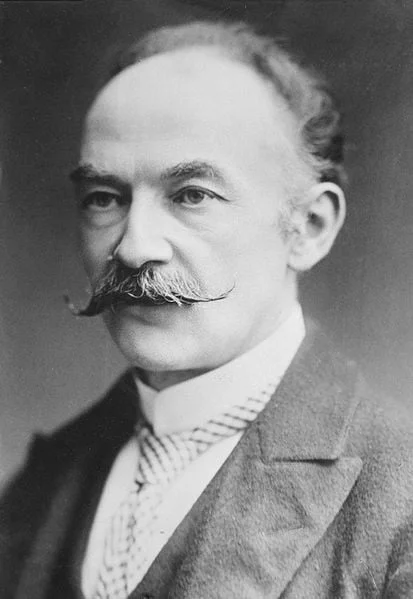
Thomas Hardy
Born02 Jun, 1840
Died11 Jan, 1928
NationalityBritish
Age at time of death87