Real Celebrities Never Die!
OR
Search For Past Celebrities Whose Birthday You Share
Died Age: 98
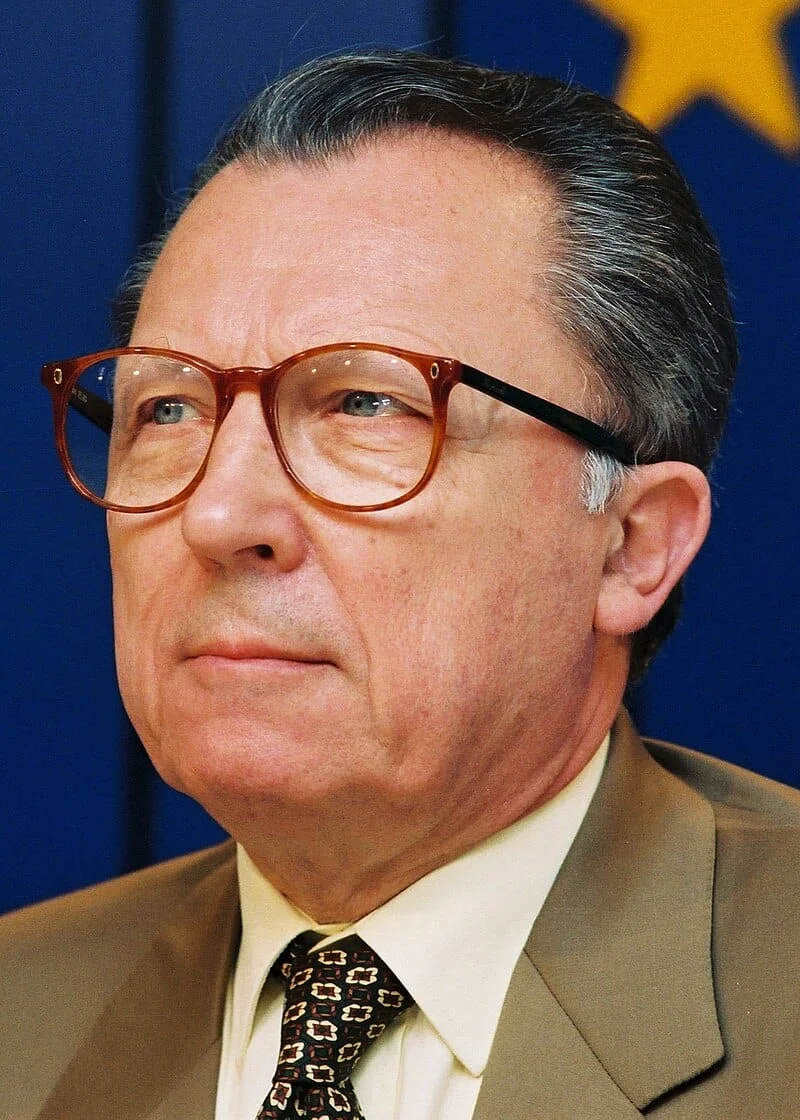
source:wikipedia.org
Jacques Delors
Birthday:
20 Jul, 1925
Date of Death:
27 Dec, 2023
Cause of death:
Leukemia
Nationality:
French
Famous As:
Administrator
Age at the time of death:
98
Jacques Delors's Quote's
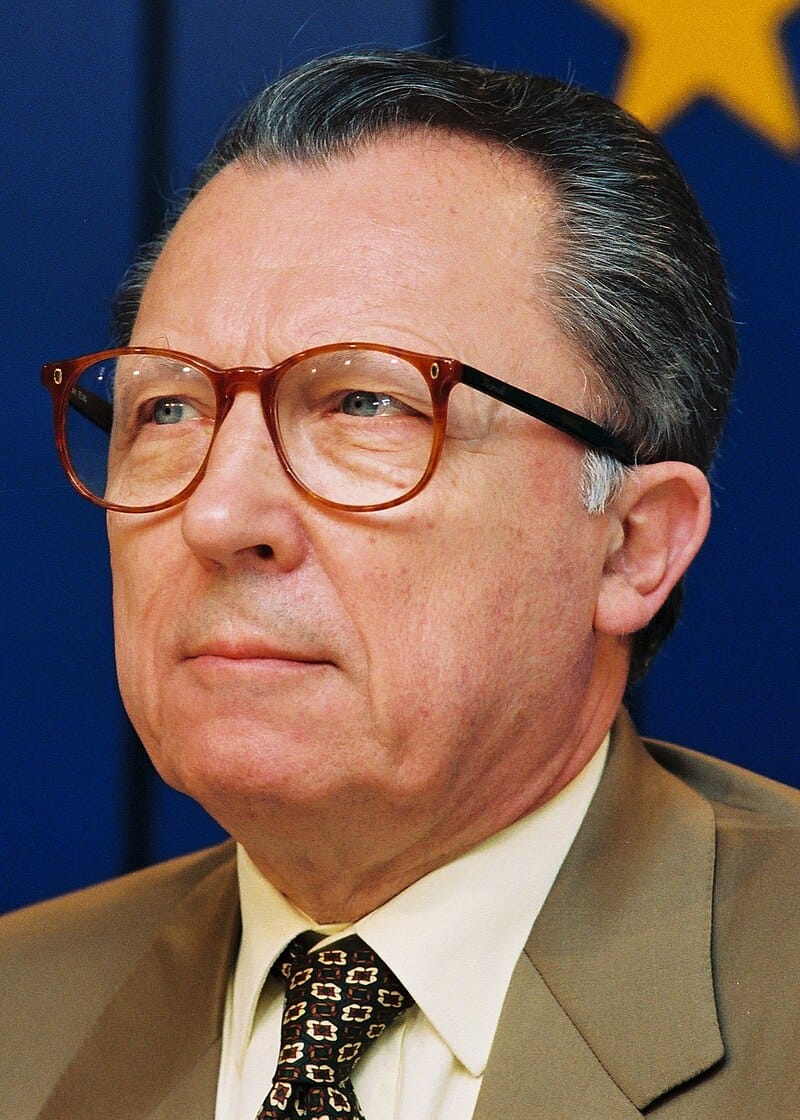
“Europe is our common future”
Jacques Delors
🔗 deadcelebrityhub.com
Early Life and Background
Jacques Lucien Jean Delors was born on July 20, 1925, in Paris, France. Jacques Delors came from a family with roots in Corrèze, a central region of France known for producing many political leaders. His father, an usher and messenger at the Banque de France, held socialist principles and was a pacifist due to his experiences in World War I.
Education and Early Career
Delors’ education was disrupted by World War II, forcing his family to move frequently. Despite these challenges, he was the only student from his class to attend lycée. After briefly attending the Université de Strasbourg, Delors joined the Banque de France in 1944, following his father’s wishes. He quickly gained recognition for his analytical skills and studied banking at the Institut d’études politiques de Paris in the evenings.
Political and Social Engagement
In the post-war years, Delors became politically active. He briefly joined the Mouvement républicain populaire (MRP) but soon found his place in the Catholic organization Vie nouvelle and the Catholic trade union CFTC (later CFDT). These experiences shaped his unique blend of left-wing politics and Catholic social teaching.
Rise in French Politics
Delors joined the Socialist Party in 1974, becoming one of its rare openly religious members. He served in the European Parliament from 1979 to 1981 and then as Minister of Economics and Finance under President François Mitterrand from 1981 to 1984. In this role, he advocated for economic pragmatism and European monetary stability.
European Commission Presidency
In 1985, Delors became President of the European Commission, a position he held until 1995. During his tenure, he played a crucial role in shaping modern Europe. Some of his accomplishments are the establishment of the Single European Market, the groundwork for the Euro, the implementation of the Schengen Agreement, and overseeing the reunification of Germany within the European framework. Delors’ vision and leadership were instrumental in transforming the European Economic Community into the European Union.
Post-Presidency Career
After leaving the Commission, Delors remained active in public life. He founded the think tank Notre Europe in 1996 and continued to advocate for European integration. In 1994, he declined to run for the French presidency despite favorable polls. Delors also maintained a strong interest in education, chairing a UNESCO Commission on Education for the Twenty-first Century from 1993 to 1996.
Personal Life and Death
Delors was married to Marie Lephaille until her death in 2020. They had two children: Martine Aubry, who became a prominent Socialist politician, and Jean-Paul, who tragically died of leukemia in 1982.Jacques Delors passed away on December 27, 2023, at the age of 98, in Paris. He was honored with a state funeral at the Hôtel des Invalides, attended by political figures from across Europe.
Legacy
Delors is remembered as one of the most influential European leaders of the late 20th century. His commitment to European integration, social justice, and economic pragmatism left an indelible mark on the continent. The “Delors Commission” is often cited as one of the most successful in EU history, and his vision continues to shape European politics and policy-making to this day.
Profile Snapshot
Name:
Jacques Delors
Popular Name:
Jacques Delors
Gender:
Male
Cause of Death:
Leukemia
Spouse:
Christine Delors
Place of Birth:
Paris, France
Place of Death:
Paris, France
Occupation / Profession:
Administrator
Economist
Politician
Public
Personality Type
Advocate: Quiet and mystical, yet very inspiring and tireless idealists. Delors is known for his visionary outlook, deep empathy, and commitment to social justice..
Jacques Delors's Interesting Facts
Delors remains an influential figure in discussions about the future of Europe and integration.
Delors was instrumental in the 1986 Single European Act, which enhanced the power of the European Parliament.
He has also served as an advisor to various international organizations on economic policy.
He is often referred to as the "Father of the Euro" for his pivotal role in the introduction of the Euro currency.
Achievements & Awards
Advocated for the single European market and social policy within the EU
Instrumental in the establishment of the Maastricht Treaty, which laid the foundation for the Euro
Received numerous awards for his contributions to European integration and social progress
Served as the President of the European Commission (1985-1995)
External Links
Latest Profiles
People also viewed
Henry Schultz
Born04 Sep, 1893
Died26 Nov, 1938
NationalityAmerican
Age at time of death45
Gerald Ford
Born14 Jul, 1913
Died26 Dec, 2006
NationalityAmerican
Age at time of death93
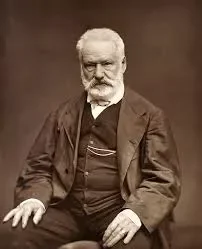
Victor Hugo
Born26 Feb, 1802
Died22 May, 1885
NationalityFrench
Age at time of death83
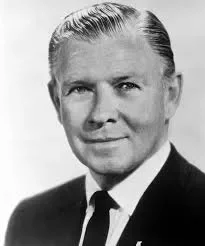
George Murphy
Born04 Jul, 1902
Died03 May, 1992
NationalityAmerican
Age at time of death89
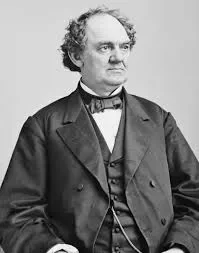
P. T. Barnum
Born05 Jul, 1810
Died07 Apr, 1891
NationalityAmerican
Age at time of death80
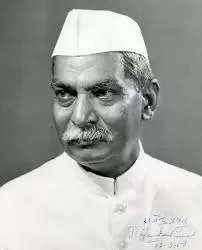
Rajendra Prasad
Born03 Dec, 1884
Died28 Feb, 1963
NationalityIndian
Age at time of death78
Nelson Rockefeller
Born08 Jul, 1908
Died26 Jan, 1979
NationalityAmerican
Age at time of death70

Ethan Allen
Born21 Jan, 1738
Died12 Feb, 1789
NationalityAmerican
Age at time of death51
Herbert Hoover
Born10 Aug, 1874
Died20 Oct, 1964
NationalityAmerican
Age at time of death90
Antoine Lavoisier
Born26 Aug, 1743
Died08 May, 1794
NationalityFrench
Age at time of death50
James Harrison
Born17 Apr, 1816
Died03 Sep, 1893
NationalityScottish,Australian
Age at time of death77
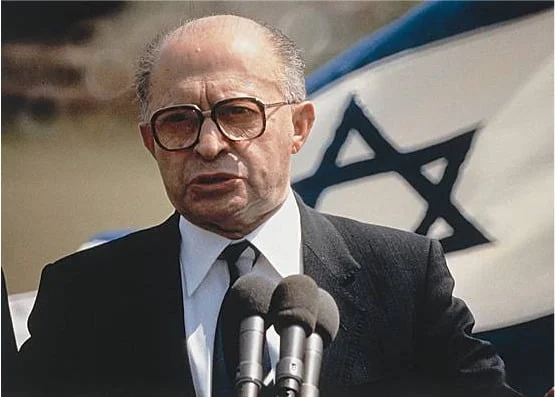
Menachem Begin
Born16 Aug, 1913
Died09 Mar, 1992
NationalityIsraeli
Age at time of death78
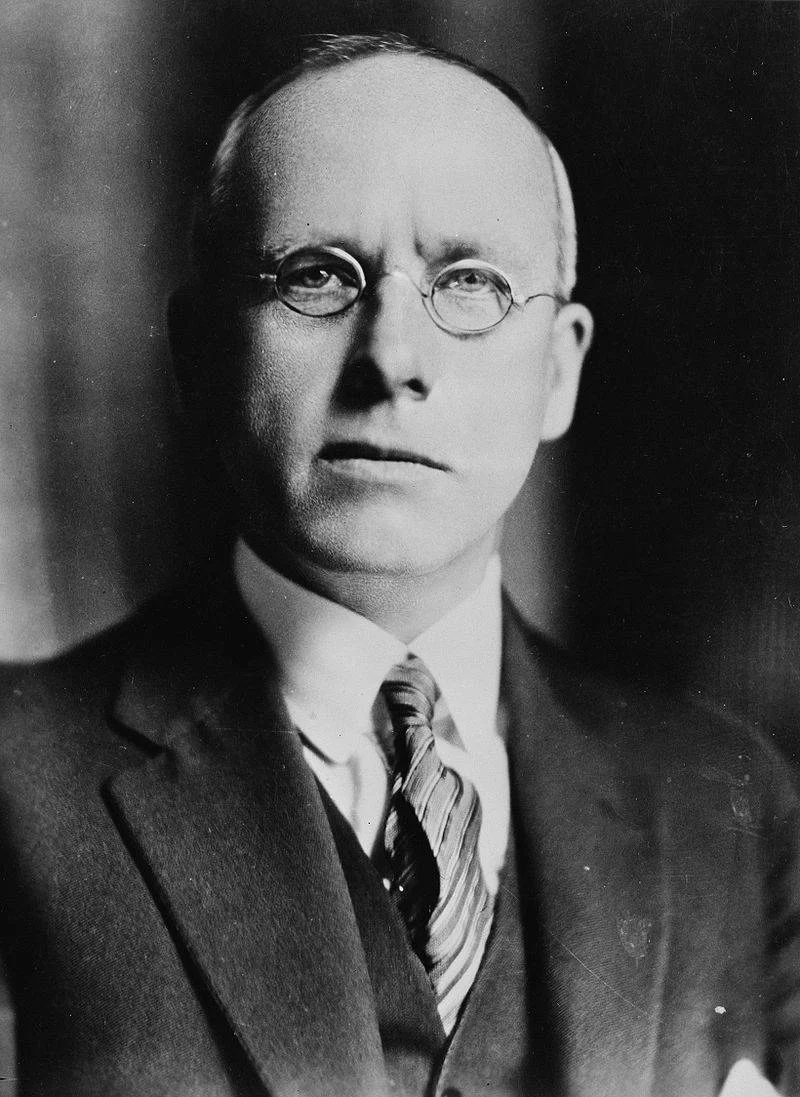
Peter Fraser
Born28 Aug, 1884
Died12 Dec, 1950
NationalityNew Zealand
Age at time of death66
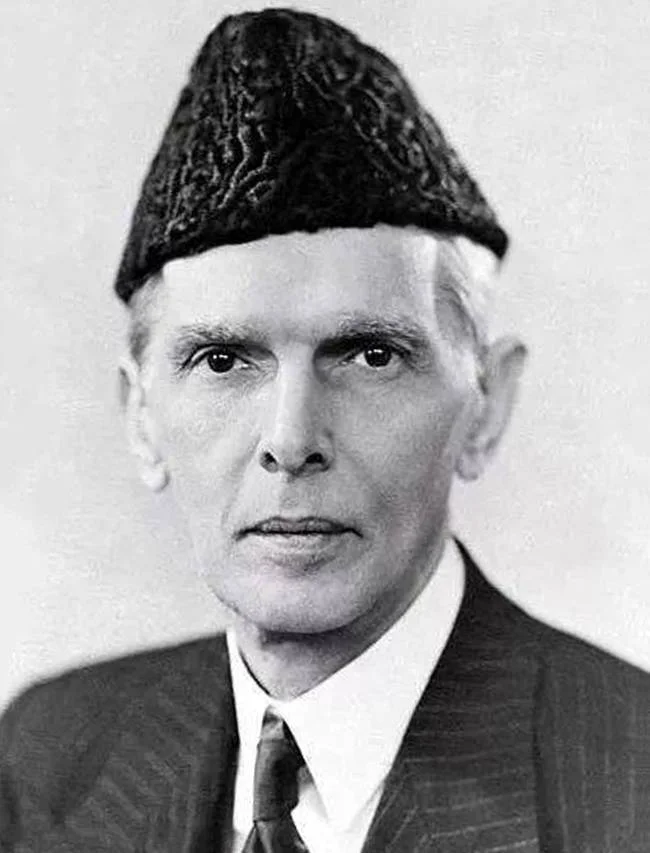
Muhammad Ali Jinnah
Born25 Dec, 1876
Died11 Sep, 1948
NationalityPakistani
Age at time of death71
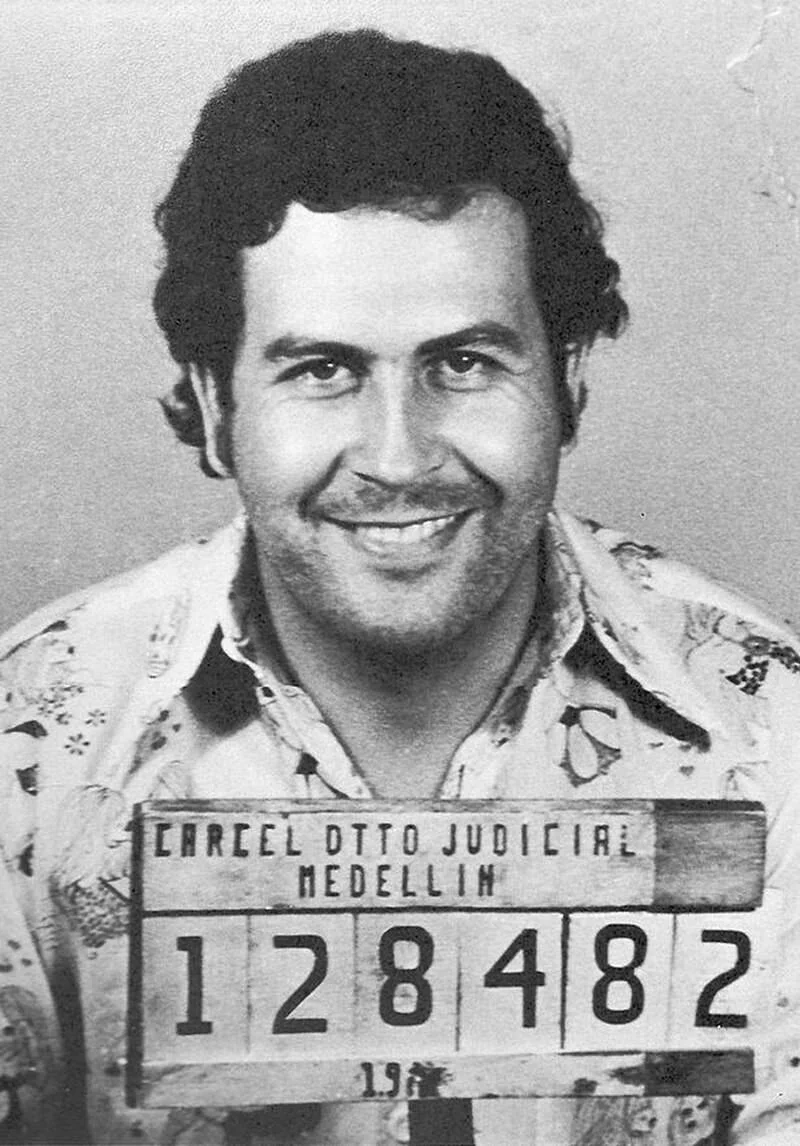
Pablo Escobar
Born01 Dec, 1949
Died02 Dec, 1993
NationalityColombian
Age at time of death44
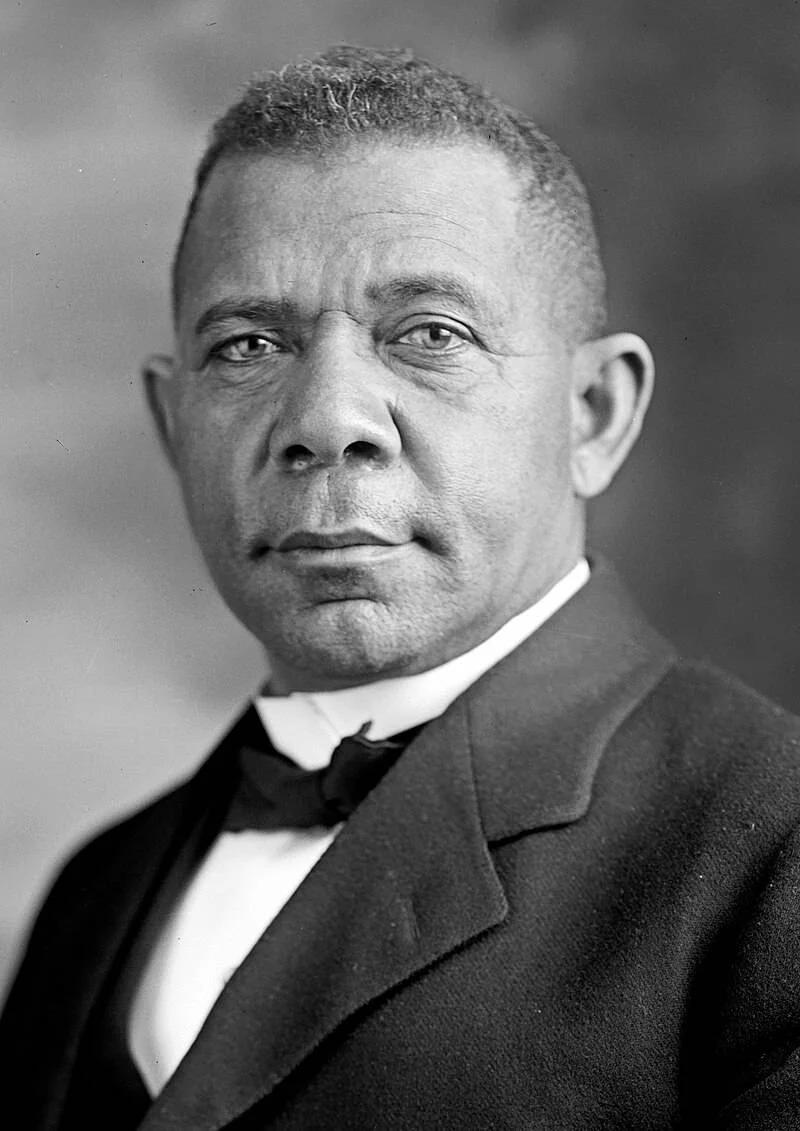
Booker T. Washington
Born05 Apr, 1856
Died14 Nov, 1915
NationalityAmerican
Age at time of death59
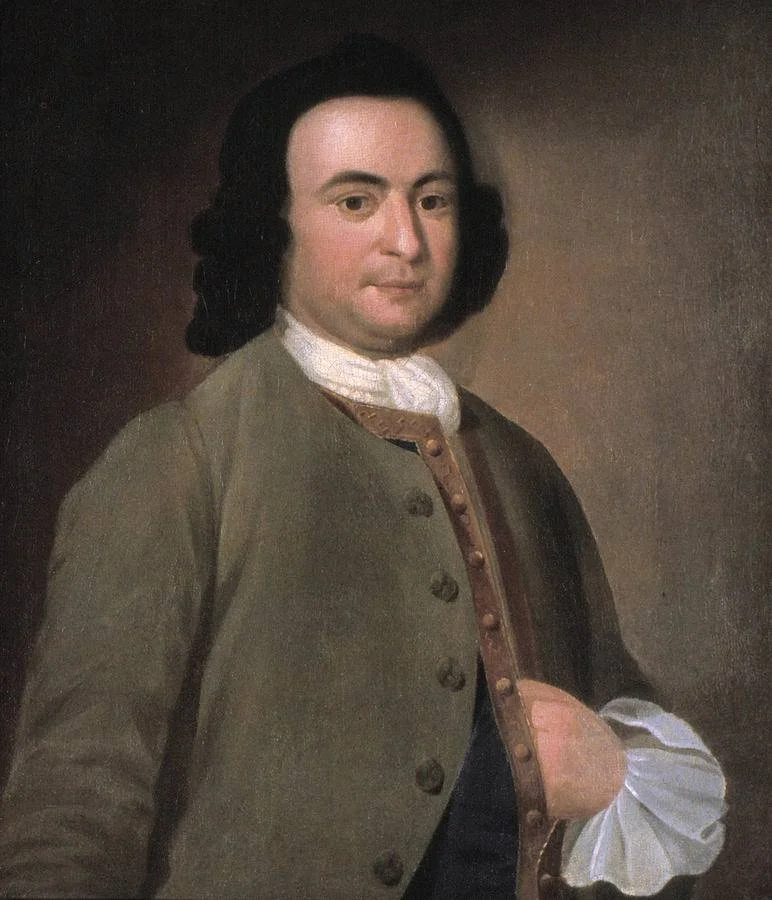
George Mason
Born11 Dec, 1725
Died07 Oct, 1792
NationalityAmerican, British
Age at time of death66
Frederick Emmons Terman ( Father of Silicone Valley)
Born07 Jun, 1900
Died19 Dec, 1982
NationalityAmerican
Age at time of death82
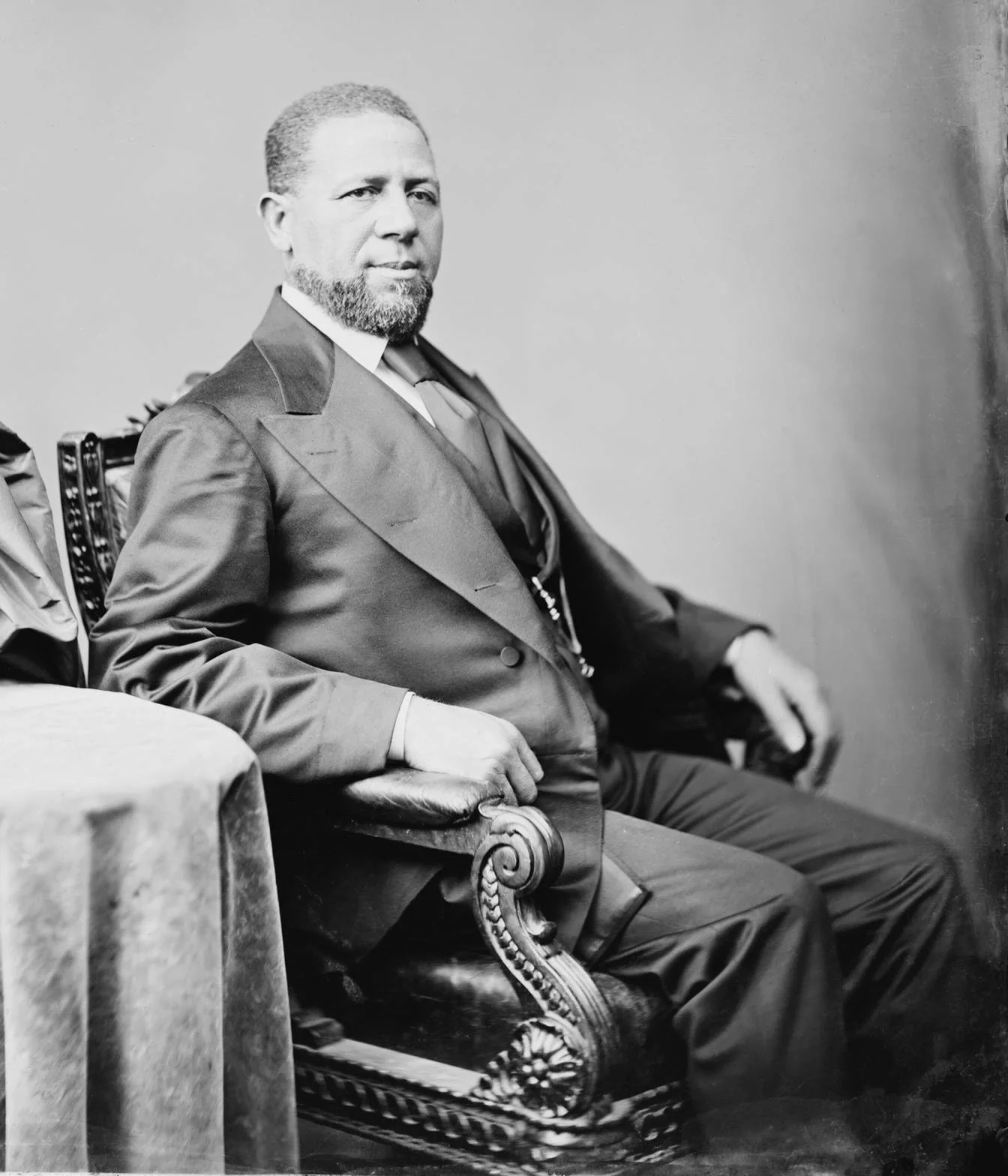
Hiram R. Revels
Born27 Sep, 1827
Died16 Jan, 1901
NationalityAmerican
Age at time of death73