Real Celebrities Never Die!
OR
Search For Past Celebrities Whose Birthday You Share
Died Age: 65
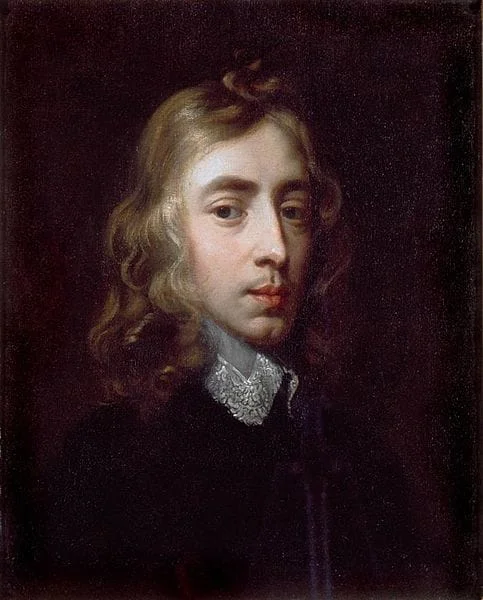
source:wikipedia.org
John Milton
Birthday:
09 Dec, 1608
Date of Death:
08 Nov, 1674
Cause of death:
Gout
Nationality:
English
Famous As:
Civil servant
Age at the time of death:
65
John Milton's Quote's

“The mind is its own place, and in itself can make a heaven of hell, a hell of heaven”
John Milton
🔗 deadcelebrityhub.com
Early life and education
John Milton was born on December 9, 1608 in London, England. He was the son of prolific writer and musician John Milton Sr. and son of Sarah Jeffrey. Milton had not inherited his own Catholic father’s estate, as his father had converted to Protestantism. This religious background have a profound effect on Milton’s later writings and beliefs.
From an early age Milton showed extraordinary educational ability. He received a good education, first in St. Louis. Paul’s, London, and then at Christ’s College, Cambridge. At Cambridge he wrote both English and Latin and gained a reputation as a fine poet. He obtained a Bachelor of Arts degree in 1629, followed by a Master of Arts in 1632.
European tour
After graduating, Milton spent six years in private study at his family home in Horton, Buckinghamshire. During this time he wrote some of his first poems, including “L’Allegro,” “Il Penseroso,” “Comus,” and “Lycidas.” In 1638 Milton embarked on a tour of Europe, where he met many influential intellectuals, including Galileo Galilei, who was under house arrest. Milton’s journey influenced his writings by broadening his cultural and political outlook.
Political work and prose work
When Milton returned to England in 1639, he became deeply involved in the political and religious conflicts of his day. He wrote a series of pamphlets arguing for church governance reform, freedom of the press, and divorce rights. His most famous prose work, “Areopagitica” (1644), is considered one of the most influential pieces of free speech in history.
Milton served as Foreign Secretary to the House of Commons during the English Civil War and subsequent interregnum, mainly focusing on promoting parliamentary matters through propaganda. He wrote many political letters to prosecute the assassination of Charles I and Protection of the founding of the United Nations.
Personal life
Milton’s personal life was tragic and controversial. In 1642, he married Mary Powell, 17 years his junior. The marriage broke down, and Mary left him shortly after the wedding, prompting Milton to write his famous divorce papers. They are reconciled in 1645, and before Mary dies in 1652, they have four children.
Milton married twice more: in 1656 to Catherine Woodcock who died in 1658, and to Elizabeth Minshull in 1663. During this time Milton lost his sight and by 1652 was completely blind.
Major Poetic Works
Despite his blindness, Milton composed his finest works during the later part of his existence. His epic poem “Paradise Lost,” published in 1667, is considered one of the finest works of English literature. The poem narrates the story of the Fall of Man, portraying Satan as a multifaceted antihero. Milton followed this with “Paradise Regained” and the tragedy “Samson Agonistes,” each published in 1671.
Legacy and Death
John Milton died on November 8, 1674, in London. His influence on English literature and political thought has been profound and long-lasting. His legacy extends beyond his poetic talent to include his strong support for civil liberties and free speech.
Milton’s works stay studied and sought after for its complicated issues, wealthy language, and philosophical depth. His lifestyles and writings embody the turbulent spirit of seventeenth-century England, bridging the Renaissance and the Enlightenment.
Profile Snapshot
Name:
John Milton
Popular Name:
John Milton
Gender:
Male
Cause of Death:
Gout
Spouse:
Mary PowellKatherine WoodcockElizabeth Minshull
Place of Birth:
London, England
Place of Death:
Bunhill, London, England
Occupation / Profession:
Civil servant
Essayist
Poet
Personality Type
Architect: Imaginative and strategic thinkers, with a plan for everything. Known for his independence, intellectual depth, and visionary work, Milton’s personality reflects his drive to produce ambitious, thought-provoking works and his commitment to religious and political convictions.
John Milton's Interesting Facts
He was an outspoken advocate for freedom of the press
Milton's writings influenced later Romantic poets
Milton went completely blind in his early 40s and dictated his later works
Paradise Lost was written in blank verse, a significant departure from traditional rhyme schemes
Achievements & Awards
Authored Paradise Lost, an epic poem regarded as a masterpiece of English literature.
His works influenced English poetry and Christian theology profoundly.
Served as a civil servant under Oliver Cromwell.
Wrote Paradise Regained and Samson Agonistes, exploring themes of redemption and faith.
External Links
Additional Links
https://courses.lumenlearning.com/suny-britlit1/chapter/john-milton-biography/https://en.dharmapedia.net/wiki/Will_Duranthttps://poets.org/poet/john-miltonhttps://sites.udel.edu/britlitwiki/john-milton/https://www.biography.com/authors-writers/john-miltonhttps://www.britannica.com/biography/John-Miltonhttps://www.poetryfoundation.org/poets/john-milton
Latest Profiles
People also viewed
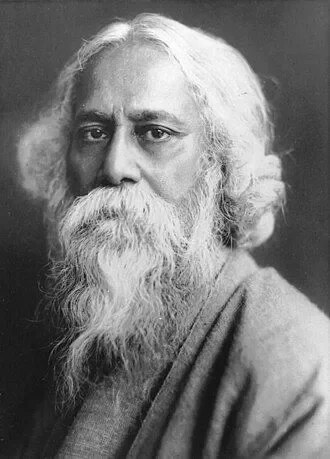
Rabindranath Tagore
Born07 May, 1861
Died08 Aug, 1941
NationalityIndian
Age at time of death80
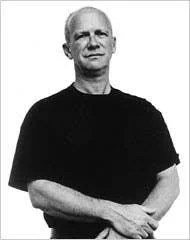
George Trow
Born28 Sep, 1943
Died24 Nov, 2006
NationalityAmerican
Age at time of death63
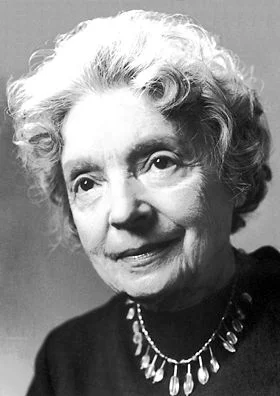
Leonie Nelly Sachs
Born10 Dec, 1891
Died12 May, 1970
NationalityGerman, Swedish
Age at time of death78
Joyce Kilmer
Born06 Dec, 1886
Died30 Jul, 1918
NationalityAmerican
Age at time of death31
Jim Morrison
Born08 Dec, 1943
Died03 Jul, 1971
NationalityAmerican
Age at time of death27
Guy de Maupassant
Born05 Aug, 1850
Died06 Jul, 1893
NationalityFrench
Age at time of death42
Victor Hugo
Born26 Feb, 1802
Died22 May, 1885
NationalityFrench
Age at time of death83
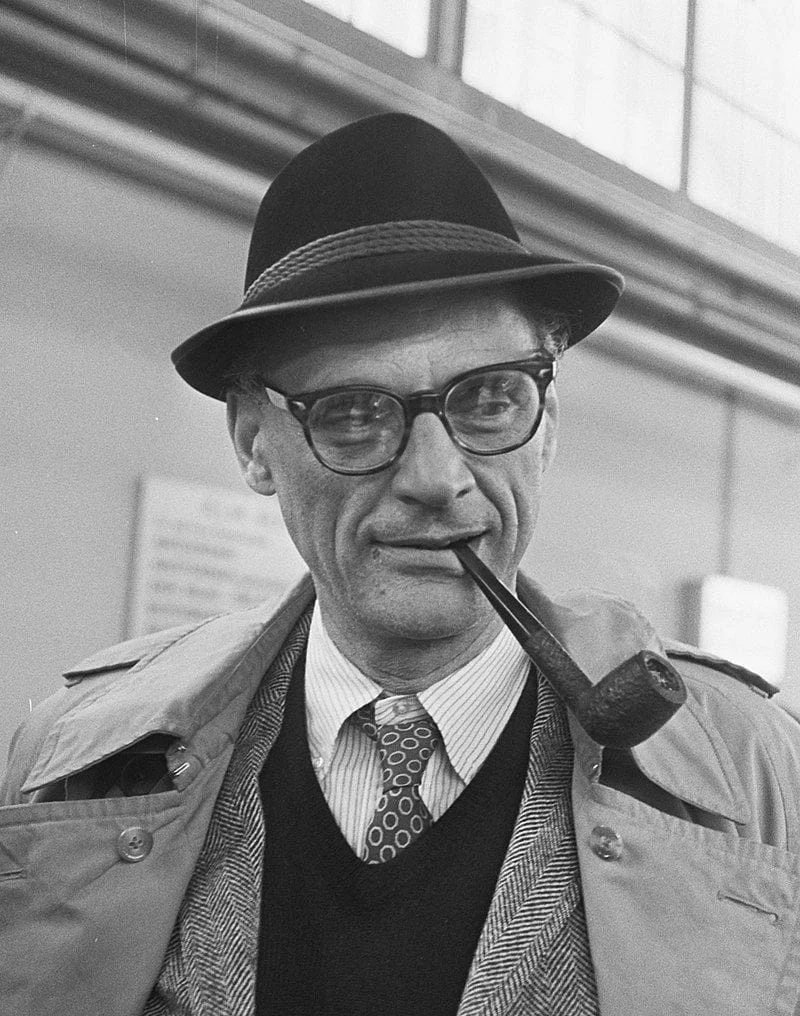
Arthur Miller
Born17 Oct, 1915
Died10 Feb, 2005
NationalityAmerican
Age at time of death89
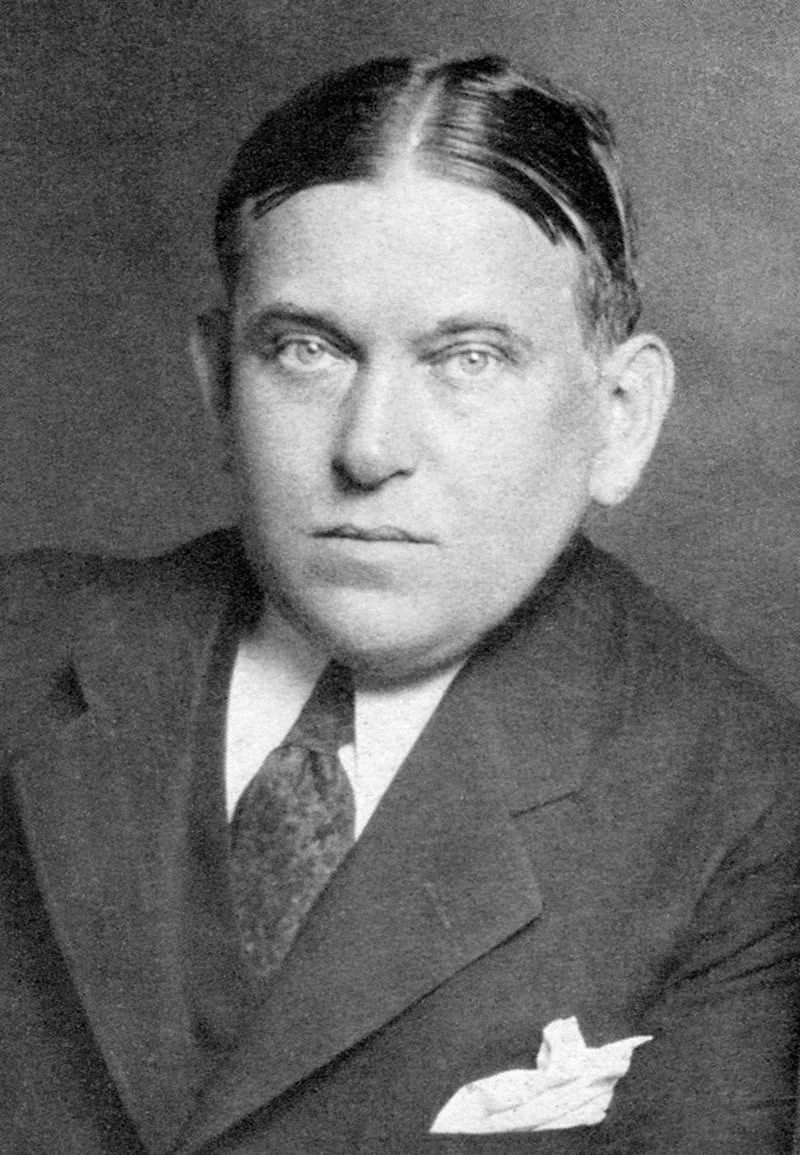
H. L. Mencken
Born12 Sep, 1880
Died29 Jan, 1956
NationalityAmerican
Age at time of death75
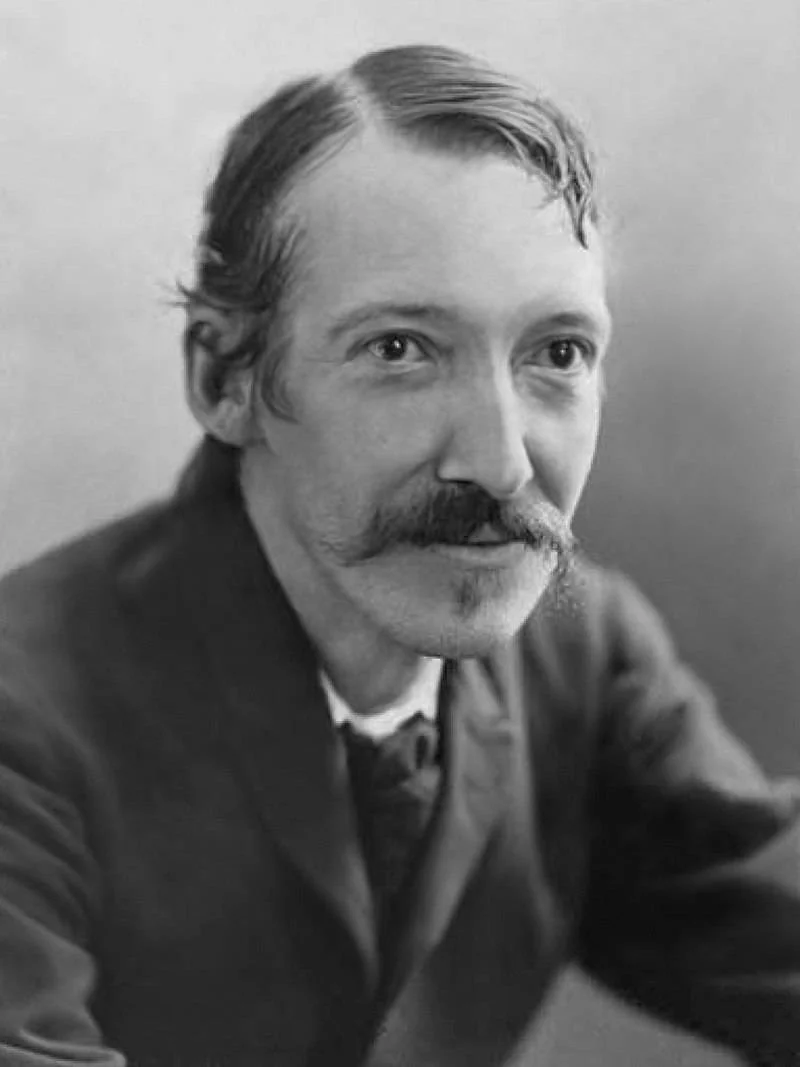
Robert Louis Steveson
Born13 Nov, 1850
Died03 Dec, 1894
NationalityBritish, Scotland
Age at time of death44
Enid Blyton
Born11 Aug, 1897
Died28 Nov, 1968
NationalityBritish
Age at time of death71
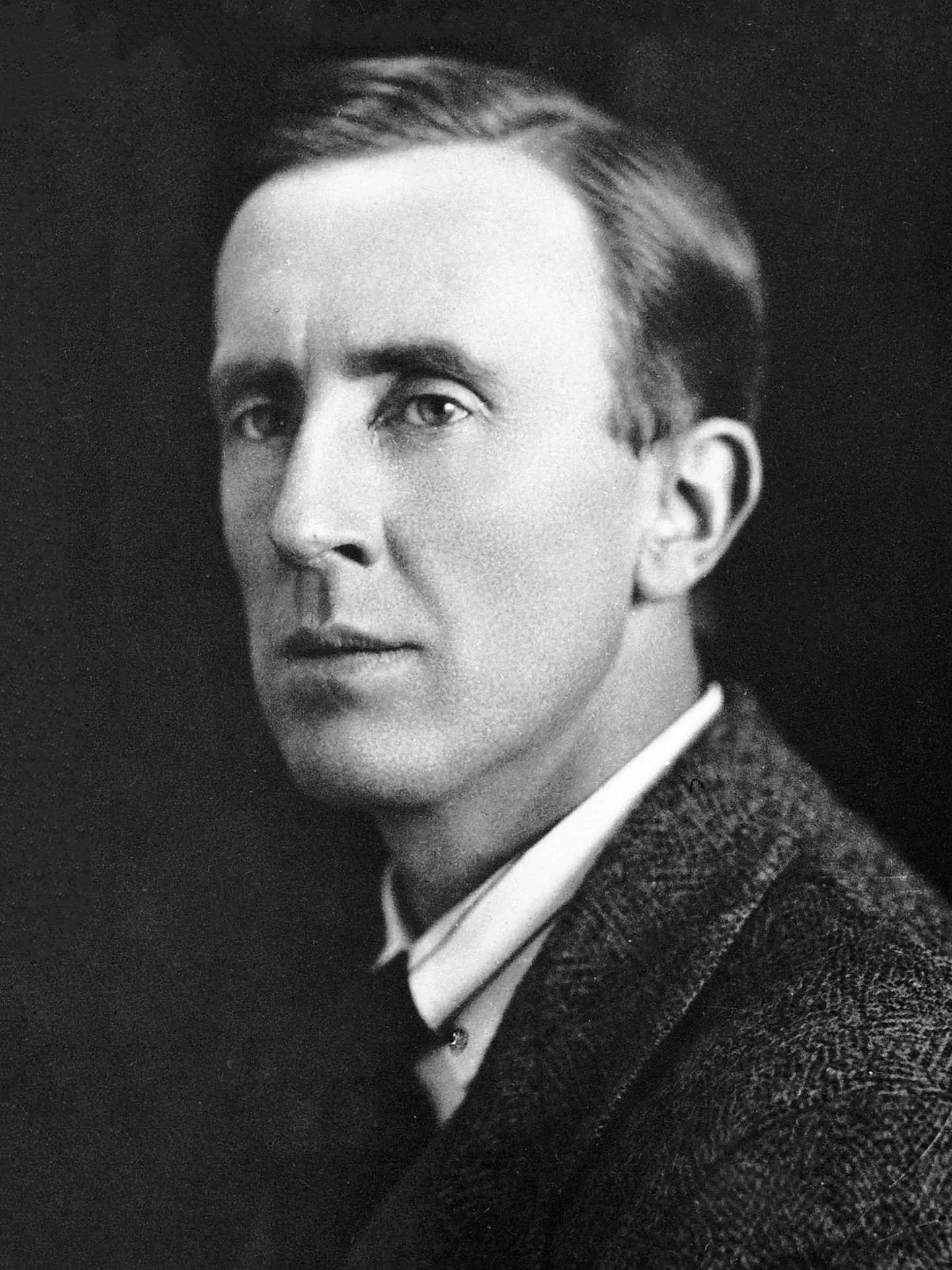
J.R.R. Tolkien
Born03 Jan, 1892
Died02 Sep, 1973
NationalityBritish
Age at time of death81
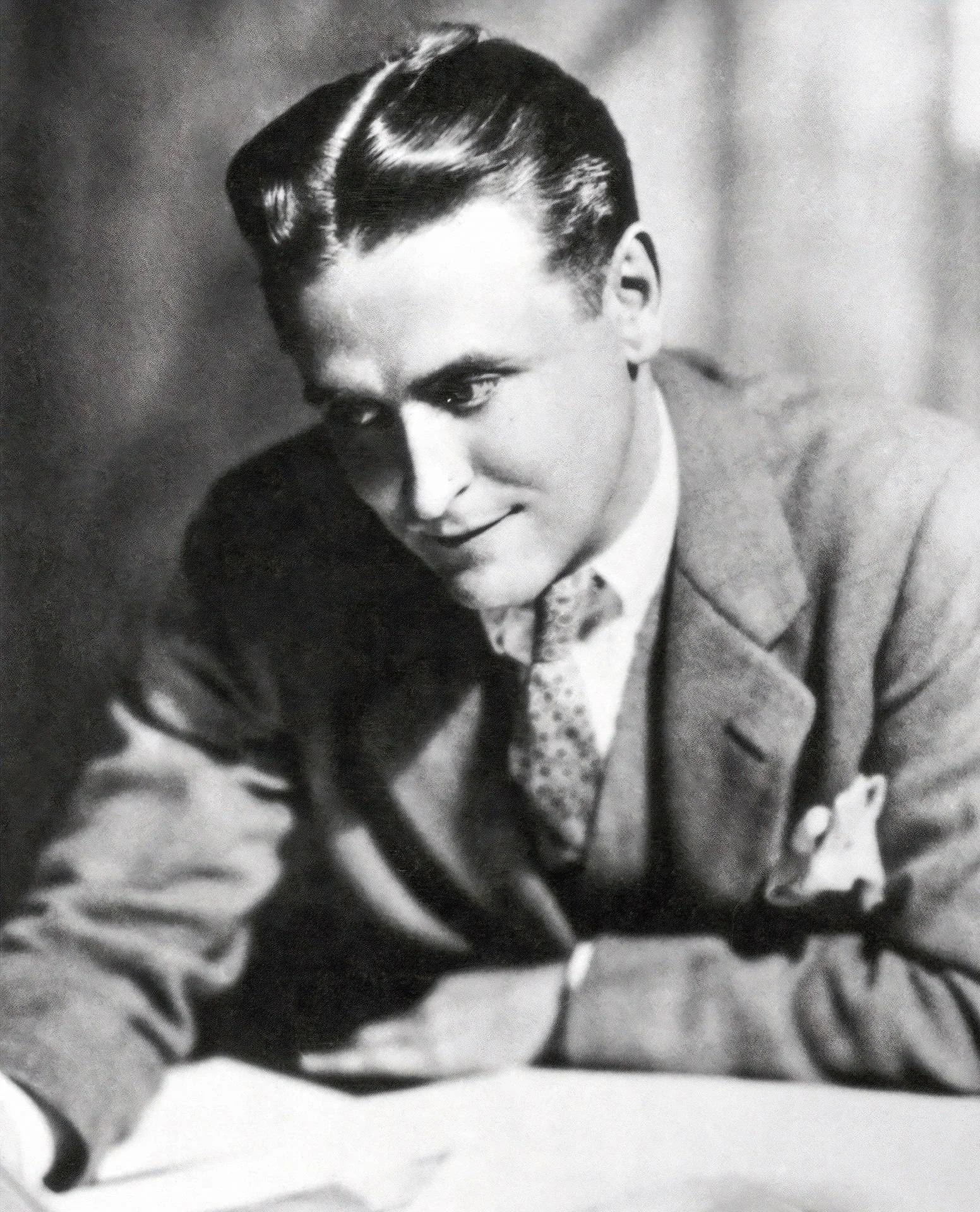
F. Scott Fitzgerald
Born24 Sep, 1896
Died21 Dec, 1940
NationalityAmerican
Age at time of death44
Fay Weldon
Born22 Sep, 1931
Died04 Jan, 2023
NationalityBritish
Age at time of death91
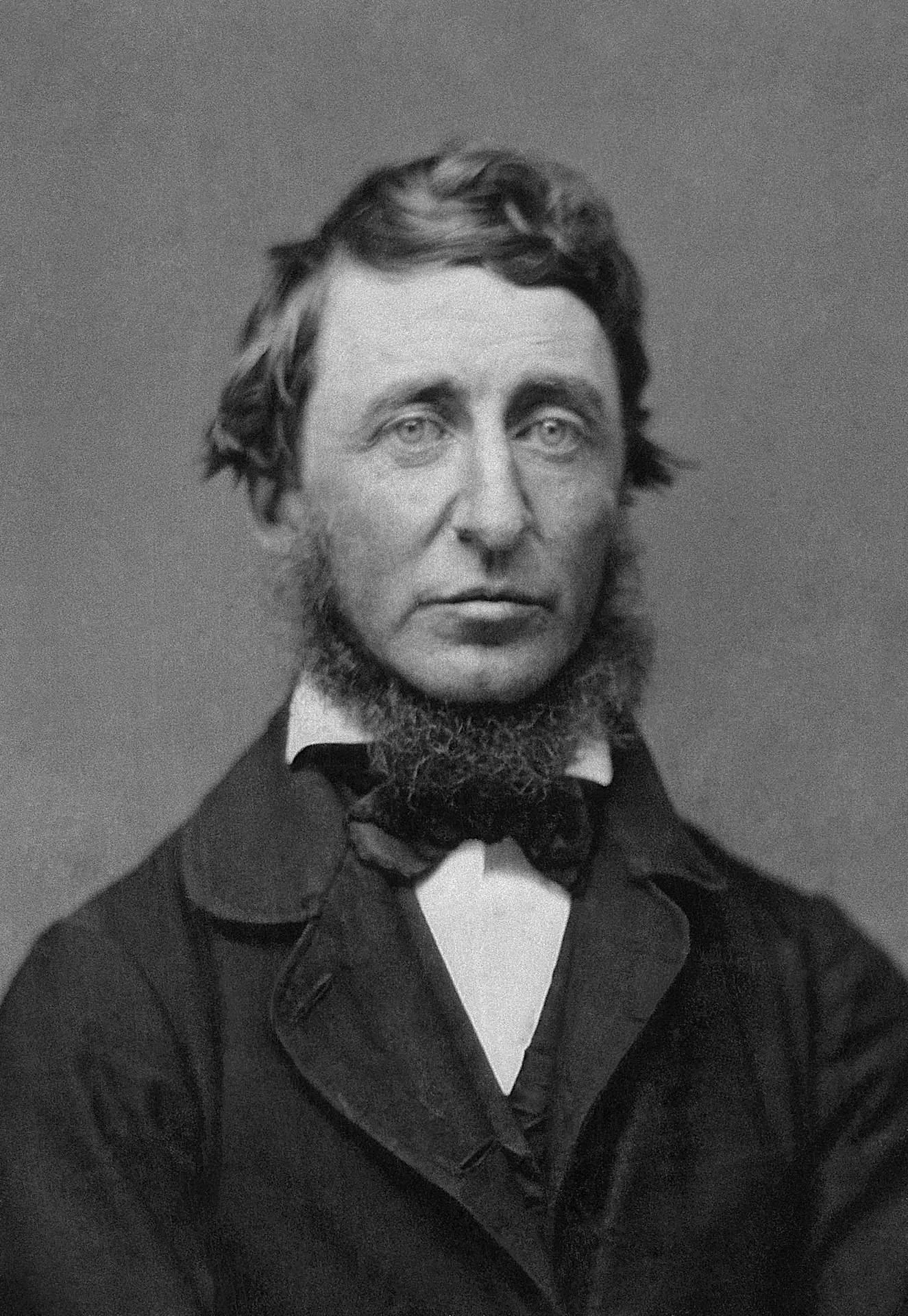
Henry David Thoreau
Born12 Jul, 1817
Died06 May, 1862
NationalityAmerican
Age at time of death44
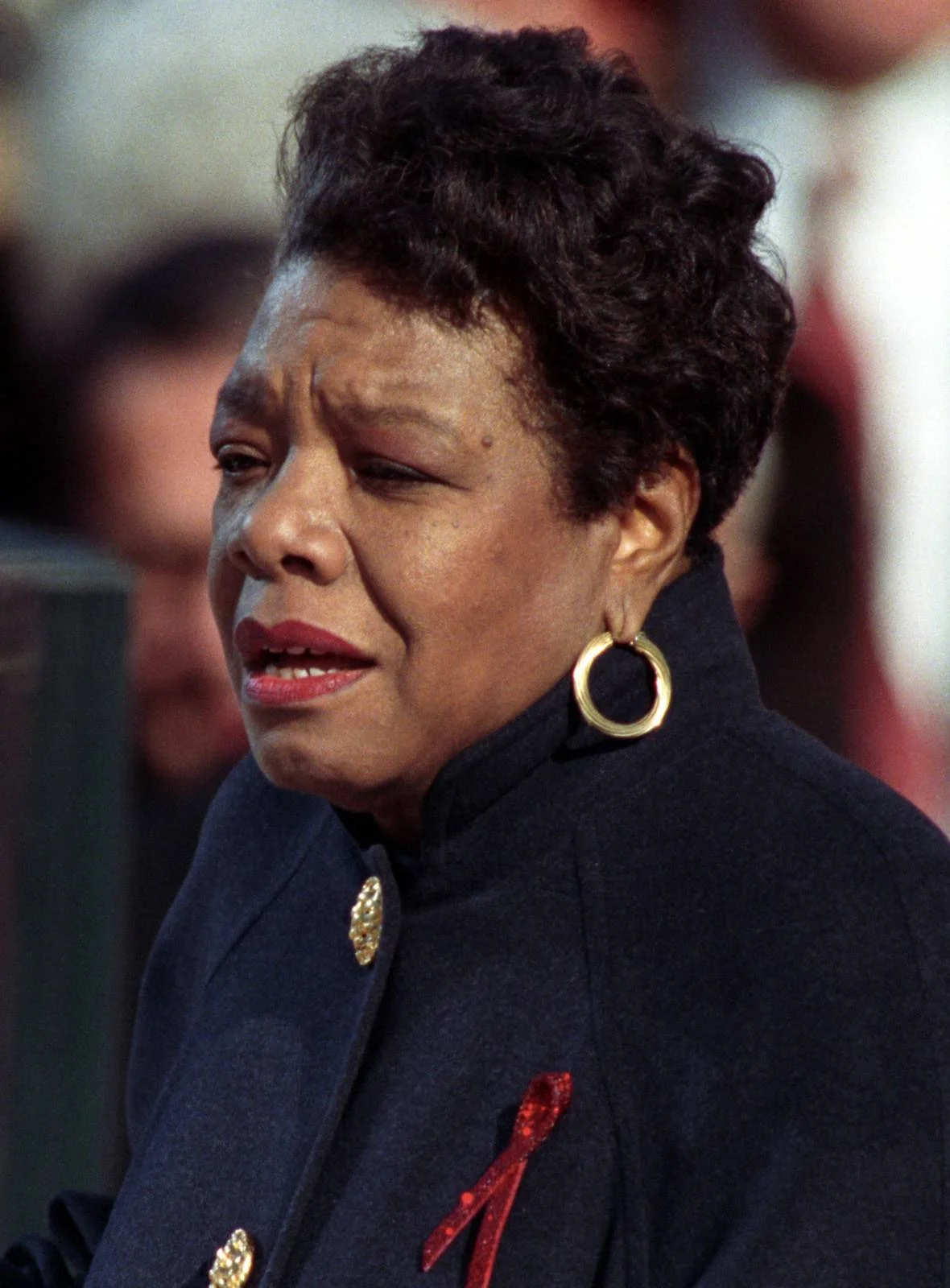
Maya Angelou
Born04 Apr, 1928
Died28 May, 2014
NationalityAmerican
Age at time of death86
Zoe Akins
Born30 Oct, 1886
Died29 Oct, 1958
NationalityAmerican
Age at time of death71
Lascelles Abercrombie
Born09 Jan, 1881
Died27 Oct, 1938
NationalityBritish
Age at time of death57
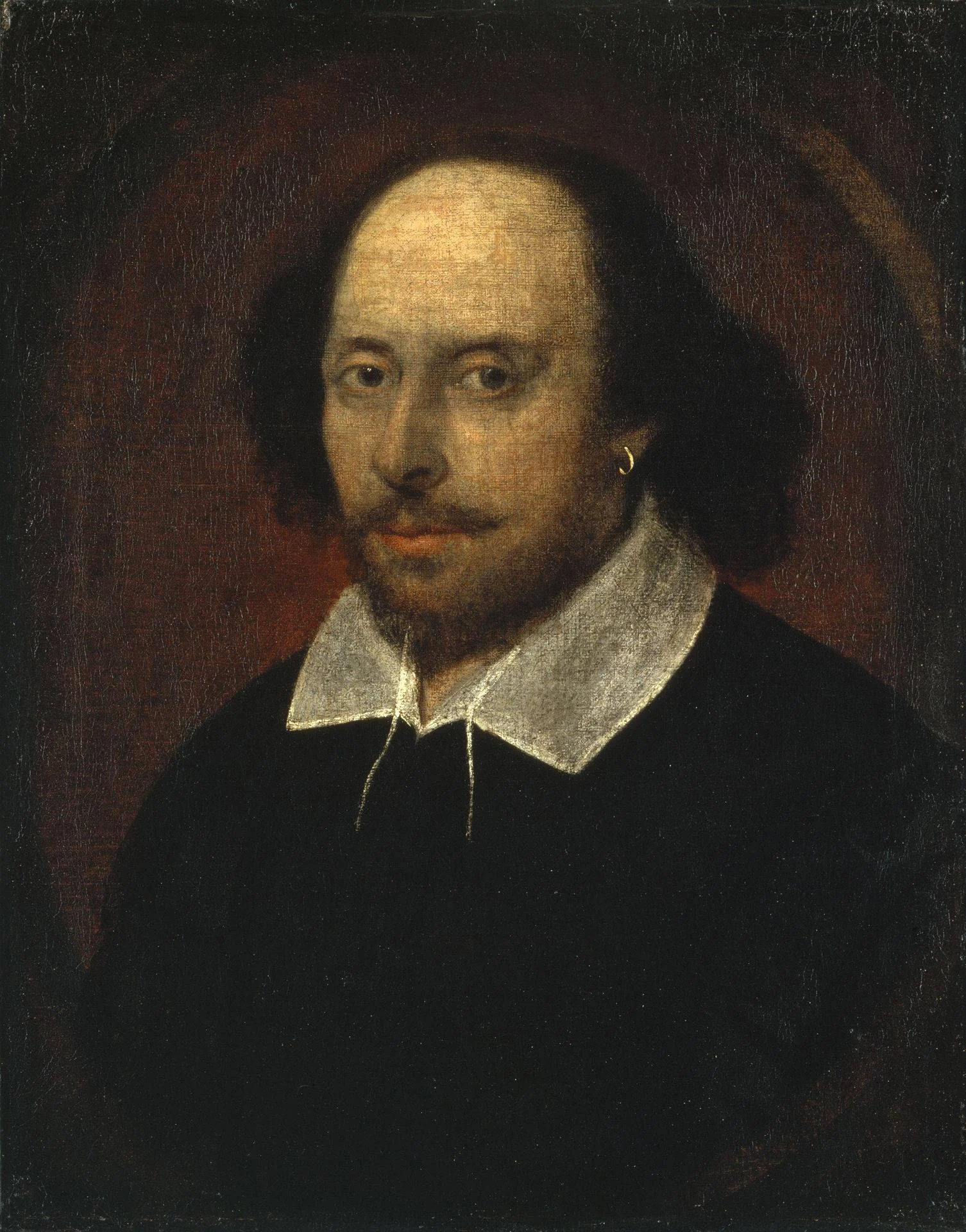
William Shakespeare
Born23 Apr, 1564
Died23 Apr, 1616
NationalityBritish
Age at time of death52