Real Celebrities Never Die!
OR
Search For Past Celebrities Whose Birthday You Share
Died Age: 45
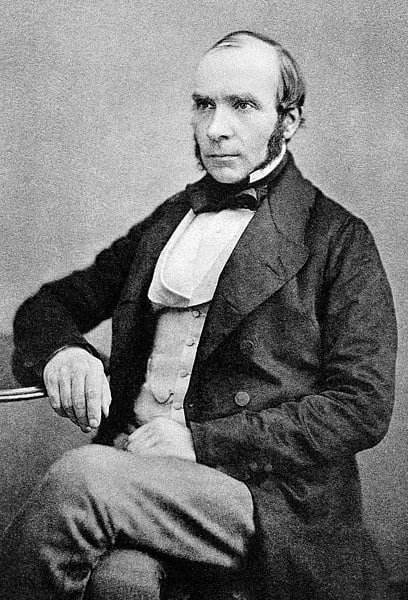
source:wikipedia.org
John Snow
Birthday:
15 Mar, 1813
Date of Death:
16 Jun, 1858
Cause of death:
Stroke
Nationality:
English
Famous As:
Physician
Age at the time of death:
45
John Snow's Quote's

“The most important diseases of mankind are those resultant upon conditions of life which civilization has brought with it.”
John Snow
🔗 deadcelebrityhub.com
Early Life and Education
John Snow, born on March 15, 1813, in York, England, laid the foundation for modern epidemiology and made significant contributions to the understanding of infectious diseases. Growing up in a working-class family, Snow’s early life was marked by financial constraints. Despite limited resources, his innate curiosity and passion for knowledge led him to pursue a medical apprenticeship with a local surgeon. This marked the beginning of a remarkable journey that would shape the course of medical history.
Medical Training and Early Career
Snow’s thirst for knowledge drove him to the Hunterian School of Medicine in London, where he gained a solid foundation in medical sciences. His relentless dedication earned him the prestigious license of the Royal College of Surgeons in 1838, catapulting him into the medical profession. Snow’s keen interest in anesthesia emerged during this period, and he made notable contributions to the field, including the administration of ether and chloroform, revolutionizing surgical practices.
Cholera Outbreak and Epidemiology Breakthrough
Snow’s most enduring legacy lies in his groundbreaking work in epidemiology, particularly during the mid-19th century cholera outbreaks in London. The 1854 Broad Street cholera outbreak became a watershed moment in Snow’s career. Through meticulous mapping and analysis, John Snow traced the source of the outbreak to a contaminated public water pump on Broad Street. This seminal discovery challenged prevailing miasma theories and laid the groundwork for understanding the waterborne transmission of cholera, a revolutionary paradigm shift in public health.
The Broad Street Pump and Cholera Control
The removal of the Broad Street pump handle, a bold decision by local authorities based on Snow’s findings, led to a dramatic decline in cholera cases, validating his theory. This event not only saved lives but also cemented Snow’s reputation as a visionary epidemiologist. His methods, such as mapping disease occurrences, are still fundamental in the study of public health.
Contributions to Anesthesiology
Parallel to his groundbreaking work in epidemiology, John Snow continued to make strides in anesthesiology. His meticulous research on the effects of various anesthetics, along with innovations in administration techniques, elevated the safety and effectiveness of surgical procedures. Snow’s legacy in anesthesiology endures, as his principles continue to guide modern anesthesia practices.
Personal Life and Influences
Snow’s personal life was marked by humility and dedication to his craft. A man of few words, he preferred to let his work speak for itself. His marriage to Sarah Bell in 1830 provided stability and support throughout his career. Snow’s influences included his mentor, Thomas Wakley, and his interactions with luminaries of the time, such as Florence Nightingale. These connections enriched his perspectives and fueled his commitment to medical advancement.
Death and Legacy
Tragically, John Snow’s life was cut short on June 16, 1858, at the age of 45. Despite his premature death, his impact on medicine and public health reverberates through the ages. Snow’s pioneering work laid the groundwork for modern epidemiology, and his legacy lives on in the countless lives saved through improved understanding of disease transmission.
Enduring Legacy of John Snow
John Snow’s life journey from a modest background to a trailblazing epidemiologist and anesthesiologist exemplifies the transformative power of passion and dedication. His legacy endures not only in the annals of medical history but also in the lives touched by the advancements he pioneered. The Broad Street pump remains a symbolic testament to his unwavering commitment to unraveling the mysteries of disease, leaving an indelible mark on the landscape of medicine.
Profile Snapshot
Name:
John Snow
Popular Name:
John Snow
Gender:
Male
Cause of Death:
Stroke
Spouse:
Single
Place of Birth:
York, England
Place of Death:
London, England
Occupation / Profession:
Physician
Personality Type
Logician: Innovative inventors with an unquenchable thirst for knowledge. With his powerful logical reasoning, he made groundbreaking innovations in medicine.
John Snow's Interesting Facts
In addition to his work in epidemiology, Snow was a pioneer in the field of anesthesia. He administered ether to Queen Victoria during the births of two of her children, solidifying his reputation as a skilled anesthetist.
John Snow's famous cholera map, created during the 1854 Broad Street cholera outbreak, is considered one of the earliest instances of spatial epidemiology.
The removal of the Broad Street pump handle, based on Snow's findings, is often cited as one of the earliest examples of public health intervention.
Achievements & Awards
Advancements in Anesthesiology
Identification of Cholera Transmission
Latest Profiles
People also viewed
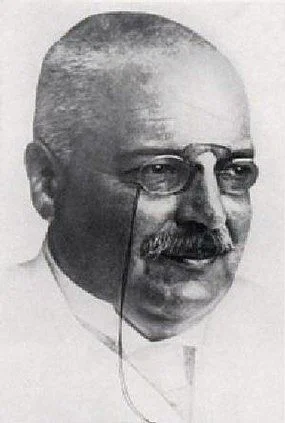
Alois Alzheimer
Born14 Jun, 1864
Died19 Dec, 1915
NationalityGerman
Age at time of death51
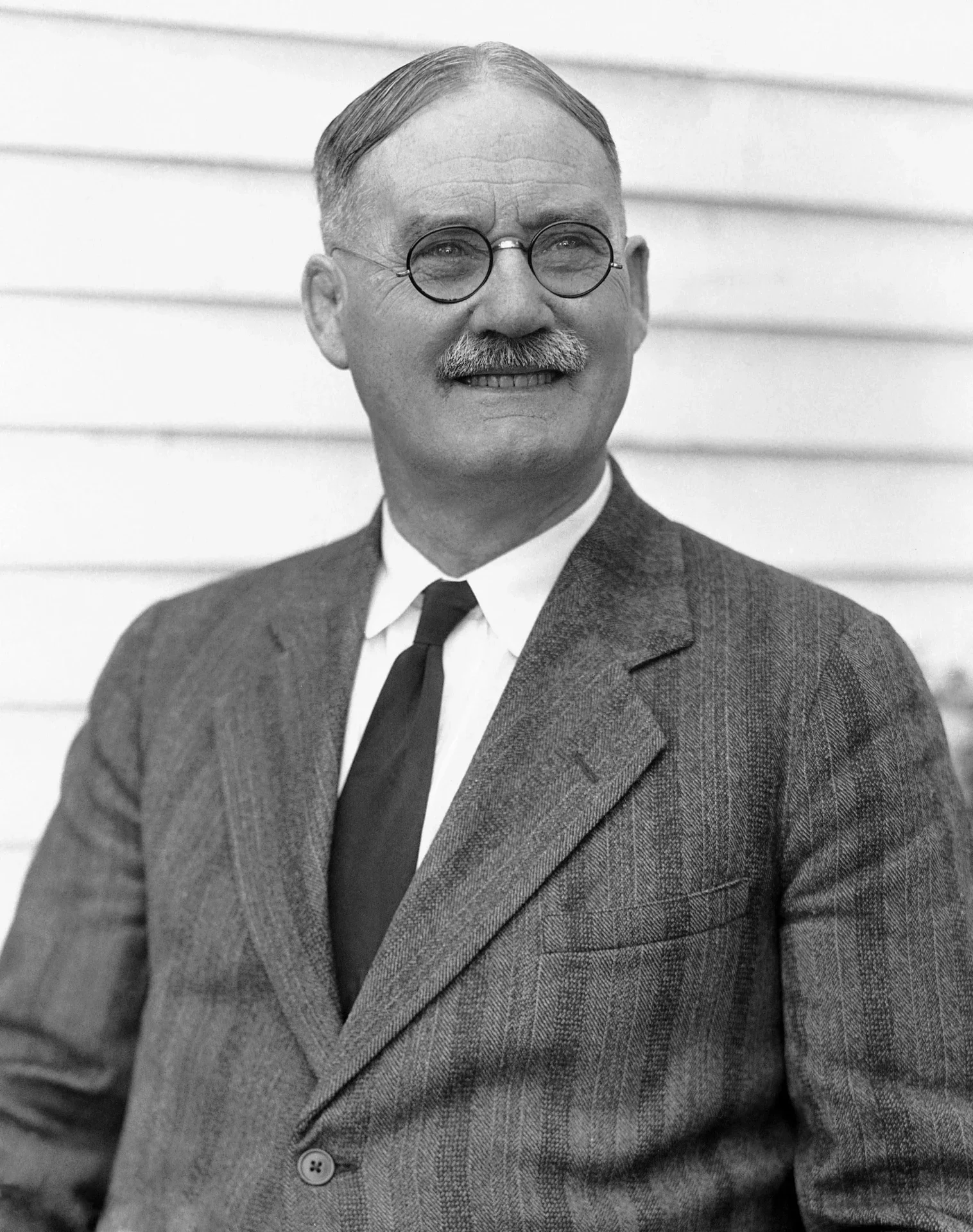
James Naismith
Born06 Nov, 1861
Died28 Nov, 1939
NationalityCanadian, American
Age at time of death78
Cicely Saunders
Born22 Jun, 1918
Died14 Jul, 2005
NationalityEnglish
Age at time of death87
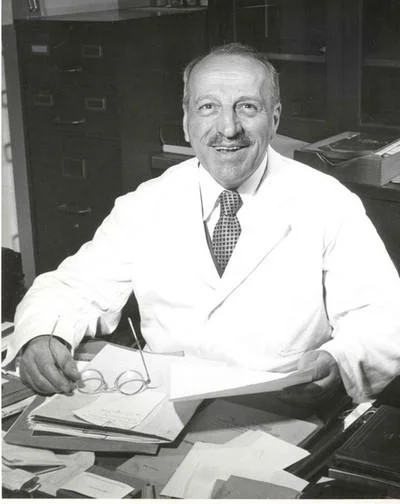
Georgios Papanikolaou
Born13 May, 1883
Died19 Feb, 1962
NationalityGreek
Age at time of death78
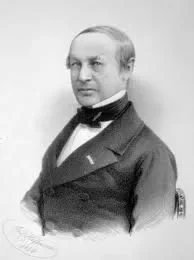
Theodor Schwann
Born07 Dec, 1810
Died11 Jan, 1882
NationalityGerman
Age at time of death71
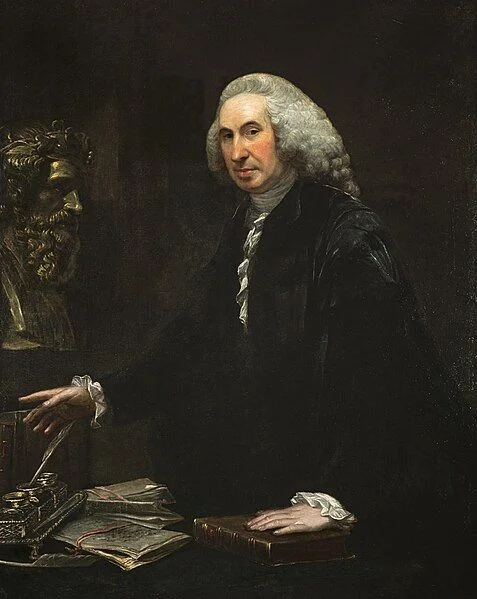
William Cullen
Born15 Apr, 1710
Died05 Feb, 1790
NationalityScottish
Age at time of death79
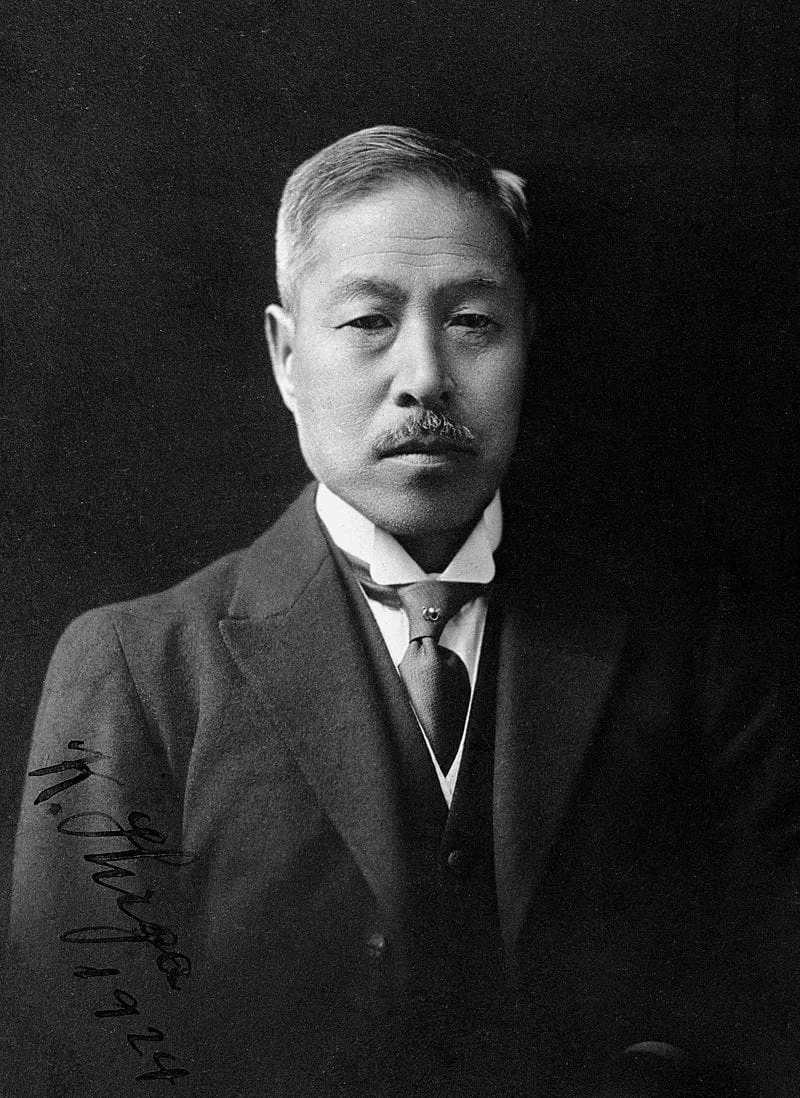
Kiyoshi Shiga
Born07 Feb, 1871
Died25 Jan, 1957
NationalityJapanese
Age at time of death85
Alexander Fleming
Born06 Aug, 1881
Died11 Mar, 1955
NationalityScottish
Age at time of death73
Maria Montessori
Born31 Aug, 1870
Died06 May, 1952
NationalityItalian
Age at time of death81
David Livingstone
Born19 Mar, 1813
Died01 May, 1873
NationalityScottish
Age at time of death60
Arthur Conan Doyle
Born22 May, 1859
Died07 Jul, 1930
NationalityBritish
Age at time of death71
Abraham Pineo Gesner
Born02 May, 1797
Died29 Apr, 1864
NationalityCanadian
Age at time of death66
Edward Jenner
Born17 May, 1749
Died26 Jan, 1823
NationalityBritish
Age at time of death73

Che Guevara
Born14 Jun, 1928
Died09 Oct, 1967
NationalityArgentina, Cuba
Age at time of death39
Anton Chekhov
Born29 Jan, 1860
Died15 Jul, 1904
NationalityRussian
Age at time of death44
Elizabeth Blackwell
Born03 Feb, 1821
Died31 May, 1910
NationalityBritish, American
Age at time of death89
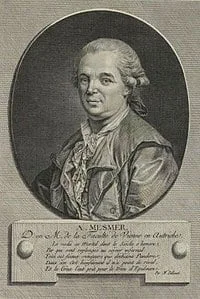
Franz Mesmer
Born23 May, 1734
Died05 Mar, 1815
NationalityGerman
Age at time of death80

Sir Fredrick Banting
Born14 Nov, 1891
Died21 Feb, 1941
NationalityCanadian
Age at time of death49