Real Celebrities Never Die!
OR
Search For Past Celebrities Whose Birthday You Share
Died Age: 86
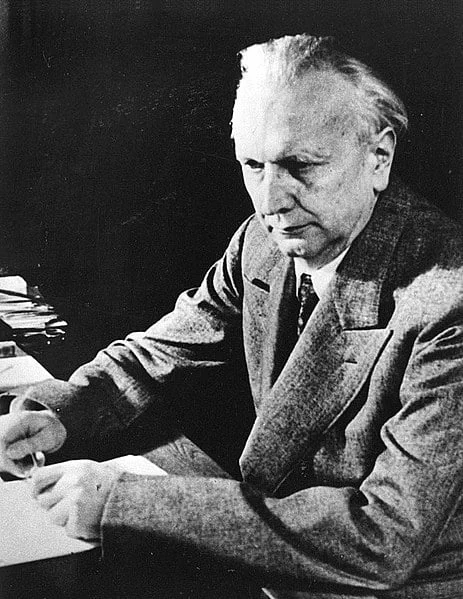
source:wikipedia.org
Karl Jaspers
Birthday:
23 Feb, 1883
Date of Death:
26 Feb, 1969
Cause of death:
stroke
Nationality:
German, Swiss
Famous As:
Philosopher
Age at the time of death:
86
Karl Jaspers's Quote's

“The history of philosophy is to a great extent that of a certain clash of human temperaments.”
Karl Jaspers
🔗 deadcelebrityhub.com
Early Life and Education
Karl Jaspers, a prominent German-Swiss philosopher and psychiatrist, was born on February 23, 1883, in Oldenburg, Germany. His early life was marked by academic curiosity and a passion for understanding the human mind. Jaspers’ intellectual journey began with the study of law, medicine, and psychiatry at the Universities of Heidelberg, Munich, and Berlin.
Impact of World War I
In his early age, Jaspers faced the challenges of his time, experiencing the tumultuous period of World War I. He served as an army physician during the war, which had a profound impact on his philosophical outlook. The chaos and suffering he witnessed influenced his later philosophical reflections on existentialism and the human condition.
Academic Career
Jaspers’ professional trajectory took a definitive turn when he became a professor of philosophy at Heidelberg University in 1916. During his tenure, he developed a keen interest in existentialist philosophy, a movement that emphasizes individual existence, freedom, and choice. Jaspers’ philosophical contributions during this period laid the foundation for his later groundbreaking work.
Concept of Existenz
One of Jaspers’ significant accomplishments was his development of the concept of “Existenz,” a term he used to describe the authentic, self-aware existence of individuals. This concept became central to his philosophical inquiries, shaping his exploration of the meaning of life and the essence of human existence.
Contributions to Psychiatry
In addition to his work in philosophy, Karl Jaspers made noteworthy contributions to psychiatry. He collaborated with the renowned psychiatrist Kurt Schneider and co-authored the influential work “Psychopathology,” which had a lasting impact on the understanding and classification of mental disorders.
General Psychopathology
Jaspers’ professional achievements continued to grow as he published his seminal work, “General Psychopathology,” in 1913. This groundbreaking text became a cornerstone in the field of psychiatry, establishing Jaspers as a leading figure in the exploration of mental disorders. His emphasis on understanding the subjective experience of the patient and his rejection of simplistic categorizations set a new standard in psychiatric methodology.
Exile and Intellectual Pursuits
The year 1933 marked a significant turning point in Jaspers’ life as the rise of the Nazi regime in Germany forced him into exile. Despite the challenges posed by political upheaval, Jaspers continued his intellectual pursuits. He settled in Basel, Switzerland, where he became a professor of philosophy.
Influential Philosophical Works
During his years in exile, Karl Jaspers produced some of his most influential philosophical works, including “Philosophie” (1932) and “The Origin and Goal of History” (1949). These writings delved into existentialist themes and examined the broader philosophical implications of history and human development.
Personal Life
Jaspers’ personal life was marked by a commitment to intellectual rigor and a profound sense of responsibility. His marriage to Gertrud Mayer, a noted art historian, provided him with both personal and intellectual support. Together, they navigated the challenges of exile and built a life that reflected their shared dedication to knowledge and understanding.
Death And Legacy
Karl Jaspers passed away on February 26, 1969, in Basel, Switzerland, leaving behind a rich legacy of philosophical thought and psychiatric contributions. His ideas continue to shape discussions in existentialist philosophy, psychiatry, and the exploration of the human experience.
Karl Jaspers’ life and work exemplify a commitment to intellectual exploration and the pursuit of truth. From his early years in Germany to his influential contributions in exile, Jaspers’ legacy endures as a testament to the power of philosophical inquiry and the importance of understanding the complexities of the human mind.
Profile Snapshot
Name:
Karl Jaspers
Popular Name:
Karl Jaspers
Gender:
Male
Cause of Death:
stroke
Spouse:
Gertrude Mayer
Place of Birth:
Oldenburg, German Empire
Place of Death:
Basel, Switzerland
Occupation / Profession:
Philosopher
Psychiatrist
Personality Type
Defender: Very dedicated and warm protectors, always ready to defend their loved ones. He was always willing to help and support others.
Karl Jaspers's Interesting Facts
Jaspers’ contributions to psychiatry extended beyond theoretical writings. His collaboration with Kurt Schneider resulted in the influential work “Psychopathology,” which had a lasting impact on the classification and understanding of mental disorders.
Jaspers wrote a philosophical autobiography titled “Way to Wisdom,” where he reflected on his own philosophical journey, influences, and the evolution of his ideas. This work provides insights into his personal and intellectual development.
Karl Jaspers had a dual professional identity as both a philosopher and a psychiatrist. His ability to navigate and contribute significantly to both fields showcased the interdisciplinary nature of his intellectual pursuits.
Achievements & Awards
Aspers was awarded numerous honorary doctorates from prestigious universities around the world.
Throughout his career, Jaspers held various prestigious academic positions. These appointments and fellowships served as acknowledgments of his intellectual contributions.
Latest Profiles
People also viewed
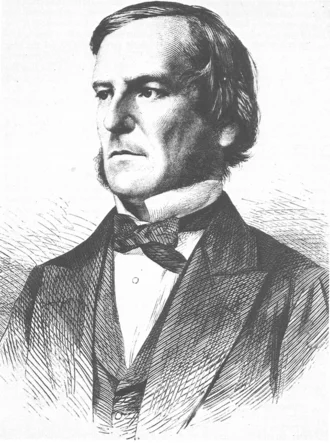
George Boole
Born02 Nov, 1815
Died08 Dec, 1864
NationalityEnglish
Age at time of death49
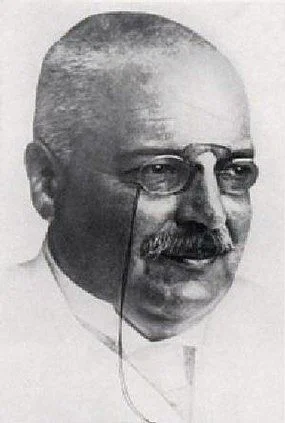
Alois Alzheimer
Born14 Jun, 1864
Died19 Dec, 1915
NationalityGerman
Age at time of death51
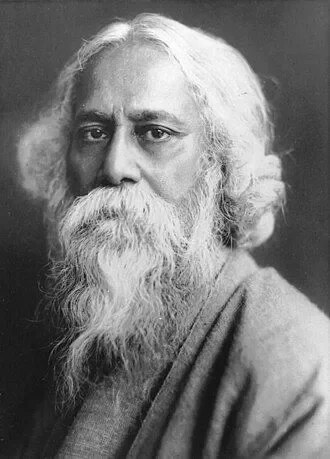
Rabindranath Tagore
Born07 May, 1861
Died08 Aug, 1941
NationalityIndian
Age at time of death80
Jonas Cohn
Born01 Dec, 1869
Died28 Jan, 1947
NationalityGerman
Age at time of death77

Ethan Allen
Born21 Jan, 1738
Died12 Feb, 1789
NationalityAmerican
Age at time of death51
Will Durant
Born05 Nov, 1885
Died07 Nov, 1981
NationalityAmerican
Age at time of death96
James Allen
Born28 Nov, 1864
Died24 Jan, 1912
NationalityBritish
Age at time of death47
Friedrich Engels
Born28 Nov, 1820
Died05 Aug, 1895
NationalityPrussian
Age at time of death74
Karl Popper
Born28 Jul, 1902
Died17 Sep, 1994
NationalityAustrian, Hungarian, British
Age at time of death92
Henry David Thoreau
Born12 Jul, 1817
Died06 May, 1862
NationalityAmerican
Age at time of death44
Charles Babbage
Born26 Dec, 1791
Died18 Oct, 1871
NationalityBritish
Age at time of death79
Nisargadatta Maharaj
Born17 Apr, 1897
Died08 Sep, 1981
NationalityIndian
Age at time of death84
Nicholas P. Dallis
Born15 Dec, 1911
Died06 Jul, 1991
NationalityAmerican
Age at time of death79
Swami Vivekananda
Born12 Jan, 1863
Died04 Jul, 1902
NationalityIndian
Age at time of death39
Martin Heidegger
Born26 Sep, 1889
Died26 May, 1976
NationalityGerman
Age at time of death86
Karl Marx
Born05 May, 1818
Died14 Mar, 1883
NationalityGerman, Prussian
Age at time of death64
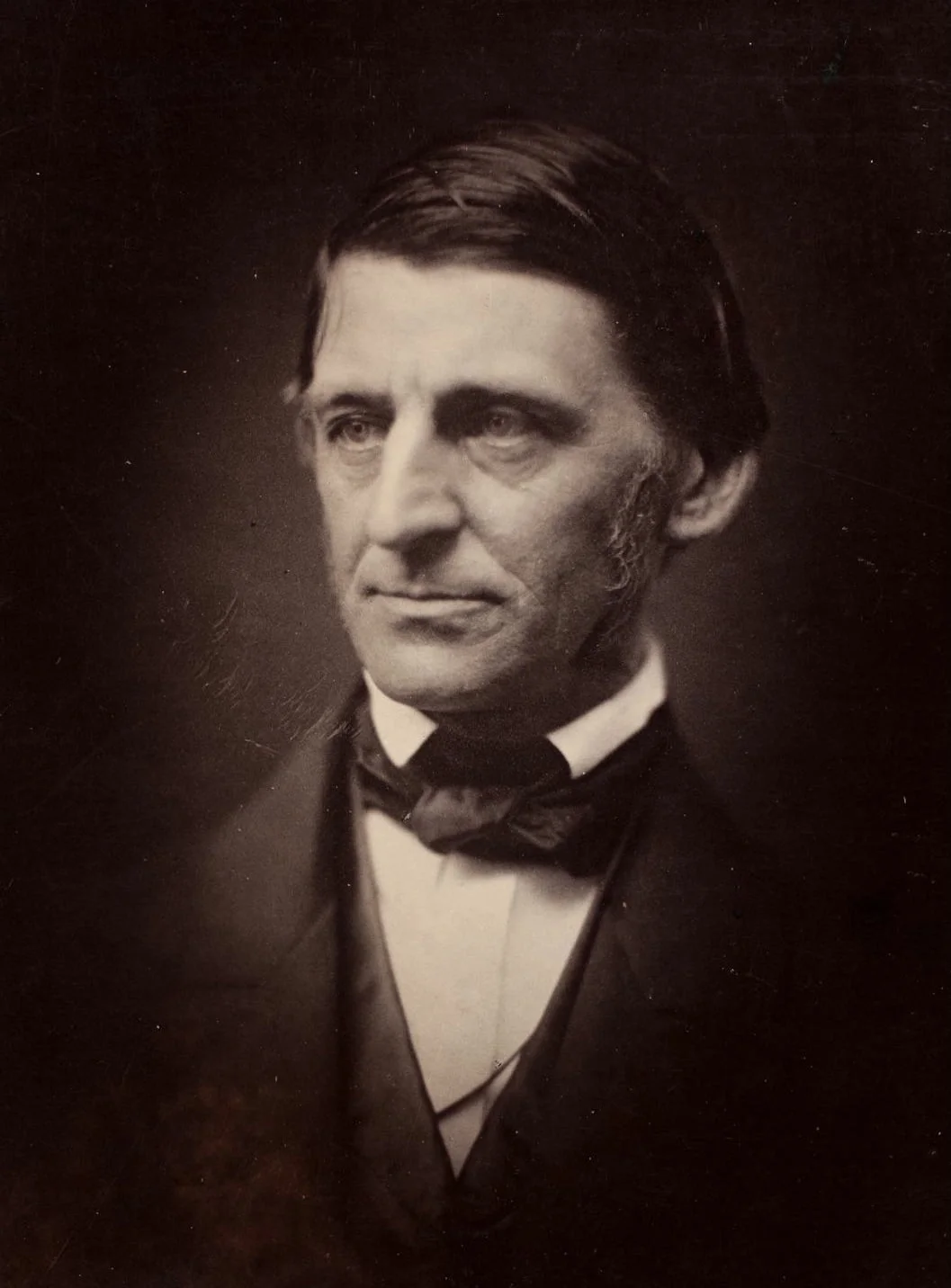
Ralph Waldo Emerson
Born25 May, 1803
Died27 Apr, 1882
NationalityAmerican
Age at time of death78
Ramana Maharshi
Born30 Dec, 1879
Died14 Apr, 1950
NationalityIndian
Age at time of death70
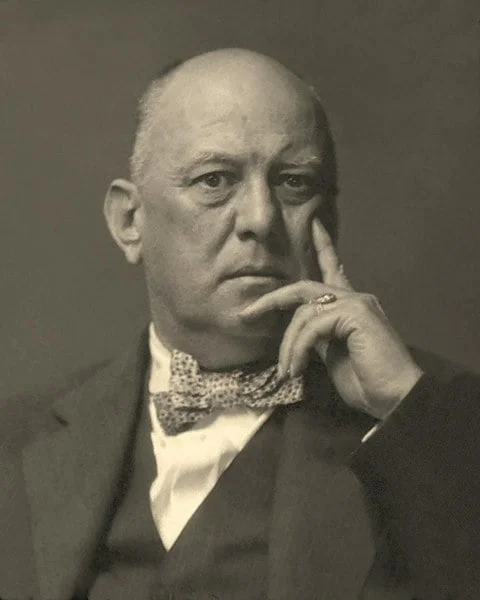
Aleister Crowley
Born12 Oct, 1875
Died01 Dec, 1947
NationalityBritish
Age at time of death72
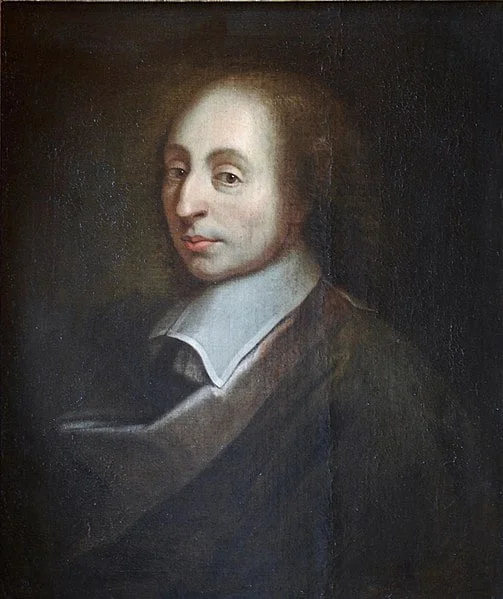
Balise Pascal
Born19 Jun, 1623
Died19 Aug, 1662
NationalityFrench
Age at time of death39