Real Celebrities Never Die!
OR
Search For Past Celebrities Whose Birthday You Share
Died Age: 80
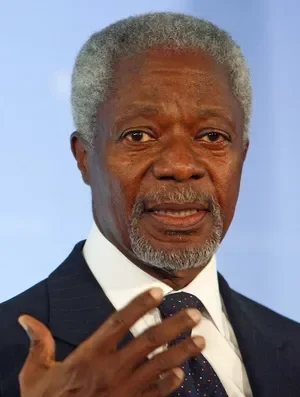
britannica.com
kofi Annan
Birthday:
08 Apr, 1938
Date of Death:
18 Aug, 2018
Cause of death:
Short Illness
Nationality:
Ghanaian
Famous As:
Diplomat
Age at the time of death:
80
Kofi Atta Annan's Quote's

“You are never too young to lead, and we are never too old to learn.”
Kofi Atta Annan
🔗 deadcelebrityhub.com
Roots in Kumasi: The Early Life of a Global Peacemaker
The diplomat, Kofi Annan, was a man with an unwavering belief in dialogue, dignity, and shared humanity. Annan rose from a modest upbringing in Ghana to become the first Black African Secretary-General of the United Nations. His calm demeanour masked a fierce commitment to justice, and his legacy is one of empathy-driven leadership in a world often torn by conflict.
Born on April 8, 1938, in Kumasi, Ghana—then the Gold Coast—Kofi Annan was raised in a family that quietly modelled leadership and civic responsibility. His father, Henry Reginald Annan, was a provincial governor and part of the Fante aristocracy, while his mother, Victoria, hailed from a royal Ashanti family. In a household where tradition met colonial transition, Annan learned early the value of diplomacy, discretion, and resolve.
A defining moment came in his teenage years when he witnessed the country’s journey to independence in 1957. “The world can change,” he later reflected, “and I have seen it happen.” That transformation lit a spark in him, not of political ambition, but of global possibility. Few knew then that this soft-spoken boy would one day guide the world’s most complex organisation through some of its darkest hours.
A Mind Shaped by the World: Education Across Continents
Annan’s intellectual journey was as global as his career would become. He began his studies at the elite Mfantsipim School in Ghana, a Methodist institution that instilled in him the values of service and integrity. A pivotal opportunity came when he received a Ford Foundation grant to study in the United States as part of a program aimed at grooming future African leaders.
At Macalester College in Minnesota, he studied economics and forged lifelong values in cross-cultural understanding. It was here, during the civil rights movement, that he began to fully grasp the power of moral leadership. Later, at the Graduate Institute of International and Development Studies in Geneva and the MIT Sloan School of Management, Annan sharpened the administrative and diplomatic acumen that would define his UN tenure.
His educational path bridged continents, worldviews, and disciplines, echoing the kind of global cooperation he would spend a lifetime fostering.
From Bureaucrat to Global Statesman: A Career in Phases
Early Years: The UN Insider
Kofi Annan joined the United Nations in 1962, starting humbly as an administrative officer with the World Health Organisation in Geneva. Over the decades, he became something rare in the sprawling bureaucracy of the UN: an insider with an outsider’s empathy. He held senior posts across peacekeeping, human resources, and budget management, mastering the slow mechanics of change within international institutions.
One of his first major tests came during the Gulf War, when he helped repatriate over 900 international staff and mediate the release of Western hostages. His performance caught the attention of world leaders, though Annan himself remained characteristically reserved.
The Secretary-General Years: 1997–2006
In 1997, he became the seventh Secretary-General and the first to rise from within the UN’s ranks. It was a turbulent time: the Rwandan Genocide and the Srebrenica massacre had recently shattered trust in international peacekeeping. Annan stepped in not just as a bureaucrat, but as a reformer with a conscience. He pushed for a new era of accountability and transparency, establishing a global compact for corporate social responsibility and strengthening UN peacekeeping missions.
In 2001, Annan shared the Nobel Peace Prize with the UN for “a better organized and more peaceful world.” Yet he was never content with praise. He challenged the Security Council’s complacency, opposed the Iraq War, and famously declared that the U.S. invasion was "illegal" which was a bold stance for someone in his position.
Later Years: The Elder Statesman
After his UN term ended in 2006, Annan, instead of retiring, redirected his focus. He chaired The Elders, a group of former world leaders advocating for peace and human rights, founded by Nelson Mandela. He also led efforts to mediate the post-election violence in Kenya in 2007, achieving a peaceful resolution when many feared civil war.
True to form, Annan kept his focus not on headlines but on healing.
The Man Beyond the Diplomat: Personal Life
Behind the suits and speeches was a man who loved jazz, poetry, and the simple pleasures of conversation. He was married twice, first to Nigerian Titi Alakija and later to Swedish lawyer Nane Lagergren, who stood beside him through his rise to global prominence. He had three children and was known to be both affectionate and demanding. Simply put,he was a family man with a world on his shoulders.
Friends say he was disarmingly warm, never one to impose but always one to influence. A lesser-known fact: Annan had a near-photographic memory for names and faces, a trait that made even the most junior diplomats feel seen.
A Legacy of Dignity, Dialogue, and Decency
When Kofi Annan passed away in 2018, the world mourned not just a statesman, but a symbol of what leadership could be—measured, moral, and deeply human. He left behind a UN more responsive than he found it, a world slightly more inclined toward dialogue than destruction, and a legacy rooted in the belief that peace is a daily act, not a distant ideal.
In a century often dominated by strongmen and soundbites, Kofi Annan’s quiet diplomacy served as a reminder that real power lies not in shouting, but in listening and acting, always, with humanity.
Profile Snapshot
Name:
Kofi Atta Annan
Popular Name:
kofi Annan
Gender:
Male
Cause of Death:
Short Illness
Spouse:
Nane Annan
Titi Alakija
Place of Birth:
Kumasi, Ghana
Place of Death:
Bern, Switzerland
Occupation / Profession:
Diplomat
Politician
Personality Type
Advocate: Kofi Annan was a calm yet courageous visionary whose moral conviction and quiet leadership transformed global diplomacy with empathy, integrity, and unwavering idealism.
Kofi Atta Annan's Interesting Facts
Annan was a lifelong fan of football (soccer) and supported Manchester United.
He was fluent in English, French, Akan, and other African languages.
His middle name, Atta, means “twin” in Akan, as he was born a twin (his twin sister Efua passed away in 1991).
Achievements & Awards
Annan also founded the Kofi Annan Foundation, focused on promoting better global governance and conflict resolution.
He was a key architect of the UN’s Millennium Development Goals, which aimed to reduce global poverty and improve health and education.
In 2001, he was jointly awarded the Nobel Peace Prize with the United Nations for revitalising the institution and advocating for a more peaceful world.
Kofi Annan served as the seventh Secretary-General of the United Nations from 1997 to 2006, during which he implemented major reforms in peacekeeping, development, and human rights.
External Links
Latest Profiles
People also viewed
Gerald Ford
Born14 Jul, 1913
Died26 Dec, 2006
NationalityAmerican
Age at time of death93
Victor Hugo
Born26 Feb, 1802
Died22 May, 1885
NationalityFrench
Age at time of death83
George Murphy
Born04 Jul, 1902
Died03 May, 1992
NationalityAmerican
Age at time of death89
P. T. Barnum
Born05 Jul, 1810
Died07 Apr, 1891
NationalityAmerican
Age at time of death80
Madeleine Albright
Born15 May, 1937
Died23 Mar, 2022
NationalityAmerican, Czech
Age at time of death84
Rajendra Prasad
Born03 Dec, 1884
Died28 Feb, 1963
NationalityIndian
Age at time of death78
Nelson Rockefeller
Born08 Jul, 1908
Died26 Jan, 1979
NationalityAmerican
Age at time of death70

Ethan Allen
Born21 Jan, 1738
Died12 Feb, 1789
NationalityAmerican
Age at time of death51
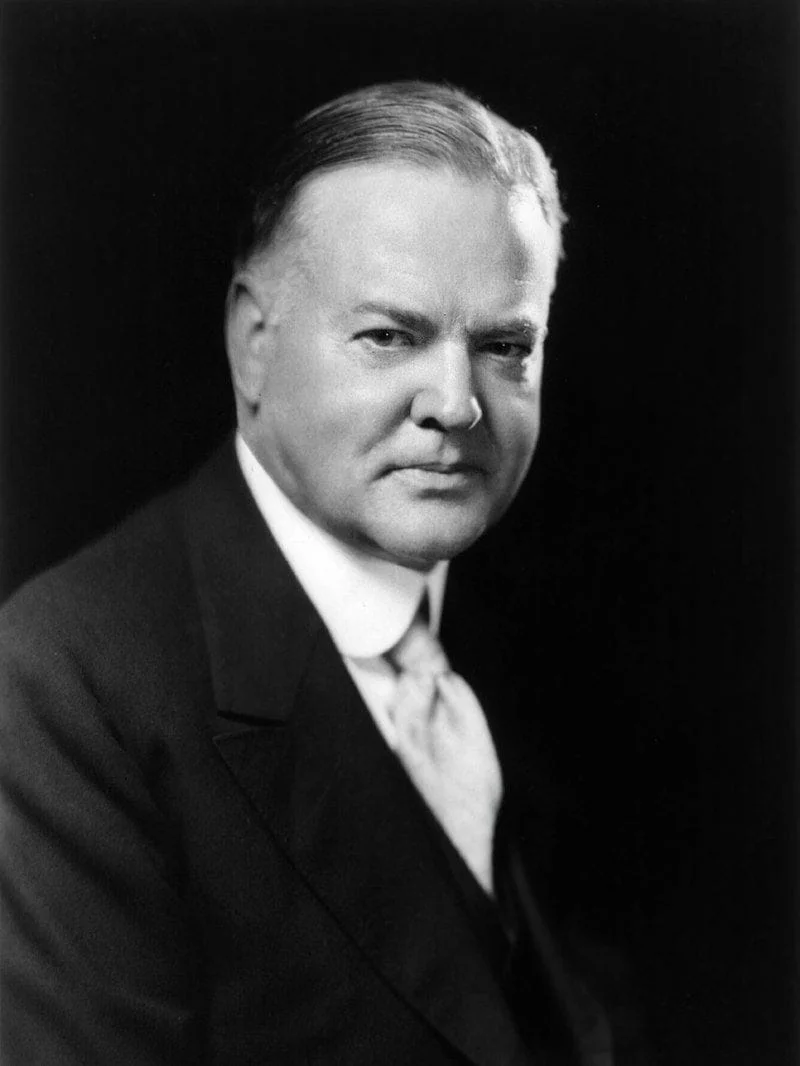
Herbert Hoover
Born10 Aug, 1874
Died20 Oct, 1964
NationalityAmerican
Age at time of death90
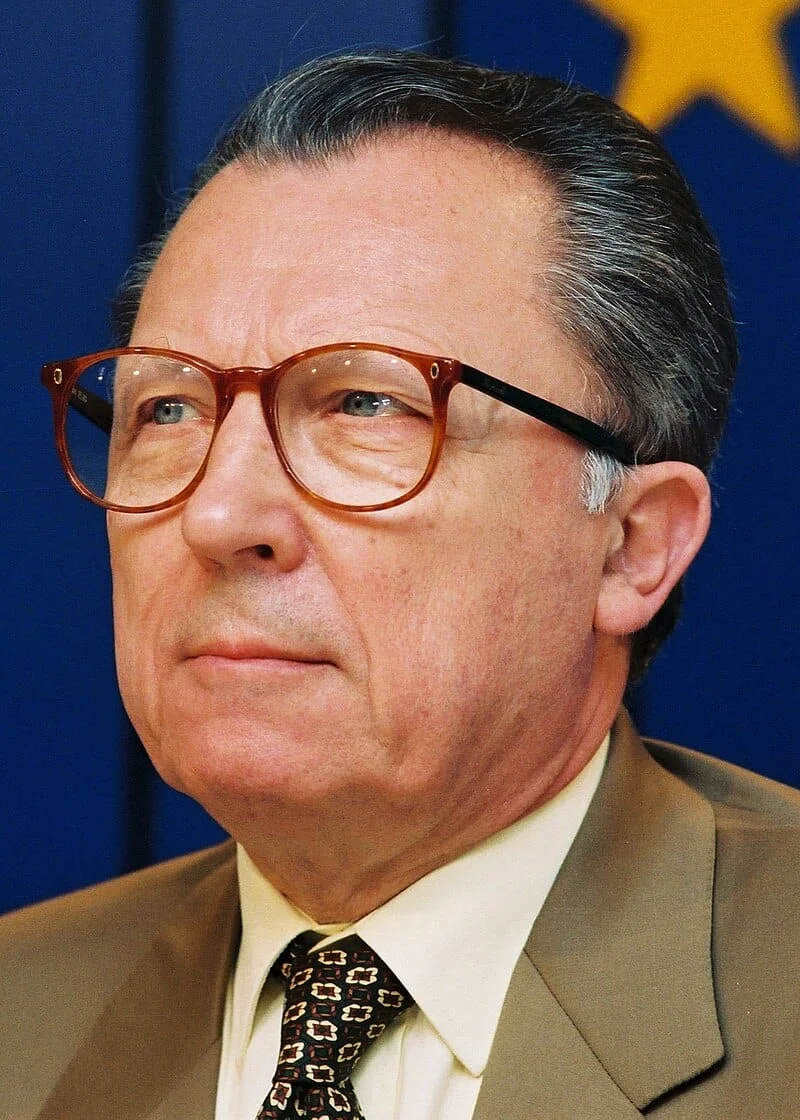
Jacques Delors
Born20 Jul, 1925
Died27 Dec, 2023
NationalityFrench
Age at time of death98
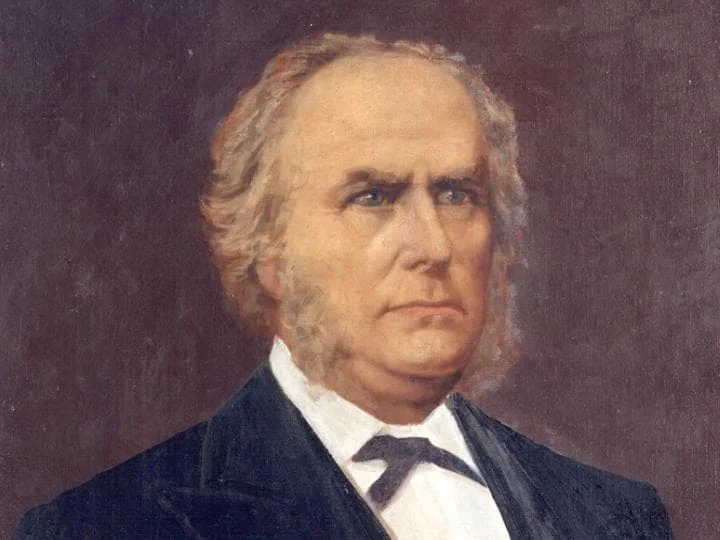
James Harrison
Born17 Apr, 1816
Died03 Sep, 1893
NationalityScottish,Australian
Age at time of death77
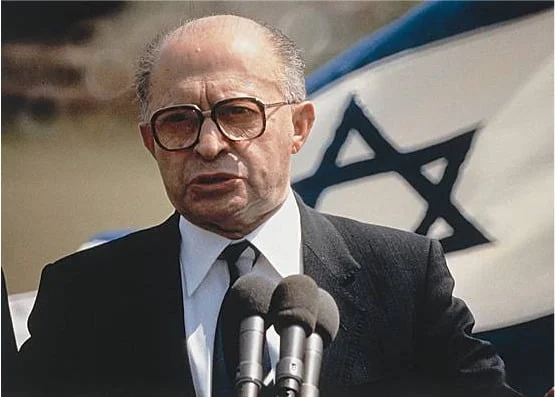
Menachem Begin
Born16 Aug, 1913
Died09 Mar, 1992
NationalityIsraeli
Age at time of death78
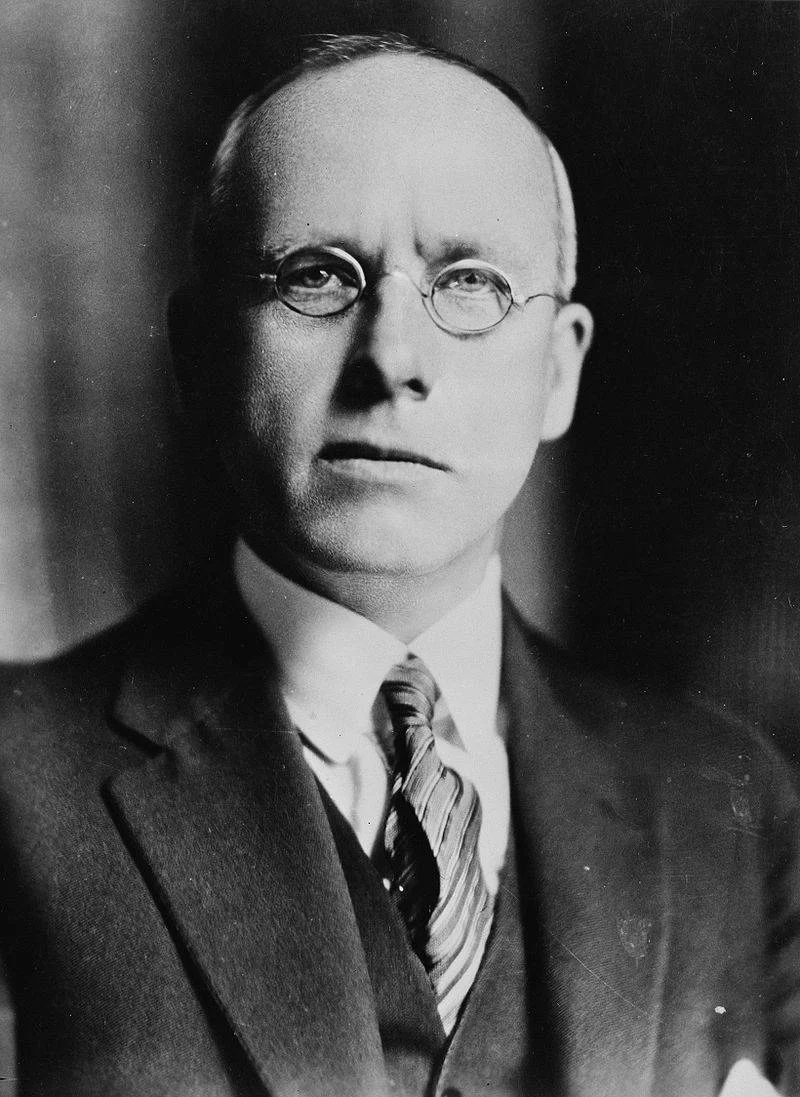
Peter Fraser
Born28 Aug, 1884
Died12 Dec, 1950
NationalityNew Zealand
Age at time of death66
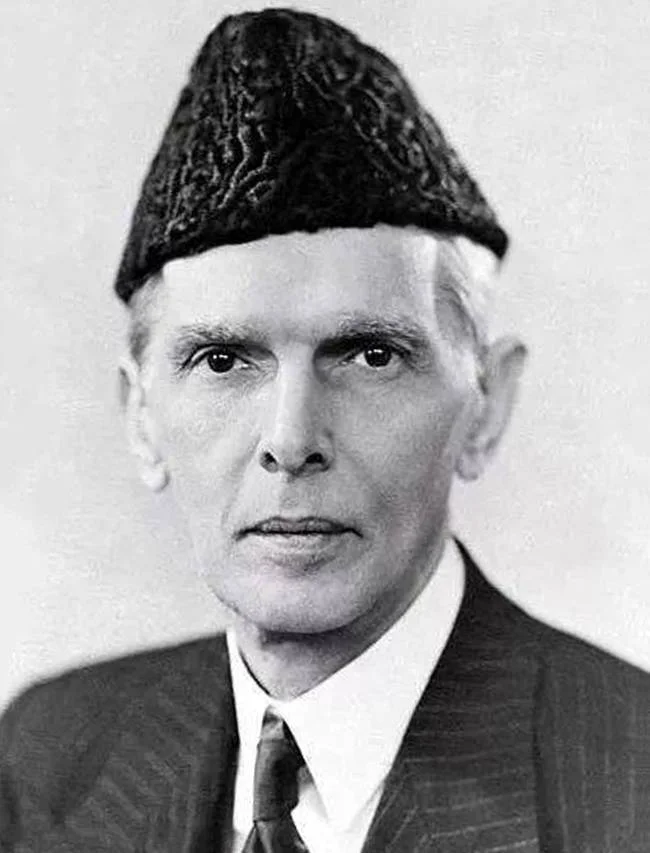
Muhammad Ali Jinnah
Born25 Dec, 1876
Died11 Sep, 1948
NationalityPakistani
Age at time of death71
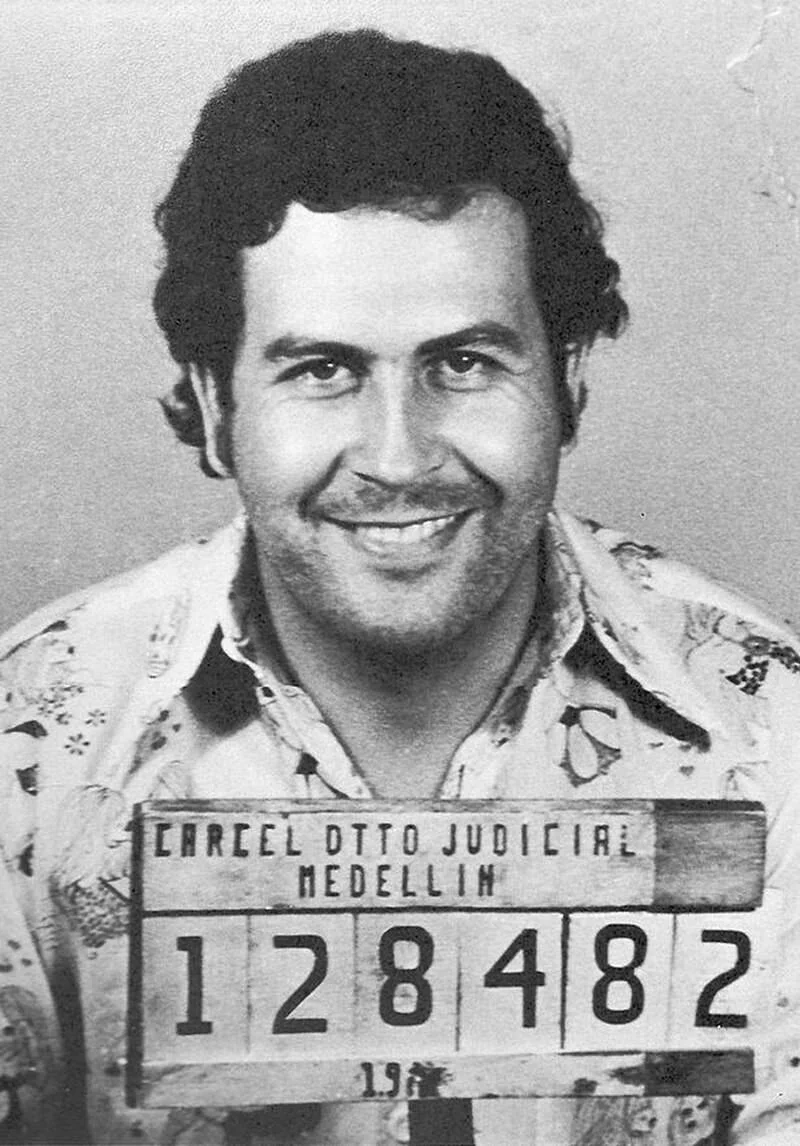
Pablo Escobar
Born01 Dec, 1949
Died02 Dec, 1993
NationalityColombian
Age at time of death44
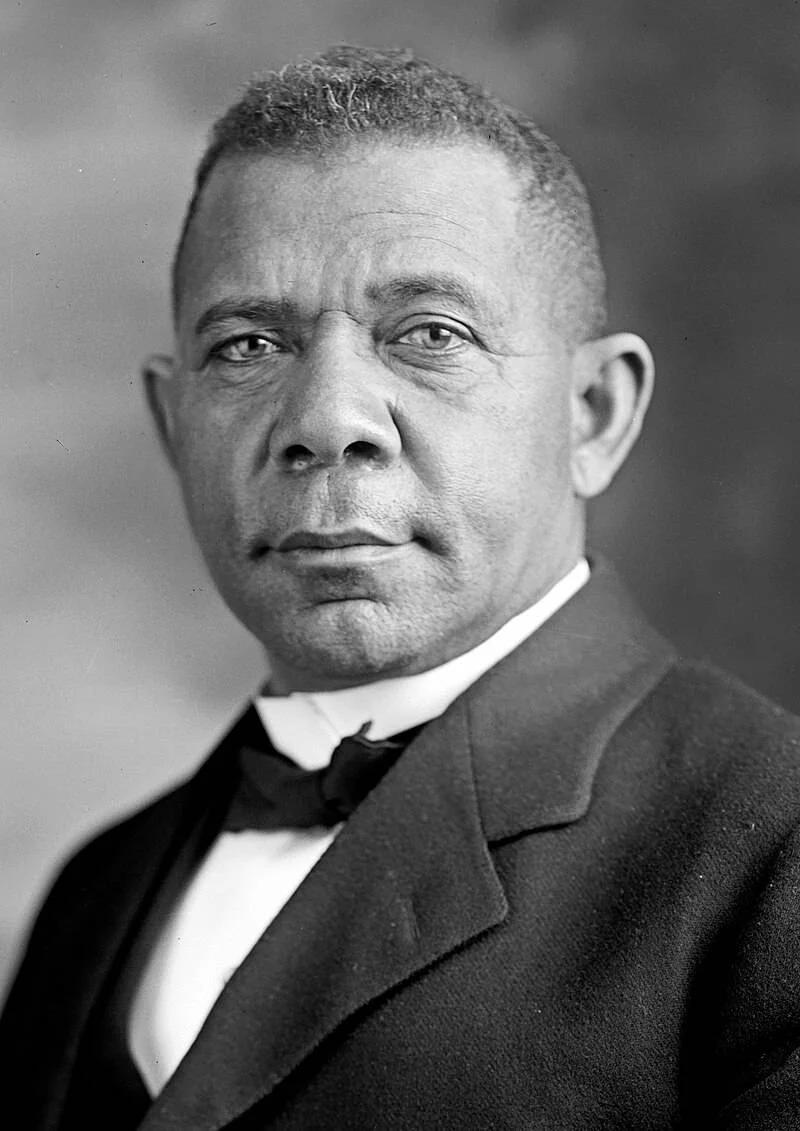
Booker T. Washington
Born05 Apr, 1856
Died14 Nov, 1915
NationalityAmerican
Age at time of death59
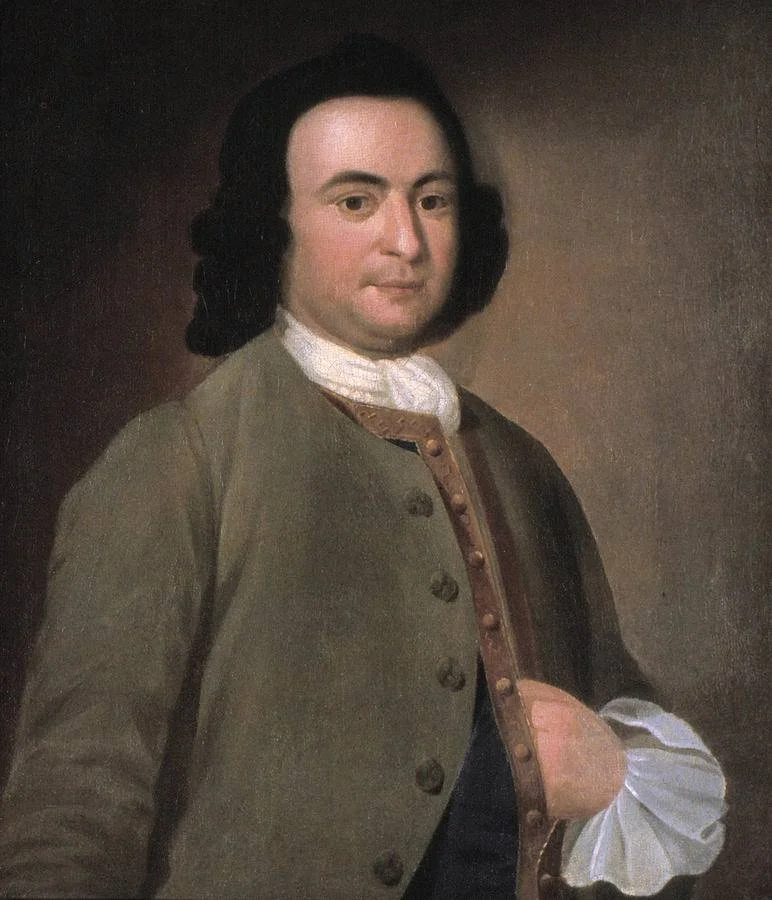
George Mason
Born11 Dec, 1725
Died07 Oct, 1792
NationalityAmerican, British
Age at time of death66
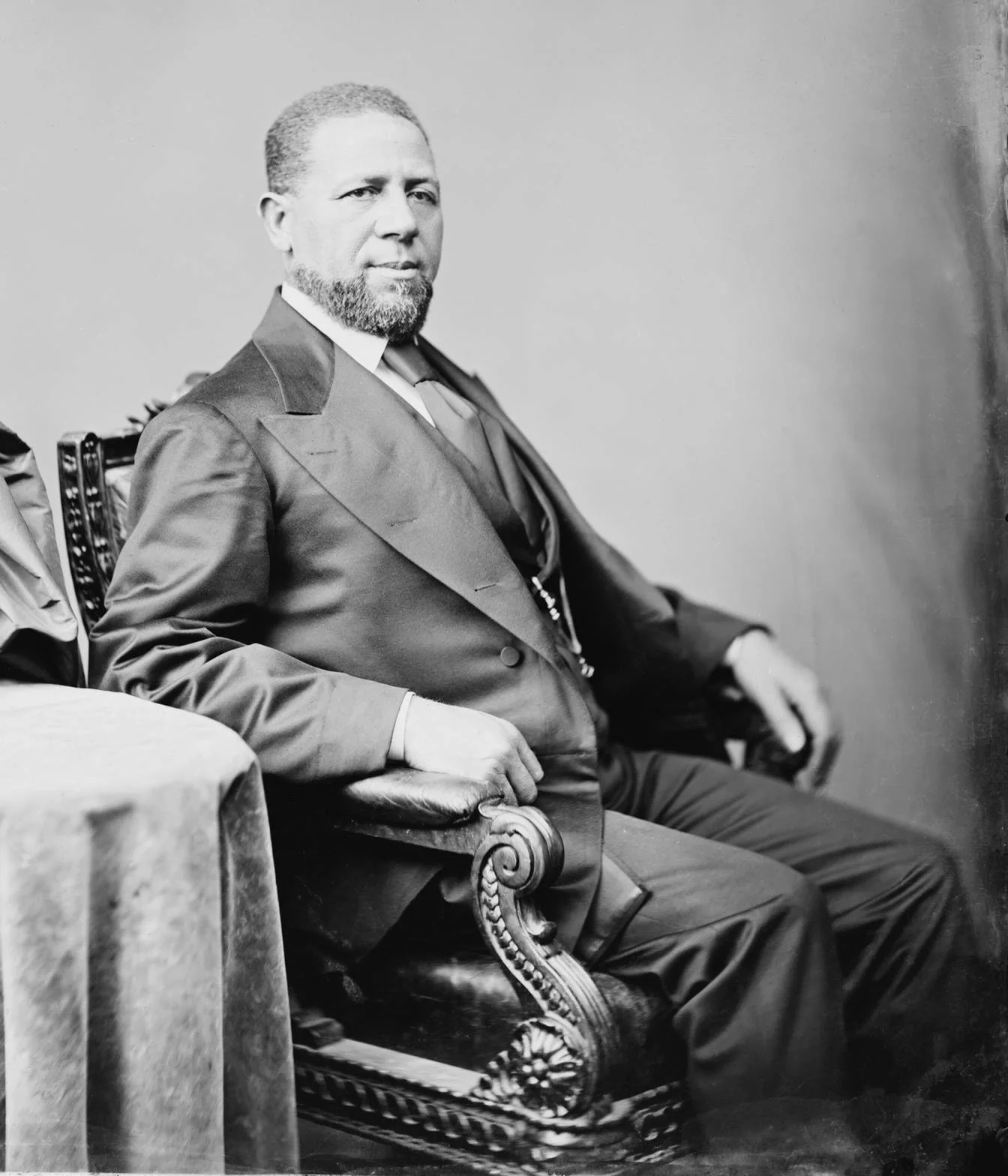
Hiram R. Revels
Born27 Sep, 1827
Died16 Jan, 1901
NationalityAmerican
Age at time of death73
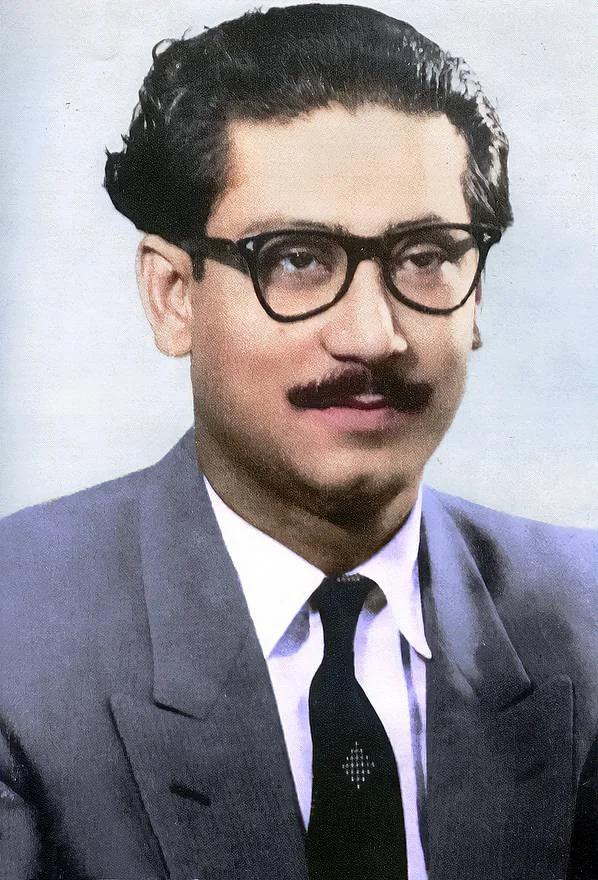
Sheikh Mujibur Rahman
Born17 Mar, 1920
Died15 Aug, 1975
NationalityIndian, Pakistani, Bangladeshi
Age at time of death55

Ronald Reagan
Born06 Feb, 1911
Died05 Jun, 2004
NationalityAmerican
Age at time of death93