Real Celebrities Never Die!
OR
Search For Past Celebrities Whose Birthday You Share
Died Age: 69
source:encrypted-tbn3.gstatic.com
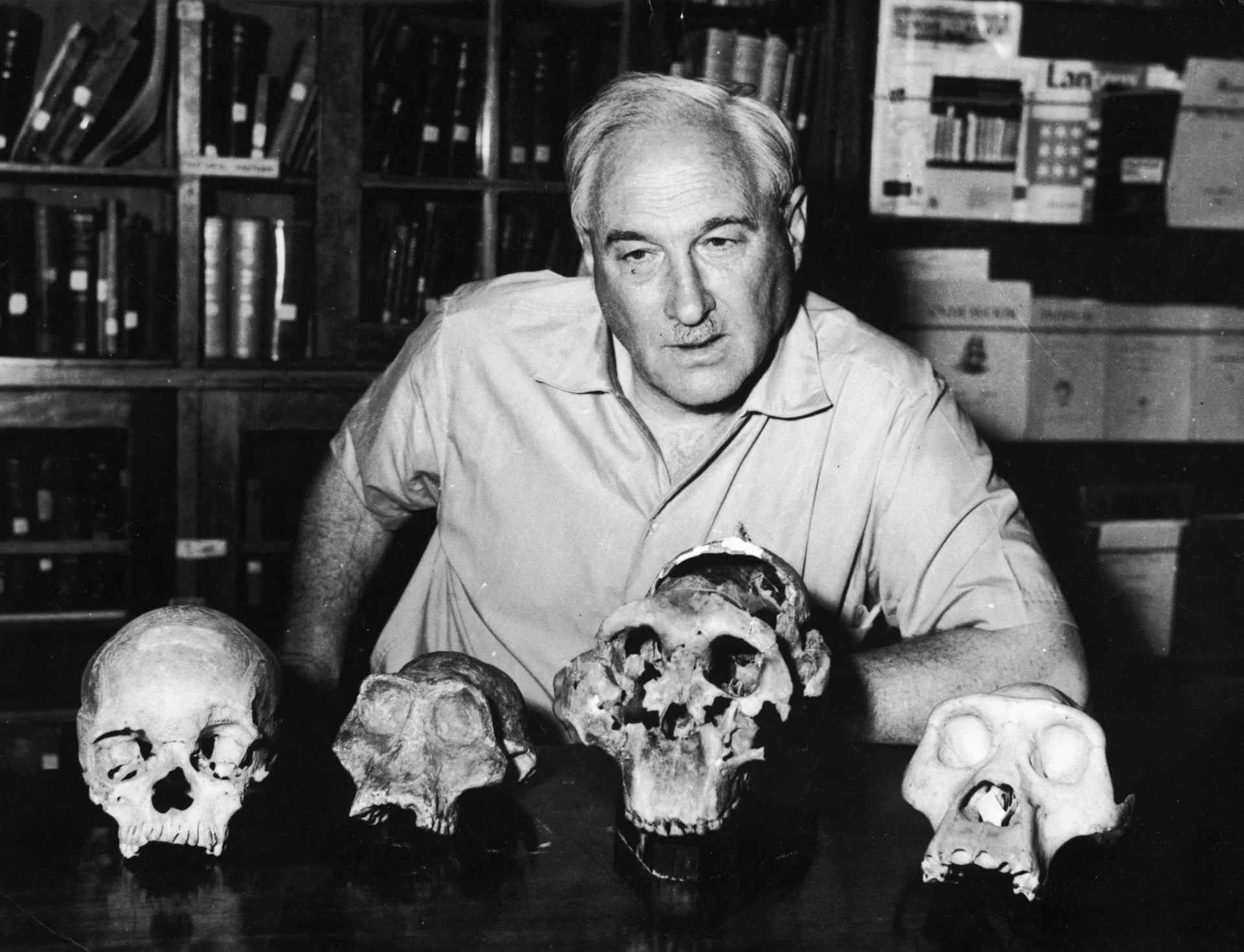
Louis Leakey
Birthday:
07 Aug, 1903
Date of Death:
01 Oct, 1972
Cause of death:
Heart attack
Nationality:
Kenyan, British
Famous As:
Archaeologist
Age at the time of death:
69
Louis Leakey's Quote's

“I kept an open mind on the question of whether a hominid had been present in Europe in the early Pleistocene.”
Louis Leakey
🔗 deadcelebrityhub.com
Louis Seymour Bazett Leakey was a prominent British-Kenyan paleoanthropologist and archaeologist whose work demonstrated that humans evolved in Africa. Leakey was born on August 7, 1903, in Kabete, near Nairobi, in what is now Kenya. He was the first of three sons born to Harry Bazett Leakey and Mary Leakey, who were Church of England missionaries in British East Africa.
Early Life and Background
His father was a co-founder of the East Africa and Uganda Natural History Society. Growing up in East Africa, he fostered a deep connection to the land and its ancient history. Leakey was deeply immersed in Kikuyu culture, learning their language and customs; he was even part of their ethnic group. He roamed the Kenyan countryside, exploring its diverse landscapes and encountering remnants like birds’ eggs and skulls.
Education
He was educated in both Africa and Europe, receiving an extensive education that combined traditional schooling with firsthand experiences in the field. His formal education began at St. John’s College, University of Cambridge, where he pursued studies in anthropology and archaeology. During his time at Cambridge, he gained theoretical knowledge and a more comprehensive understanding of scientific methods. Throughout his life, Leakey engaged in self-directed learning and remained curious about a wide range of subjects.
Exploration of Olduvai Gorge
Louis Leakey began his systematic exploration of the Olduvai Gorge in Tanzania in the 1930s. The geology of Olduvai was a region rich in archaeological and paleontological potential. Leakey was attracted by its ancient sedimentary layers, which held clues about human evolution. In 1959, he had his first major discovery in Olduvai Gorge, where he and his team unearthed a skull of an early hominin species, which he named Zinjanthropus boisei.
Significant Discoveries
In 1960, Louis Leakey’s team made a remarkable discovery in Olduvai Gorge, Tanzania, where they discovered a new hominin species, which Leakey named Homo habilis, meaning “handy man.” His discoveries at Olduvai Gorge supported the idea that Africa was the cradle of human evolution and had a lasting impact on the field of paleoanthropology.
The Leakey Foundation
In 1968, Louis Leakey founded the Leakey Foundation, formally known as The Louis Leakey Foundation. The primary goal of his foundation was to provide financial support for research related to human origins and paleoanthropology. The Foundation’s aim was to address the financial challenges that often hindered scientific research, particularly in the field of paleoanthropology.
Public Engagement and Advocacy
Leakey was skilled at communicating science to the public. He wrote books, gave public lectures, and engaged with the media to circulate information about human evolution. Some of his notable works include “Adam’s Ancestors: The Evolution of Man and His Culture,” “Stone Age Africa: An Outline of Prehistory in Africa,” “White African: An Early Autobiography,” and “Unveiling Man’s Origins.”
Apart from his career, he was also supportive of female scientists and encouraged their participation in archaeological research. He took the initiative and spoke out in favor of women’s participation in research, frequently highlighting the contributions of female scientists.
Later Years and Legacy
During his last years, Louis became a lecturer in the United Kingdom and the United States. He stopped exploring and excavating due to suffering from arthritis, for which he had a hip replacement in 1968. In the last few years, his health began to decline more seriously. Louis Leakey passed away on October 1, 1972, in London, England, due to a heart attack at the age of 69. His death marked the end of a remarkable career and a lifetime of contributions to the fields of paleoanthropology, archaeology, and the study of human evolution.
Profile Snapshot
Name:
Louis Leakey
Popular Name:
Louis Leakey
Gender:
Male
Cause of Death:
Heart attack
Spouse:
Frida AvernMary Leakey
Place of Birth:
Kabete, East Africa Protectorate
Place of Death:
London, England
Occupation / Profession:
Archaeologist
Palaeoanthropologist
Personality Type
Protagonist: Charismatic and inspiring leaders, able to mesmerize their listeners. He had strong leadership qualities.
Louis Leakey's Interesting Facts
He was encouraged by a role model, Arthur Loveridge, who was the first curator of the Natural History Museum in Nairobi.
Louis Leakey was married to Mary Leakey, who made the noteworthy discovery of fossil footprints at Laetoli.
Louis Leaky wrote 20 books and more than 150 scientific articles in his lifetime.
Achievements & Awards
Hubbard Medal (1962)
Prestwich Medal (1969)
Royal Geographical Society’s Founder’s Medal (1968)
External Links
Latest Profiles
People also viewed
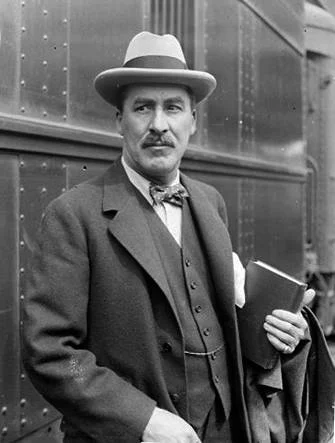
Howard Carter
Born09 May, 1874
Died02 Mar, 1939
NationalityBritish
Age at time of death64
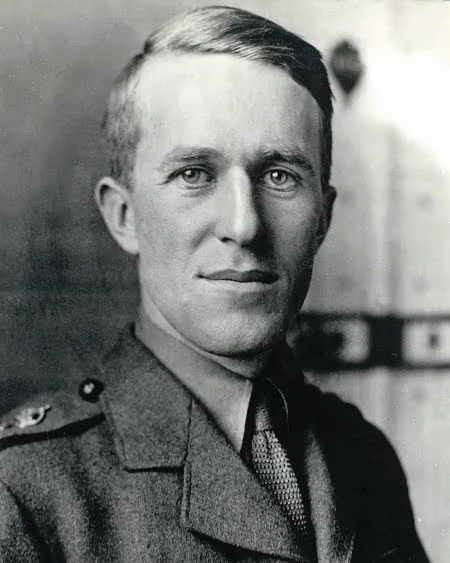
T.E.Lawrence (Lawrence of Arabia)
Born16 Aug, 1888
Died19 May, 1935
NationalityBritish
Age at time of death46