Real Celebrities Never Die!
OR
Search For Past Celebrities Whose Birthday You Share
Died Age: 41
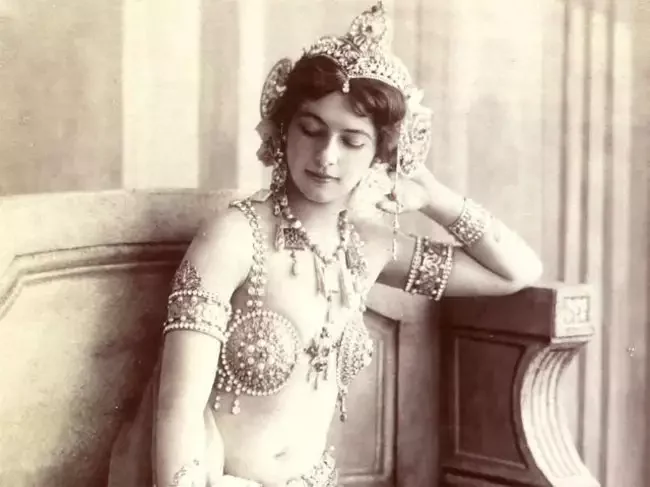
source:img.etimg.com
Mata Hari
Birthday:
07 Aug, 1876
Date of Death:
15 Oct, 1917
Cause of death:
Execution
Nationality:
Dutch
Famous As:
Courtesan
Age at the time of death:
41
Mata Hari's Quote's

“I am a woman who enjoys herself very much; sometimes I lose, sometimes I win.”
Mata Hari
🔗 deadcelebrityhub.com
Early Life and Background
Margaretha Geertruida MacLeod, popularly known as Mata Hari, was a Dutch exotic dancer and courtesan who lived during the late 19th and early 20th centuries. She was convicted of being a spy for Germany during World War I. Born on August 7, 1876, in Leeuwarden, Netherlands, she led a life filled with elegance, controversy, and espionage. She was the eldest of four children and was born into a middle-class family. Her father was a prosperous hatter who lost the family’s money when Hari was just a teenager. Her parents divorced when she was just 15, and her mother died in 1891. She lived with her godfather Mr. Visser in Sneek. After completing her primary education, Margaretha was sent to a teacher’s college in Leiden.
Marriage and Move to the Dutch East Indies
At the age of 18, she married Rudolf MacLeod, a Dutch naval officer in Amsterdam on July 11, 1895. She moved in with her husband to the Dutch East Indies, where MacLeod was working. Unfortunately, they divorced due to Rudolf being abusive towards Mata Hari and having financial difficulties.
Rise to Fame in Paris
After her divorce, Hari moved to Paris for a fresh beginning, where she performed as a circus horse rider in 1903. With her stage name “Mata Hari,” she claimed to be a Javanese princess, amusing audiences with her captivating dance performances at the Musée Guimet on March 13, 1905. As her fame grew, she attracted high-ranking military officers, aristocrats, and wealthy patrons. Her charm and glamour were mesmerizing, making her one of the most celebrated performers in Paris. She adored the attention, creating an air of mystery around her aura, further pleasing those who sought her company.
Espionage and Arrest
Unfortunately, Hari’s career took a dark turn during the time of World War I. Her glamorous lifestyle and numerous relationships with influential men attracted the attention of intelligence agencies. The French intelligence, called Deuxième Bureau, saw the opportunity to use Mata Hari as a spy. They believed she could obtain information from Crown Prince Wilhelm, a German general. The intelligence offered her a huge amount of money if she could gather intelligence about German plans. She was arrested in Britain while traveling from Spain and interrogated by British authorities in 1916. She was accused of being a double agent and spying for Germany while working as a dancer in France. However, their evidence against her was feeble.
She was always willing to help those she cared for.
Trial and Execution
In February 1917, Hari was arrested by French authorities in her hotel room. Hari underwent intense interrogation by the French intelligence and maintained her innocence, denying any involvement in espionage. But despite maintaining her innocence, she was found guilty of espionage by the French military court. At the age of 41, she was executed by a firing squad at the Vincennes Barracks in France on October 15, 1917. Mata Hari was executed by a firing squad of 12 French soldiers just before dawn.
Legacy
Mata Hari left a lasting impact on popular culture and continues to be remembered as one of the most famous femme fatales in history.
Profile Snapshot
Name:
Mata Hari
Popular Name:
Mata Hari
Gender:
Female
Cause of Death:
Execution
Spouse:
Rudolf John MacLeod
Place of Birth:
Leeuwarden, Netherlands
Place of Death:
Vincennes, French Third Republic
Occupation / Profession:
Courtesan
Exotic dancer
Spy
Personality Type
Defender: Very dedicated and warm protectors, always ready to defend their loved ones. She was always willing to help those she cared for.
Mata Hari's Interesting Facts
At the age of 18, she married a Dutch naval officer, Rudolf MacLeod, and moved with him to the Dutch East Indies.
Mata Hari was a stage name taken on by a woman born in the Netherlands as Margaretha Zelle.
Mata Hari was reportedly trained in Cologne by Elsbeth Schragmüller, known by the Allies.
Achievements & Awards
Her name has become a synonym for the seductive female spy.
External Links
Latest Profiles
People also viewed
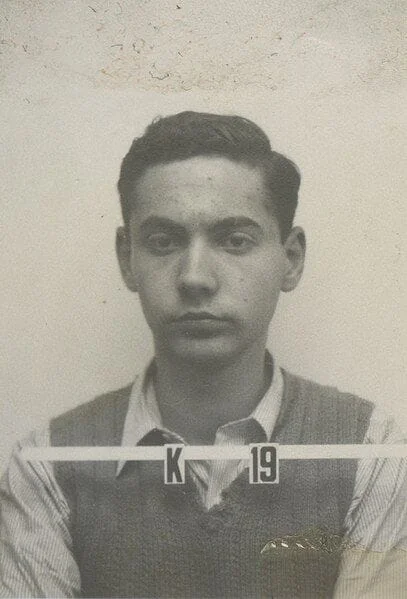
Theodore Hall
Born20 Oct, 1925
Died01 Nov, 1999
NationalityAmerican
Age at time of death74