Real Celebrities Never Die!
OR
Search For Past Celebrities Whose Birthday You Share
Died Age: 87
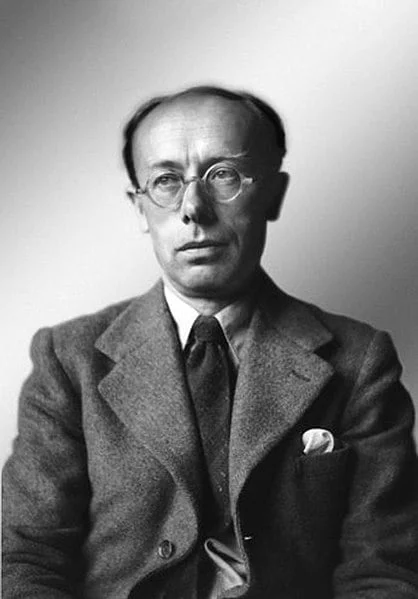
source:wikipedia.org
Max Newman
Birthday:
07 Feb, 1897
Date of Death:
22 Feb, 1984
Cause of death:
Alzheimers
Nationality:
British
Famous As:
Codebreaker
Age at the time of death:
87
Max Newman's Quote's

“One had the feeling all the time that there was a sort of lie in the things we were doing. It was all very well to say that we were engaged in making mathematical calculations, but it was not true. What we were really doing was decoding.”
Max Newman
🔗 deadcelebrityhub.com
Early Life and Education
Max Newman, a renowned figure in the fields of mathematics and computer science, was born in Chelsea, London, on February 7, 1897. In his early life, he was influenced by a changing world and became a significant force in computing history.
Growing up in an intellectually stimulating environment, Max Newman exhibited an early aptitude for mathematics. His academic journey took a formal turn at Cambridge University, where he pursued his studies in mathematics. His early scholarly pursuits set the stage for a lifelong commitment to rigorous inquiry and logical reasoning.
World War II and Code-Breaking
Newman’s professional journey took an unexpected turn with the outbreak of World War II. In the crucible of global conflict, he found himself drawn into the world of code-breaking. Newman became an integral part of the illustrious team at Bletchley Park, where the British government sought to decrypt German codes. Collaborating with other brilliant minds, including Alan Turing, Newman’s analytical prowess contributed significantly to the success of the Enigma code-breaking efforts.
Contributions to Computing
Post-war, Newman’s focus shifted to the burgeoning field of computing. He played a pivotal role in the development of the Manchester Mark 1, one of the earliest stored-program computers. This groundbreaking achievement marked a turning point in the history of computing, laying the groundwork for subsequent technological advancements.
Newman’s professional journey was marked by an unwavering commitment to the academic world. He held various academic positions, including a professorship at the University of Manchester. His influence extended beyond the classroom, as he actively engaged in research and the dissemination of knowledge. Newman’s contributions to the field of mathematics and computer science earned him widespread recognition and respect among his peers.
Legacy and Impact
In the realm of accomplishments, Newman’s legacy is indelibly linked to his code-breaking exploits during World War II. The successful decryption of German codes at Bletchley Park played a crucial role in Allied victories. Newman’s analytical acumen and mathematical insights were instrumental in deciphering complex cryptographic systems, showcasing the profound impact that mathematics could have on real-world challenges.
The Manchester Mark 1, a product of Newman’s collaborative efforts, stands as a testament to his vision and foresight. This early computer, with its stored-program architecture, laid the foundation for subsequent developments in computing. Newman’s work not only pushed the boundaries of what was technologically feasible at the time but also set the stage for the digital revolution that would unfold in the decades to come.
Personal Life and Character
On a personal level, Max Newman was known for his intellectual rigor and a genuine passion for the pursuit of knowledge. Colleagues and students alike revered him for his deep insights and willingness to explore new frontiers. His mentoring left an indelible mark on the next generation of mathematicians and computer scientists.
Death And Legacy
Max Newman passed away on February 22, 1984, leaving behind a legacy that continues to shape the fields of mathematics and computer science. His contributions to code-breaking during World War II and his pioneering work in computing have earned him a place among the luminaries whose innovative thinking paved the way for the digital age. His legacy continues to inspire and guide those who follow in his intellectual footsteps, perpetuating a tradition of inquiry and innovation that defines the ever-evolving landscape of mathematics and computer science.
Profile Snapshot
Name:
Max Newman
Popular Name:
Max Newman
Gender:
Male
Cause of Death:
Alzheimers
Spouse:
Lyn IrvineMargaret Penrose
Place of Birth:
Chelsea, London, England
Place of Death:
Cambridge, England
Occupation / Profession:
Codebreaker
Mathematician
Personality Type
Logician: Innovative inventors with an unquenchable thirst for knowledge. He was both innovative and diligent in his pursuit of knowledge.
Max Newman's Interesting Facts
Newman played a crucial role at Bletchley Park during World War II, where he was involved in breaking German codes.
Newman’s legacy includes his significant contributions to the field of cryptography.
Achievements & Awards
Fellow of the Royal Society 1939
Sylvester Medal
Latest Profiles
People also viewed
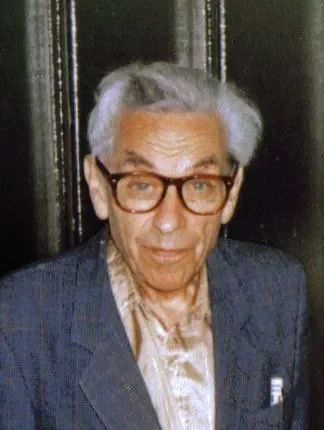
Paul Erdős
Born26 Mar, 1913
Died20 Sep, 1996
NationalityHungarian
Age at time of death83
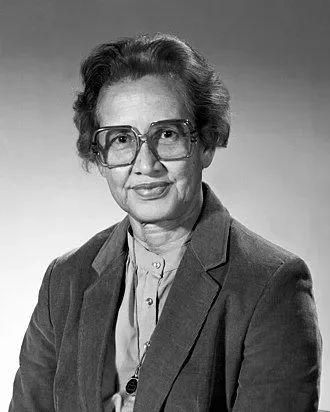
Katherine Johnson
Born26 Aug, 1918
Died24 Feb, 2020
NationalityAmerican
Age at time of death101
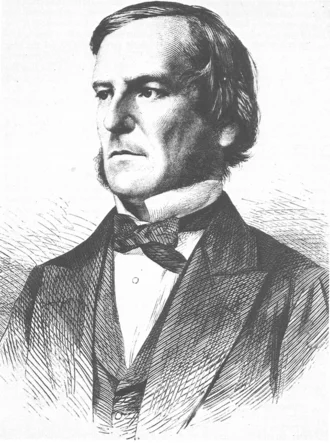
George Boole
Born02 Nov, 1815
Died08 Dec, 1864
NationalityEnglish
Age at time of death49
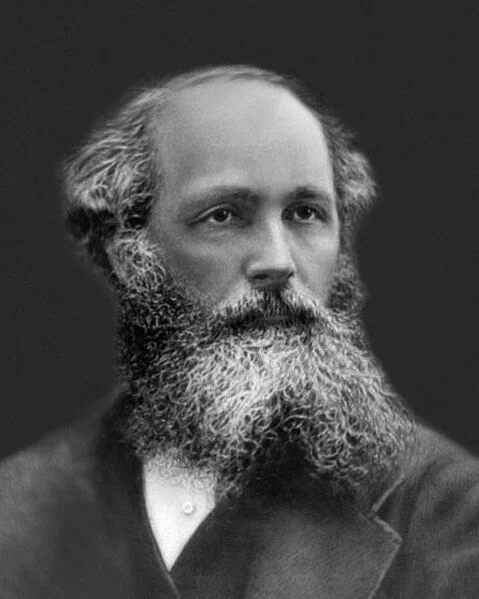
James Clerk Maxwell
Born13 Jun, 1831
Died05 Nov, 1879
NationalityScottish
Age at time of death48
Christian Doppler
Born29 Nov, 1803
Died17 Mar, 1853
NationalityAustrian
Age at time of death49
John Hadley
Born16 Apr, 1682
Died14 Feb, 1744
NationalityEnglish
Age at time of death61
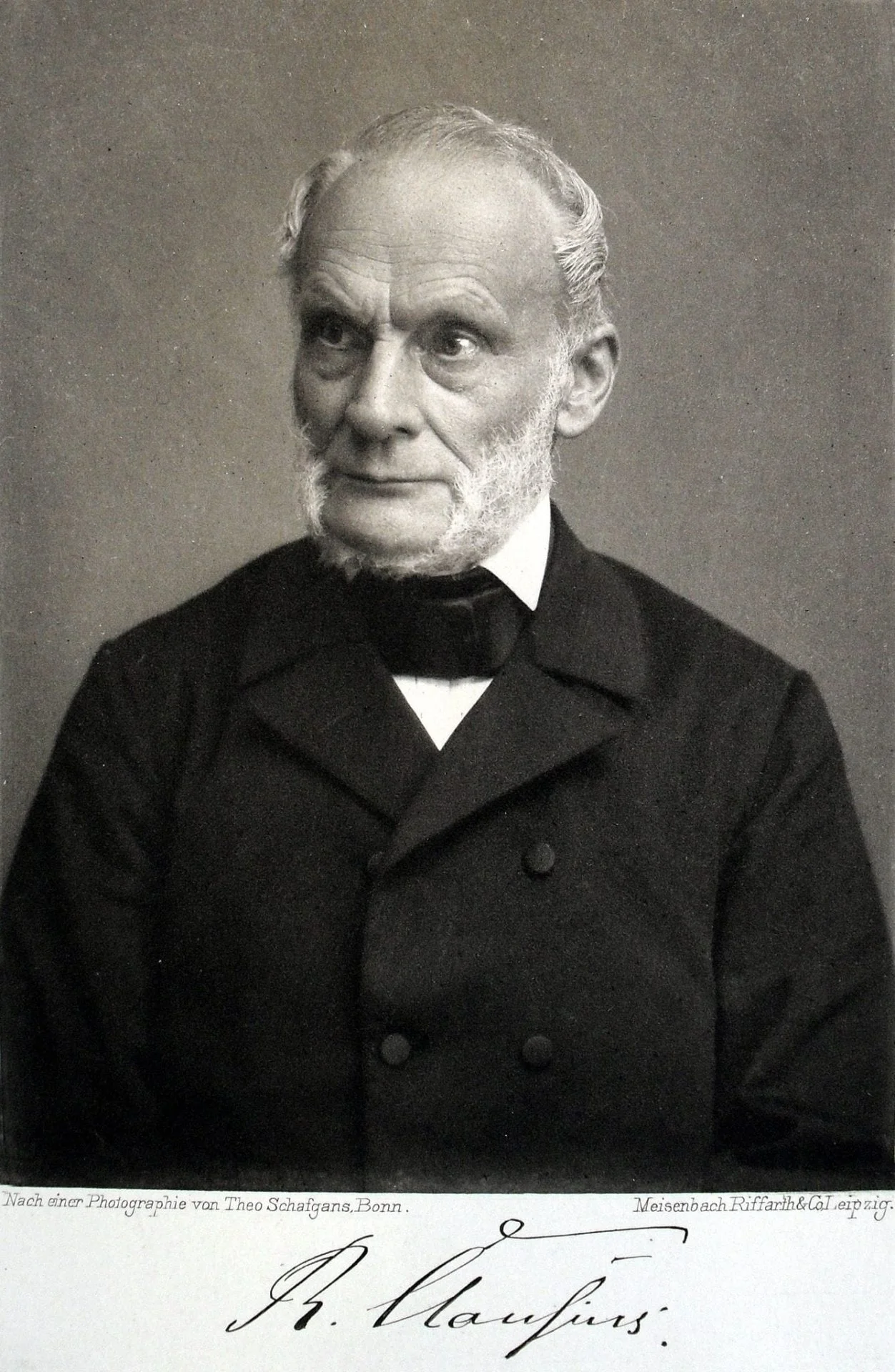
Rudolf Clausius
Born02 Jan, 1822
Died24 Aug, 1888
NationalityGermen
Age at time of death66
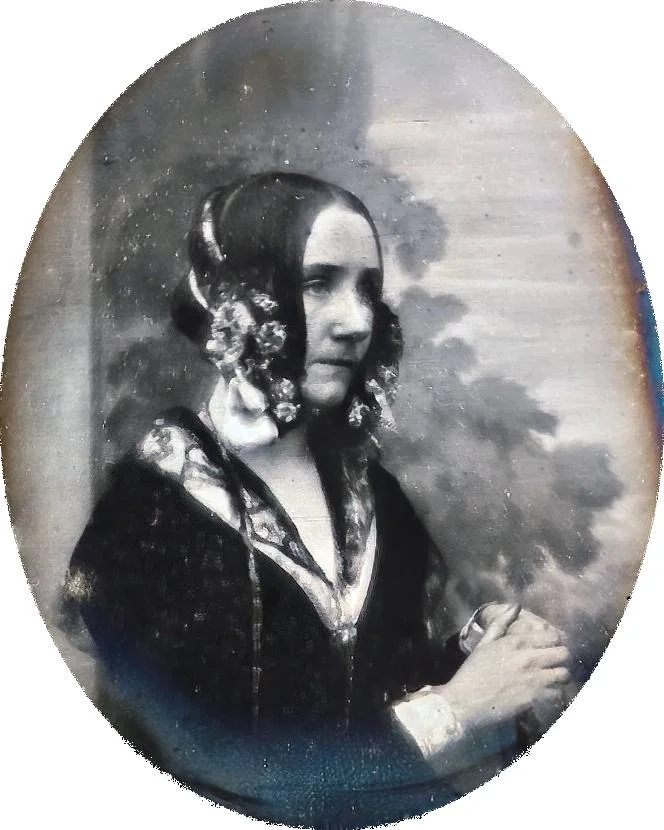
Ada Lovelace
Born10 Dec, 1815
Died27 Nov, 1852
NationalityBritish
Age at time of death36
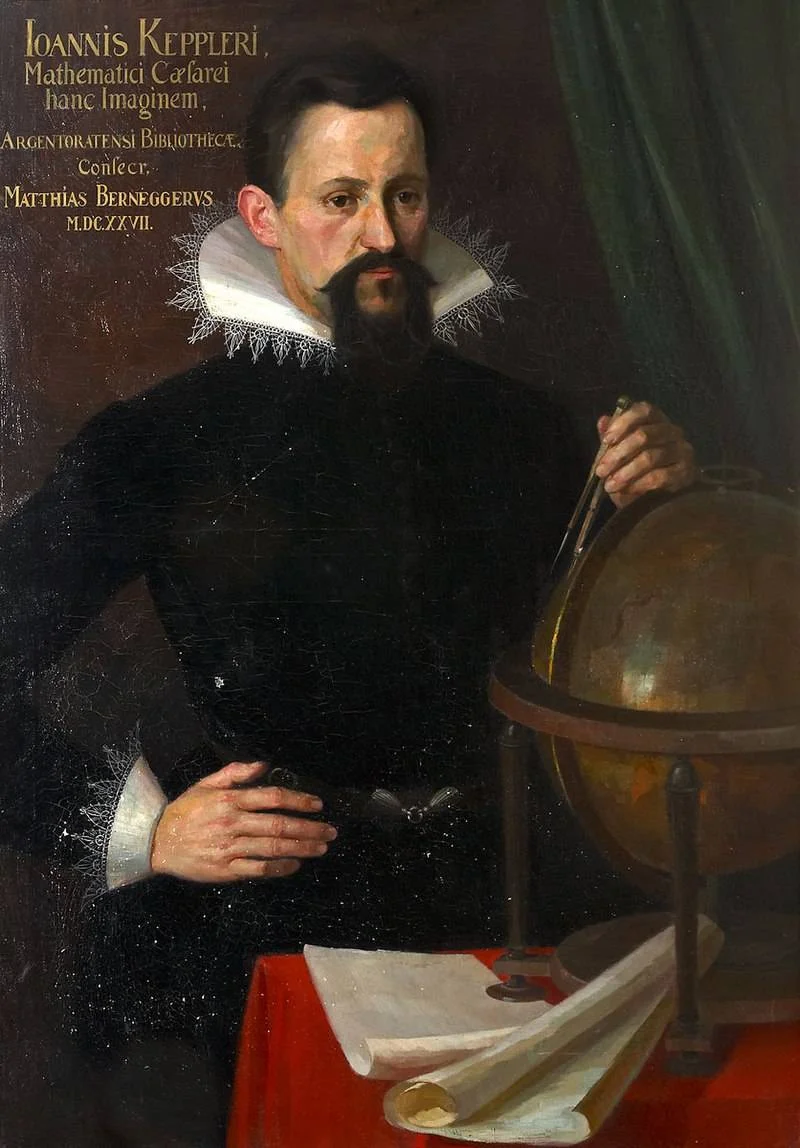
Johannes Kepler
Born27 Dec, 1571
Died15 Nov, 1630
NationalityGerman, Roman
Age at time of death58
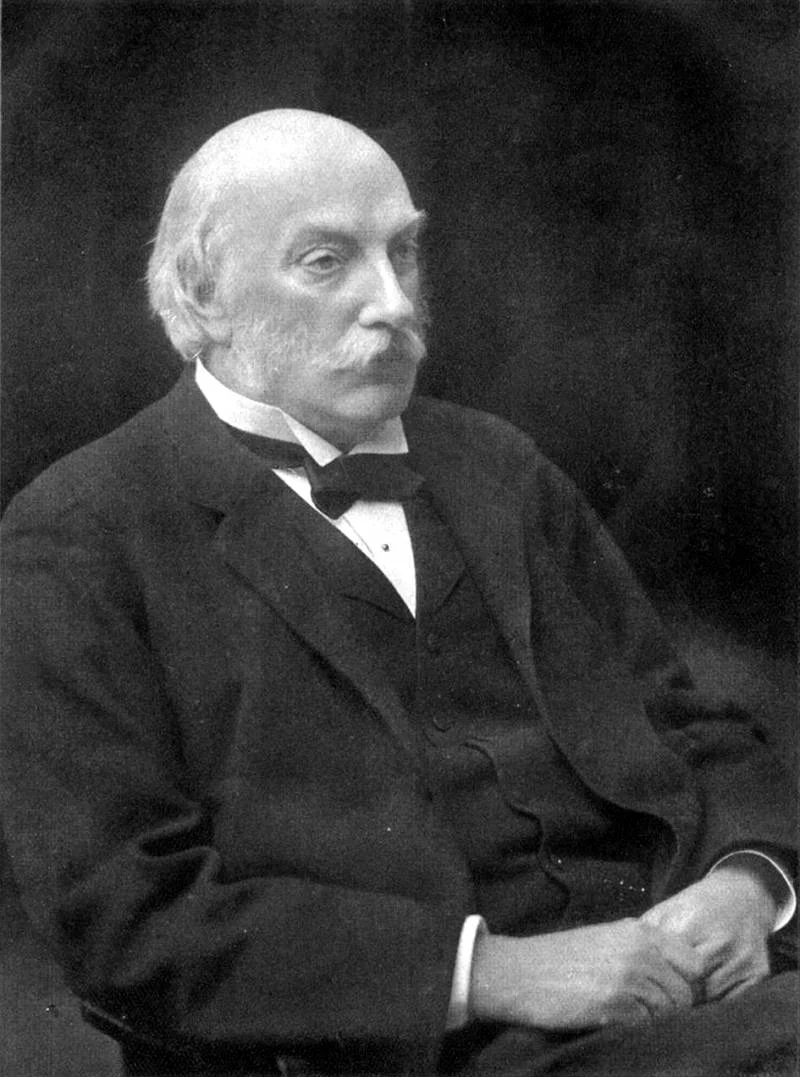
John William Strutt
Born12 Nov, 1842
Died30 Jun, 1919
NationalityBritish
Age at time of death76
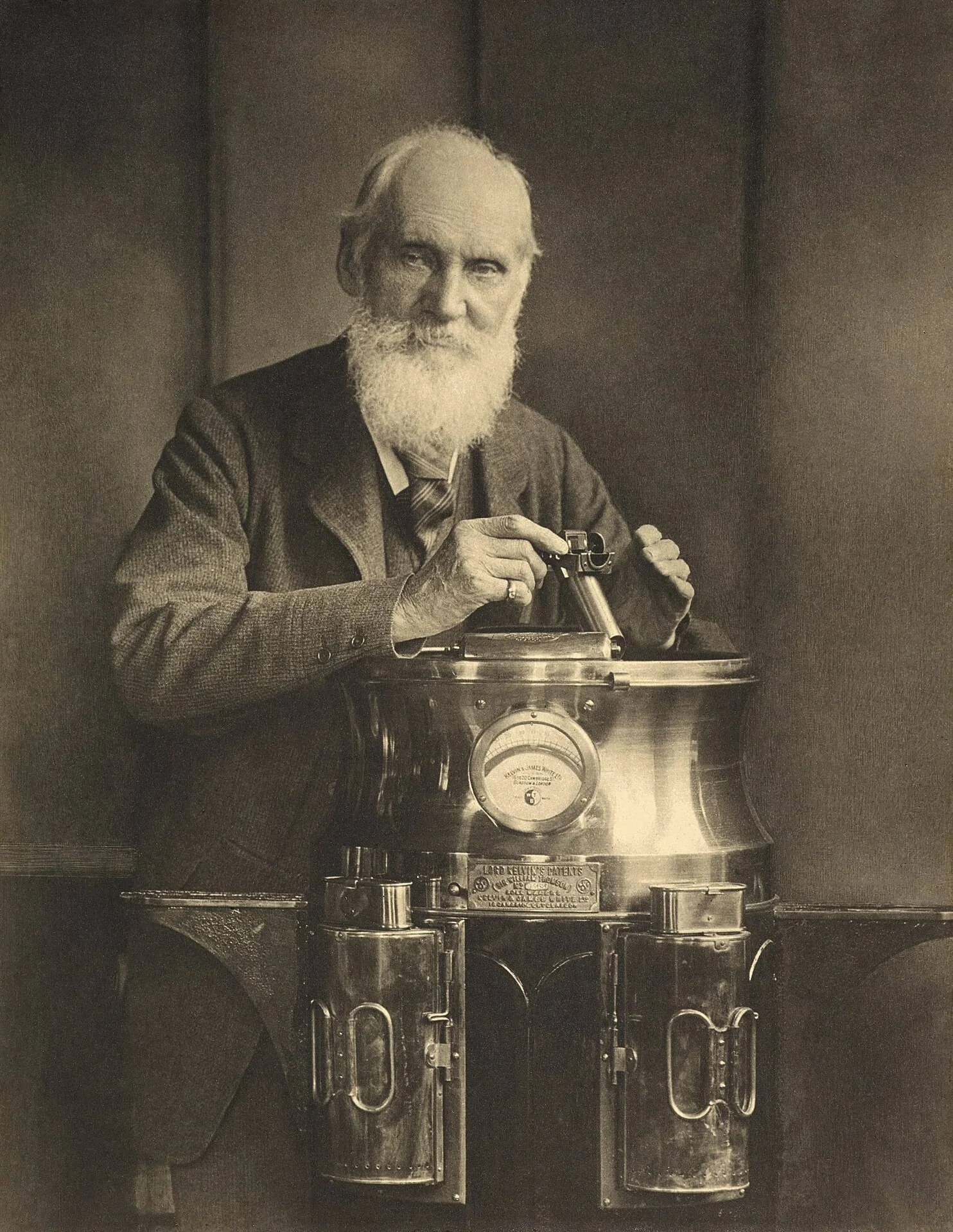
Lord Kelvin
Born26 Jun, 1824
Died17 Dec, 1907
NationalityBritish
Age at time of death83
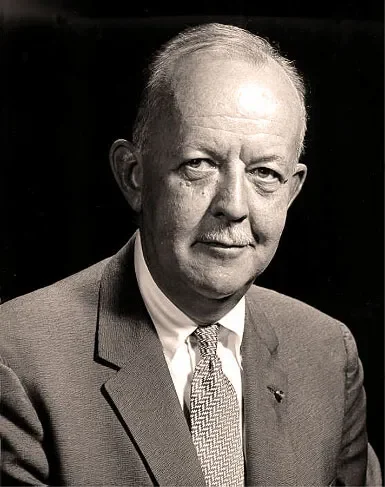
Howard Engstrom
Born23 Apr, 1902
Died08 Mar, 1962
NationalityAmerican
Age at time of death59
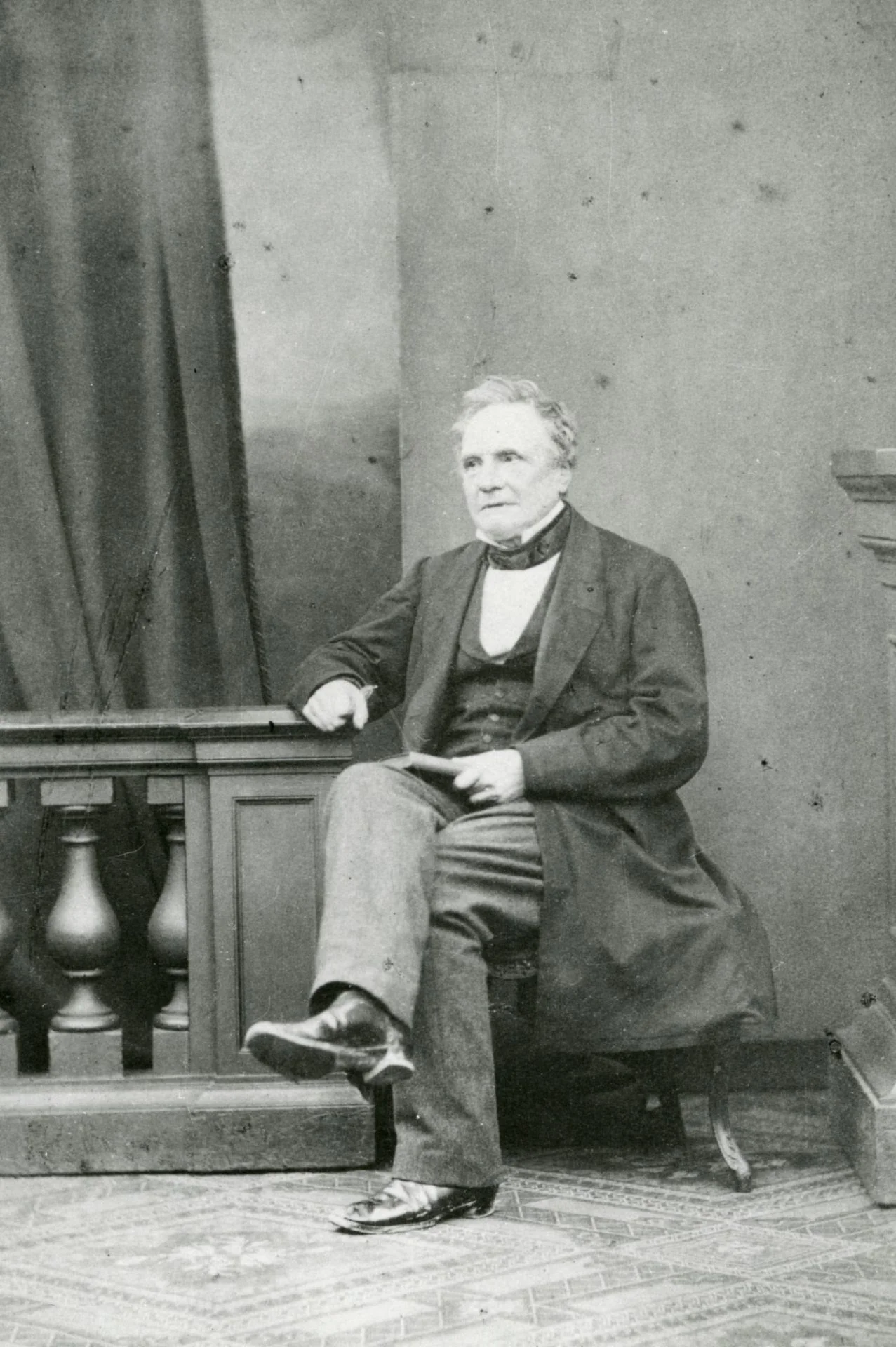
Charles Babbage
Born26 Dec, 1791
Died18 Oct, 1871
NationalityBritish
Age at time of death79
Jacques Hadamard
Born08 Dec, 1865
Died17 Oct, 1963
NationalityFrench
Age at time of death97
John Forbes Nash Jr.
Born13 Jun, 1928
Died23 May, 2015
NationalityAmerican
Age at time of death86
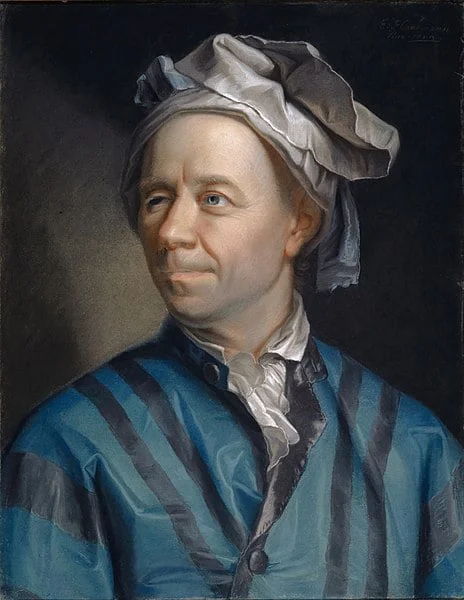
Leonhard Euler
Born15 Apr, 1707
Died18 Sep, 1783
NationalitySwiss
Age at time of death76
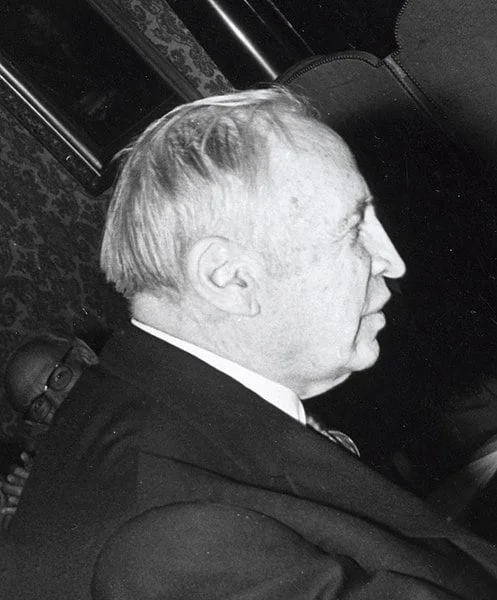
John Hasbrouck Van Vleck
Born13 Mar, 1899
Died27 Oct, 1980
NationalityAmerican
Age at time of death81
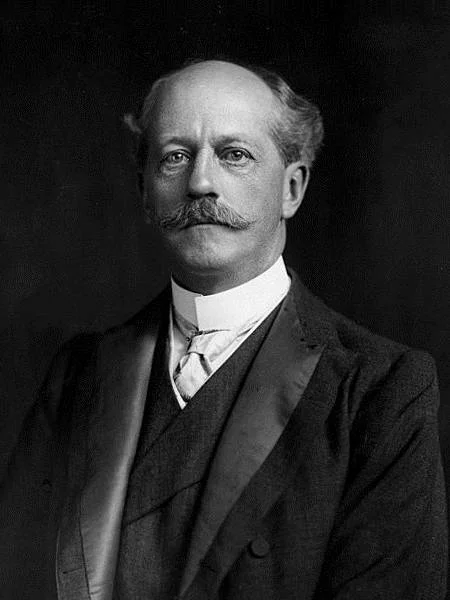
Percival Lowell
Born13 Mar, 1855
Died12 Nov, 1916
NationalityAmerican
Age at time of death61
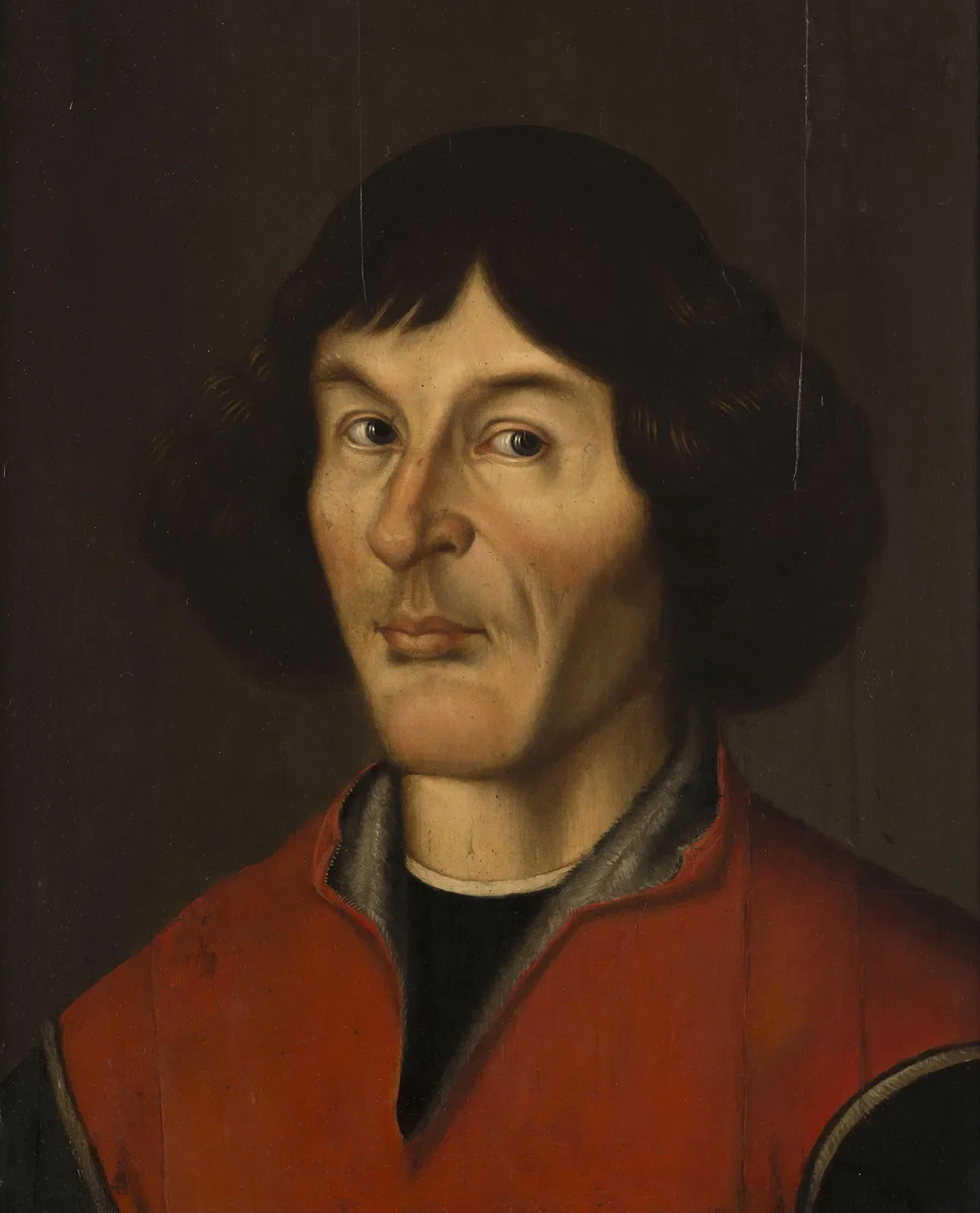
Nicolaus Copernicus
Born19 Feb, 1473
Died24 May, 1543
NationalityPolish
Age at time of death70
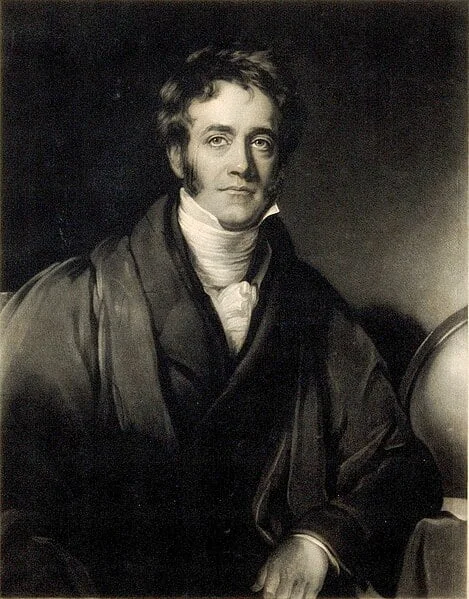
John Herschel
Born07 Mar, 1792
Died11 May, 1871
NationalityEnglish
Age at time of death79