Real Celebrities Never Die!
OR
Search For Past Celebrities Whose Birthday You Share
Died Age: 89

source:wikipedia.org
Max Planck
Birthday:
23 Apr, 1858
Date of Death:
04 Oct, 1947
Cause of death:
Heart attack
Nationality:
German
Famous As:
Physicist
Age at the time of death:
89
Max Planck's Quote's

“All matter originates and exists only by virtue of a force... We must assume behind this force the existence of a conscious and intelligent Mind. This Mind is the matrix of all matter”
Max Planck
🔗 deadcelebrityhub.com
Early Life and Family Background
Max Planck, known as the Father of Quantum Theory, was born on April 23, 1858, in Kiel, which was part of the German Confederation at the time. Coming from an intellectual family, he was the sixth child of Johann Julius Wilhelm Planck and Emma Patzig. His father taught law at the University of Kiel, and both his grandfather and great-grandfather were theology professors in Göttingen. Growing up in a home that valued knowledge greatly contributed to Max’s success in school from an early age.
Max Planck Education and Early Career
Planck attended Maximilians Gymnasium in Munich, where his love for physics first began. He later studied at universities in Munich and Berlin, where he met influential physicists like Hermann von Helmholtz and Gustav Kirchhoff. In 1879, he earned his doctorate with a dissertation focused on the second law of thermodynamics. After that, he worked at multiple universities, beginning at the University of Kiel before moving to the University of Berlin. Initially, thermodynamics captured his attention, but he soon delved into black-body radiation, which led to a major discovery.
The Discovery of Energy Quanta
In 1900, Planck introduced the revolutionary concept of energy quanta. He proposed that energy is emitted and absorbed in specific amounts called “quanta,” a groundbreaking idea that emerged from his work on black-body radiation. This discovery was a game-changer, as it explained discrepancies between experimental results and classical physics theories. Planck’s constant (h), which became fundamental to quantum mechanics, is named in his honor. Due to his groundbreaking contributions to physics, he was awarded the Nobel Prize in 1918. His research laid the foundation for quantum mechanics and inspired future scientists like Albert Einstein, Niels Bohr, and Werner Heisenberg.
Personal Life and Challenges
Life was not without hardships for Planck. His first wife, Marie Merck, passed away in 1909, and he tragically lost two sons—Erwin and Karl—during World War I. In 1911, he married Marga von Hoesslin, who supported him through these difficult times. Despite the political turmoil in Germany, Planck continued teaching and researching well into his later years. During the Nazi regime, he faced significant challenges due to his opposition to their policies and his support for Jewish colleagues. However, he never abandoned his dedication to science.
Legacy and Impact
Max Planck passed away on October 4, 1947, in Göttingen, Germany. His legacy endures through the Max Planck Society for the Advancement of Science, a major research organization named in his honor. Planck’s work opened new frontiers in science and technology, and his ideas remain vital to modern physics, solidifying his place as one of history’s most significant scientific figures.
Profile Snapshot
Name:
Max Planck
Popular Name:
Max Planck
Gender:
Male
Cause of Death:
Heart attack
Spouse:
Marie MerckMarga von Hoesslin
Place of Birth:
Kiel, Duchy of Holstein, German Confederation
Place of Death:
Gottingen, Germany
Occupation / Profession:
Physicist
Scientist
Theoretical
Personality Type
Innovator: Persistent and meticulous, dedicated to exploring the fundamental principles of physics
Max Planck's Interesting Facts
Despite personal tragedies and political challenges, Planck continued his scientific research well into his later years.
He won the Nobel Prize in Physics in 1918 for his groundbreaking work in theoretical physics.
Max Planck's work on black-body radiation led to the development of quantum theory, which revolutionized physics.
Planck's constant, a fundamental value in quantum mechanics, is named after him.
Achievements & Awards
Founder of quantum theory
Nobel Prize in Physics (1918)
Latest Profiles
People also viewed
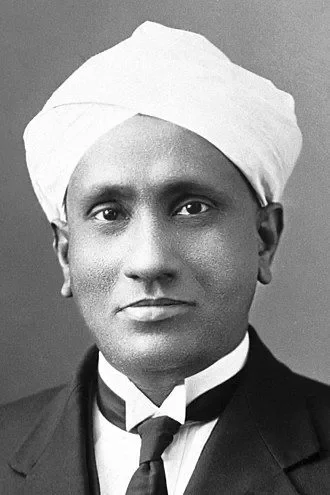
C. V. Raman
Born07 Nov, 1888
Died21 Nov, 1970
NationalityIndian
Age at time of death82
Eva Crane
Born12 Jun, 1912
Died06 Sep, 2007
NationalityBritish
Age at time of death95

Barbara McClintock
Born16 Jun, 1902
Died02 Sep, 1992
NationalityAmerican
Age at time of death90
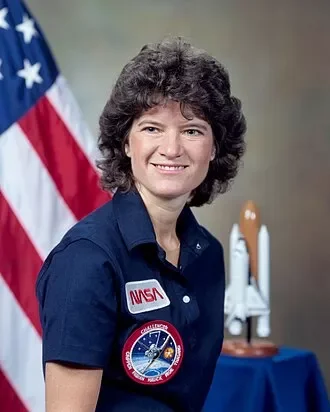
Sally Ride
Born26 May, 1951
Died23 Jul, 2012
NationalityAmerican
Age at time of death61
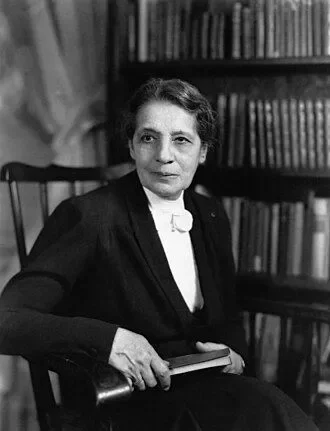
Lise Meitner
Born07 Nov, 1878
Died27 Oct, 1968
NationalityAustrian, Swedish
Age at time of death89
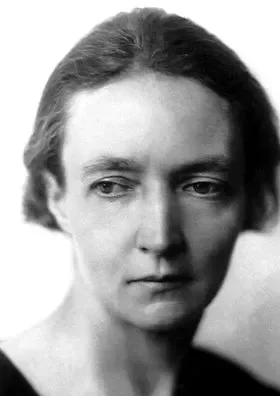
Irène Joliot-Curie
Born12 Sep, 1897
Died17 Mar, 1956
NationalityFrench
Age at time of death58
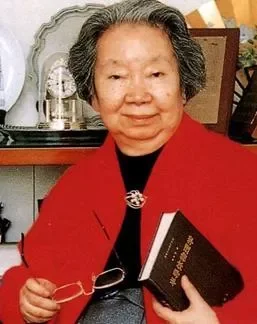
Xie Xide
Born19 Mar, 1921
Died04 Mar, 2000
NationalityChinese
Age at time of death78
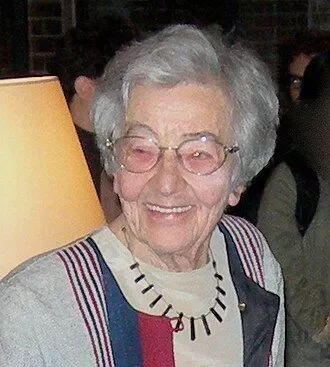
Ursula Franklin
Born16 Sep, 1921
Died22 Jul, 2016
NationalityGerman, Canadian
Age at time of death94
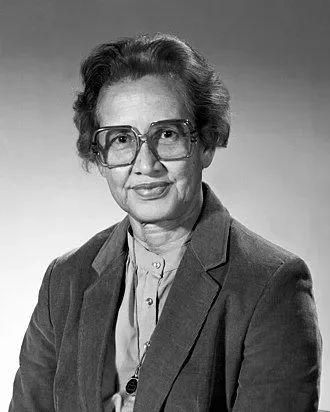
Katherine Johnson
Born26 Aug, 1918
Died24 Feb, 2020
NationalityAmerican
Age at time of death101

Siou-Ling Tsien de Perlinghi
Born02 Oct, 1912
Died01 Feb, 2008
NationalityChinese, Belgian
Age at time of death95
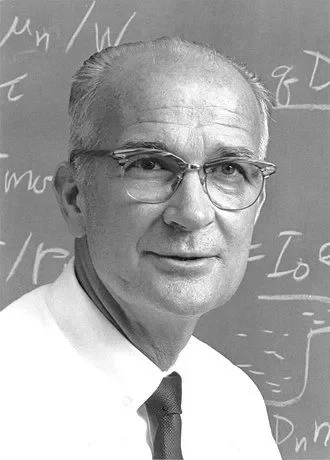
William Shockley
Born13 Feb, 1910
Died12 Aug, 1989
NationalityAmerican
Age at time of death79
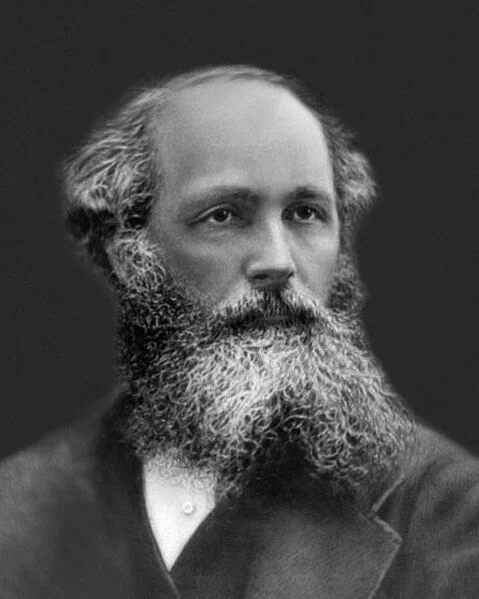
James Clerk Maxwell
Born13 Jun, 1831
Died05 Nov, 1879
NationalityScottish
Age at time of death48
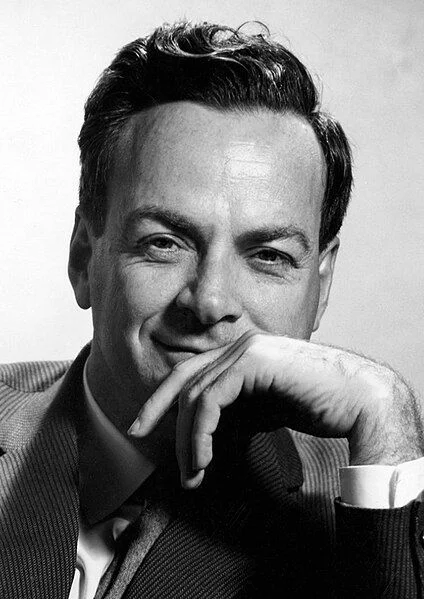
Richard Feynman
Born11 May, 1918
Died15 Feb, 1988
NationalityAmerican
Age at time of death69
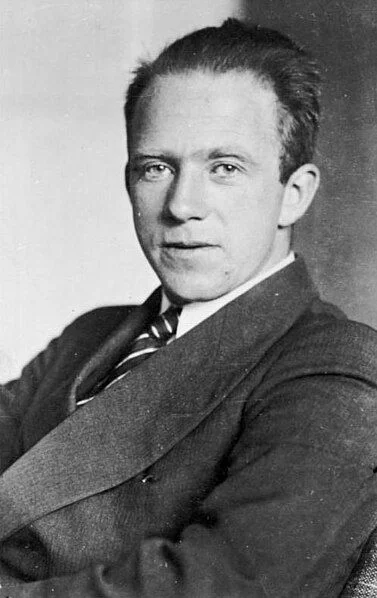
Werner Heisenberg
Born05 Dec, 1901
Died01 Feb, 1976
NationalityGerman
Age at time of death74
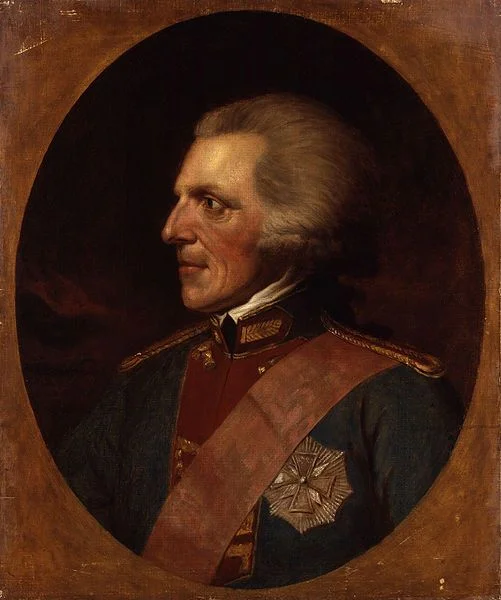
Colonel Sir Benjamin Thompson, Count Rumford
Born26 Mar, 1753
Died21 Aug, 1814
NationalityAmerican, British
Age at time of death61
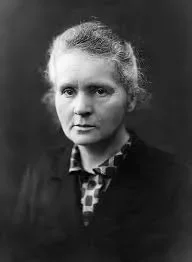
Marie Curie
Born07 Nov, 1867
Died04 Jul, 1934
NationalityPolish, French
Age at time of death66
Leonardo da Vinci
Born15 Apr, 1452
Died02 May, 1519
NationalityItalian
Age at time of death67
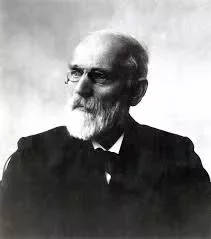
Johannes Diderik van der Waals
Born23 Nov, 1837
Died08 Mar, 1923
NationalityDutch
Age at time of death85
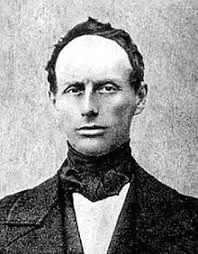
Christian Doppler
Born29 Nov, 1803
Died17 Mar, 1853
NationalityAustrian
Age at time of death49
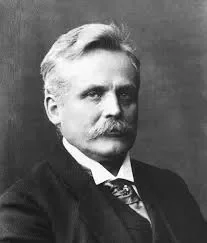
Wilhelm Wien
Born13 Jan, 1864
Died30 Aug, 1928
NationalityGerman
Age at time of death64