Real Celebrities Never Die!
OR
Search For Past Celebrities Whose Birthday You Share
Died Age: 58
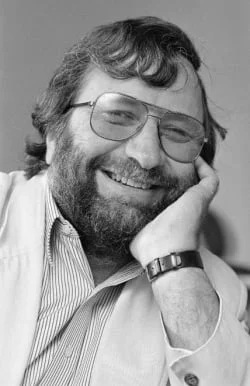
source:wikipedia.org
Michael King
Birthday:
15 Dec, 1945
Date of Death:
30 Mar, 2004
Cause of death:
Accident
Nationality:
New Zealander
Famous As:
Biographer
Age at the time of death:
58
Michael King's Quote's

“Like colonisers elsewhere, the East Polynesian ancestors and their immediate descendants had learned, by trial and error and committing some major mistakes, to turn New Zealand’s natural and environmental conditions to human advantage (how many people perished, one wonders, in the search for a safe””
Michael King
🔗 deadcelebrityhub.com
Early Life and Education
Michael King, a preeminent New Zealand historian, was born on December 15, 1945, in Wellington, the capital city of New Zealand. Growing up in a nation teeming with cultural diversity, King developed an early fascination with the stories embedded in the landscapes and communities around him. His education unfolded against the backdrop of the 1960s, a transformative era globally. King studied at Victoria University of Wellington, immersing himself in history and political science, laying the foundation for his future explorations.
Career Beginnings
King’s professional journey commenced with a position at the New Zealand Monthly Review, where his passion for writing and storytelling merged with his historical interests. This period marked the beginning of his prolific career as a writer and historian. His early works hinted at a keen eye for detail and a commitment to uncovering the lesser-known facets of New Zealand’s past.
Major Contributions to New Zealand Historiography
Michael King’s contributions to New Zealand historiography are immense. One of his standout achievements was the groundbreaking “The Penguin History of New Zealand,” published in 2003. This comprehensive work offered a panoramic view of the nation’s history, making it accessible to a broad audience. King’s ability to weave historical facts into compelling narratives distinguished him as a master storyteller.
Exploration of Māori History and Culture
His exploration of Māori history and culture in works like “Te Puea: A Biography” and “Being Pakeha Now” showcased his dedication to portraying the diversity and richness of New Zealand’s heritage. King was instrumental in bridging gaps between different cultural perspectives, fostering a deeper understanding of the complexities inherent in the nation’s identity.
Academic and Literary Roles
King’s career path included roles as a journalist, editor, and lecturer, showcasing his versatility. He served as a lecturer in journalism at the University of Canterbury, imparting knowledge and inspiring the next generation of writers and historians. His engagement with academia enriched his own perspectives and added layers to his narrative approach.
Personal Life and Influence
While Michael King was deeply immersed in the academic and literary realms, his personal life played a significant role in shaping his perspectives. His interactions with diverse communities and cultures, coupled with a genuine curiosity about people’s stories, lent a human touch to his historical explorations.
Family and Personal Relationships
From his first marriage to Ros, King had two children, filmmaker Jonathan King and novelist Rachael King. His second marriage to Maria Jungowska, a Polish-born artist, reflects the multicultural fabric of New Zealand. Their partnership symbolized the fusion of different backgrounds, echoing the themes of unity and diversity that often appeared in his writings.
Legacy and Passing
Michael King’s untimely death on March 30, 2004, left a void in the New Zealand intellectual landscape. However, his legacy endures through the body of work he left behind. His commitment to fostering an inclusive understanding of New Zealand’s history and his skill in making the past accessible continue to influence scholars and readers alike.
Enduring Impact on New Zealand’s History
King’s approach to history went beyond academic pursuits; it was a quest to unravel the layers of identity woven into the New Zealand landscape. His enduring impact is evident in the continued relevance of his writings, which serve as touchstones for those seeking to comprehend the nation’s intricate history.
Profile Snapshot
Name:
Michael King
Popular Name:
Michael King
Gender:
Male
Cause of Death:
Accident
Spouse:
RosMaria Jungowska
Place of Birth:
Wellington, New Zealand
Place of Death:
near Maramarua, Waikato, New Zealand
Occupation / Profession:
Biographer
Historian
Writer
Personality Type
Advocate: Quiet and mystical, yet very inspiring and tireless idealists. Known for his deep empathy, commitment to understanding cultures, and passion for educating others.
Michael King's Interesting Facts
In addition to his accomplishments in history, Michael King was also a skilled photographer. His ability to capture images complemented his storytelling
King’s immersion in Māori culture went beyond academic research. He spent time living among Māori communities, fostering a deep understanding that enriched his writings.
Throughout his career, King was an advocate for cultural understanding and reconciliation.
Achievements & Awards
Montana Book Award for Non-fiction (2004) Posthumously
New Zealand Book Award for Non-fiction (1991)
Prime Minister’s Award for Literary Achievement in Non-fiction (2003)
Latest Profiles
People also viewed
July 11, 1899
Born11 Jul, 1899
Died01 Oct, 1985
NationalityAmerican
Age at time of death86
Dale Carnegie
Born24 Nov, 1888
Died01 Nov, 1955
NationalityAmerican
Age at time of death66
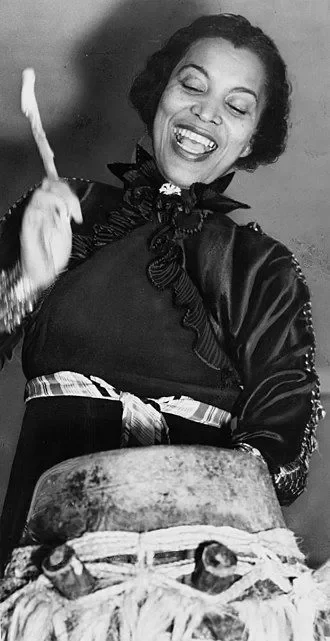
Zora Neale Hurston
Born07 Jan, 1891
Died28 Jan, 1960
NationalityAmerican
Age at time of death69
Rabindranath Tagore
Born07 May, 1861
Died08 Aug, 1941
NationalityIndian
Age at time of death80
Cicely Saunders
Born22 Jun, 1918
Died14 Jul, 2005
NationalityEnglish
Age at time of death87
Joseph Pilates
Born09 Dec, 1883
Died09 Oct, 1967
NationalityGerman
Age at time of death83
Mark Twain
Born30 Nov, 1835
Died21 Apr, 1910
NationalityAmerican
Age at time of death74
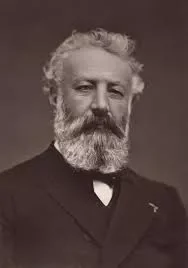
Jules Verne
Born08 Feb, 1828
Died24 Mar, 1905
NationalityFrench
Age at time of death77
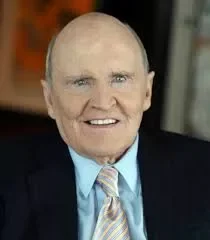
Jack Welch
Born19 Nov, 1935
Died01 Mar, 2020
NationalityAmerican
Age at time of death84
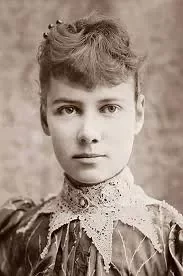
Nellie Bly
Born05 May, 1864
Died27 Jan, 1922
NationalityAmerican
Age at time of death57
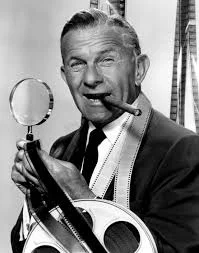
George Burns
Born20 Jan, 1896
Died09 Mar, 1996
NationalityAmerican
Age at time of death100

Ethan Allen
Born21 Jan, 1738
Died12 Feb, 1789
NationalityAmerican
Age at time of death51
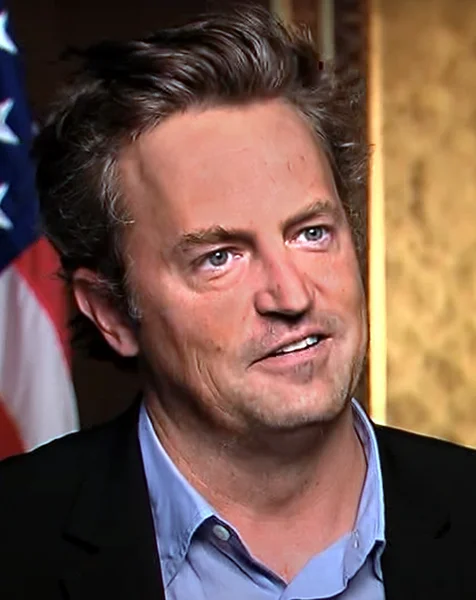
Matthew Perry
Born19 Aug, 1969
Died28 Oct, 2023
NationalityAmerican, Canadian
Age at time of death54
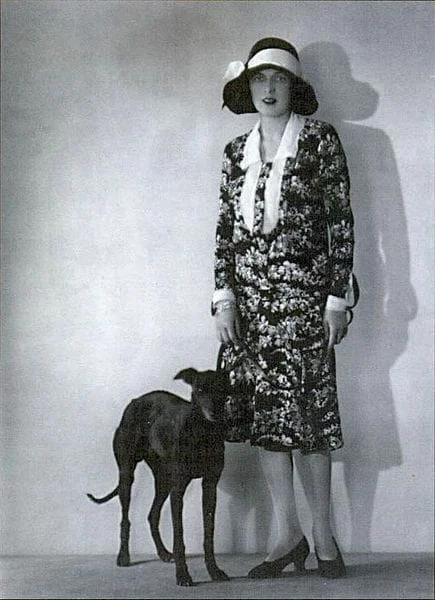
Caresse Crosby
Born20 Apr, 1891
Died24 Jan, 1970
NationalityAmerican
Age at time of death78
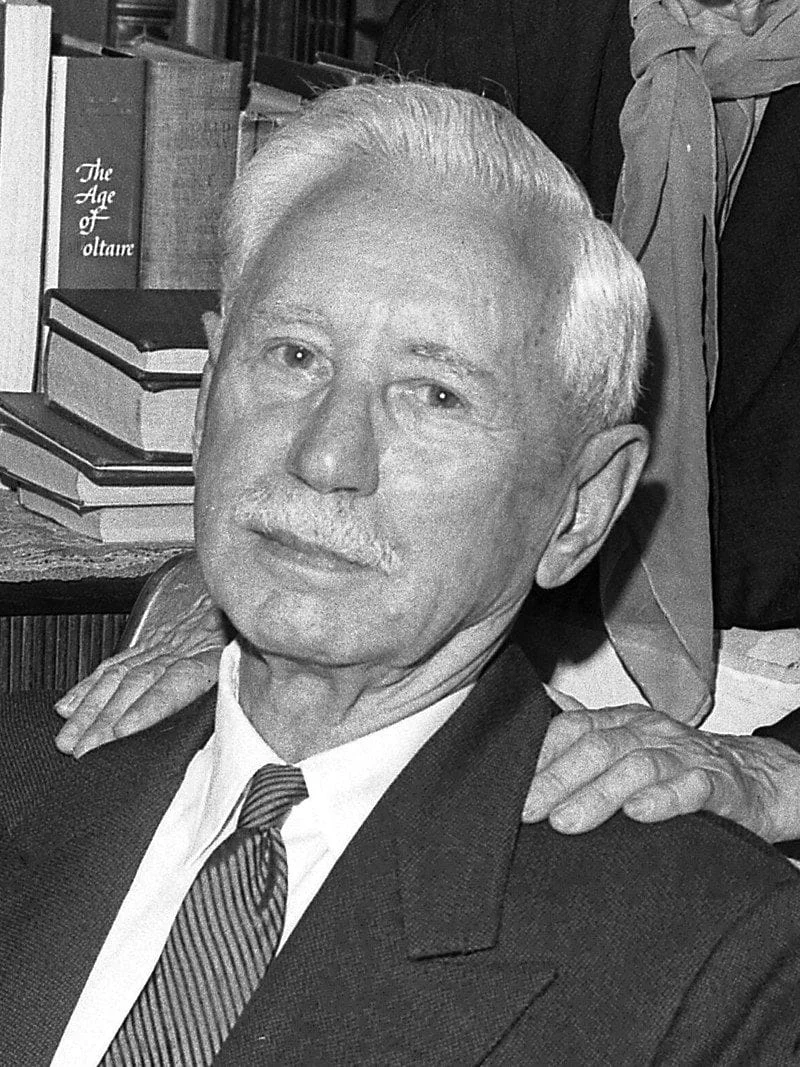
Will Durant
Born05 Nov, 1885
Died07 Nov, 1981
NationalityAmerican
Age at time of death96
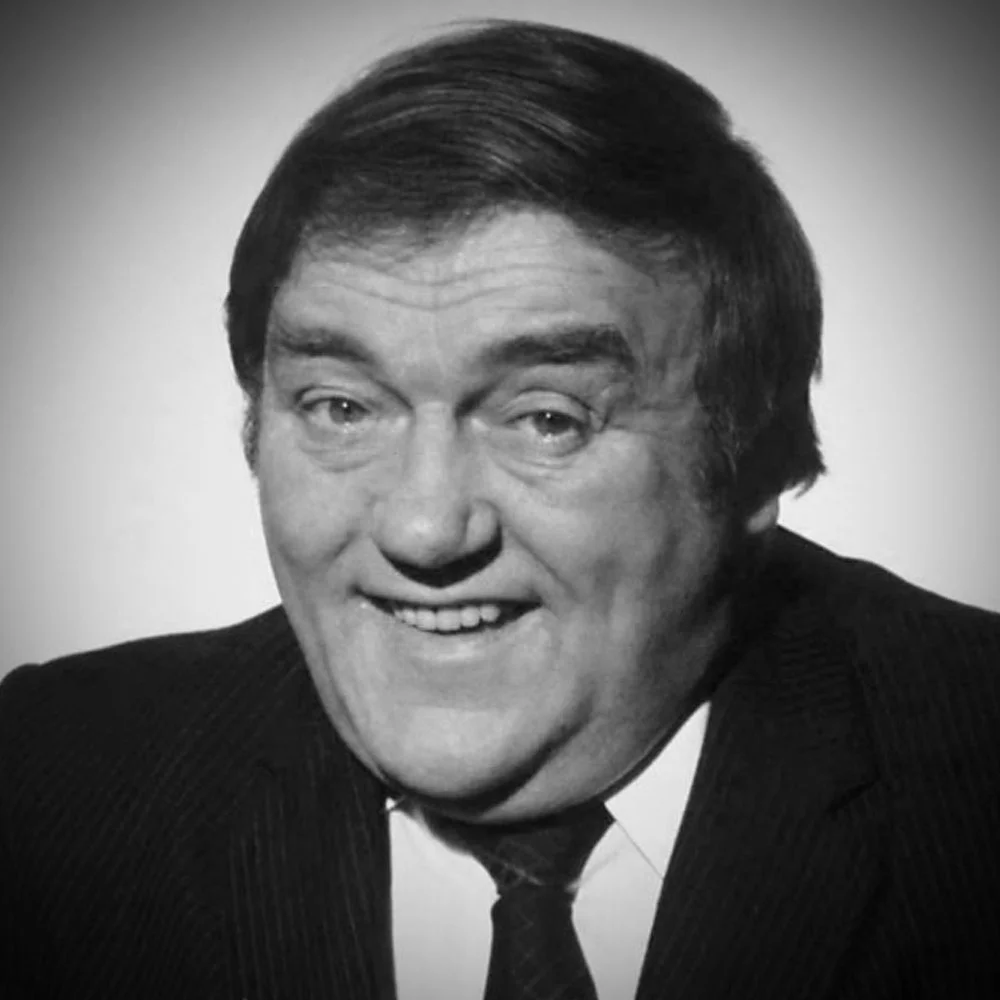
Les Dawson
Born02 Feb, 1931
Died10 Jun, 1993
NationalityBritish
Age at time of death62
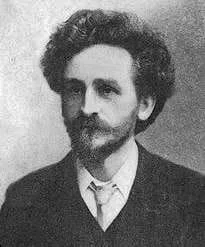
James Allen
Born28 Nov, 1864
Died24 Jan, 1912
NationalityBritish
Age at time of death47
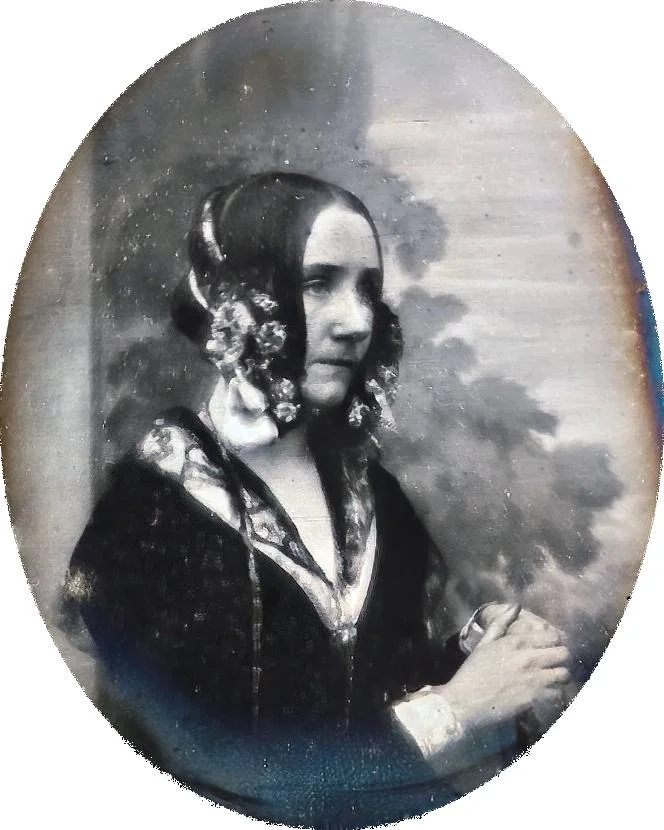
Ada Lovelace
Born10 Dec, 1815
Died27 Nov, 1852
NationalityBritish
Age at time of death36
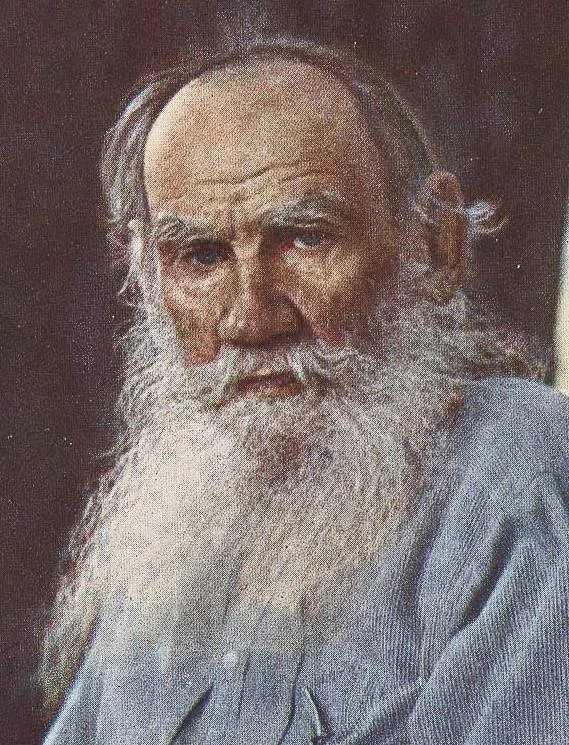
Leo Tolstoy
Born09 Sep, 1828
Died20 Nov, 1910
NationalityRussian
Age at time of death82
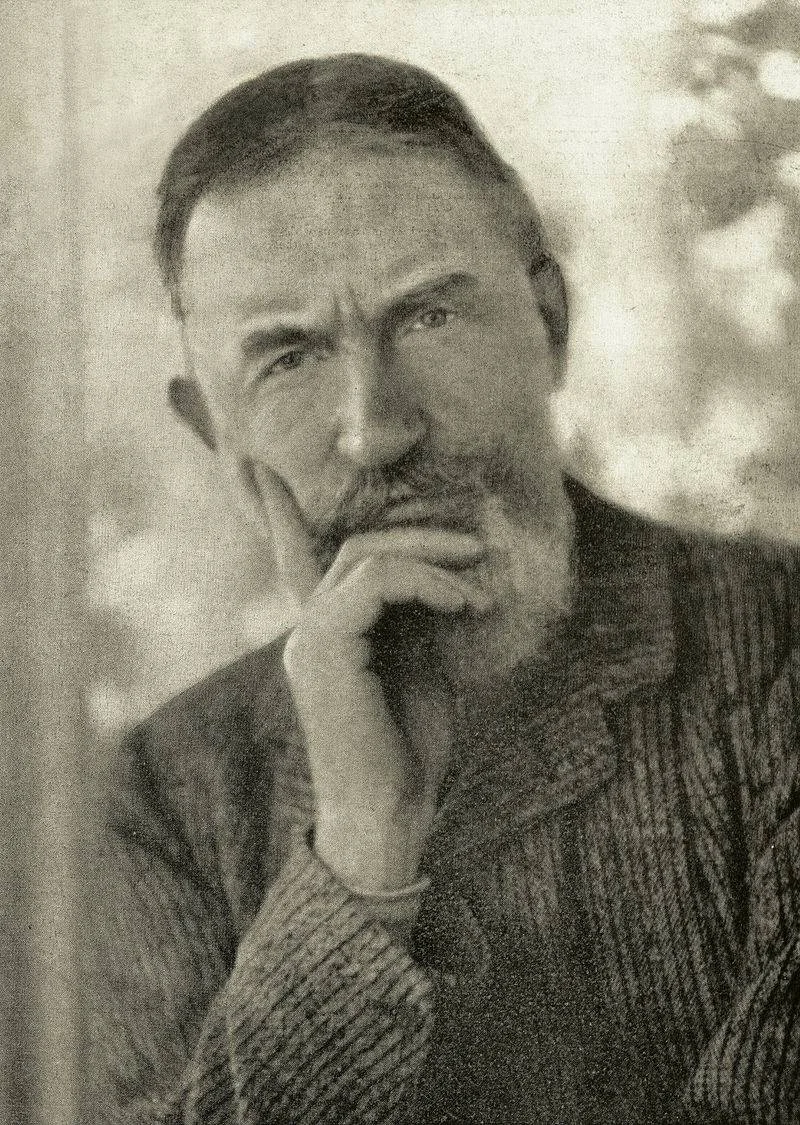
George Bernard Shaw
Born26 Jul, 1856
Died02 Nov, 1950
NationalityBritish, Irish
Age at time of death94