Real Celebrities Never Die!
OR
Search For Past Celebrities Whose Birthday You Share
Died Age: 78
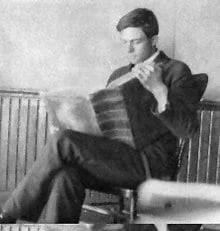
source:wikimedia.org
Milton H. Erickson
Birthday:
05 Dec, 1901
Date of Death:
25 Mar, 1980
Cause of death:
Unknown
Nationality:
American
Famous As:
Psychiatrist
Age at the time of death:
78
Milton H. Erickson's Quote's

“Until you are willing to be confused about what you already know, what you know will never grow bigger, better, or more useful.”
Milton H. Erickson
🔗 deadcelebrityhub.com
Early Life and Challenges
Milton H. Erickson, born on December 5, 1901, in Aurum, Nevada, was a renowned American psychiatrist and psychologist known for his contributions to the field of hypnosis and psychotherapy. He is considered one of the most influential figures in modern hypnotherapy and was instrumental in revolutionizing the way hypnosis is understood and practiced.
Throughout his life, Milton H. Erickson faced numerous challenges that shaped his approach to therapy. At the age of 17, he contracted polio, which left him partially paralyzed and unable to communicate, except through his eyes and minimal movements. Despite these physical limitations, Erickson developed remarkable resilience and perseverance, which later played a significant role in his therapeutic methods.
Educational Journey
Erickson’s interest in studying the human mind grew during his recovery from polio. He began studying various subjects, including psychology and linguistics, and developed an exceptional ability to observe human behavior and nonverbal communication. He used his own experiences with polio as a basis for understanding the power of the unconscious mind and the potential for change through hypnosis.
After finishing high school, Milton H. Erickson attended the University of Wisconsin, where he earned his undergraduate degree in psychology. He then pursued his medical degree at the University of Wisconsin School of Medicine, where he specialized in psychiatry. Throughout his medical training, Erickson continued to explore the therapeutic potential of hypnosis and its applications in psychotherapy.
Innovations in Hypnosis and Therapy
Erickson’s achievements in the field of hypnosis and psychotherapy were groundbreaking. He believed in tailoring his therapeutic approach to each individual, taking into account their unique experiences, beliefs, and communication styles. This approach, known as Ericksonian hypnosis or Ericksonian therapy, emphasized the power of the unconscious mind and the importance of utilizing indirect suggestions and metaphors to facilitate positive change.
Contributions to Problem-Solving and Creativity
One of Erickson’s notable contributions was his understanding of the unconscious mind’s role in problem-solving and creativity. He believed that by accessing the unconscious mind, individuals could tap into their inner resources and discover new solutions to their challenges. Erickson developed numerous innovative techniques to help clients access and utilize their unconscious resources, including the use of metaphors, storytelling, and hypnotic language patterns.
Influence and Teaching
Throughout his career, Milton H. Erickson was highly sought after as a therapist, teacher, and lecturer. He conducted numerous workshops and training sessions, where he shared his knowledge and expertise with other professionals in the field. Many of his students went on to become influential figures in the world of psychotherapy and hypnosis, spreading his techniques and principles worldwide.
Legacy and Impact
Erickson’s influence extended far beyond his lifetime. His contributions to the field of hypnosis and psychotherapy continue to shape modern therapeutic approaches, including Neuro-Linguistic Programming (NLP) and cognitive-behavioral therapy. His innovative techniques are widely utilized by therapists globally, helping countless individuals overcome various challenges and achieve personal growth.
Final Years
On March 25, 1980, Milton H. Erickson passed away, leaving behind a legacy that has profoundly impacted the field of psychotherapy. His approach to hypnosis and psychotherapy challenged traditional models and opened up new possibilities for therapeutic interventions. Erickson’s work continues to inspire and guide therapists in their journey to help others.
Profile Snapshot
Name:
Milton H. Erickson
Popular Name:
Milton H. Erickson
Gender:
Male
Cause of Death:
Unknown
Spouse:
HelenElizabeth
Place of Birth:
Aurum, Nevada, U.S.
Place of Death:
Phoenix, Arizona, U.S.
Occupation / Profession:
Psychiatrist
Psychotherapist
Personality Type
Consul: Extraordinarily caring, social and popular people, always eager to help. All his techniques are developed to help people.
Milton H. Erickson's Interesting Facts
At age 17, he contracted polio that left him paralyzed. Through intense focus and concentration on body memories, he was able to regain movement and eventually walk with a cane.
Erickson developed unique approaches to hypnosis and therapy, influencing fields such as brief therapy, family systems therapy, and neuro-linguistic programming.
Erickson overcame severe disabilities as a child, including dyslexia, color blindness, and tone deafness. He used these challenges to develop heightened observational skills.
To build strength after his bout with polio, Erickson embarked on a 1,000-mile canoe trip with minimal supplies, demonstrating his determination and resilience.
Achievements & Awards
Creator of Ericksonian Hypnosis
He is considered an architect in innovations in psychotherapy
Latest Profiles
People also viewed
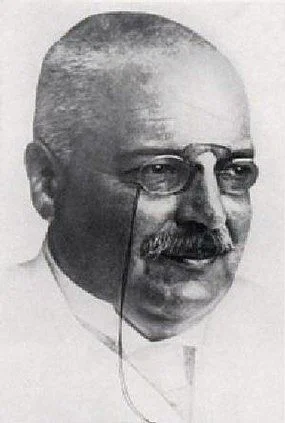
Alois Alzheimer
Born14 Jun, 1864
Died19 Dec, 1915
NationalityGerman
Age at time of death51
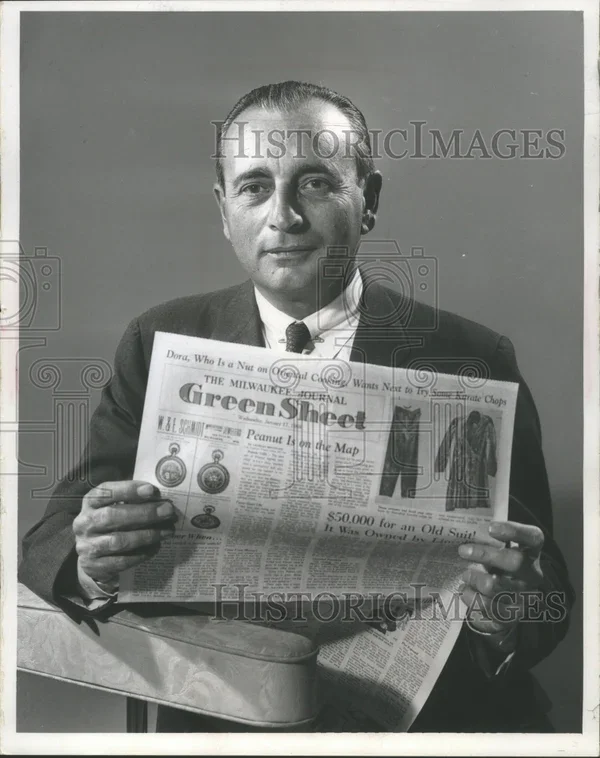
Nicholas P. Dallis
Born15 Dec, 1911
Died06 Jul, 1991
NationalityAmerican
Age at time of death79
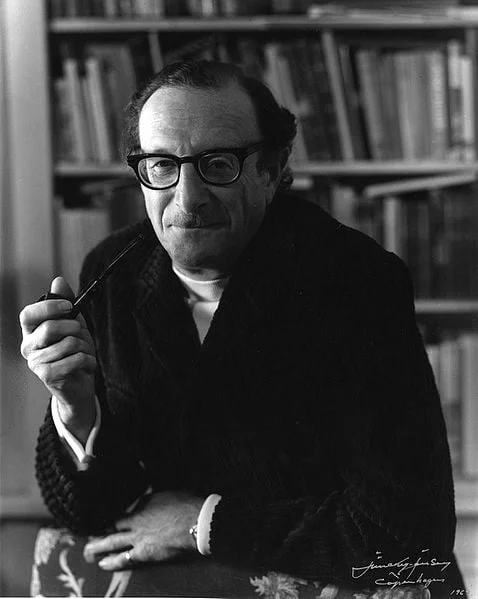
Eric Berne
Born10 May, 1910
Died15 Jul, 1970
NationalityAmerican
Age at time of death60
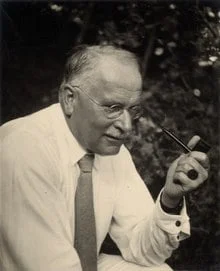
Carl Jung
Born26 Jul, 1875
Died06 Jun, 1961
NationalitySwiss
Age at time of death85
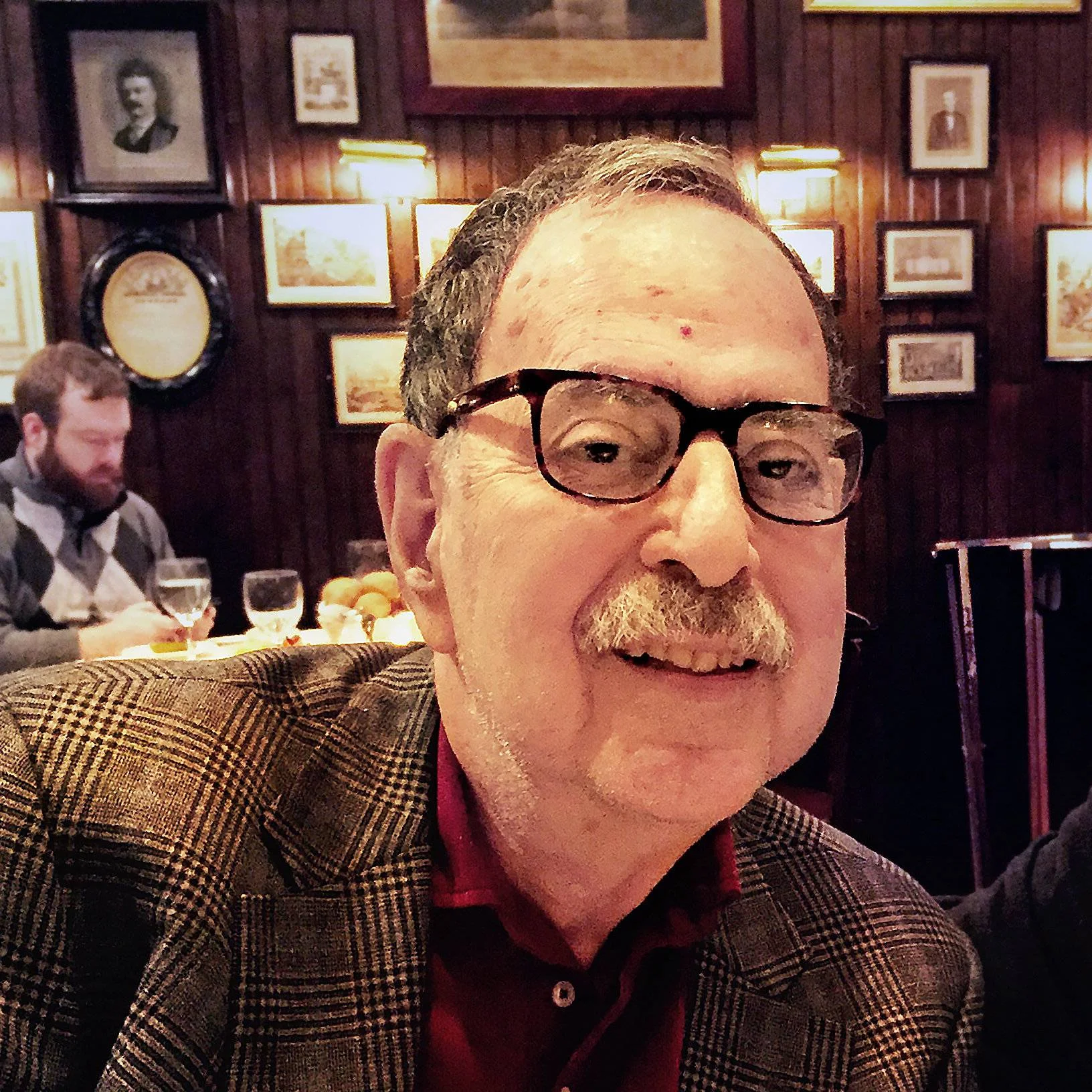
Richard C. Friedman
Born20 Jan, 1941
Died31 Mar, 2020
NationalityAmerican
Age at time of death79
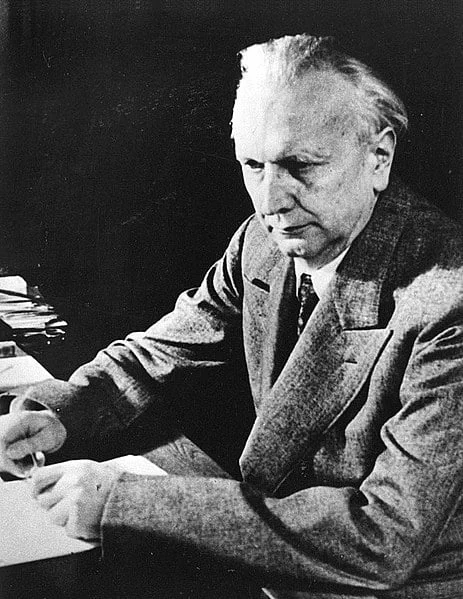
Karl Jaspers
Born23 Feb, 1883
Died26 Feb, 1969
NationalityGerman, Swiss
Age at time of death86