Real Celebrities Never Die!
Enter your birthday to meet your past celebrity birthday twins.
OR
Died Age: 97
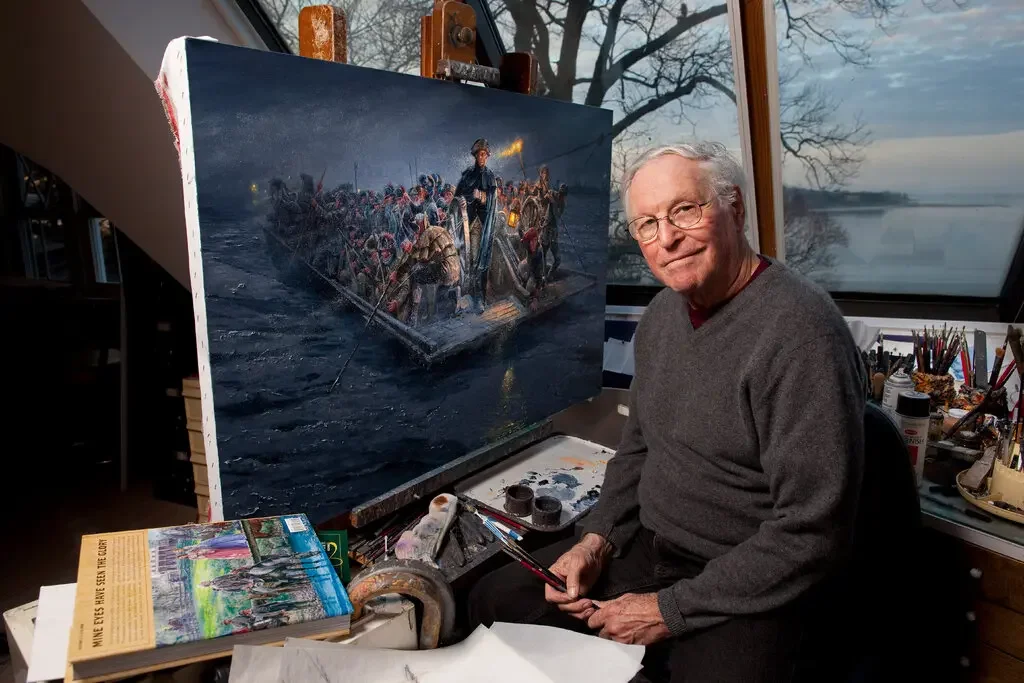
www.nytimes.com
Mort Künstler
Birthday:
27 Aug, 1927
Date of Death:
01 Feb, 2025
Cause of death:
Natural Cause
Nationality:
American, German
Famous As:
Illustrator
Age at the time of death:
97
Morton Künstler's Quote's

“Art is the storyteller’s voice made visible.”
Morton Künstler
🔗 deadcelebrityhub.com
Early Life: A Boyhood Drawn to Imagination
Mort Künstler didn’t just paint scenes — he painted time itself. With a brush that bridged artistry and authenticity, he became one of America’s most renowned historical artists, capturing moments of courage, conflict, and humanity with cinematic precision. From the smoke-shrouded battlefields of the Civil War to the small-town grace of mid-century America, Künstler’s work didn’t merely depict history; it made people feel it.
Known for his unparalleled attention to detail and emotional realism, he built a career that celebrated the American spirit — its triumphs, its contradictions, and its stories worth remembering.
Morton Kunstler was born on August 28, 1927, in Brooklyn, New York, into a world where visual storytelling was everywhere — from the Sunday comics to the movie theaters on every corner. His father, a sign painter, filled the home with tools of the trade: pencils, paints, brushes, and an appreciation for craftsmanship.
From a young age, Mort was sketching everything he saw — athletes, airplanes, soldiers. “I was always drawing,” he later said. “It was the one thing I could do that made sense to me.” Growing up during the Great Depression, he found escape not in toys or travel, but in paper and ink.
By high school, his talent was undeniable. Teachers encouraged him to pursue art seriously — a rare suggestion at the time. His early fascination with motion, drama, and composition foreshadowed the cinematic energy that would define his later paintings.
Education: Crafting an Artist’s Discipline
After graduating from high school, Künstler attended Brooklyn College and later studied at the Pratt Institute and the University of California, Los Angeles (UCLA). At Pratt, one of the premier art schools of the time, he immersed himself in illustration, anatomy, and perspective — disciplines that would anchor his extraordinary precision as a painter.
In his own words, he “wasn’t painting for galleries — I was learning how to tell stories.” Those years trained his eye for narrative clarity and technical rigor, shaping him into not just an artist, but a visual historian.
Career Journey
Phase 1: The Illustrator of Adventure (1950s–1960s)
Künstler’s early career unfolded in the booming world of commercial illustration. In the 1950s and ’60s, magazines like True, Men’s Illustrated, and Argosy were filled with dramatic, action-packed artwork — and Mort was one of their brightest talents.
He became known as “the illustrator who could paint anything.” Whether it was a naval battle, a frontier scene, or a daredevil rescue, his compositions vibrated with energy and realism. His illustrations also graced the covers of pulp novels and movie posters, and he contributed concept art for film studios — an early indication of his instinct for cinematic storytelling.
Fun fact: in the 1960s, Künstler even created artwork for National Geographic and contributed to the design of the official posters for major motion pictures, including The Poseidon Adventure and The Hindenburg.
Phase 2: Reimagining History (1970s–1990s)
By the 1970s, as magazine illustration waned, Künstler reinvented himself. Drawn to American history, he began painting scenes from the Civil War — a period that fascinated him both artistically and emotionally. His mastery of research set him apart: he studied uniforms, weaponry, weather reports, even moon phases to ensure total accuracy.
His first major historical work, The High Water Mark (depicting Pickett’s Charge at Gettysburg), caught the attention of collectors and historians alike. Soon, his Civil War paintings were being exhibited in museums and presidential libraries, earning him the title “The Dean of Civil War Artists.”
But what made his paintings endure wasn’t just accuracy — it was empathy. In works like A New Birth of Freedom and Respect of an Army, Künstler humanized soldiers on both sides, painting not propaganda, but shared humanity.
Throughout the ’80s and ’90s, he expanded his scope to include the American Revolution, World War II, and even 20th-century Americana. His portrayals of small-town life and classic Americana — snow-covered train stations, baseball games, bustling main streets — connected with audiences longing for beauty and nostalgia.
Phase 3: Legacy and Late Career (2000s–2020s)
In his later decades, Künstler continued to paint prolifically, even into his nineties. His works have been exhibited at institutions like the Smithsonian, the U.S. Naval Academy Museum, and the Gettysburg National Military Park Museum.
He received countless honors, including being named the official artist for the 175th anniversary of the U.S. Constitution and New York State’s Sesquicentennial of the Civil War. In 2014, the film The Art of Mort Künstler documented his life and influence, cementing his reputation as one of the most significant American realist painters of the modern era.
Even as he aged, his creative energy remained undiminished. “Every painting,” he once said, “is a chance to relive a moment that deserves to be remembered.”
Personal Life: The Heart Behind the Canvas
Behind the painter’s meticulous craft was a devoted family man. Mort married his wife, Deborah, in the 1950s, and they raised two daughters, Jane and Marcia. The family settled on Long Island, where his studio became a sanctuary filled with sketches, artifacts, and models from every period of American history.
Künstler was known for his good humor and humility — traits that endeared him to fellow artists and fans alike. Despite fame, he remained approachable, often chatting with visitors at exhibitions about his methods and inspirations.
A charming bit of trivia: Künstler often used family members as models for his figures, dressing them in period costumes and photographing them as references. His wife appeared in several paintings, usually as a symbol of grace amid chaos.
Legacy: The Storyteller of American History
Mort Künstler’s legacy lies in his ability to merge artistry and authenticity into something deeply human. His paintings invite viewers not just to observe history, but to stand inside it — to feel the grit, the hope, the tension, and the triumph.
He transformed historical painting from textbook reenactment into visual literature — rich, emotional, and profoundly American. His influence continues to shape how artists and audiences imagine the past: not as static tableaux, but as living stories.
Today, his works hang in major museums and private collections, each brushstroke a testament to decades of discipline and devotion. Yet for all his accolades, Künstler remained humble about his purpose:
“If someone looks at my painting and feels like they were there — if it makes them care about history — then I’ve done my job.”
In the grand tapestry of American art, Mort Künstler’s work stands as both record and revelation — proof that history, when painted with heart, never truly fades.
Profile Snapshot
Name:
Morton Künstler
Popular Name:
Mort Künstler
Gender:
Male
Cause of Death:
Natural Cause
Spouse:
Deborah Künstler
Place of Birth:
New York City, U.S.
Place of Death:
Rockville Centre, New York, U.S.
Occupation / Profession:
Illustrator
Historical artist
Personality Type
Consul: Mort Künstler was a quietly relentless craftsman whose devotion to historical accuracy and narrative realism transformed decades of American history into evocative, enduring works of art.
Morton Künstler's Interesting Facts
Mort Künstler is celebrated as one of America’s foremost historical artists, best known for his vivid and meticulously researched Civil War paintings.
Before gaining fame for historical art, Künstler illustrated movie posters and magazine covers, including work for National Geographic and Reader’s Digest.
His ability to capture accurate historical details has made his paintings favorites among historians, collectors, and Civil War enthusiasts.
In recognition of his contributions, several museums have held major retrospectives of his work, highlighting his impact on American historical art.
Achievements & Awards
Mort Künstler received the Henry Timrod Southern Culture Award in 2001 for his exceptional contributions to the preservation and portrayal of Southern heritage through art. In 2003, he was honored with the Jefferson Davis Southern Heritage Award for his detailed and historically rich depictions of the American South. In 2014, he earned the Lifetime Achievement Award from the Booth Western Art Museum, recognizing his lifelong dedication to historical and realist painting.
External Links
Additional Links
Latest Profiles
People also viewed
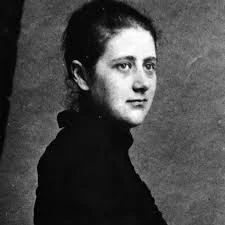
Beatrix Potter
Born28 Jul, 1866
Died22 Dec, 1943
NationalityBritish
Age at time of death77
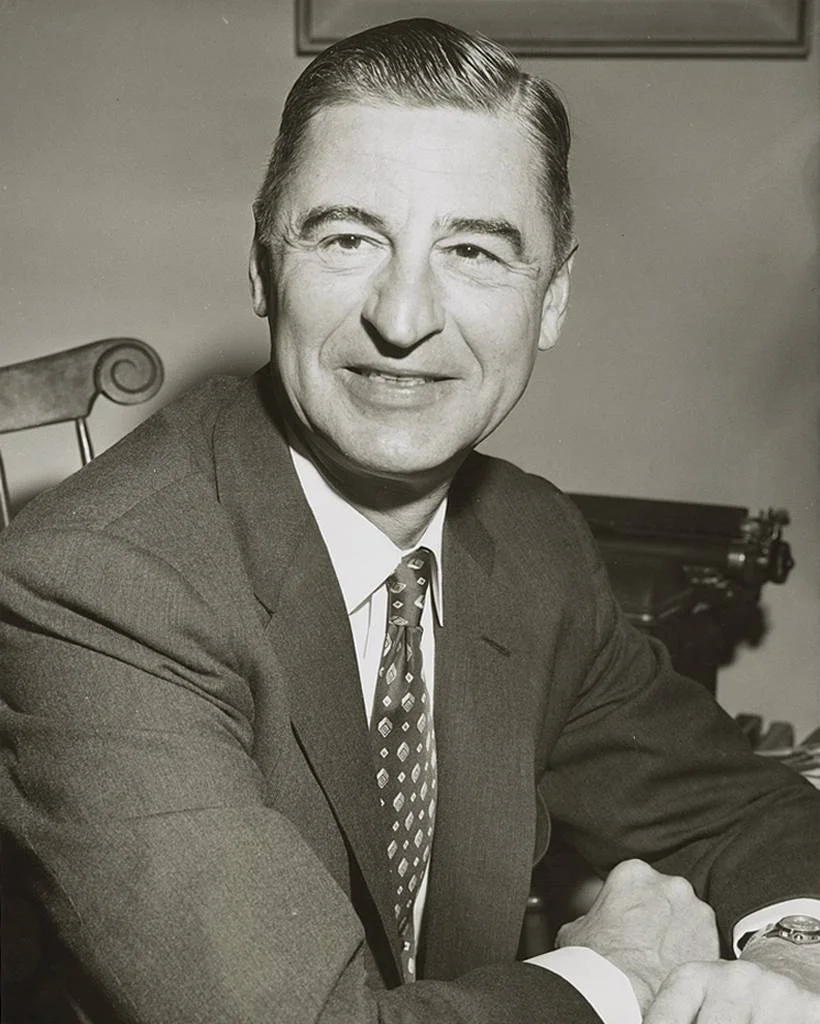
Dr. Seuss
Born02 Mar, 1904
Died24 Sep, 1991
NationalityAmerican
Age at time of death87

Ian Falconer
Born25 Aug, 1959
Died07 Mar, 2023
NationalityAmerican
Age at time of death63
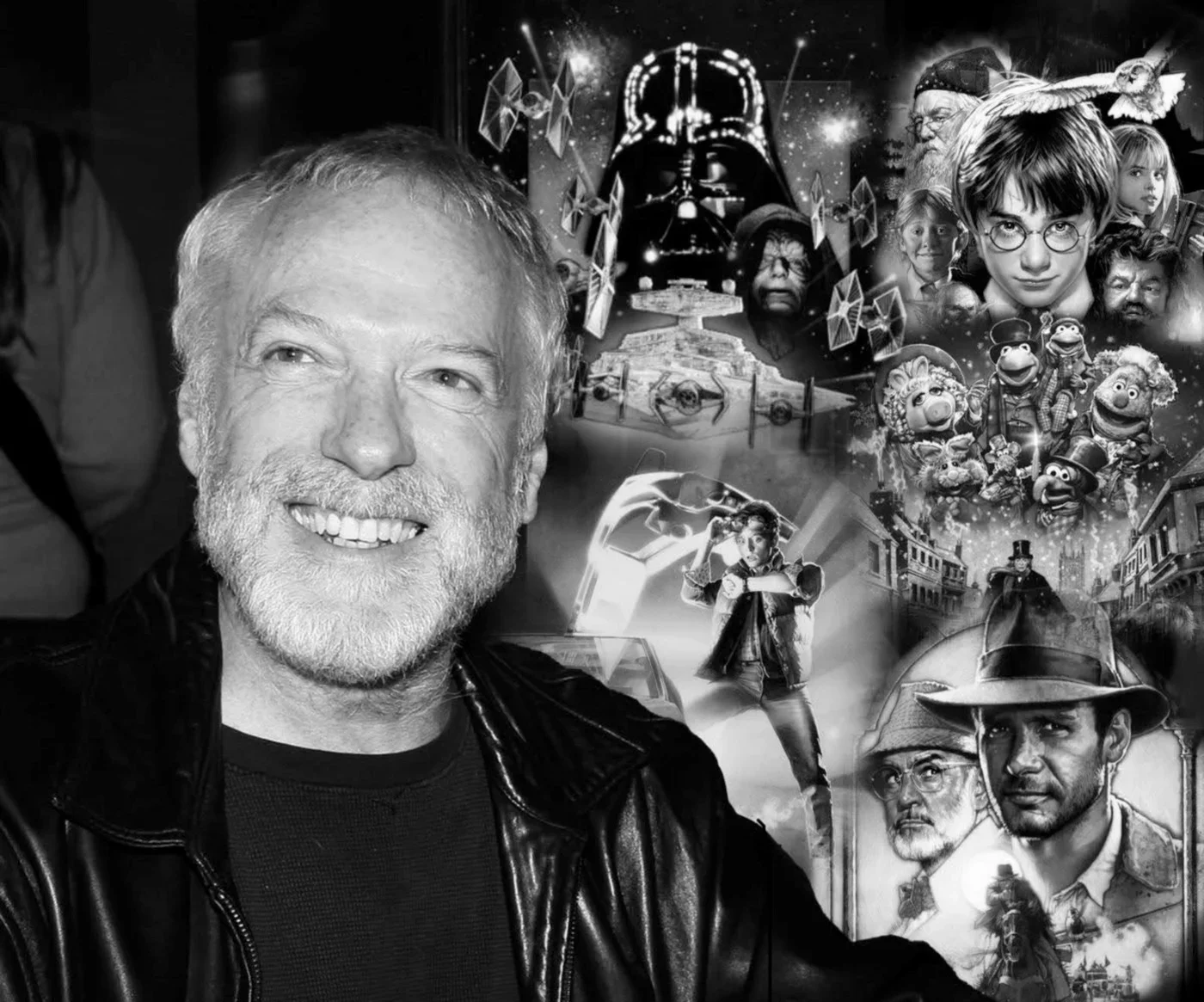
Drew Struzan
Born17 Mar, 1947
Died12 Oct, 2025
NationalityAmerican
Age at time of death78

Chris Moore
Born31 May, 1947
Died06 Feb, 2025
NationalityAmerican
Age at time of death77