Real Celebrities Never Die!
Enter your birthday to meet your past celebrity birthday twins.
OR
Died Age: 69
reuters.com
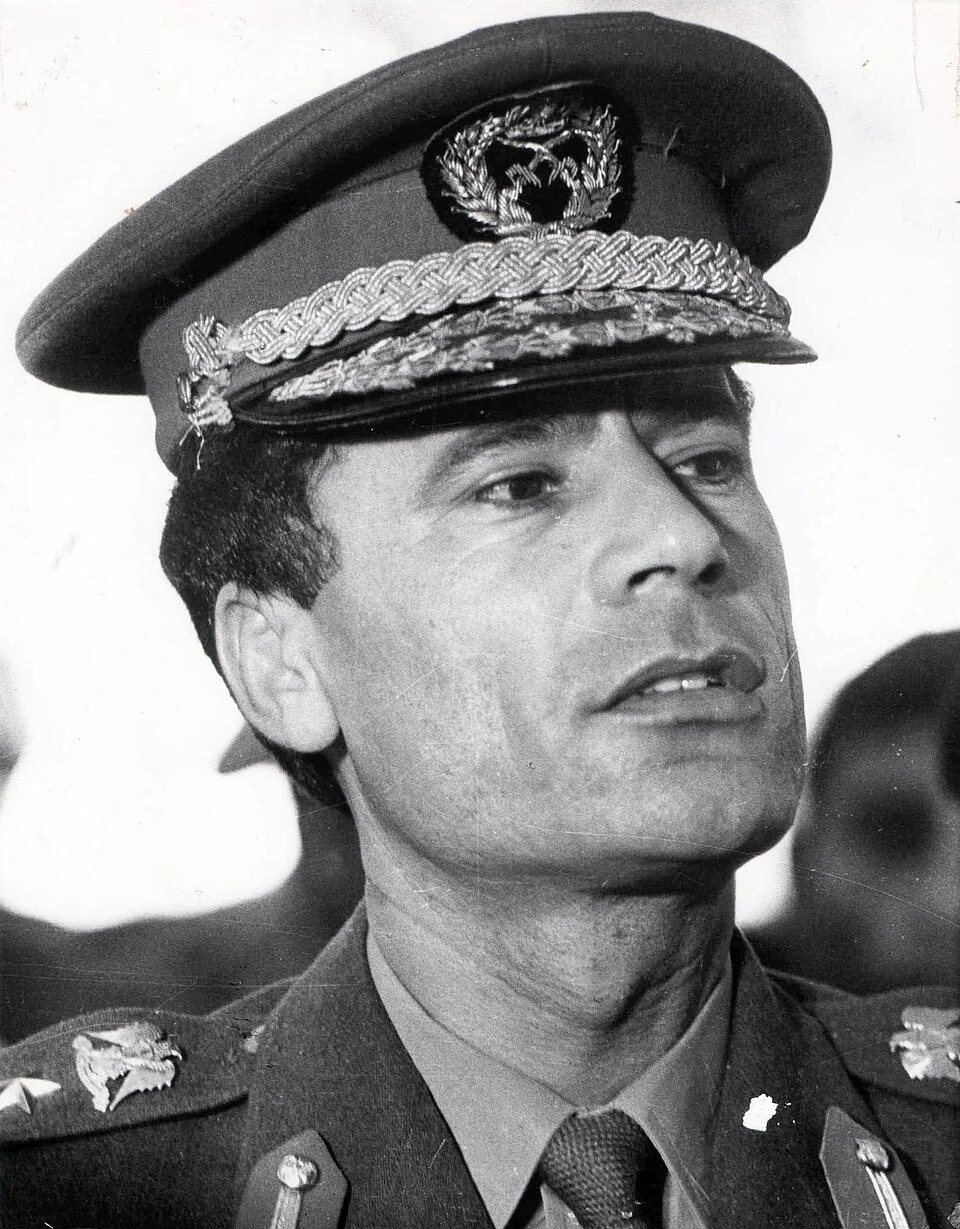
Muammar Gaddafi
Birthday:
07 Jun, 1942
Date of Death:
20 Oct, 2011
Cause of death:
Assassinated
Nationality:
Libyan
Famous As:
Army Officer
Age at the time of death:
69
Muammar Muhammad Abu Minyar al-Gaddafi's Quote's

“I am not a dictator to close Facebook... What kind of dictator is he who opens the door to Facebook?”
Muammar Muhammad Abu Minyar al-Gaddafi
🔗 deadcelebrityhub.com
Early Life: From the Sands of Sirte
Few figures in modern history have cast a shadow as long as Muammar Gaddafi. A man who styled himself as a revolutionary, a philosopher, a pan-Africanist, and a self-declared “King of Kings,” Gaddafi ruled Libya with a blend of charisma and iron-willed control for over four decades. To his supporters, he was a visionary who gave Libya independence from foreign influence and brought prosperity to a once-impoverished country. To his critics, he was an autocrat whose reign was marked by repression and spectacle. But one thing is certain: Gaddafi’s story is one of extraordinary ambition, contradictions, and the unrelenting quest for power.
Born in 1942 in a Bedouin tent near the town of Sirte, Gaddafi’s origins were humble and steeped in desert tradition. His family belonged to the Qadhadhfa tribe, nomadic herders living in one of the harshest environments of North Africa. The young Muammar grew up listening to stories of colonial injustice and Libyan resistance, particularly the legacy of Omar Mukhtar, the famed anti-Italian guerrilla leader whose defiance against occupation became a personal hero for Gaddafi. These tales stirred in him a deep sense of nationalism and a desire to reclaim Libya’s dignity on the world stage.
He was, by all accounts, a precocious child—introspective, fiercely intelligent, and unusually political for his age. Even in primary school, he reportedly organised protests against the monarchy and British military presence. Gaddafi’s formative years were shaped as much by the arid winds of the desert as by the stirrings of anti-colonial sentiment sweeping across North Africa.
Education: A Soldier with a Philosopher’s Pen
Though he never received a traditional university education in the Western sense, Gaddafi’s intellectual curiosity knew no bounds. After attending a series of Islamic and secondary schools, he entered the Royal Military Academy in Benghazi in 1961. It was there that his ideological transformation began in earnest.
Gaddafi wasn't just training to be a soldier, he was crafting a worldview. Inspired by Nasser’s pan-Arabism in Egypt, the anti-imperialist writings of Frantz Fanon, and the Islamic principles of unity and justice, Gaddafi began envisioning a new Libya: independent, socialist, and defiant of Western control. He also studied briefly in the United Kingdom, receiving military training at Sandhurst. Though he did not complete the full program, the experience reinforced his distaste for colonial powers and their influence in the Arab world.
Career Journey: The Colonel’s Rise and Reign
The Young Revolutionary (1969–1977)
On September 1, 1969, at the age of just 27, Captain Gaddafi led a bloodless coup that overthrew King Idris I while the monarch was abroad. Declaring the formation of the Libyan Arab Republic, Gaddafi abolished the monarchy and positioned himself not as president, but as “Brother Leader” and “Guide of the Revolution.” He wore no formal title but held absolute control.
Early in his rule, Gaddafi nationalised Libya’s oil industry—an audacious move that shocked foreign investors but won him admiration across the Arab world. He poured oil wealth into infrastructure, healthcare, and education. Under his rule, Libya went from one of Africa’s poorest nations to one of its wealthiest. In the early years, schools and hospitals became free, and housing initiatives reached the remotest parts of the desert.
The Philosopher King (1977–1980s)
In 1975, Gaddafi published The Green Book, a political manifesto blending socialism, Islamic values, and direct democracy. It proposed a stateless society governed by “People’s Committees,” but in reality, Gaddafi’s rule became increasingly autocratic. He renamed the country the "Great Socialist People's Libyan Arab Jamahiriya"—a mouthful that reflected both his grand vision and eccentric flair.
During this phase, Gaddafi’s foreign policy turned increasingly radical. He funded liberation movements across Africa and the Middle East, from the IRA in Northern Ireland to the ANC in South Africa. He was also accused of supporting terrorism, including the 1986 Berlin discotheque bombing and the 1988 Lockerbie bombing, which severely damaged his international standing.
Isolation and Rebirth (1990s–2000s)
The 1990s were marked by sanctions, pariah status, and growing internal dissent. Gaddafi retreated from global activism and began recalibrating his role. In a surprising pivot, he denounced weapons of mass destruction in 2003 and renounced terrorism, leading to a warming of relations with the West. For a brief time, Libya was welcomed back into the international fold. Tony Blair shook his hand, Western oil companies returned, and Gaddafi even gave eccentric speeches at the United Nations, wrapped in African robes.
The Fall (2011)
But the tide turned again during the Arab Spring. Inspired by revolts across the region, Libyans rose up against Gaddafi’s regime in 2011. What began as peaceful protests turned into civil war. Gaddafi responded with brutal force, prompting international intervention. On October 20, 2011, after weeks of NATO airstrikes and a siege on his hometown of Sirte, Gaddafi was captured and killed by rebel forces. His end was as dramatic and controversial as his life.
Personal Life: The Enigma Behind the Uniform
Despite his global notoriety, Gaddafi kept aspects of his personal life shrouded in mystery. He was married twice and had eight biological children. His sons often held key posts in his government, most notably Saif al-Islam, once seen as the reformist heir apparent.
Gaddafi was known for his theatrical flair: flowing Bedouin robes, all-female bodyguards, and tented dwellings he insisted on erecting even during state visits abroad. He claimed to sleep in a traditional tent wherever he travelled, including the lawns of European leaders. A lesser-known quirk: he had a fear of flying over water, which sometimes led to complex, land-only travel arrangements across continents.
Legacy: A Name Etched in Fire and Sand
Gaddafi left behind a legacy as conflicted as the man himself. To many Africans, he was a champion of unity who envisioned a United States of Africa, complete with a single currency and passport. To some Libyans, he remains a symbol of independence and progress in the face of imperial meddling. But to others, his rule was marked by repression, surveillance, and cult-of-personality politics that stifled freedom and bred resentment.
The Libya that emerged after his death plunged into chaos, with rival governments and militias vying for control. Yet his imprint lingers, not just in Libyan politics, but in the broader debate about revolution, sovereignty, and the double-edged sword of idealism backed by power.
Muammar Gaddafi was not merely a dictator or a revolutionary, he was a man who tried to rewrite the rules of governance, both for his people and for the world. His life is a cautionary epic of vision unchecked, of ideals warped by power, and of the enduring complexity of leadership in a post-colonial age.
Profile Snapshot
Name:
Muammar Muhammad Abu Minyar al-Gaddafi
Popular Name:
Muammar Gaddafi
Gender:
Male
Cause of Death:
Assassinated
Spouse:
Safia Farkash
Fathia Nuri Khalid
Place of Birth:
Qasr Abu Hadi, Libya
Place of Death:
Serte, Libya
Occupation / Profession:
Army Officer
Politician
Revolutionary
Personality Type
Commander: Muammar Gaddafi was a fiercely strategic and dominant visionary, unyielding in his pursuit of revolution and reform, who ruled with a blend of ideological fervour and tactical precision, always forging a path forward, even if he had to bulldoze tradition or opposition to get there.
Muammar Muhammad Abu Minyar al-Gaddafi's Interesting Facts
Gaddafi often travelled with a Bedouin tent and insisted on sleeping in it, even during state visits abroad.
Gaddafi once proposed creating a single African currency backed by gold, called the "Gold Dinar."
He had an all-female bodyguard unit known as the “Amazonian Guard.”
Achievements & Awards
Despite his controversial rule, many African nations honoured him for his anti-imperialist stance and support of African unity.
He also played a significant role in promoting pan-Africanism, advocating for a United States of Africa, and funding liberation movements across the continent.
Muammar Gaddafi’s most notable achievement was transforming Libya from a monarchy into a republic and using its oil wealth to dramatically improve infrastructure, education, and healthcare, turning it into one of Africa’s richest nations by GDP per capita during parts of his rule.
On the international stage, he was awarded several honours, including the Order of José Martí from Cuba and the Grand Collar of the Order of Prince Henry from Portugal, recognising his influence in global politics.
External Links
Latest Profiles
People also viewed
Gerald Ford
Born14 Jul, 1913
Died26 Dec, 2006
NationalityAmerican
Age at time of death93
Victor Hugo
Born26 Feb, 1802
Died22 May, 1885
NationalityFrench
Age at time of death83
George Murphy
Born04 Jul, 1902
Died03 May, 1992
NationalityAmerican
Age at time of death89
P. T. Barnum
Born05 Jul, 1810
Died07 Apr, 1891
NationalityAmerican
Age at time of death80
Rajendra Prasad
Born03 Dec, 1884
Died28 Feb, 1963
NationalityIndian
Age at time of death78
Nelson Rockefeller
Born08 Jul, 1908
Died26 Jan, 1979
NationalityAmerican
Age at time of death70

Ethan Allen
Born21 Jan, 1738
Died12 Feb, 1789
NationalityAmerican
Age at time of death51
Herbert Hoover
Born10 Aug, 1874
Died20 Oct, 1964
NationalityAmerican
Age at time of death90
Jacques Delors
Born20 Jul, 1925
Died27 Dec, 2023
NationalityFrench
Age at time of death98
James Harrison
Born17 Apr, 1816
Died03 Sep, 1893
NationalityScottish,Australian
Age at time of death77
Menachem Begin
Born16 Aug, 1913
Died09 Mar, 1992
NationalityIsraeli
Age at time of death78
Peter Fraser
Born28 Aug, 1884
Died12 Dec, 1950
NationalityNew Zealand
Age at time of death66
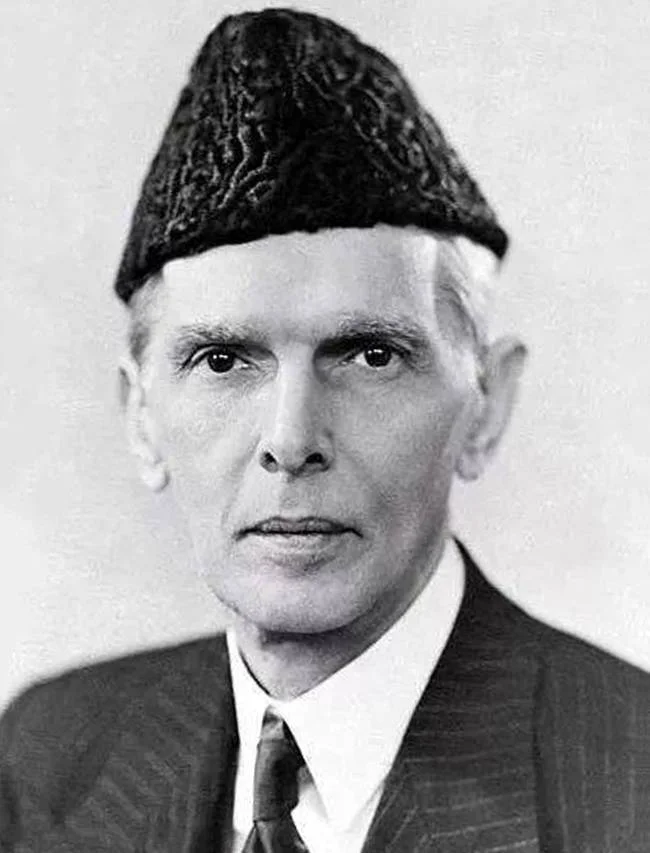
Muhammad Ali Jinnah
Born25 Dec, 1876
Died11 Sep, 1948
NationalityPakistani
Age at time of death71
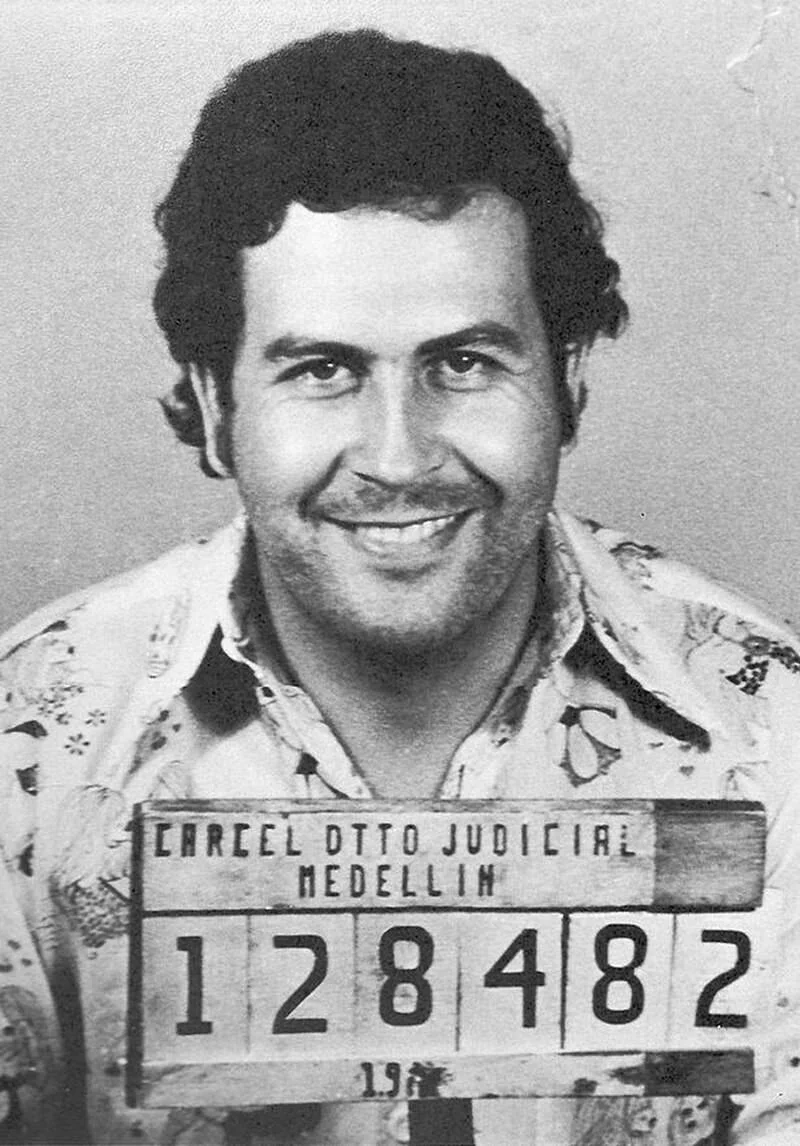
Pablo Escobar
Born01 Dec, 1949
Died02 Dec, 1993
NationalityColombian
Age at time of death44
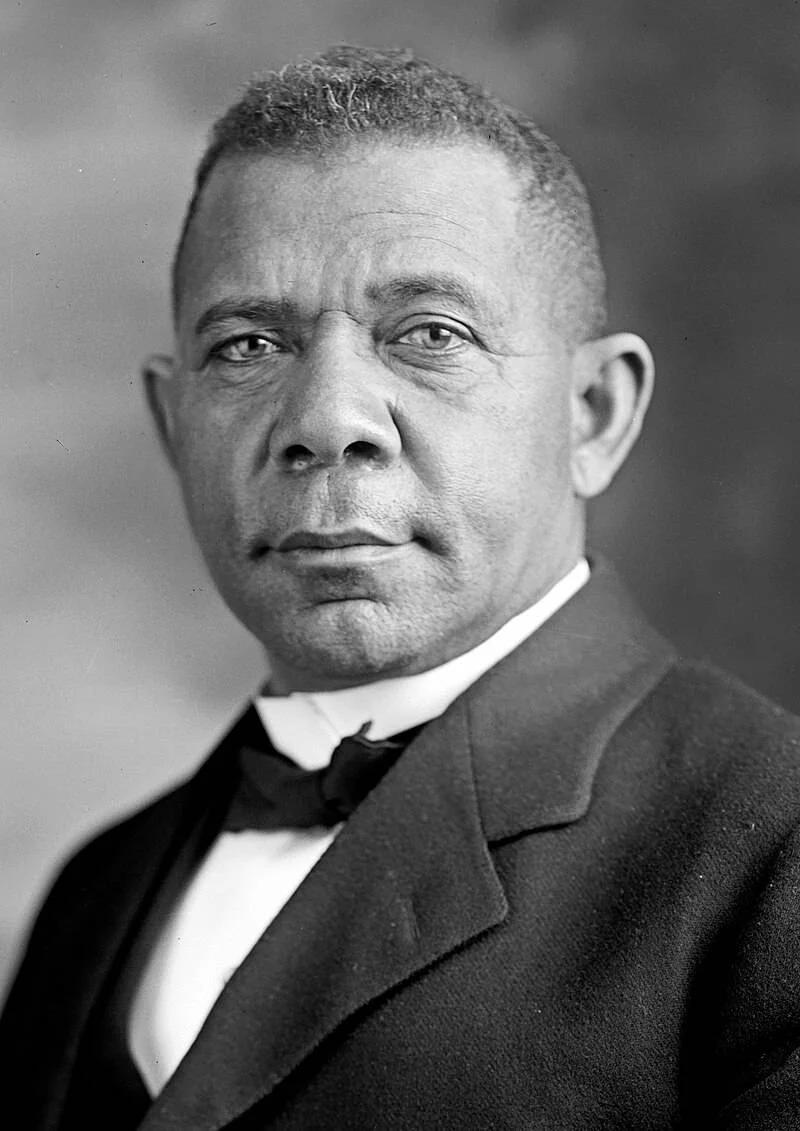
Booker T. Washington
Born05 Apr, 1856
Died14 Nov, 1915
NationalityAmerican
Age at time of death59
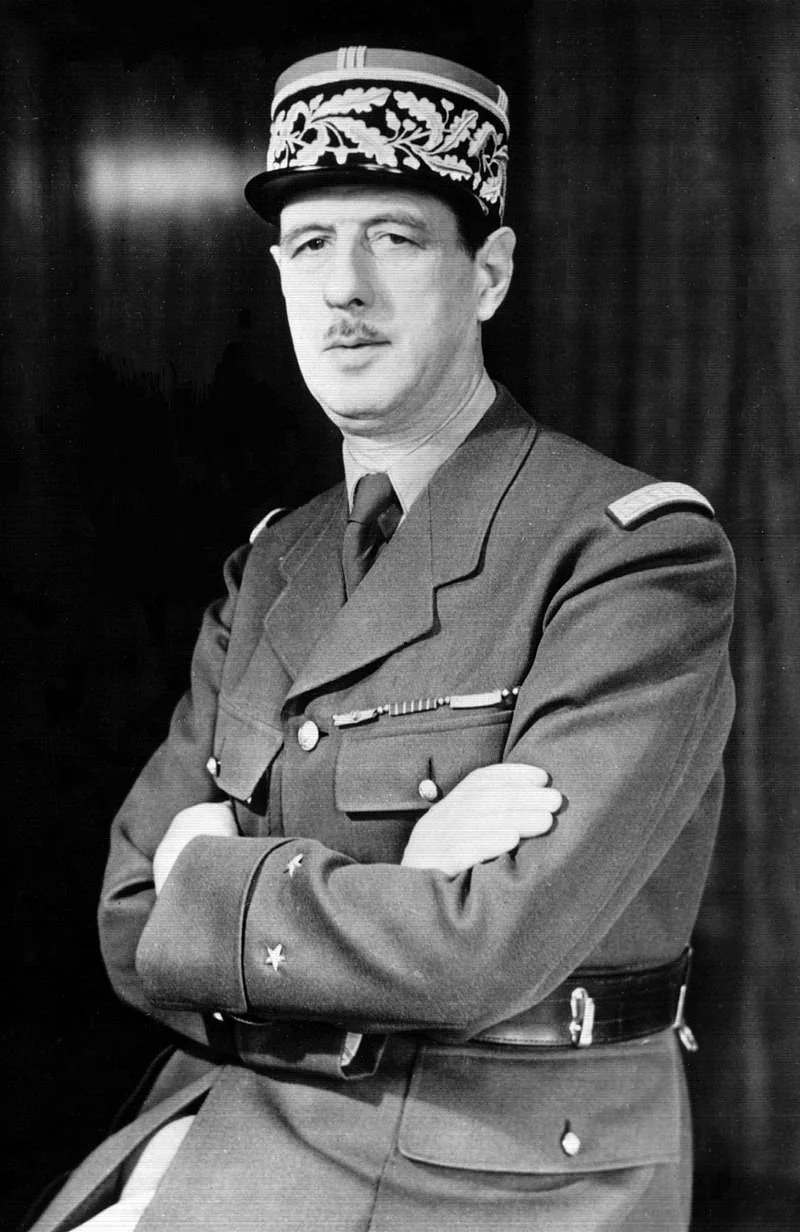
Charles de Gaulle
Born22 Nov, 1890
Died09 Nov, 1970
NationalityFrench
Age at time of death79
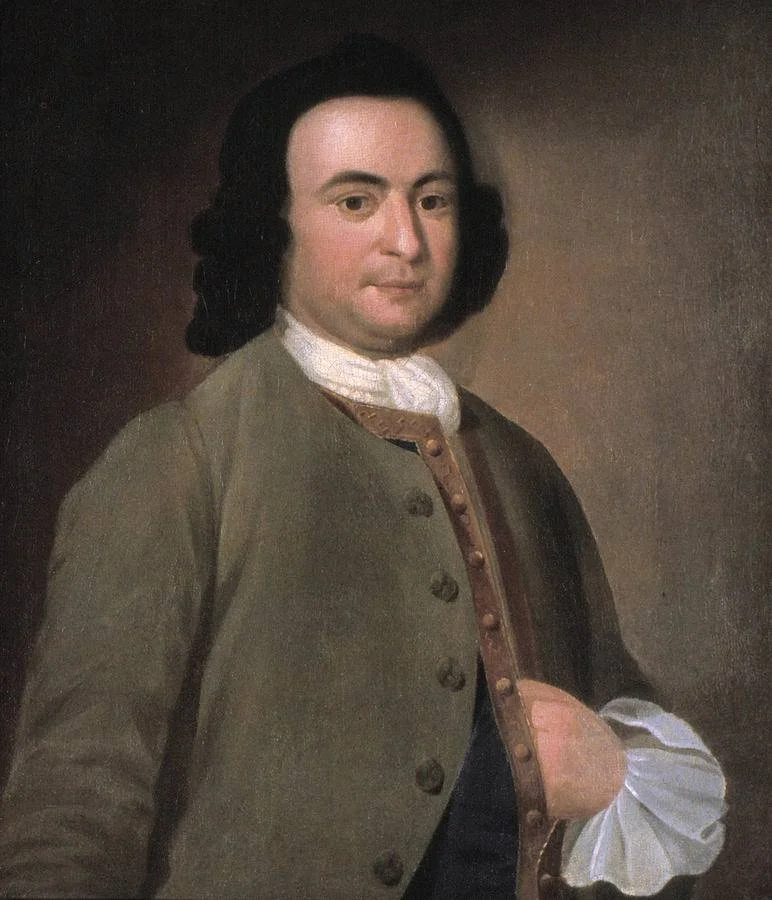
George Mason
Born11 Dec, 1725
Died07 Oct, 1792
NationalityAmerican, British
Age at time of death66
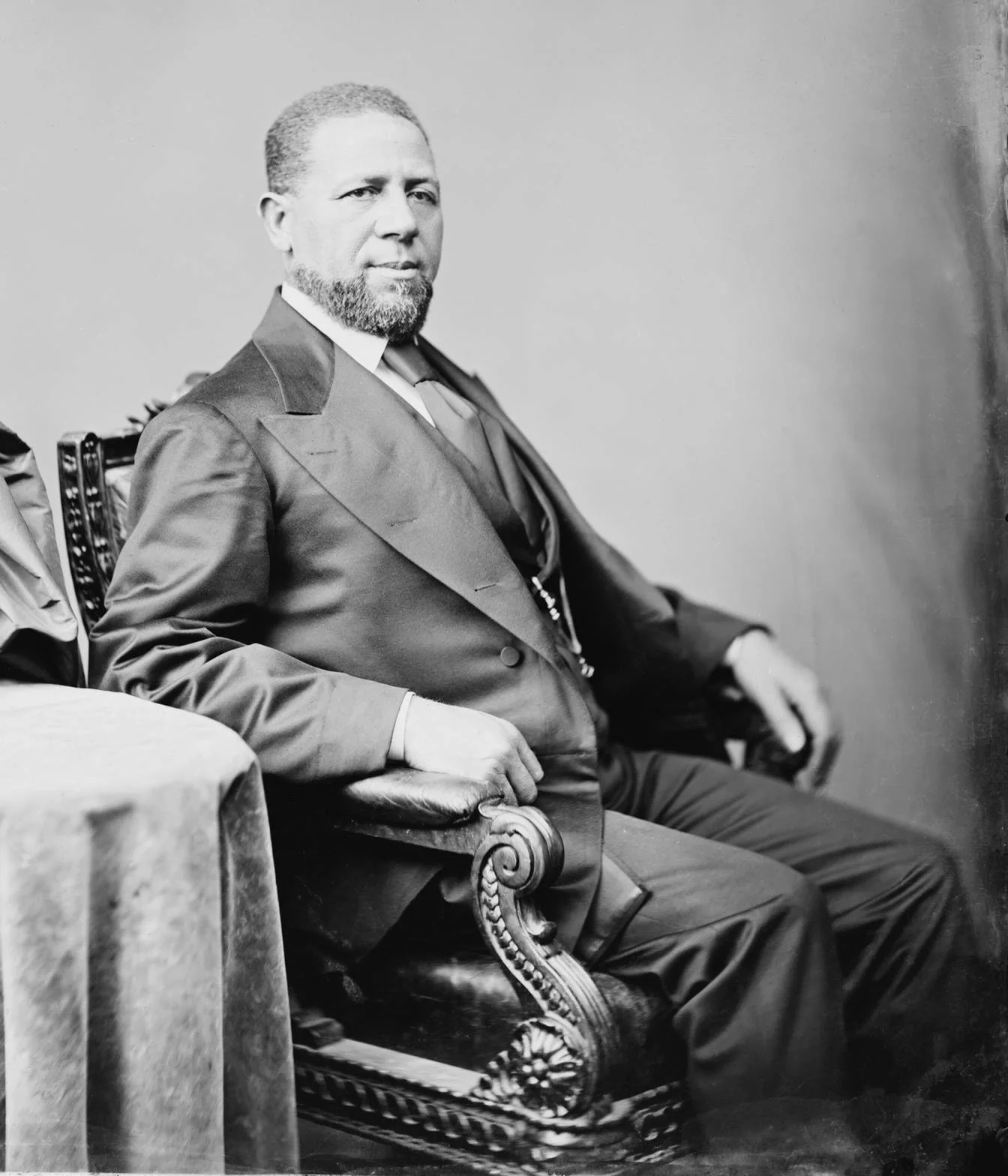
Hiram R. Revels
Born27 Sep, 1827
Died16 Jan, 1901
NationalityAmerican
Age at time of death73
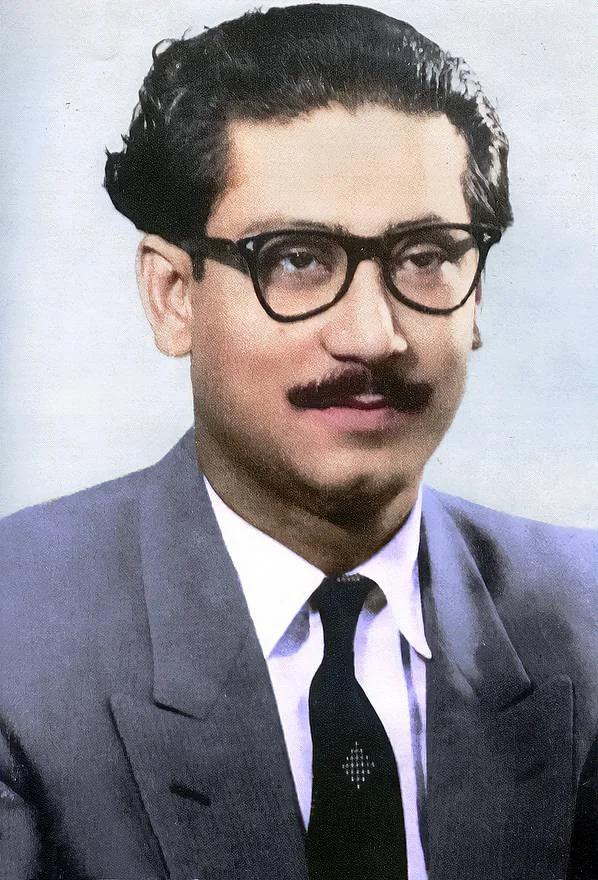
Sheikh Mujibur Rahman
Born17 Mar, 1920
Died15 Aug, 1975
NationalityIndian, Pakistani, Bangladeshi
Age at time of death55
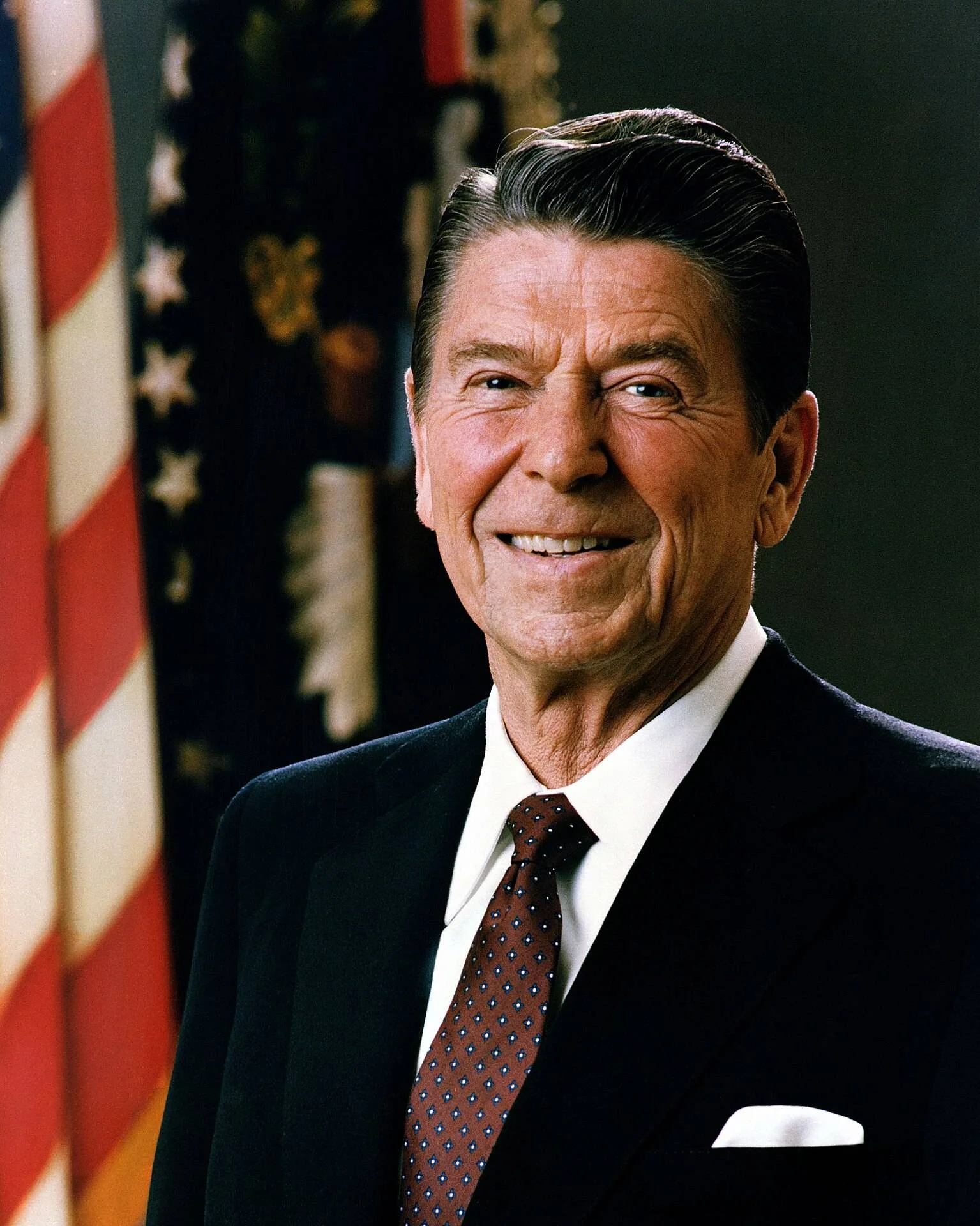
Ronald Reagan
Born06 Feb, 1911
Died05 Jun, 2004
NationalityAmerican
Age at time of death93