Real Celebrities Never Die!
OR
Search For Past Celebrities Whose Birthday You Share
Died Age: 69
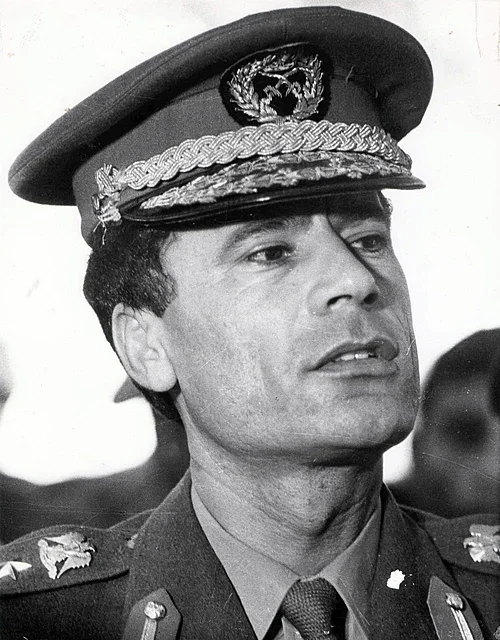
wikipedia.org
Muammar Gaddafi
Birthday:
07 Jun, 1942
Date of Death:
11 Oct, 2011
Cause of death:
Killed by rebel forces
Nationality:
Libyan
Famous As:
Dictator
Age at the time of death:
69
Muammar Mohammed Abu Minyar al-Gaddafi's Quote's

“America is the root of all evil.”
Muammar Mohammed Abu Minyar al-Gaddafi
🔗 deadcelebrityhub.com
Muammar Gaddafi: Education and Formative Years
Muammar Muhammad Abu Minyar al-Gaddafi, popularly known as Muammar Gaddafi, was born on June 7, 1942, near Sirte in Italian-controlled Libya. His family belonged to the Bedouin Arab community, living a nomadic and impoverished lifestyle in the Libyan desert. Gaddafi’s early years were marked by hardship, but his upbringing instilled in him a deep sense of resilience and ambition. His father was an itinerant farmer, and the family lived in a tent—a symbol of their modest means and traditional Bedouin roots. Gaddafi’s education began in a local Islamic school where he developed a strong belief in Arab nationalism and unity. Inspired by Egyptian President Gamal Abdel Nasser’s ideology, he became increasingly passionate about political change. He later enrolled at Sabha Secondary School before attending the Royal Military Academy in Benghazi. His military training laid the foundation for his revolutionary aspirations, and he further honed his skills during army training in Britain. By the time he graduated from the academy in 1965, Gaddafi had already begun plotting to overthrow Libya’s monarchy, believing King Idris I was a puppet of Western powers.
Personal Life
Gaddafi married Safia Farkash, a former nurse of Croatian origin, in 1970. Together they had eight biological children and adopted two more. Safia played a largely private role during Gaddafi’s rule, while their children were often involved in Libya’s political and military affairs.
Rise to Power
On September 1, 1969, at the age of 27, Gaddafi led a bloodless military coup that deposed King Idris I while the monarch was abroad for medical treatment. Assuming control as chairman of the Revolutionary Command Council (RCC), he declared Libya a republic and began implementing sweeping changes to dismantle foreign influence. Gaddafi nationalized oil companies and banks, expelled Italian settlers, and closed Western military bases. These moves were designed to assert Libya’s independence and redistribute wealth among its citizens.
Political Philosophy and Achievements
Gaddafi’s rule was characterized by his unique political ideology known as the “Third International Theory,” which he outlined in The Green Book. This philosophy combined elements of socialism, Arab nationalism, and Islamic modernism. He introduced Basic People’s Congresses as part of his vision for direct democracy but retained significant personal control over decision-making. Under his leadership, Libya experienced significant economic transformation due to its oil wealth. Gaddafi used state revenues to fund social programs such as housing projects, healthcare initiatives, and education reforms. He also supported revolutionary movements worldwide, including groups like the Irish Republican Army (IRA) and the Palestine Liberation Organization (PLO), earning him both allies and international condemnation.
Controversies and Isolation
Despite early successes, Gaddafi’s regime became increasingly authoritarian. Allegations of human rights abuses, suppression of dissent, and support for terrorism led to global isolation. The 1988 bombing of Pan Am Flight 103 over Lockerbie, Scotland—linked to Libyan agents—marked a turning point in Western hostility toward his government. Economic sanctions imposed by the United Nations further strained Libya’s international relations. In later years, Gaddafi shifted focus from pan-Arabism to pan-Africanism. He championed African unity and served as Chairperson of the African Union from 2009 to 2010.
Controversies and Isolation
Despite early successes, Gaddafi’s regime became increasingly authoritarian. Allegations of human rights abuses, suppression of dissent, and support for terrorism led to global isolation. The 1988 bombing of Pan Am Flight 103 over Lockerbie, Scotland—linked to Libyan agents—marked a turning point in Western hostility toward his government. Economic sanctions imposed by the United Nations further strained Libya’s international relations. In later years, Gaddafi shifted focus from pan-Arabism to pan-Africanism. He championed African unity and served as Chairperson of the African Union from 2009 to 2010.
Downfall and Death
The Arab Spring protests of 2011 marked the beginning of Gaddafi’s downfall. Widespread unrest over corruption and unemployment escalated into civil war as opposition forces gained momentum with NATO’s military intervention. By August 2011, rebel forces had captured Tripoli, forcing Gaddafi into hiding. On October 20, 2011, he was discovered by National Transitional Council (NTC) fighters near Sirte—his birthplace—and killed under disputed circumstances. Reports suggest he was either executed or killed during crossfire.
Legacy
Muammar Gaddafi remains one of history’s most polarizing figures. To some Libyans, he was a visionary who sought independence from foreign domination; to others, he was a dictator whose brutal regime suppressed freedoms and caused immense suffering. His death marked the end of an era but left Libya fragmented and struggling for stability.
Profile Snapshot
Name:
Muammar Mohammed Abu Minyar al-Gaddafi
Popular Name:
Muammar Gaddafi
Gender:
Male
Cause of Death:
Killed by rebel forces
Spouse:
Fatiha al-Nuri
Safia Farkash
Place of Birth:
Qasr Abu Hadi, near Sirte, Italian Libya
Place of Death:
Sirte, Libya
Occupation / Profession:
Dictator
Politician
Revolutionary
Personality Type
Protagonist: Charismatic and inspiring leaders, able to mesmerize their listeners. He was known for charisma, vision, and influencing others.
Muammar Mohammed Abu Minyar al-Gaddafi's Interesting Facts
Gaddafi lived in a Bedouin tent even as leader and often pitched it during foreign visits.
He funded terrorist groups like the IRA and Black September.
He wore colorful robes and sunglasses, cultivating a distinctive image.
His death was filmed and widely circulated online.
Achievements & Awards
Authored The Green Book outlining his political philosophy.
Built the Great Man-Made River irrigation project.
Led the 1969 coup that established the Libyan Arab Republic.
Nationalized Libya’s oil industry in the 1970s.
Received the Order of Good Hope from South Africa (1997).
External Links
Additional Links
https://en.wikipedia.org/wiki/Personal_life_of_Muammar_Gaddafihttps://www.bbc.com/news/world-africa-12532929https://www.bbc.com/news/world-africa-12537524https://www.bbc.com/news/world-africa-12688033https://www.britannica.com/biography/Muammar-al-Qaddafihttps://www.imdb.com/name/nm0300490/bio/https://www.jewishvirtuallibrary.org/muammar-gaddafi
Latest Profiles
People also viewed
Gerald Ford
Born14 Jul, 1913
Died26 Dec, 2006
NationalityAmerican
Age at time of death93
Victor Hugo
Born26 Feb, 1802
Died22 May, 1885
NationalityFrench
Age at time of death83
George Murphy
Born04 Jul, 1902
Died03 May, 1992
NationalityAmerican
Age at time of death89
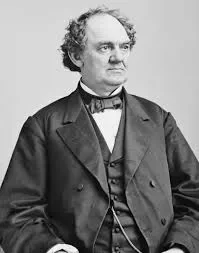
P. T. Barnum
Born05 Jul, 1810
Died07 Apr, 1891
NationalityAmerican
Age at time of death80
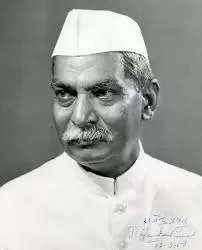
Rajendra Prasad
Born03 Dec, 1884
Died28 Feb, 1963
NationalityIndian
Age at time of death78
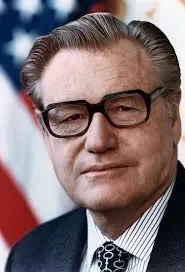
Nelson Rockefeller
Born08 Jul, 1908
Died26 Jan, 1979
NationalityAmerican
Age at time of death70

Ethan Allen
Born21 Jan, 1738
Died12 Feb, 1789
NationalityAmerican
Age at time of death51
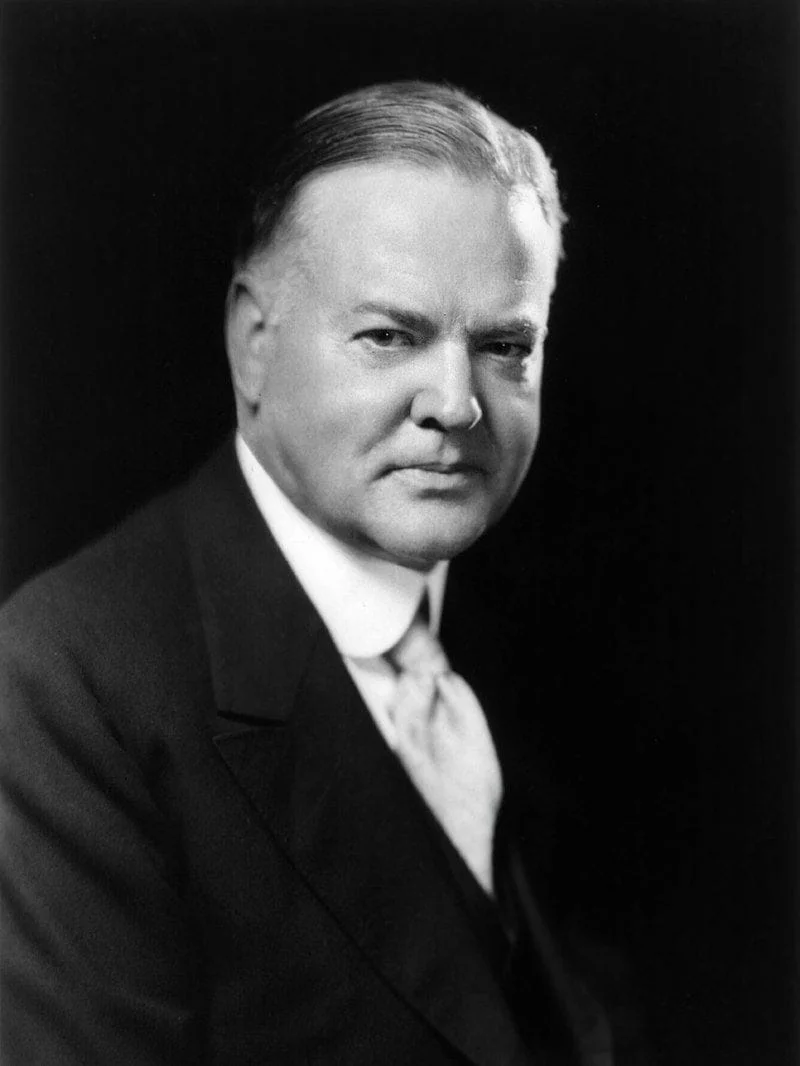
Herbert Hoover
Born10 Aug, 1874
Died20 Oct, 1964
NationalityAmerican
Age at time of death90
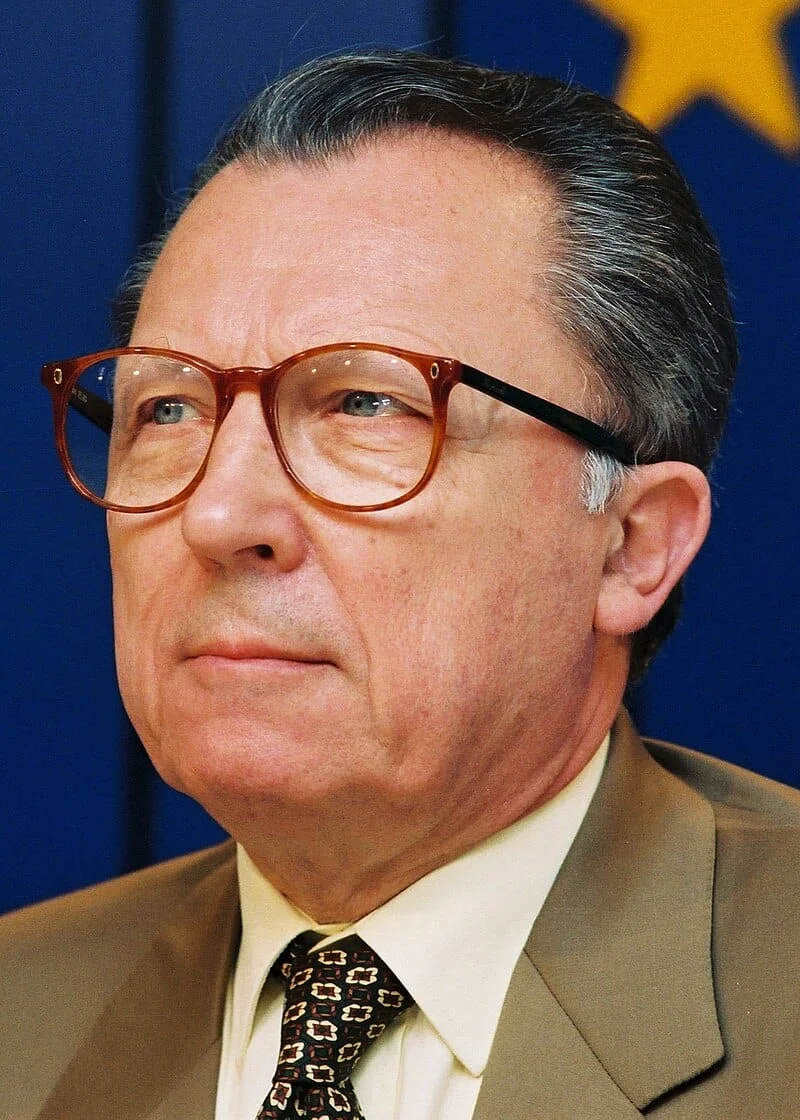
Jacques Delors
Born20 Jul, 1925
Died27 Dec, 2023
NationalityFrench
Age at time of death98
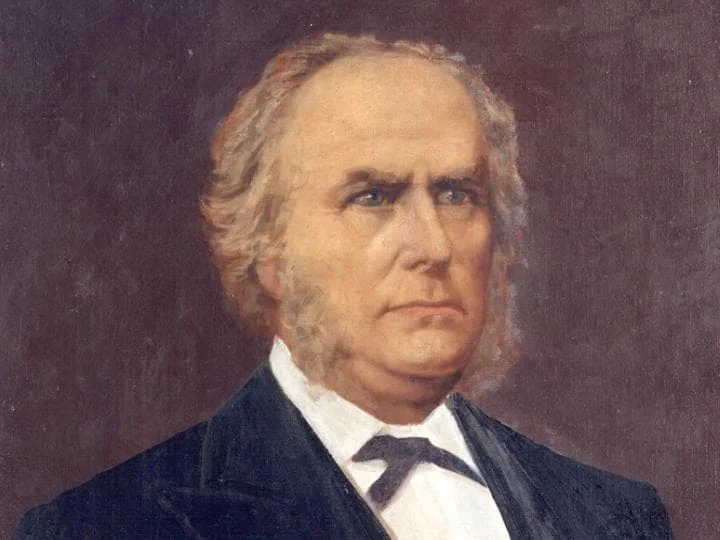
James Harrison
Born17 Apr, 1816
Died03 Sep, 1893
NationalityScottish,Australian
Age at time of death77
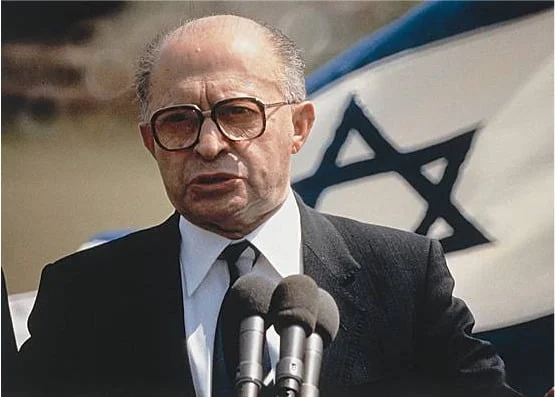
Menachem Begin
Born16 Aug, 1913
Died09 Mar, 1992
NationalityIsraeli
Age at time of death78
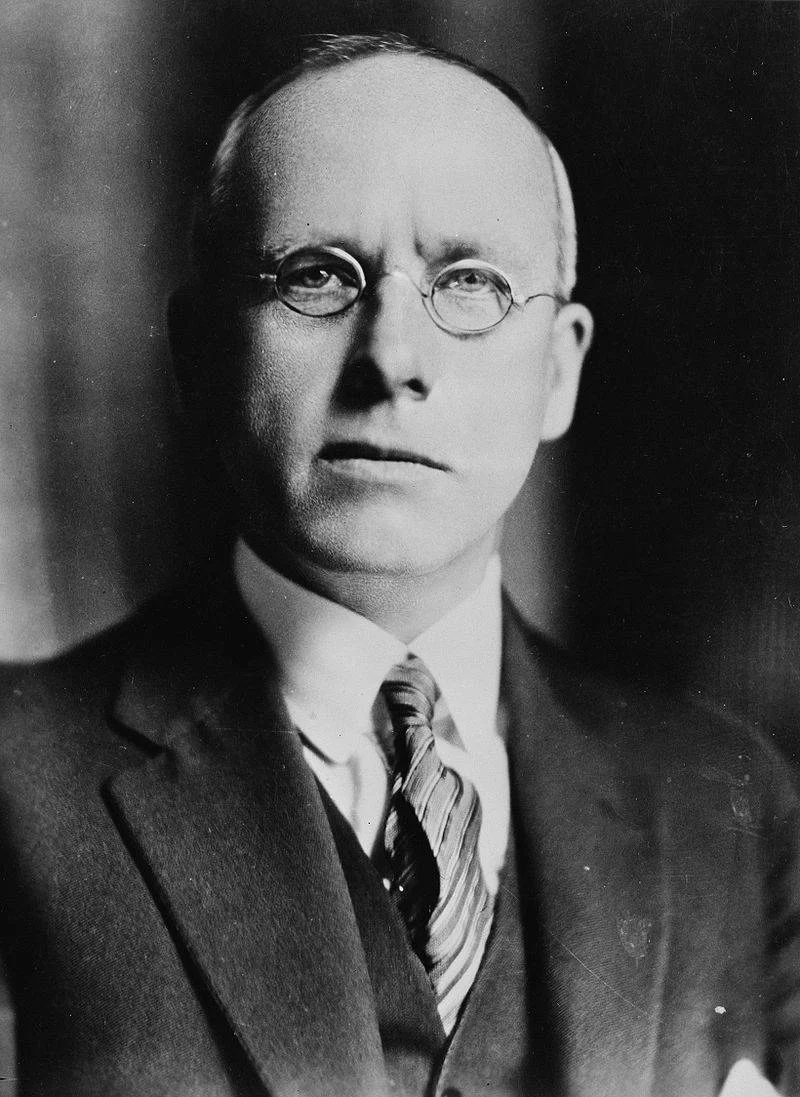
Peter Fraser
Born28 Aug, 1884
Died12 Dec, 1950
NationalityNew Zealand
Age at time of death66
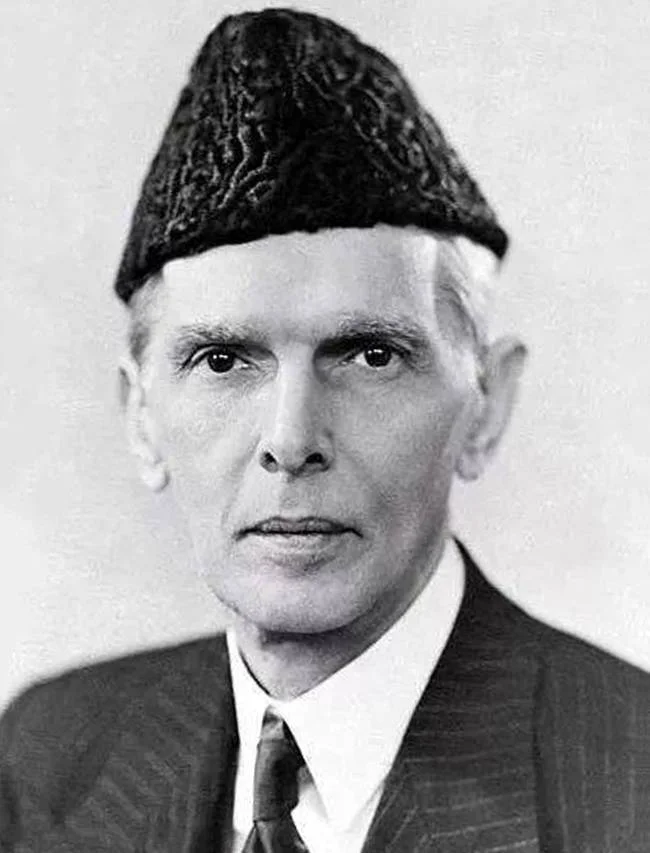
Muhammad Ali Jinnah
Born25 Dec, 1876
Died11 Sep, 1948
NationalityPakistani
Age at time of death71
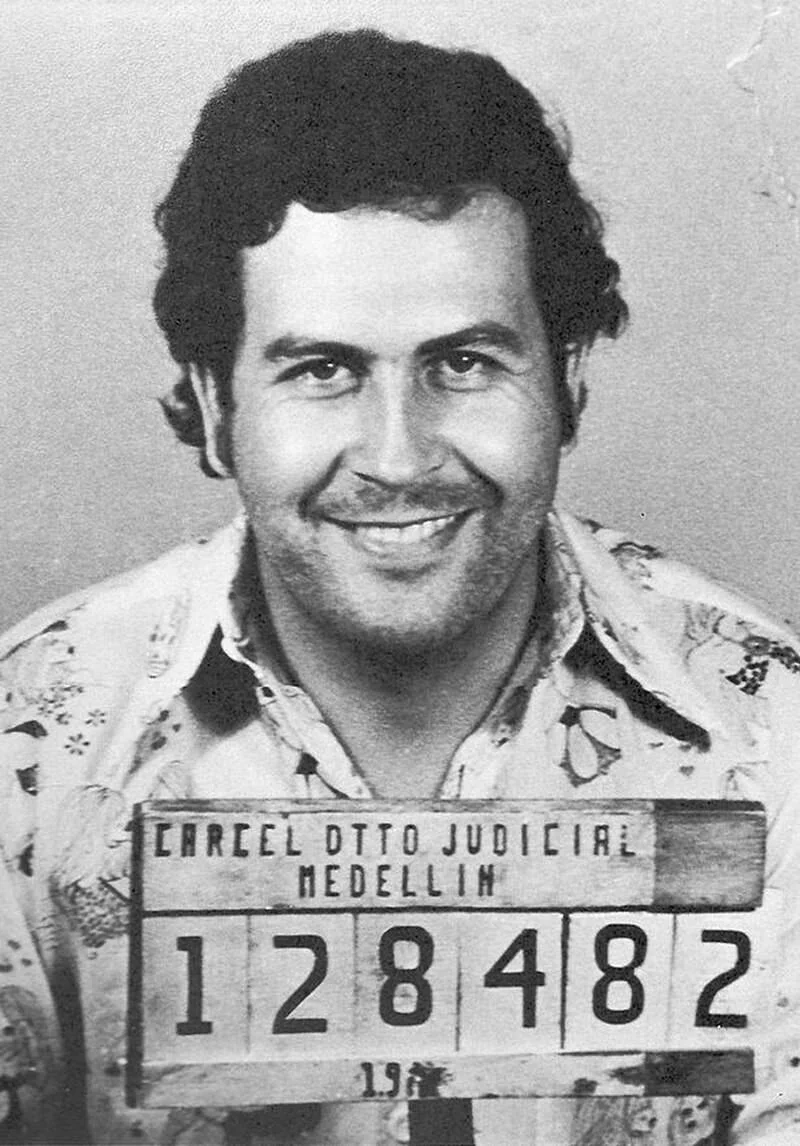
Pablo Escobar
Born01 Dec, 1949
Died02 Dec, 1993
NationalityColombian
Age at time of death44
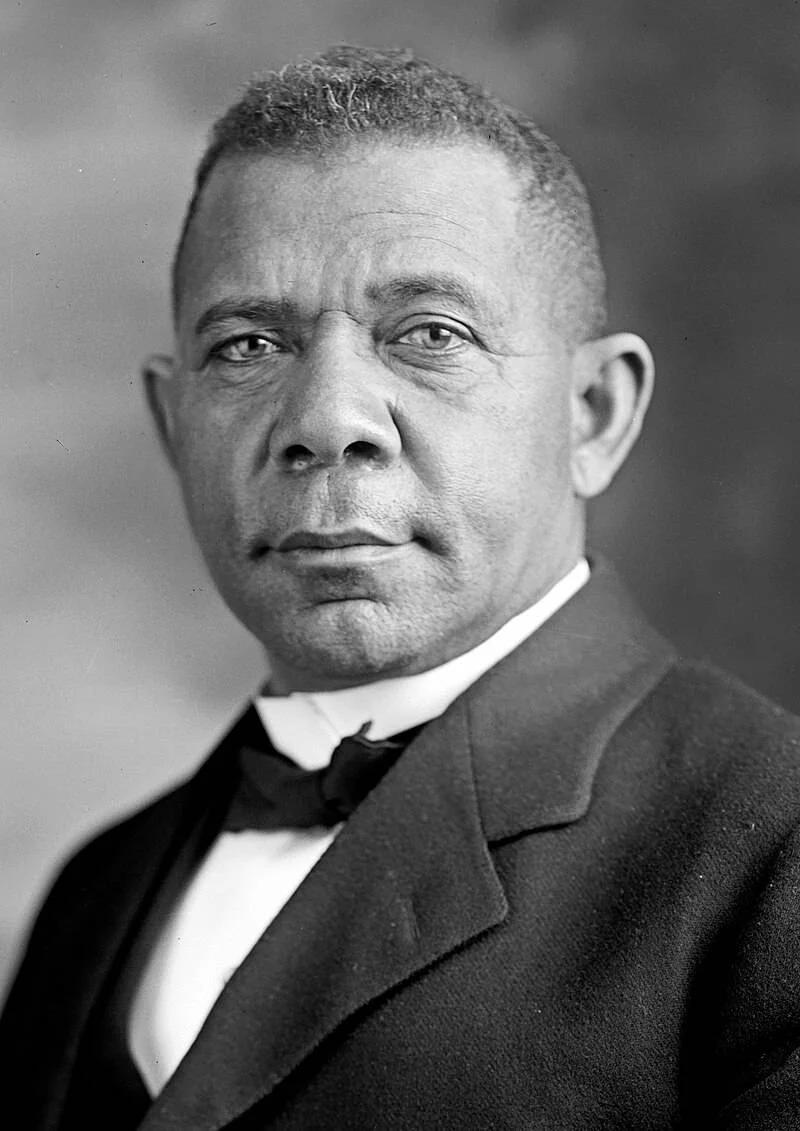
Booker T. Washington
Born05 Apr, 1856
Died14 Nov, 1915
NationalityAmerican
Age at time of death59
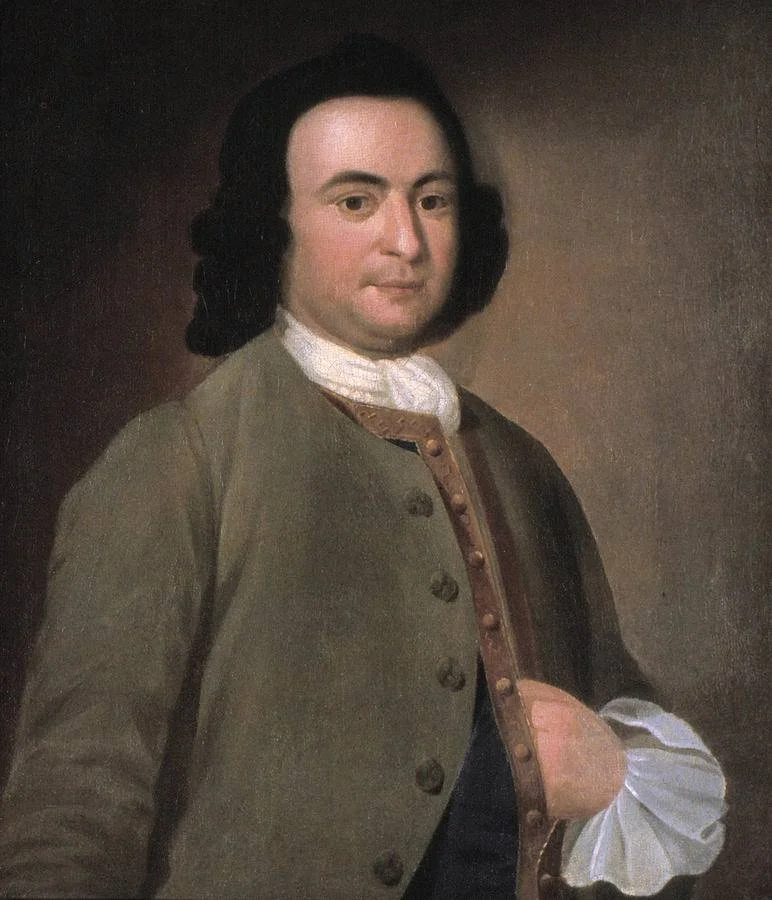
George Mason
Born11 Dec, 1725
Died07 Oct, 1792
NationalityAmerican, British
Age at time of death66
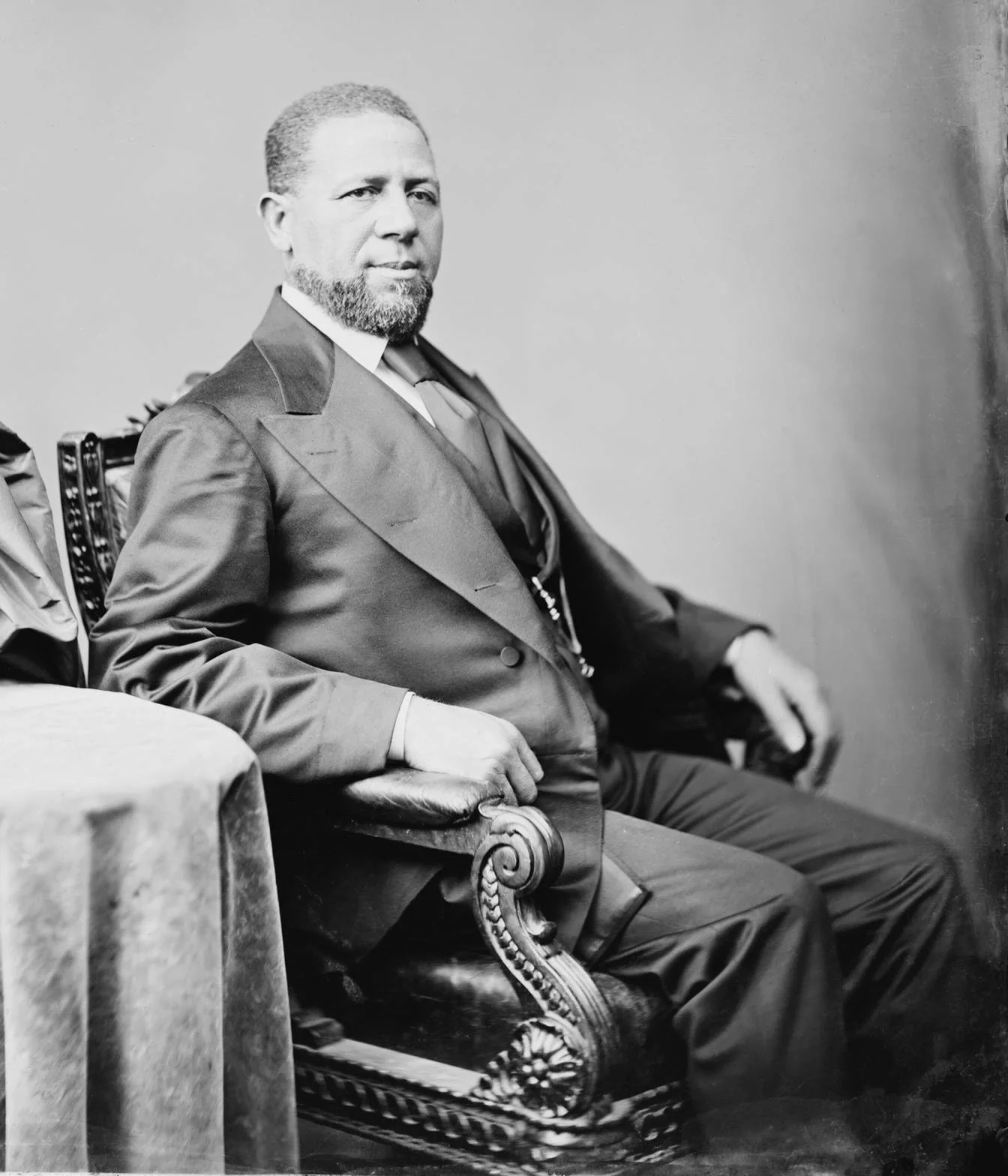
Hiram R. Revels
Born27 Sep, 1827
Died16 Jan, 1901
NationalityAmerican
Age at time of death73
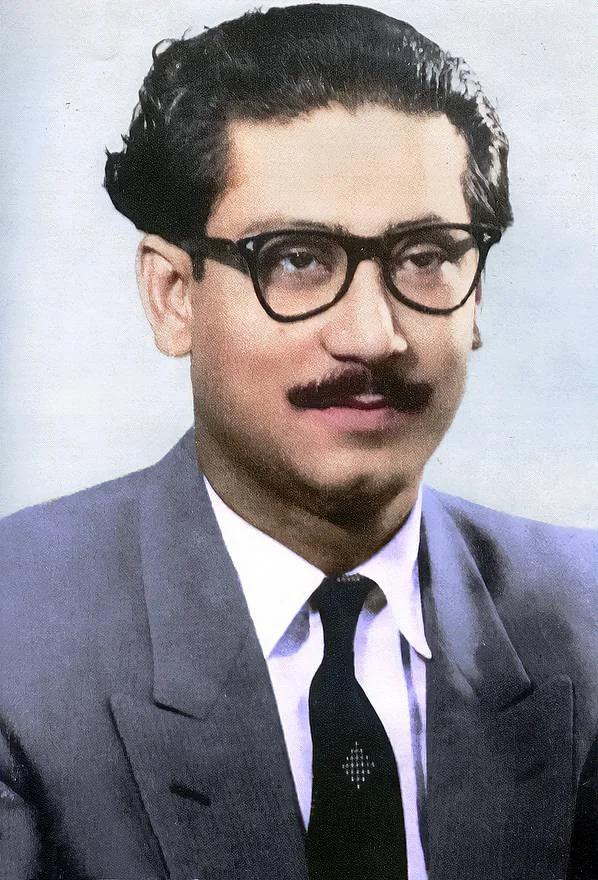
Sheikh Mujibur Rahman
Born17 Mar, 1920
Died15 Aug, 1975
NationalityIndian, Pakistani, Bangladeshi
Age at time of death55
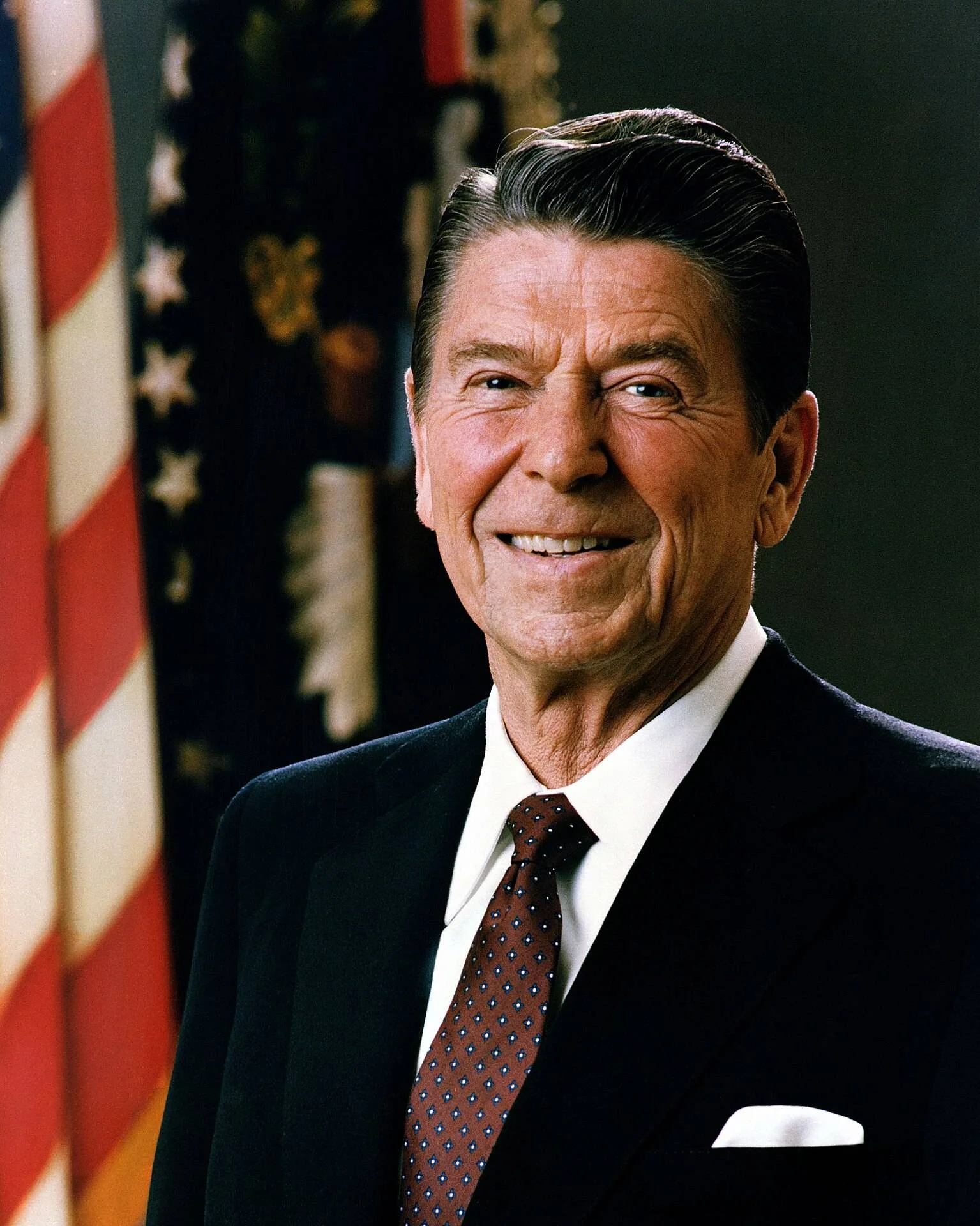
Ronald Reagan
Born06 Feb, 1911
Died05 Jun, 2004
NationalityAmerican
Age at time of death93
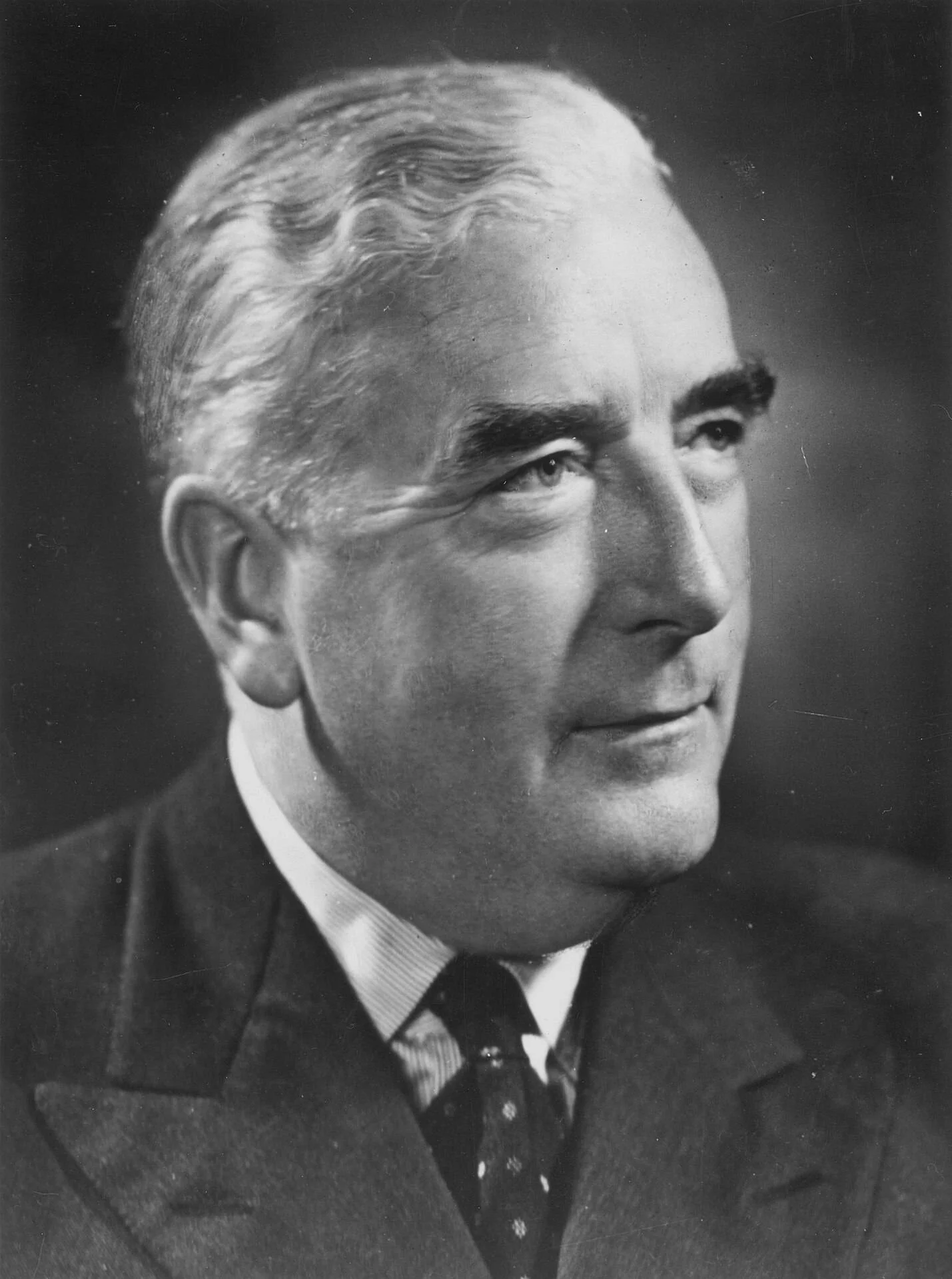
Robert Menzies
Born20 Dec, 1894
Died15 May, 1978
NationalityAustralian
Age at time of death83