Real Celebrities Never Die!
OR
Search For Past Celebrities Whose Birthday You Share
Died Age: 78
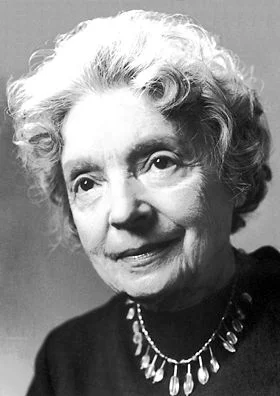
source:.wikipedia.org
Leonie Nelly Sachs
Birthday:
10 Dec, 1891
Date of Death:
12 May, 1970
Cause of death:
Natural causes
Nationality:
German, Swedish
Famous As:
Playwright
Age at the time of death:
78
Nelly Sachs's Quote's

“My wounds are not visible, but they shine”
Nelly Sachs
🔗 deadcelebrityhub.com
Nelly Sachs: Poet and Playwright
Nelly Sachs (1891–1970) was a German-Swedish poet, playwright and Nobel laureate whose work explores themes of suffering, exile, and spiritual redemption. She grew up in a Jewish family in Berlin, surviving the horrors of the Holocaust in exile.
Early Life and Artistic Inclinations
Nelly Sachs was born on December 10, 1891, in Schöneberg, Berlin to the comforts of a Jewish family of manufacturers. Her father endorsed her artistic inclinations. Early on, Sachs was attracted to literature, music, and dance; indeed, she wrote her first poems as a child. Her predilections were undergirded by a mix of German Romanticism and the mystical traditions of Judaism, and thus a good deal of her early writing dealt with such matters as love and nature.
Exile and the Holocaust
As the Nazi regime was rising within Germany in the 1930s, the nature of Sachs’s life drastically shifted. She and her mother experienced increased persecution due to their Jewish background. In 1940, once deportation became a serious threat, Sachs fled Germany on a visa, thanks to support from Swedish writer Selma Lagerlöf, who smoothed her way to Stockholm, Sweden.
This probably saved her life, as most of her friends and relatives died in concentration camps. The remaining years of her life were spent in Sweden. She lived in a nondescript apartment with her mother and never left Sweden again. Exile meant security and loneliness at the same time. She studied Swedish to become a translator, but her poetry became her refuge from the trauma of the Holocaust, as well as the means of communicating it. In exile, she renounced her earlier style of writing and started with the concerns of suffering, displacement, and the spiritual struggle of her people.
Poetry and Themes of Suffering
Her poetry used haunting imagery and a lyrical, almost mystical style. Collections such as In the Habitations of Death (1947) and Flight and Metamorphosis (1959) testify to the Holocaust atrocities while pursuing a way toward healing and transcendence. Nematallah’s works combined Jewish mysticism with universal human experiences, addressing questions on grief, memory, and the strength of the human spirit.
Nobel Prize in Literature
In 1966, Sachs was awarded the Nobel Prize in Literature, together with Israeli writer Shmuel Yosef Agnon. The committee described her work as “outstanding lyrical and dramatic writing, which interprets Israel’s destiny with touching strength.” This fame, however, only led to further mental health issues as she had visions of the Holocaust and people she knew and loved. During her later years, Sachs spent some time in psychiatric care.
Death and Legacy
Nelly Sachs died on May 12, 1970, in Stockholm, Sweden, at the age of 78. She remains one of the most profound voices in post-Holocaust literature, a poet whose words offer a bridge between unthinkable loss and the enduring hope for redemption. Her legacy endures as a testament to the power of art to confront and transcend human suffering.
Profile Snapshot
Name:
Nelly Sachs
Popular Name:
Leonie Nelly Sachs
Gender:
Female
Cause of Death:
Natural causes
Spouse:
Unmarried
Place of Birth:
Schöneberg, Berlin, German Empire
Place of Death:
Stockholm, Sweden
Occupation / Profession:
Playwright
Poet
Personality Type
Nelly Sachs's Interesting Facts
Many of her poems are meditations on Jewish suffering during the Holocaust.
She narrowly escaped Nazi persecution, fleeing to Sweden with her mother in 1940, thanks to the help of Selma Lagerlöf.
She often collaborated with composers, and her works were set to music.
She suffered from mental health challenges, including periods of hospitalization.
Achievements & Awards
Membership in the Swedish Academy (honorary)
Nobel Prize in Literature (1966)
Peace Prize of the German Book Trade (1965)
External Links
Latest Profiles
People also viewed
Samuel Beckett
Born13 Apr, 1906
Died22 Dec, 1989
NationalityIrish
Age at time of death83
Alexandre Dumas
Born24 Jul, 1802
Died05 Dec, 1870
NationalityFrench
Age at time of death68
Rabindranath Tagore
Born07 May, 1861
Died08 Aug, 1941
NationalityIndian
Age at time of death80
George Trow
Born28 Sep, 1943
Died24 Nov, 2006
NationalityAmerican
Age at time of death63
Joyce Kilmer
Born06 Dec, 1886
Died30 Jul, 1918
NationalityAmerican
Age at time of death31
Jim Morrison
Born08 Dec, 1943
Died03 Jul, 1971
NationalityAmerican
Age at time of death27
Guy de Maupassant
Born05 Aug, 1850
Died06 Jul, 1893
NationalityFrench
Age at time of death42
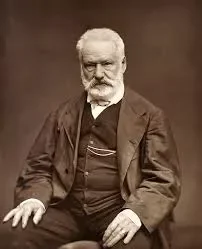
Victor Hugo
Born26 Feb, 1802
Died22 May, 1885
NationalityFrench
Age at time of death83
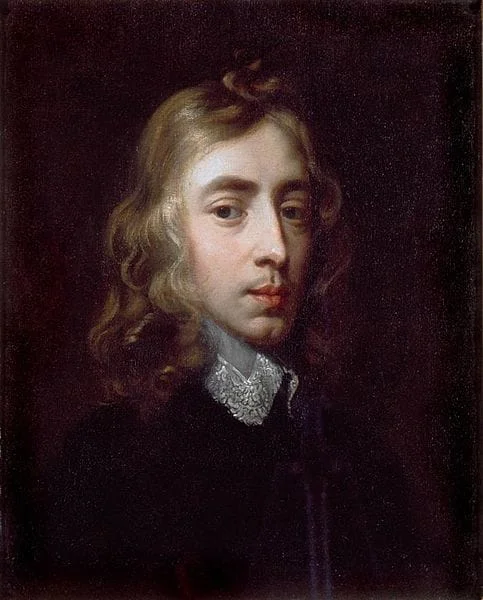
John Milton
Born09 Dec, 1608
Died08 Nov, 1674
NationalityEnglish
Age at time of death65
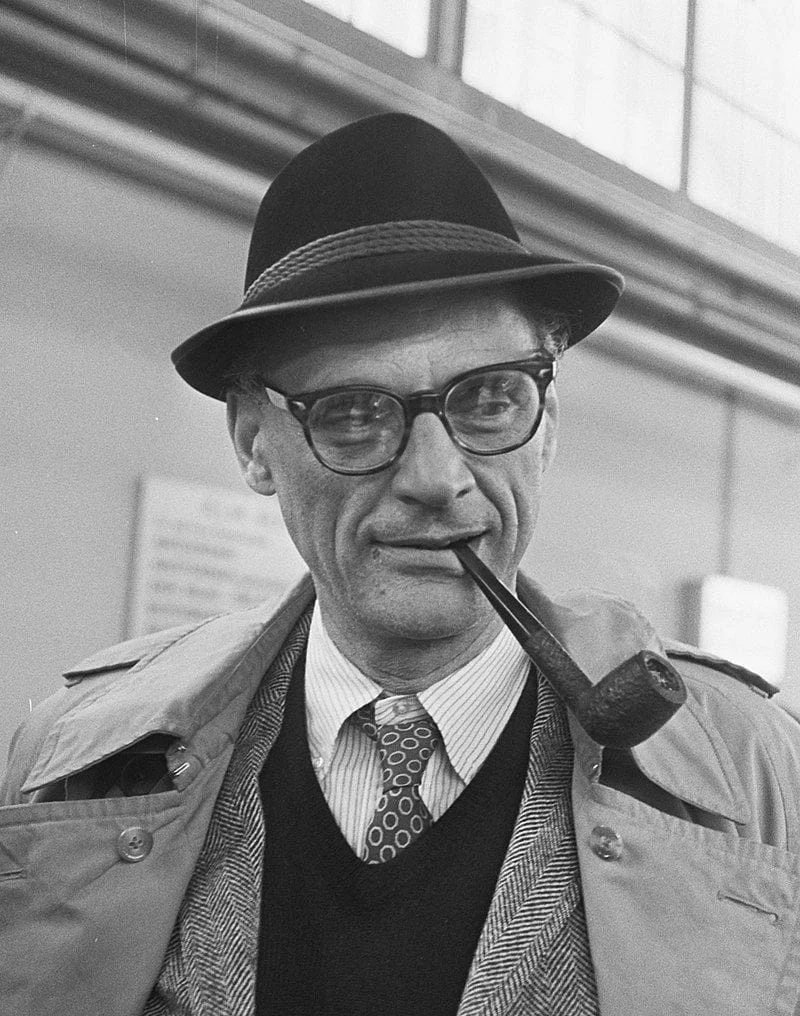
Arthur Miller
Born17 Oct, 1915
Died10 Feb, 2005
NationalityAmerican
Age at time of death89
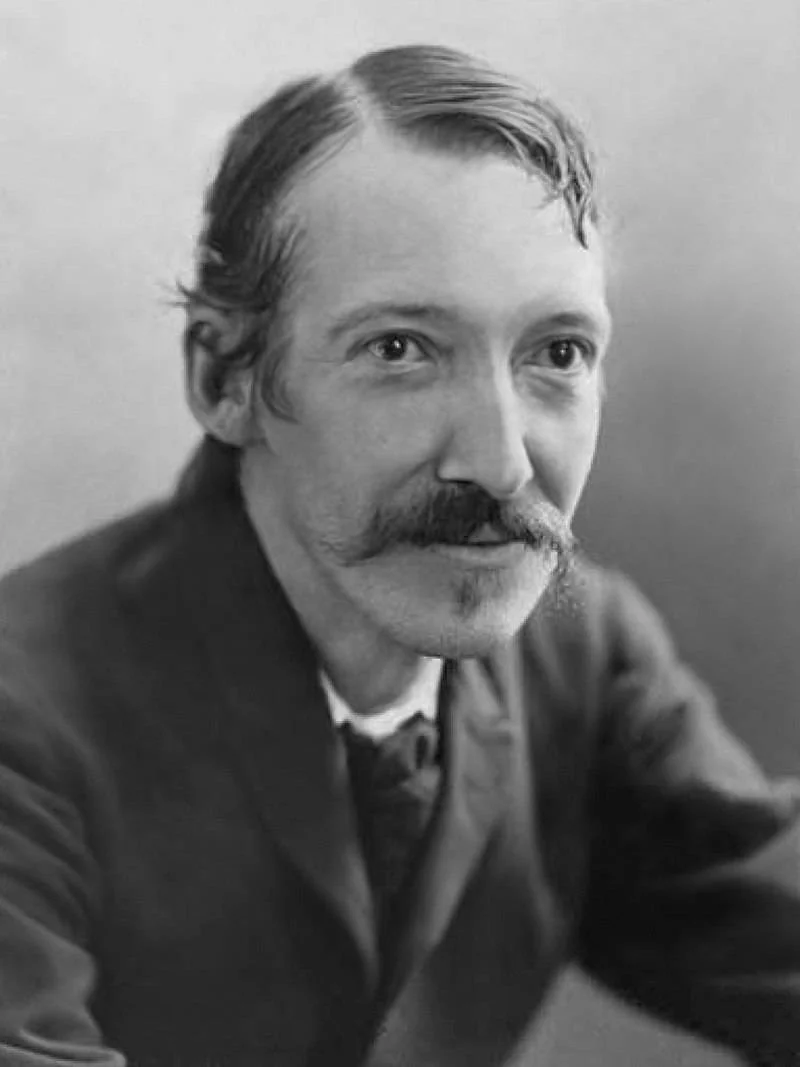
Robert Louis Steveson
Born13 Nov, 1850
Died03 Dec, 1894
NationalityBritish, Scotland
Age at time of death44
Enid Blyton
Born11 Aug, 1897
Died28 Nov, 1968
NationalityBritish
Age at time of death71
J.R.R. Tolkien
Born03 Jan, 1892
Died02 Sep, 1973
NationalityBritish
Age at time of death81
Fay Weldon
Born22 Sep, 1931
Died04 Jan, 2023
NationalityBritish
Age at time of death91
Henry David Thoreau
Born12 Jul, 1817
Died06 May, 1862
NationalityAmerican
Age at time of death44
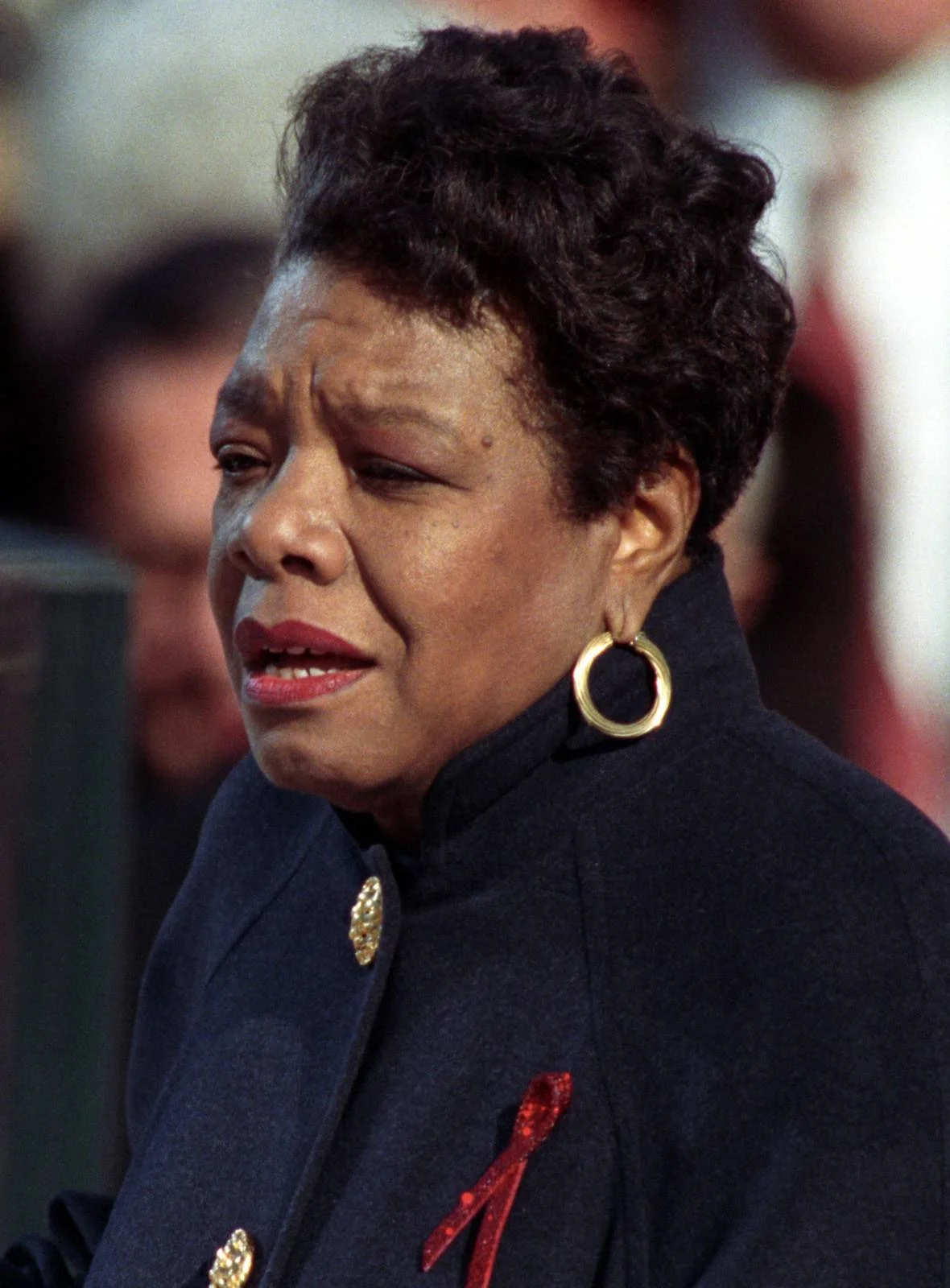
Maya Angelou
Born04 Apr, 1928
Died28 May, 2014
NationalityAmerican
Age at time of death86
Zoe Akins
Born30 Oct, 1886
Died29 Oct, 1958
NationalityAmerican
Age at time of death71
Lascelles Abercrombie
Born09 Jan, 1881
Died27 Oct, 1938
NationalityBritish
Age at time of death57
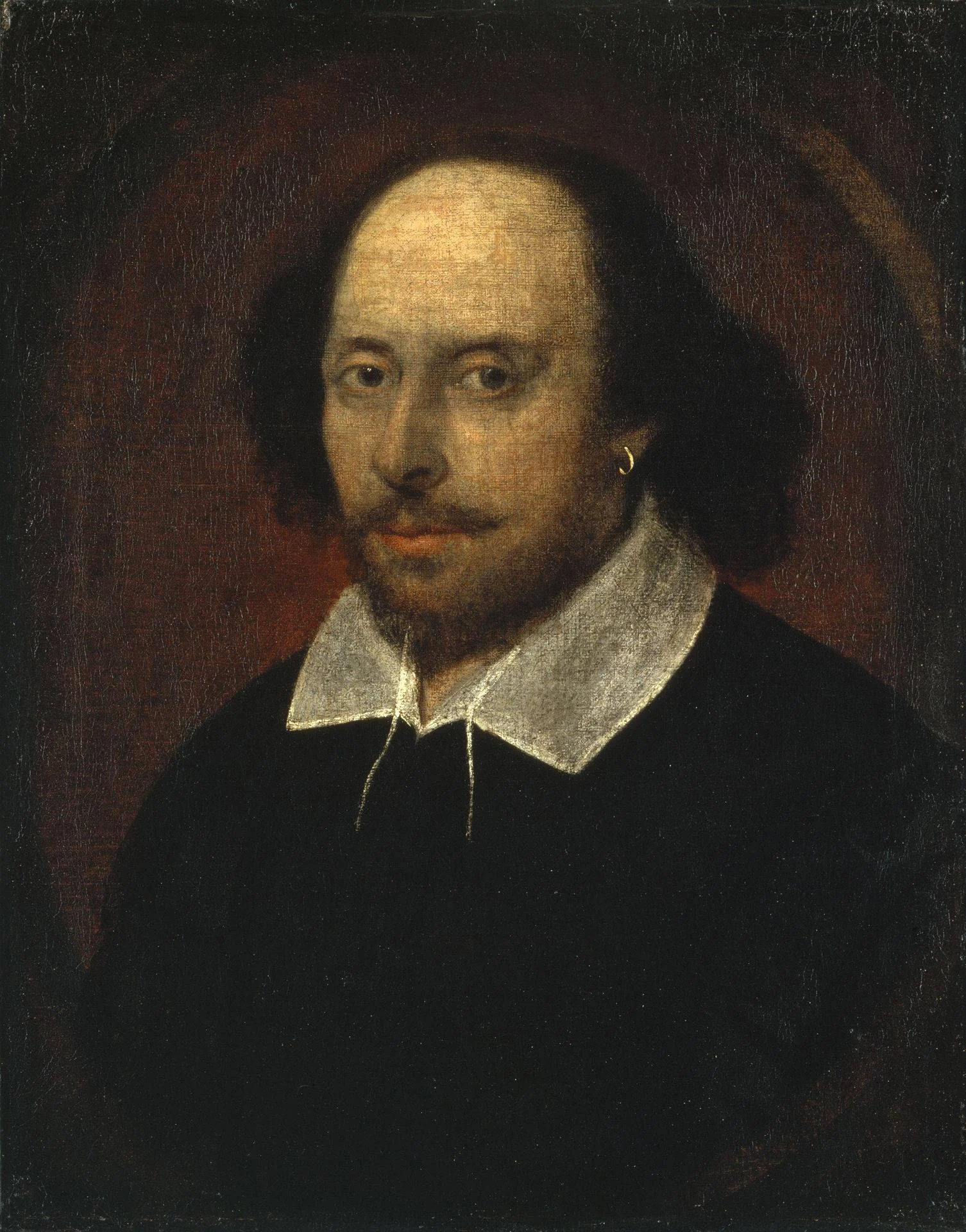
William Shakespeare
Born23 Apr, 1564
Died23 Apr, 1616
NationalityBritish
Age at time of death52