Real Celebrities Never Die!
Enter your birthday to meet your past celebrity birthday twins.
OR
Died Age: 77
facts.net
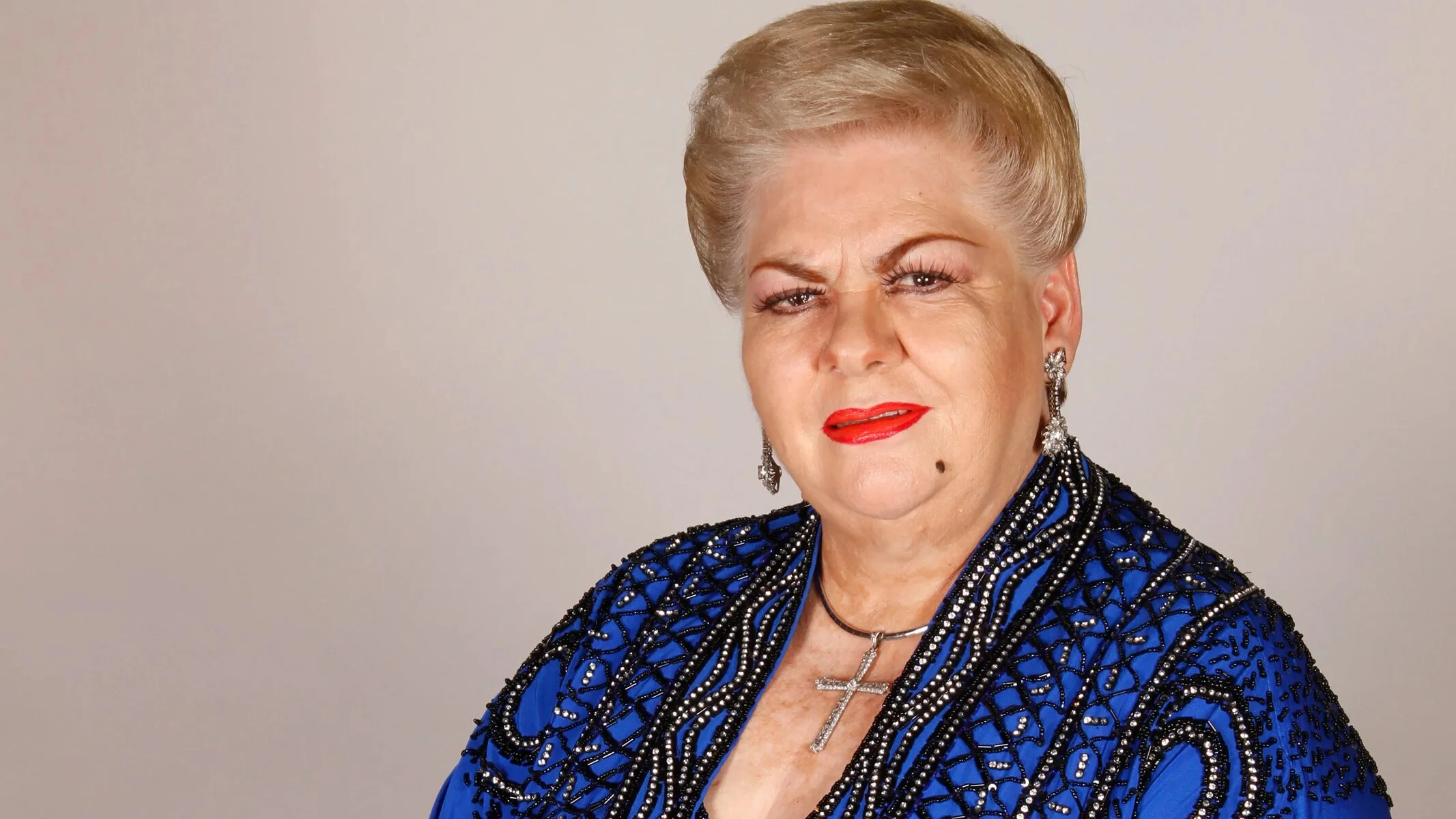
Paquita la del Barrio
Birthday:
02 Apr, 1947
Date of Death:
17 Feb, 2025
Cause of death:
Heart Attack
Nationality:
Mexican
Famous As:
Mexican singer
Age at the time of death:
77
Francisca Viveros Barradas's Quote's

“Women aren’t stupid, we just pretend to be.”
Francisca Viveros Barradas
🔗 deadcelebrityhub.com
Early Life: From Veracruz Dust to Stardust
With a sharp tongue, an unflinching gaze, and the unforgettable refrain “¿Me estás oyendo, inútil?”, Paquita la del Barrio became a feminist icon in a world that didn’t know it needed one. For decades, she stood on stage, unapologetic and fierce, singing for women wronged by machismo and betrayal. More than a ranchera singer, she was—and remains—a cultural reckoning in heels.
Born into poverty, raised on resilience, and forged in personal pain, Paquita’s story is not just about music—it’s about survival, rebellion, and reclaiming power one blistering lyric at a time.
Francisca Viveros Barradas was born on April 2, 1947, in Alto Lucero, Veracruz, Mexico, into a humble family. Her early years were marked by economic hardship and gendered expectations. Raised in a conservative Catholic environment, she was taught to be dutiful and soft-spoken—qualities that would later become antithetical to her persona.
Music, however, was always within her. Inspired by classic ranchera singers and local folk songs, young Francisca often sang at family gatherings, her voice betraying the fire behind her gentle demeanor.
But life was not kind early on. At just 15, she married a man more than twice her age—an abusive relationship that scarred her but also ignited a lifelong passion for speaking out against misogyny.
Trivia: The name “Paquita la del Barrio” (Paquita from the Neighborhood) came from a local announcer who introduced her at a small-town radio station, a nod to her deep connection to everyday women.
Education: Learning from the School of Life
Paquita did not have the privilege of formal higher education. Instead, her school was life itself. She learned the weight of betrayal, the silence of marginalized women, and the unspoken rules of a patriarchal society that punished female anger. These lessons would later become her lyrical weapons.
In the absence of academic mentors, she found her education in the voices of ranchera legends like Chavela Vargas and Amalia Mendoza. But where they often sang of longing and heartbreak, Paquita would sing of revenge, pride, and resistance.
Career Journey: From Local Bars to Global Anthems
Phase 1: Singing for Tips, Singing from the Gut
Paquita began performing in local cantinas and town festivals in the 1970s, often paid in coins or food. Her songs—delivered with cutting sarcasm and deep emotional resonance—struck a chord with women who saw themselves in her rage and resilience.
It wasn’t long before her reputation grew. In 1984, she released her first major album, “El Barrio de los Faroles”, and her bold, take-no-prisoners style quickly caught fire.
Her breakout hit, “Rata de dos patas” ("Two-Legged Rat"), became a scathing anthem directed at deceitful men. Though controversial, it resonated powerfully, especially among women who had never before heard their pain spoken so boldly.
Fun Fact: Paquita once performed “Rata de dos patas” in front of Mexican President Enrique Peña Nieto—without changing a word.
Phase 2: Icon Status and Cultural Impact
Through the 1990s and 2000s, Paquita evolved into a living legend. She recorded dozens of albums, sold out shows across Latin America and the U.S., and became a household name. Yet, she never strayed far from her mission: to defend women through song.
Her music often tackled domestic abuse, cheating, poverty, and double standards—all wrapped in the traditional sound of ranchera and bolero, with a distinctly feminist twist.
She refused to conform to the glamorized, sexualized image of female pop stars. Paquita wore her age, her body, and her story with pride. Her stage presence—arms crossed, brows furrowed, fire in her voice—became iconic.
Personal Life: Pain, Privacy, and Power
Behind the fierce persona was a woman who had lived through heartbreak and found catharsis in art. Paquita’s first marriage ended when she discovered her husband had another family. It devastated her—but also defined her public voice.
She never remarried but became a devoted caretaker for her sister, nieces, and extended family. Her fans became a kind of surrogate family—especially the women who saw her as a champion of their pain.
Paquita also became known for her surprising tenderness with animals. She owns multiple dogs and once canceled a performance to care for an injured pet.
Legacy: The Feminist Fury in a Ranchera Legend
Paquita la del Barrio is more than her hits—she is a movement. Long before feminism was a buzzword in Latin America, she was embodying it with every lyric, every glare, every refusal to be silenced.
Though she faced criticism—sometimes even from feminists—for her harsh language, her legacy is undeniably one of empowerment. She gave voice to millions of women silenced by shame, fear, or culture. Her music created a safe space to cry, laugh, rage, and remember that no one is alone in heartbreak.
She has been honored with countless awards, tributes, and even a television biopic about her life (Paquita la del Barrio, 2017). Even into her seventies, she continued performing, unwavering in her mission.
Profile Snapshot
Name:
Francisca Viveros Barradas
Popular Name:
Paquita la del Barrio
Gender:
Female
Cause of Death:
Heart Attack
Spouse:
Miguel Gerardo
Alfonso Martínez
Place of Birth:
Alto Lucero, Veracruz, Mexico
Place of Death:
Xalapa, Veracruz, Mexico
Occupation / Profession:
Mexican singer
Personality Type
Executive Excellent administrators, unsurpassed at managing things – or people. Paquita la del Barrio was a fearless and principled advocate who steered her artistry with bold conviction, organized delivery, and a steadfast commitment to giving voice to women’s truths.
Francisca Viveros Barradas's Interesting Facts
Despite not having formal music training, she became a feminist icon in Latin music with her bold, anti-misogynistic lyrics.
Her real name is Francisca Viveros Barradas, and she started her singing career in the 1970s performing in small Mexico City venues.
In 2021, she ran for political office in Mexico with the Citizens’ Movement party, showing she’s fearless both on and off stage.
Paquita la del Barrio is famous for her fiery songs that call out macho men, often using the phrase “¿Me estás oyendo, inútil?” (“Are you listening, you useless man?”).
Achievements & Awards
Paquita la del Barrio has received numerous accolades for her impact on Mexican music, especially for her empowering songs addressing gender inequality. In 2016, she was honored with the Billboard Lifetime Achievement Award for her decades-long contribution to regional Mexican music. She’s also been recognized by Premios Lo Nuestro and other Latin music institutions for her cultural influence and bold lyrical style.
External Links