Real Celebrities Never Die!
OR
Search For Past Celebrities Whose Birthday You Share
Died Age: 42
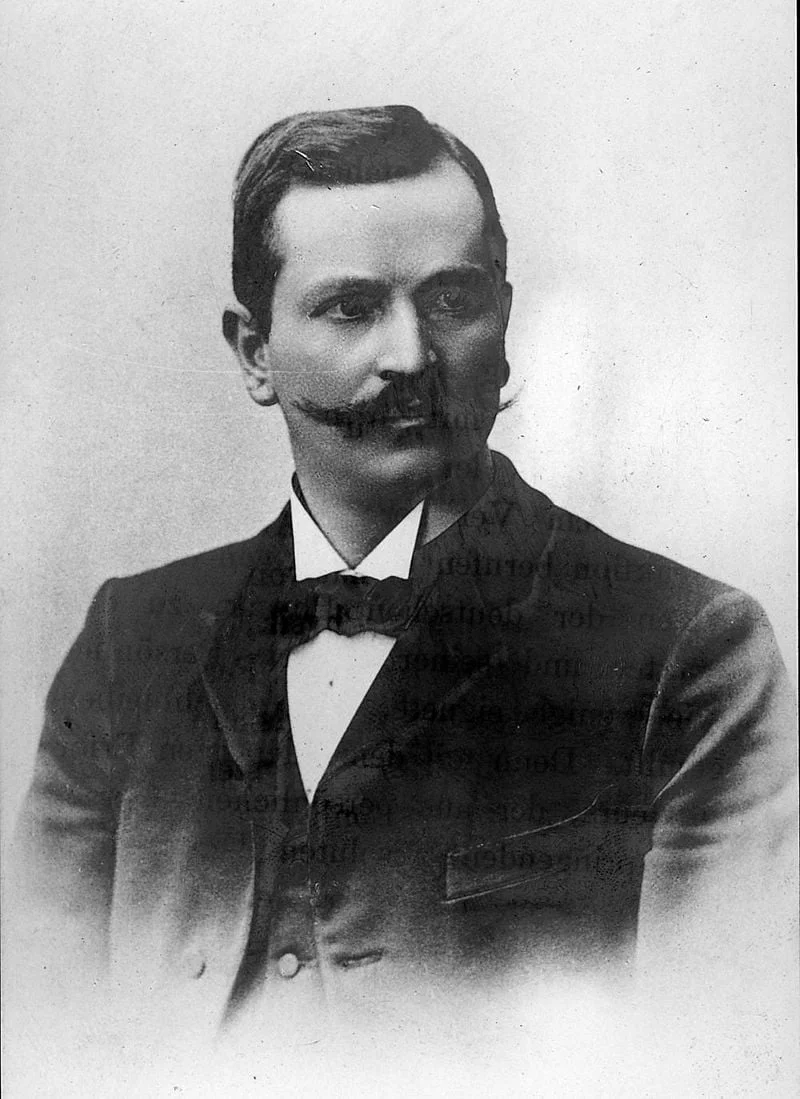
source:wikipedia.org
Paul Drude
Birthday:
12 Jul, 1863
Date of Death:
05 Jul, 1906
Cause of death:
Suicide
Nationality:
German
Famous As:
Physicist
Age at the time of death:
42
Paul Drude's Quote's

“Science progresses not only through grand discoveries, but also through the careful building blocks of research and experimentation.”
Paul Drude
🔗 deadcelebrityhub.com
Early Life and Interest in Science
Paul Drude was born on July 12, 1863, in Braunschweig, Germany. He was famous for his work in optics and electromagnetic theory. He was the son of a physician, and he showed a keen interest in science from a very early age. He was often found doing experiments and examining the world around him.
Education and Academic Excellence
As a child, Drude attended local schools in Braunschweig. Drude’s passion for studying and his extraordinary intellect were acknowledged by everyone. He was an expert in Mathematics and Physics, and his teachers were impressed by his profound knowledge of complicated concepts.
Shift from Mathematics to Physics
Following his initial schooling, Paul Drude initially pursued Mathematics at universities in Göttingen, Freiburg, and Berlin. Then, his interest shifted to the field of Physics. He wrote his doctoral thesis under the direction from Woldemar Voigt. The dissertation focused on the complicated ideas of reflection and diffraction of light within crystals. Drude’s early interest in optics can be observed in this research.
Research Career and Contributions to Optics
After completing the doctorate degree in Physics, he began his work as a researcher. Although he did research in many disciplines, it was his research in optics that attracted the most attention. Drude made major advances in the understanding of the behavior of light, especially its interactions with different materials.
Personal Life and Academic Appointments
In 1894, Paul Drude married Emilie Regelsberger, daughter of a lawyer. They had four children. That same year he secured a position as a professor (extraordinarius) at the University of Leipzig. Later, he was appointed as a full professor (ordinarius) at the University of Giessen.
The Drude Model
One of Drude’s most significant contributions to science is the Drude model. Proposed in 1900, this model attempted to explain how electricity conducts in materials, particularly metals. This model had limitations due to incomplete understanding of atoms at the time. But it paved the way for further research in electrical conductivity.
Editor of Annalen der Physik
In 1900 he became the editor of Annalen der Physik, a highly respected physics journal. His reputation as a leading physicist grew further with this new responsibility. He published a textbook “The Theory of Optics” in 1900, which is considered his legacy work. In this text, he tried integrating James Clerk Maxwell’s revolutionary theories of electromagnetism with the field of optics. This unification provided a deeper understanding of light and its interaction with matter.
Legacy and Untimely Death
Drude’s dedication to science continued even after that. He made significant advancements in the study of optics. His research not only improved the theoretical framework of optics but also held practical applications in diverse fields. On July 5, 1906, at the young age of 42, Paul Drude committed suicide. It was a loss that left a significant void in the scientific community.
Profile Snapshot
Name:
Paul Drude
Popular Name:
Paul Drude
Gender:
Male
Cause of Death:
Suicide
Spouse:
Emilie Regelsberger
Place of Birth:
Braunschweig, Duchy of Brunswick
Place of Death:
Berlin, Province of Brandenburg
Occupation / Profession:
Physicist
Personality Type
Logician: Innovative inventors with an unquenchable thirst for knowledge. He had an insatiable hunger for knowledge.
Paul Drude's Interesting Facts
Drude's textbook on optics remained a key reference for decades, influencing generations of physicists and engineers.
He became editor of a prestigious physics journal at the young age of 37, showcasing his immense respect within the scientific community.
He was a strong advocate for international collaboration in scientific research, believing that sharing knowledge was essential for progress.
Paul Drudes's work in optics laid the foundation for the development of modern optical instruments, including microscopes and telescopes.
Achievements & Awards
He was responsible for introducing the symbol “c” for the speed of light in a perfect vacuum.
The crater Drude on the Moon is named after him.
The Paul-Drude-Institut für Festkörperelektronik, in Berlin, was named in his honor.
Latest Profiles
People also viewed
C. V. Raman
Born07 Nov, 1888
Died21 Nov, 1970
NationalityIndian
Age at time of death82
Eva Crane
Born12 Jun, 1912
Died06 Sep, 2007
NationalityBritish
Age at time of death95

Sally Ride
Born26 May, 1951
Died23 Jul, 2012
NationalityAmerican
Age at time of death61
Lise Meitner
Born07 Nov, 1878
Died27 Oct, 1968
NationalityAustrian, Swedish
Age at time of death89
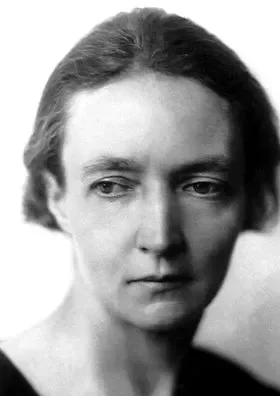
Irène Joliot-Curie
Born12 Sep, 1897
Died17 Mar, 1956
NationalityFrench
Age at time of death58

Xie Xide
Born19 Mar, 1921
Died04 Mar, 2000
NationalityChinese
Age at time of death78
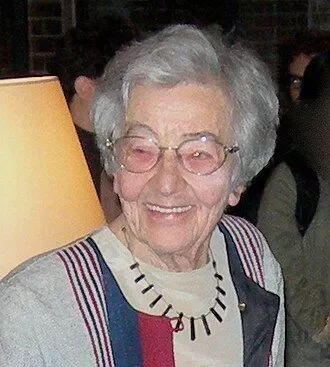
Ursula Franklin
Born16 Sep, 1921
Died22 Jul, 2016
NationalityGerman, Canadian
Age at time of death94
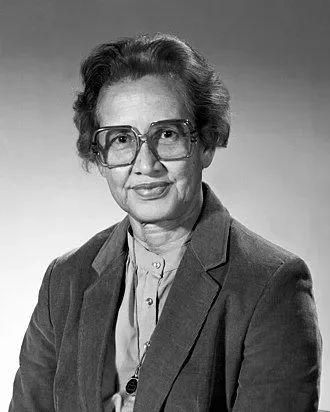
Katherine Johnson
Born26 Aug, 1918
Died24 Feb, 2020
NationalityAmerican
Age at time of death101
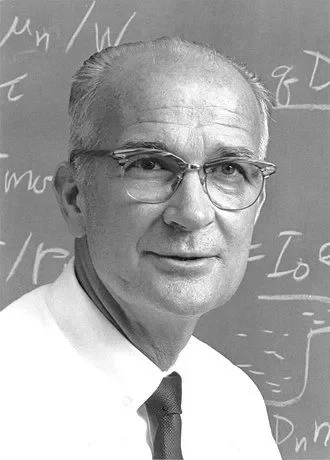
William Shockley
Born13 Feb, 1910
Died12 Aug, 1989
NationalityAmerican
Age at time of death79
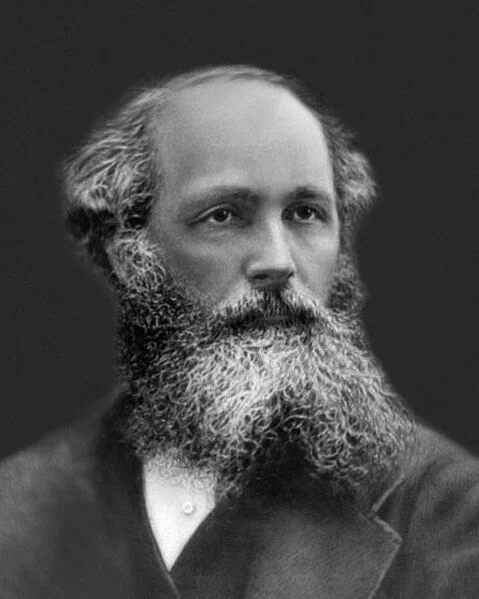
James Clerk Maxwell
Born13 Jun, 1831
Died05 Nov, 1879
NationalityScottish
Age at time of death48
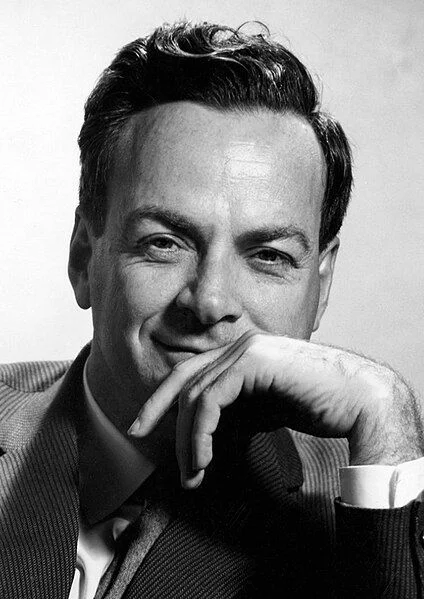
Richard Feynman
Born11 May, 1918
Died15 Feb, 1988
NationalityAmerican
Age at time of death69
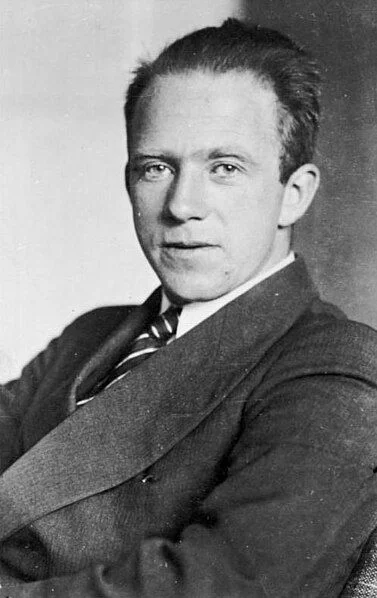
Werner Heisenberg
Born05 Dec, 1901
Died01 Feb, 1976
NationalityGerman
Age at time of death74
Marie Curie
Born07 Nov, 1867
Died04 Jul, 1934
NationalityPolish, French
Age at time of death66
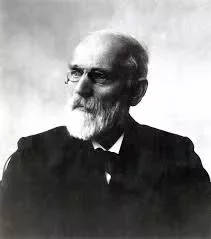
Johannes Diderik van der Waals
Born23 Nov, 1837
Died08 Mar, 1923
NationalityDutch
Age at time of death85
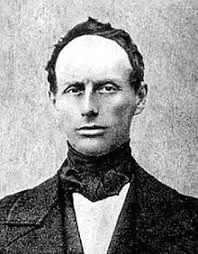
Christian Doppler
Born29 Nov, 1803
Died17 Mar, 1853
NationalityAustrian
Age at time of death49
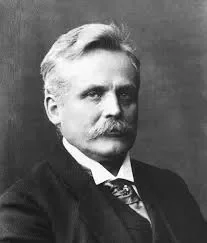
Wilhelm Wien
Born13 Jan, 1864
Died30 Aug, 1928
NationalityGerman
Age at time of death64
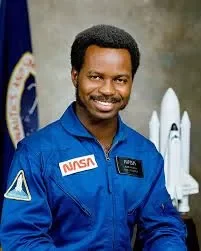
Ronald McNair
Born21 Oct, 1950
Died28 Jan, 1986
NationalityAmerican
Age at time of death35
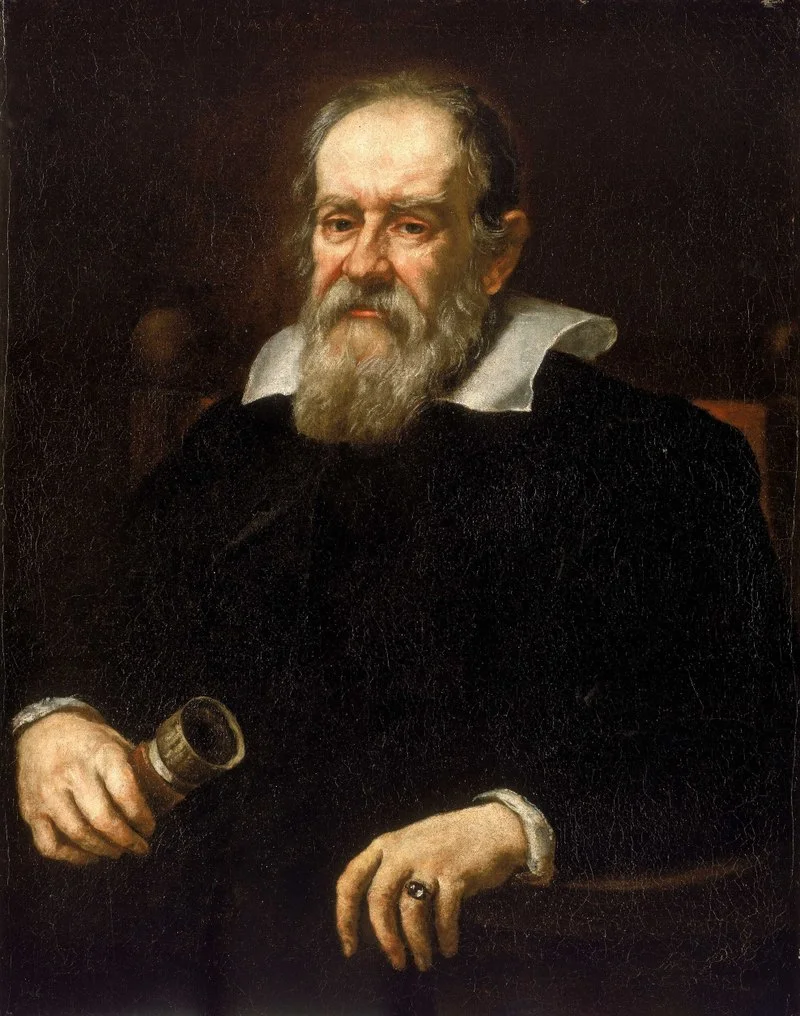
Galileo Galilei
Born15 Feb, 1564
Died08 Jan, 1642
NationalityItalian
Age at time of death77
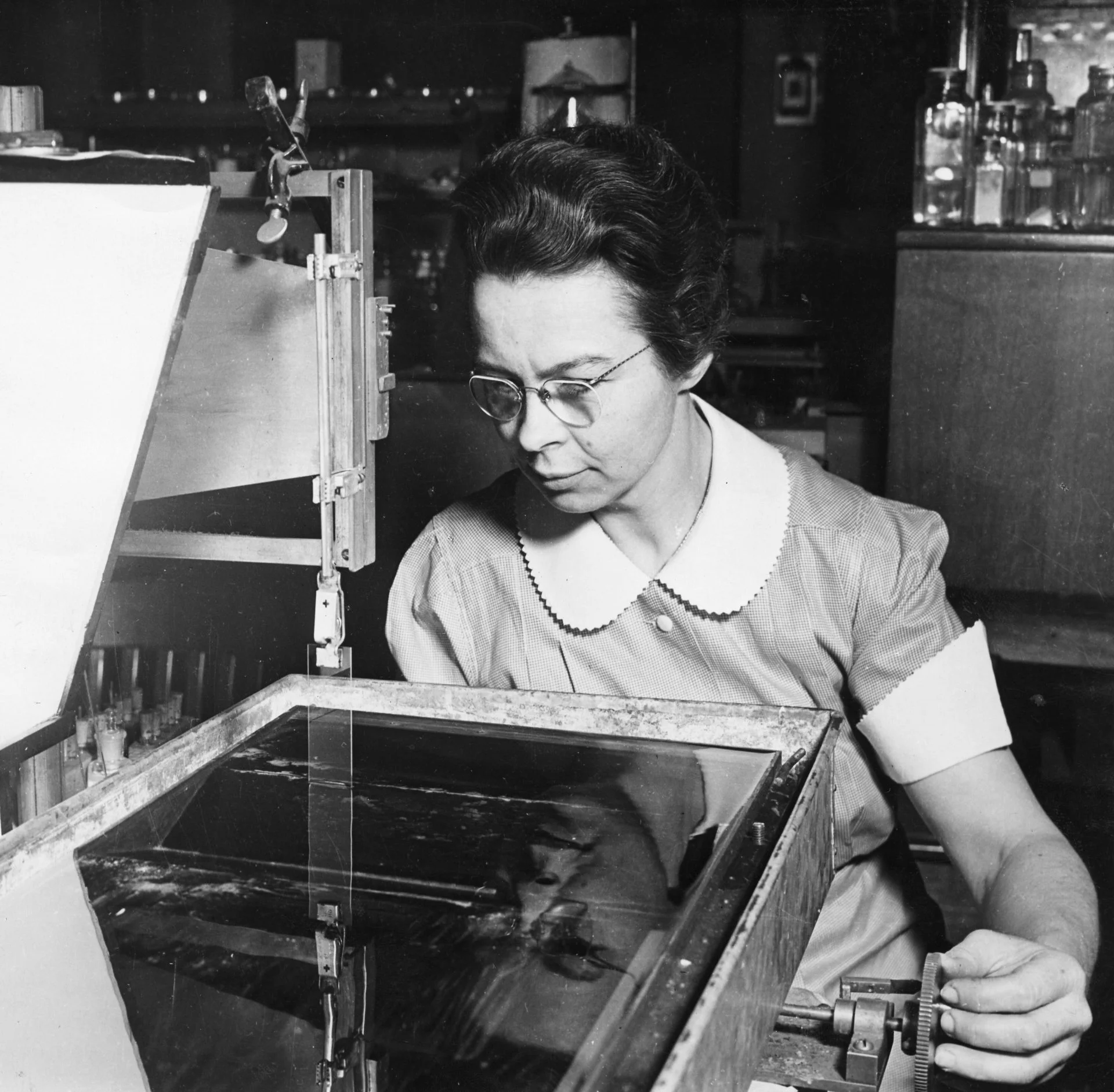
Katharine Burr Blodgett
Born10 Jan, 1898
Died12 Oct, 1979
NationalityAmerican
Age at time of death81
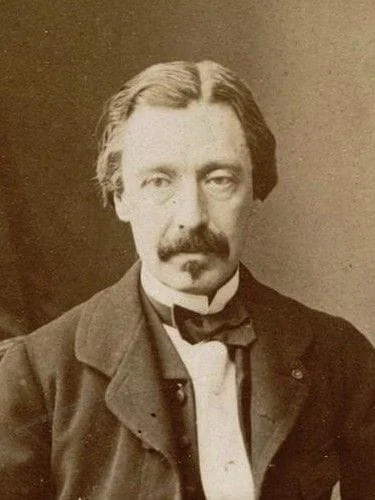
Léon Foucault
Born18 Sep, 1819
Died11 Feb, 1868
NationalityFrench
Age at time of death48