Real Celebrities Never Die!
Enter your birthday to meet your past celebrity birthday twins.
OR
Died Age: 74
thecardinalfacts.com
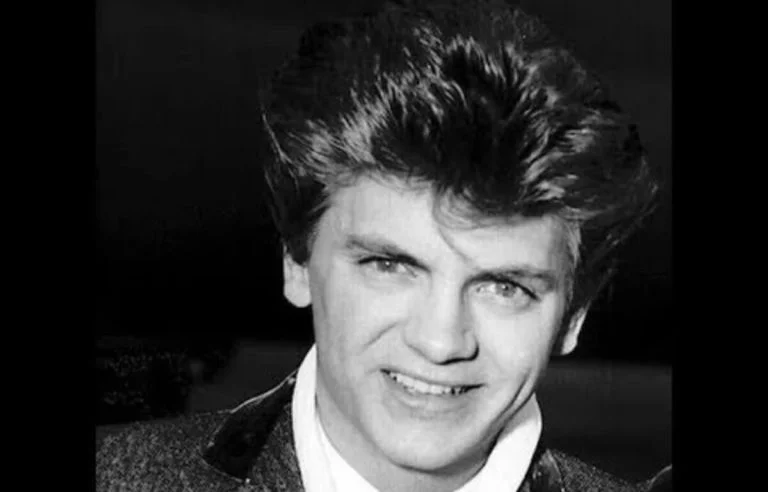
Phil Everly
Birthday:
19 Jan, 1939
Date of Death:
03 Jan, 2014
Cause of death:
Chronic obstructive pulmonary disease
Nationality:
American
Famous As:
American musician
Age at the time of death:
74
Phillip Everly's Quote's

“he music of the Everly Brothers influenced a generation and beyond.”
Phillip Everly
🔗 deadcelebrityhub.com
Early Life: Southern Roots and Family Strings
Phil Everly was more than just a voice—he was half of a harmony that changed the course of popular music. As one half of the Everly Brothers, Phil helped shape the sound of rock and roll with crystalline vocals, heartfelt lyrics, and sibling synergy that inspired everyone from The Beatles to Simon & Garfunkel. His voice—high, aching, and pure—was the kind that could break your heart with a single note. But behind the smooth harmonies was a quiet, driven man whose artistry left an indelible mark on music history.Born Phillip Everly on January 19, 1939, in Chicago, Illinois, Phil spent his formative years in Shenandoah, Iowa, and later Knoxville, Tennessee, in a household steeped in music. His father, Ike Everly, was a coal miner-turned-guitarist who played on local radio, and his mother, Margaret, kept the family rooted. Music was never a hobby in the Everly home—it was the family business.
Phil and his older brother Don were raised on a steady diet of country, Appalachian folk, and early pop. From the start, their voices blended in that uncanny way only siblings can achieve—tight harmonies that felt both instinctive and divine. By the time Phil was a teenager, he was already performing alongside Don on live radio shows.
Trivia: Their father Ike was a mentor to country legend Merle Travis and passed his fingerpicking style down to his sons—a technique that would become a key part of the Everly sound.
Education: Music over the Mainstream
Phil attended high school in Knoxville, where he was more likely to be found strumming a guitar than cracking open a textbook. He later enrolled at Peabody Demonstration School in Nashville, balancing classes with songwriting and recording. Though he dabbled in higher education, his real learning came from the studio and the stage.
What he may have missed in formal schooling, he more than made up for in creative output. From an early age, Phil understood music not just as entertainment, but as expression—something intimate, almost sacred.
Career Journey: The Rise, Reign, and Reinvention
Early Career: Nashville Dreams and First Hits
The Everly Brothers' professional breakthrough came in 1957, when they signed with Cadence Records and released “Bye Bye Love.” The song, which had been rejected by 30 other artists, became a sensation. It reached No. 2 on the Billboard pop chart and launched Phil and Don into stardom.
The hits came in a cascade: “Wake Up Little Susie,” “All I Have to Do Is Dream,” “Bird Dog,” and “Cathy’s Clown.” Their music combined country twang with teenage yearning, and Phil’s high harmony added emotional texture to every track. The Everlys were at once rockabilly rebels and sensitive balladeers.
Trivia: “Cathy’s Clown” was the first No. 1 single released by Warner Bros. Records—and it sold over 8 million copies.
Influence and Innovation
The Everly Brothers were pioneers. Their two-part harmonies would lay the blueprint for countless acts that followed. The Beatles openly credited them as a major influence—John and Paul even practiced Everly tunes to perfect their own harmonies.
Phil, in particular, was known for his delicate vocal phrasing and intuitive ear for melody. He wasn’t flashy, but he was precise—his voice carried both ache and innocence.
Challenges and Separation
By the mid-1960s, the Everly Brothers’ popularity had waned in the U.S., though they remained successful abroad. Struggles with drug use, industry changes, and fraternal tension began to take a toll. In 1973, during a performance at Knott’s Berry Farm in California, Don smashed his guitar and walked offstage, prompting Phil to tell the crowd, “The Everly Brothers died ten years ago.”
For a decade, they didn’t perform together publicly.
Reunion and Later Years
In 1983, the brothers reconciled and staged a triumphant reunion concert at London’s Royal Albert Hall. Their harmonies hadn’t aged a day. They returned to recording, performing, and were inducted into the Rock and Roll Hall of Fame in 1986, as part of the Hall’s very first class.
Phil also recorded solo material and collaborated with artists like Cliff Richard and Warren Zevon. Though he often stood in the shadow of the “Everly Brothers” brand, his individual artistry was deeply respected by peers.
Personal Life: A Quiet, Private Harmony
Phil Everly was known to be the more reserved of the two brothers—gentle, introspective, and media-shy. He married twice and had two sons, and was particularly close with his younger son, Jason, who also pursued music.
Offstage, Phil was a voracious reader, a fan of classic film, and a lover of vintage cars. While Don often courted the spotlight, Phil found peace in the quieter corners of life.
Legacy: The Voice That Shaped a Generation
Phil Everly passed away on January 3, 2014, just shy of his 75th birthday, due to complications from chronic obstructive pulmonary disease (COPD). The music world mourned deeply. Paul McCartney called the Everlys "the best" and credited them for much of The Beatles’ early sound.
Phil’s contribution to music is impossible to overstate. Without his high harmonies, modern pop music would sound very different. He helped bridge the gap between country and rock, innocence and rebellion, heartbreak and harmony.
Conclusion: A Melody That Still Echoes
Phil Everly’s voice was not the loudest, but it was among the most beautiful. In every shimmering harmony, in every aching lyric, he gave listeners a piece of something pure. Alongside his brother, he shaped the emotional vocabulary of rock and roll—and did so with quiet, enduring grace.
His songs still play on jukeboxes and playlists, across generations, undimmed by time. Because while trends fade, harmony is eternal—and no one harmonized quite like Phil Everly.
Profile Snapshot
Name:
Phillip Everly
Popular Name:
Phil Everly
Gender:
Male
Cause of Death:
Chronic obstructive pulmonary disease
Spouse:
Jacqueline Alice Ertel
Patricia Mickey
Patrice Arnold
Place of Birth:
Chicago, Illinois, U.S.
Place of Death:
Burbank, California, U.S.
Occupation / Profession:
American musician
Personality Type
Mediator: Phil Everly was a gentle, introspective, and emotionally expressive artist whose music reflected deep sensitivity, idealism, and a poetic connection to human emotion.
Phillip Everly's Interesting Facts
Phil also pursued solo work and collaborated with artists like Cliff Richard and Warren Zevon, maintaining a respected presence in music beyond the duo.
Phil Everly was one half of the legendary duo The Everly Brothers, whose harmonies influenced artists from The Beatles to Simon & Garfunkel.
The Everly Brothers were among the first ten inductees into the Rock and Roll Hall of Fame in 1986.
With his brother Don, Phil helped popularize hits like “Bye Bye Love,” “All I Have to Do Is Dream,” and “Wake Up Little Susie” in the late 1950s and early '60s.
Achievements & Awards
He also received a Grammy Lifetime Achievement Award with his brother Don, recognizing their lasting influence on rock, pop, and country music.
Phil Everly, one half of the legendary Everly Brothers, was inducted into the Rock and Roll Hall of Fame in 1986 and the Country Music Hall of Fame in 2001.
External Links
Latest Profiles
People also viewed
Rick Derringer
Born05 Aug, 1947
Died26 May, 2025
NationalityAmerican
Age at time of death77
Ace frehley
Born26 Apr, 1951
Died15 Oct, 2025
NationalityAmerican
Age at time of death74