Real Celebrities Never Die!
OR
Search For Past Celebrities Whose Birthday You Share
Died Age: 62
wikipedia.org/
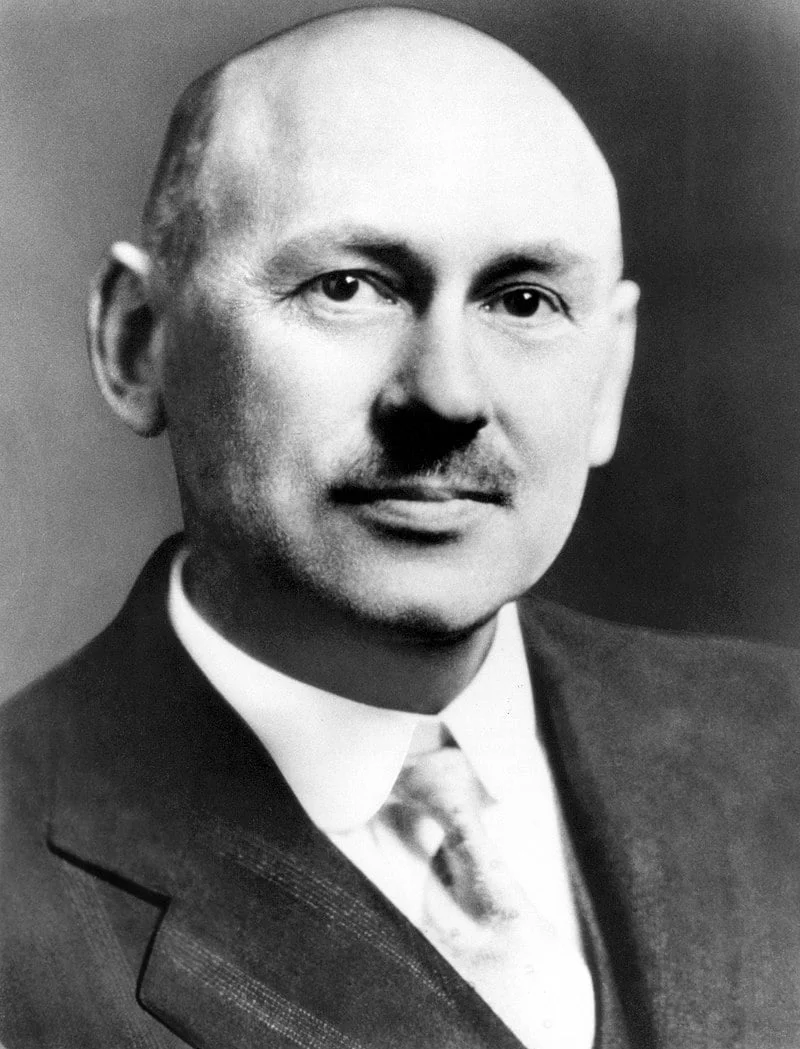
Robert H. Goddard
Birthday:
05 Oct, 1882
Date of Death:
10 Aug, 1945
Cause of death:
Laryngeal cancer
Nationality:
American
Famous As:
Engineer
Age at the time of death:
62
Robert H. Goddard's Quote's

“It is difficult to say what is impossible, for the dream of yesterday is the hope of today and the reality of tomorrow.”
Robert H. Goddard
🔗 deadcelebrityhub.com
Introduction to Robert H. Goddard
Robert H. Goddard was an American physicist and inventor who is widely considered to be the father of modern rocketry. He made significant contributions to the development of liquid-fueled rockets, and his work laid the foundation for the space age.
Early Life and Education
Robert Hutchings Goddard was born in Worcester, Massachusetts on October 5, 1882. He was the only child of Fannie Louise Hoyt and Nahum Danford Goddard, a businessman and inventor.
Academic Background
Robert H. Goddard enrolled at Worcester Polytechnic Institute, where he earned a degree in physics in 1908. He went on to earn a master’s degree in physics from Clark University in 1910.
Initial Rocketry Experiments
Goddard began experimenting with rockets in his spare time. He was interested in the possibility of using rockets for space travel and believed that liquid fuel was the key to achieving this goal.
Challenges and Early Criticism
Goddard submitted a paper to the Smithsonian Institution outlining his ideas for a liquid-fueled rocket. The paper was rejected, and Goddard was criticized for suggesting that rockets could operate in a vacuum, which was not yet widely accepted as a scientific fact.
First Successful Liquid-Fueled Rocket Launch
Robert H. Goddard successfully launched the first liquid-fueled rocket on March 16. The rocket reached an altitude of 41 feet and traveled a distance of 184 feet in 2.5 seconds. This was a major breakthrough in rocket technology and demonstrated the potential of liquid fuel.
Advancements in Rocketry
Goddard launched the first rocket powered by liquid oxygen and gasoline. The rocket reached an altitude of 41 meters (135 feet) and traveled a distance of 320 meters (1,050 feet) in 10 seconds.
Vision for Space Travel
Robert H. Goddard published a book titled “A Method of Reaching Extreme Altitudes,” in which he outlined his vision for space travel and the technical challenges that needed to be overcome.
Rocketry Milestones
Goddard launched the first rocket to reach the stratosphere. The rocket, which was powered by liquid oxygen and gasoline, reached an altitude of 2.7 kilometers (9,000 feet) and traveled a distance of 2.4 kilometers (1.5 miles) in 181 seconds.
Innovations in Rocket Design
Goddard launched the first rocket with a gyroscopic stabilizer, which allowed the rocket to maintain a stable flight path. He also launched the first rocket with a motor that could be throttled, which allowed for greater control over the rocket’s speed and altitude.
Patents and Legacy
Goddard was granted a patent for a multi-stage rocket, which would later become the basis for the Saturn V rocket that carried astronauts to the moon in 1969. Goddard died of throat cancer at the age of 62. At the time of his death, he had more than 200 patents to his name and had made significant contributions to the development of rocket technology.
Conclusion: Goddard’s Lasting Impact
In conclusion, Robert H. Goddard was a pioneering rocket scientist who made significant contributions to the development of rocket technology. He overcame numerous technical challenges and demonstrated the potential of liquid-fueled rockets, which laid the foundation for the space age. His work has had a profound impact on space exploration and inspired generations of scientists and engineers to push the boundaries of what is possible.
Profile Snapshot
Name:
Robert H. Goddard
Popular Name:
Robert H. Goddard
Gender:
Male
Cause of Death:
Laryngeal cancer
Spouse:
Esther Christine Kisk
Place of Birth:
Worcester, Massachusetts, U.S.
Place of Death:
Baltimore, Maryland, U.S
Occupation / Profession:
Engineer
Inventor
Physicist
Professor
Robert H. Goddard's Interesting Facts
Although his work in the field was revolutionary, Goddard received little public support, moral or monetary, for his research and development work.
Goddard successfully launched his rocket on March 16, 1926.
He was a shy person.
Robert Hutchings Goddard created world's first liquid-fueled rocket.
Achievements & Awards
Congressional Gold Medal (1959)
Daniel Guggenheim Medal (1964)
Langley Gold Medal (1960)
External Links
Latest Profiles
People also viewed
Otto Frederick Rohwedder
Born28 Jul, 1880
Died08 Nov, 1960
NationalityAmerican
Age at time of death80
Elias Howe
Born09 Jul, 1819
Died03 Oct, 1867
NationalityAmerican
Age at time of death48
C. V. Raman
Born07 Nov, 1888
Died21 Nov, 1970
NationalityIndian
Age at time of death82
Eva Crane
Born12 Jun, 1912
Died06 Sep, 2007
NationalityBritish
Age at time of death95
Sally Ride
Born26 May, 1951
Died23 Jul, 2012
NationalityAmerican
Age at time of death61
Lise Meitner
Born07 Nov, 1878
Died27 Oct, 1968
NationalityAustrian, Swedish
Age at time of death89

Phyllis Clinch
Born12 Sep, 1901
Died19 Oct, 1984
NationalityIrish
Age at time of death83
Irène Joliot-Curie
Born12 Sep, 1897
Died17 Mar, 1956
NationalityFrench
Age at time of death58
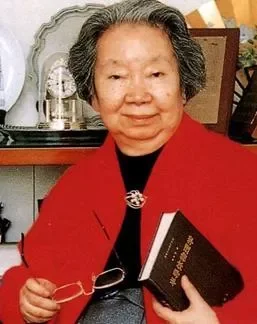
Xie Xide
Born19 Mar, 1921
Died04 Mar, 2000
NationalityChinese
Age at time of death78
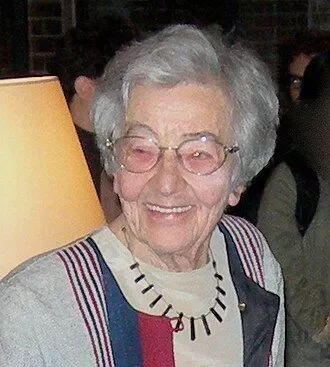
Ursula Franklin
Born16 Sep, 1921
Died22 Jul, 2016
NationalityGerman, Canadian
Age at time of death94
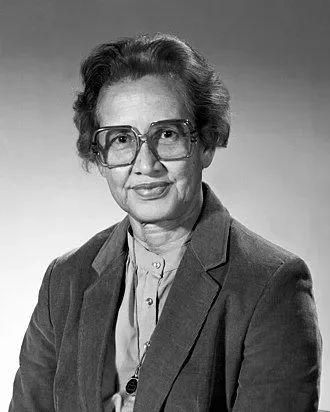
Katherine Johnson
Born26 Aug, 1918
Died24 Feb, 2020
NationalityAmerican
Age at time of death101
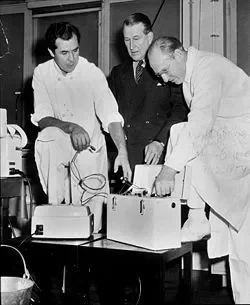
Rune Elmqvist
Born01 Dec, 1906
Died15 Dec, 1996
NationalitySwedish
Age at time of death90
Guglielmo Marconi
Born25 Apr, 1874
Died20 Jul, 1937
NationalityItalian
Age at time of death63
William Shockley
Born13 Feb, 1910
Died12 Aug, 1989
NationalityAmerican
Age at time of death79
Alfred Nobel
Born21 Oct, 1833
Died10 Dec, 1896
NationalitySwedish
Age at time of death63
Clarence Birdseye
Born09 Dec, 1886
Died07 Oct, 1956
NationalityAmerican
Age at time of death69
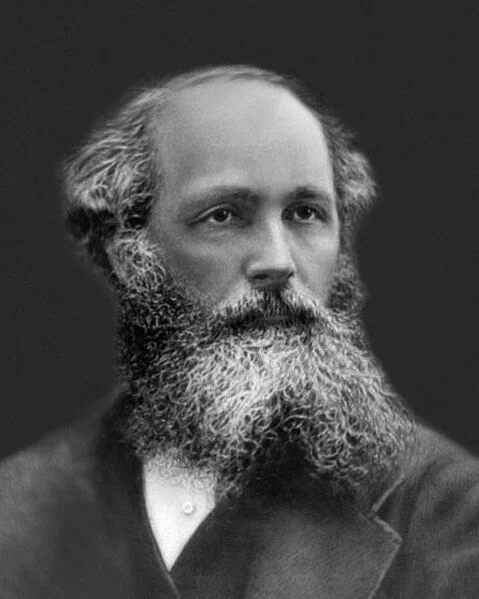
James Clerk Maxwell
Born13 Jun, 1831
Died05 Nov, 1879
NationalityScottish
Age at time of death48
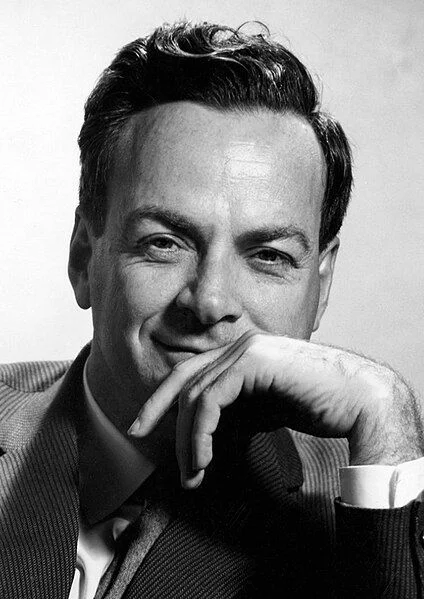
Richard Feynman
Born11 May, 1918
Died15 Feb, 1988
NationalityAmerican
Age at time of death69
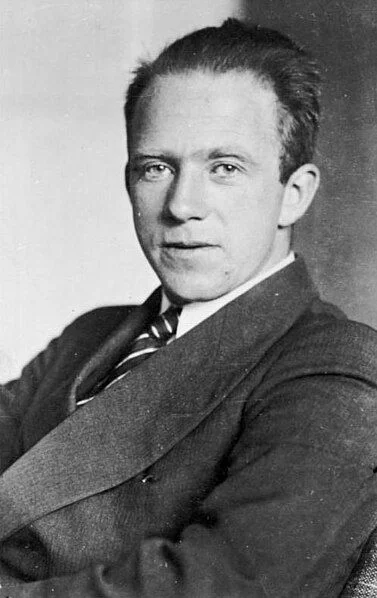
Werner Heisenberg
Born05 Dec, 1901
Died01 Feb, 1976
NationalityGerman
Age at time of death74
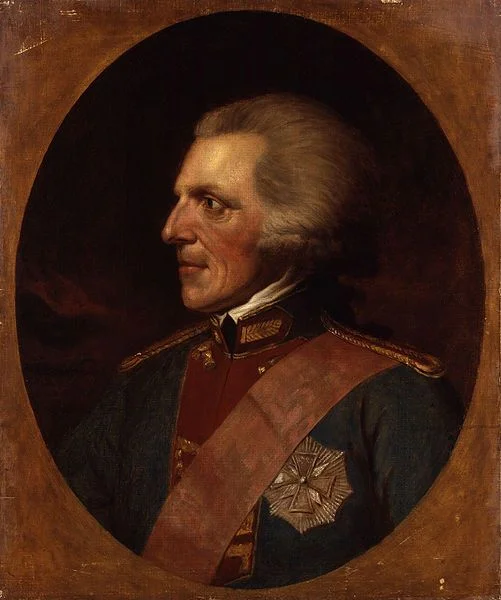
Colonel Sir Benjamin Thompson, Count Rumford
Born26 Mar, 1753
Died21 Aug, 1814
NationalityAmerican, British
Age at time of death61