Real Celebrities Never Die!
OR
Search For Past Celebrities Whose Birthday You Share
Died Age: 81
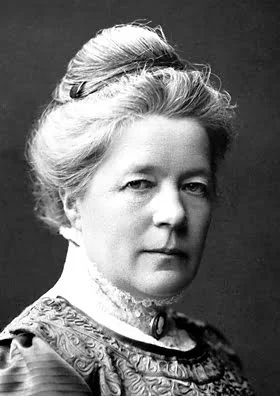
source:wikimedia.org
Selma Lagerlöf
Birthday:
20 Nov, 1858
Date of Death:
16 Mar, 1940
Cause of death:
Cerebral hemorrhage
Nationality:
Swedish
Famous As:
Writer
Age at the time of death:
81
Selma Lagerlöf's Quote's

“The story is not all exterior action; it is interior action as well. It is something that happens inside you. It is something that happens to your thoughts and to your feelings.”
Selma Lagerlöf
🔗 deadcelebrityhub.com
Early Life and Influences
Selma Lagerlöf, born on November 20, 1858, in Östra Emterwik, Sweden, was a pioneering figure in the world of literature. Her impact on Swedish and international literature is profound, and her life journey is a testament to the power of storytelling and determination.
Childhood in Värmland
Lagerlöf’s childhood was spent in the picturesque landscapes of Värmland, which would later become a significant backdrop in many of her works. Raised in a family of farmers, her upbringing was marked by the rich oral storytelling tradition of the region, igniting her early passion for narrative. Despite facing societal norms that limited educational opportunities for women, Lagerlöf exhibited a thirst for knowledge that led her to pursue studies at the Högre Lärarinneseminariet (Higher Teacher’s Seminar) in Stockholm.
Literary Debut
In 1891, Selma Lagerlöf published her first novel, “Gösta Berling’s Saga,” which not only marked her literary debut but also established her as a formidable talent. This work, set against the backdrop of Värmland, delved into the complexities of human nature, love, and societal expectations. The novel’s success laid the foundation for Lagerlöf’s illustrious career and garnered critical acclaim for its vivid characters and masterful storytelling.
First Woman Nobel Laureate
Selma Lagerlöf achieved an unparalleled feat in 1909 when she became the first woman to be awarded the Nobel Prize in Literature. The recognition was not only a testament to her individual brilliance but also a milestone for women in literature globally. Lagerlöf’s ability to weave captivating tales with profound moral undertones distinguished her as a literary luminary.
The Wonderful Adventures of Nils
Her seminal work, “The Wonderful Adventures of Nils,” published in 1906-1907, is a landmark in children’s literature. This enchanting tale, combining adventure with environmental themes, has transcended generations, captivating readers of all ages. Lagerlöf’s ability to seamlessly navigate between genres showcased her versatility and contributed to the enduring appeal of her works.
Social and Political Advocacy
Beyond her prolific writing career, Lagerlöf was actively engaged in social and political causes. Her commitment to women’s rights and social justice was reflected in her advocacy for change. She served as a member of the Swedish Academy, further solidifying her influence on the literary landscape.
Personal Life and Resilience
Lagerlöf’s personal life was characterized by a deep connection to her roots and an unwavering commitment to her craft. Despite facing societal expectations regarding marriage and family, she remained dedicated to her writing. Lagerlöf’s resilience in navigating societal norms and pursuing her passion serves as an inspiration to aspiring writers and individuals striving to break barriers.
Enduring Legacy
Selma Lagerlöf’s legacy endures not only in the literary canon but also in the hearts of readers worldwide. Her ability to infuse her narratives with a deep understanding of human nature, societal complexities, and the beauty of the natural world continues to resonate. Lagerlöf’s impact extends beyond her lifetime, inspiring subsequent generations of writers to explore the depths of storytelling.
Conclusion
In conclusion, Selma Lagerlöf’s life and work stand as a testament to the transformative power of literature. Her groundbreaking achievements, both professionally and personally, have left an indelible mark on the literary world.
Profile Snapshot
Name:
Selma Lagerlöf
Popular Name:
Selma Lagerlöf
Gender:
Female
Cause of Death:
Cerebral hemorrhage
Spouse:
Unmarried
Place of Birth:
Mårbacka, Sweden
Place of Death:
Mårbacka, Sweden
Occupation / Profession:
Writer
Personality Type
Architect: Imaginative and strategic thinkers, with a plan for everything. Her literary pieces showcase her imaginative prowess and critical thinking skills.
Selma Lagerlöf's Interesting Facts
Before pursuing a career in writing, Lagerlöf worked as a teacher. Her experiences in the classroom and her interactions with students likely contributed to her understanding of human nature, which is reflected in her literary works.
Lagerlöf was not only a prolific writer but also an advocate for social change. She was actively involved in issues such as women's rights and social justice.
One of her most celebrated works, "The Wonderful Adventures of Nils," was initially commissioned as a geography reader for Swedish schools.
Selma Lagerlöf was the first woman to be awarded the Nobel Prize in Literature in 1909.
Achievements & Awards
Nobel Prize in Literature (1909)
External Links
Additional Links
https://www.britannica.com/biography/Selma-Lagerlofhttps://www.goodreads.com/author/show/38266.Selma_Lagerl_fhttps://www.literaryladiesguide.com/author-biography/selma-lagerlof/https://www.nobelprize.org/prizes/literature/1909/lagerlof/biographical/https://www.thoughtco.com/selma-lagerlof-biography-3530375
Latest Profiles
People also viewed
July 11, 1899
Born11 Jul, 1899
Died01 Oct, 1985
NationalityAmerican
Age at time of death86
Dale Carnegie
Born24 Nov, 1888
Died01 Nov, 1955
NationalityAmerican
Age at time of death66
Zora Neale Hurston
Born07 Jan, 1891
Died28 Jan, 1960
NationalityAmerican
Age at time of death69
Rabindranath Tagore
Born07 May, 1861
Died08 Aug, 1941
NationalityIndian
Age at time of death80
Cicely Saunders
Born22 Jun, 1918
Died14 Jul, 2005
NationalityEnglish
Age at time of death87
Joseph Pilates
Born09 Dec, 1883
Died09 Oct, 1967
NationalityGerman
Age at time of death83
Mark Twain
Born30 Nov, 1835
Died21 Apr, 1910
NationalityAmerican
Age at time of death74
Jules Verne
Born08 Feb, 1828
Died24 Mar, 1905
NationalityFrench
Age at time of death77

Jack Welch
Born19 Nov, 1935
Died01 Mar, 2020
NationalityAmerican
Age at time of death84
Nellie Bly
Born05 May, 1864
Died27 Jan, 1922
NationalityAmerican
Age at time of death57
George Burns
Born20 Jan, 1896
Died09 Mar, 1996
NationalityAmerican
Age at time of death100

Ethan Allen
Born21 Jan, 1738
Died12 Feb, 1789
NationalityAmerican
Age at time of death51

Matthew Perry
Born19 Aug, 1969
Died28 Oct, 2023
NationalityAmerican, Canadian
Age at time of death54
Caresse Crosby
Born20 Apr, 1891
Died24 Jan, 1970
NationalityAmerican
Age at time of death78
Will Durant
Born05 Nov, 1885
Died07 Nov, 1981
NationalityAmerican
Age at time of death96
Les Dawson
Born02 Feb, 1931
Died10 Jun, 1993
NationalityBritish
Age at time of death62
James Allen
Born28 Nov, 1864
Died24 Jan, 1912
NationalityBritish
Age at time of death47
Ada Lovelace
Born10 Dec, 1815
Died27 Nov, 1852
NationalityBritish
Age at time of death36
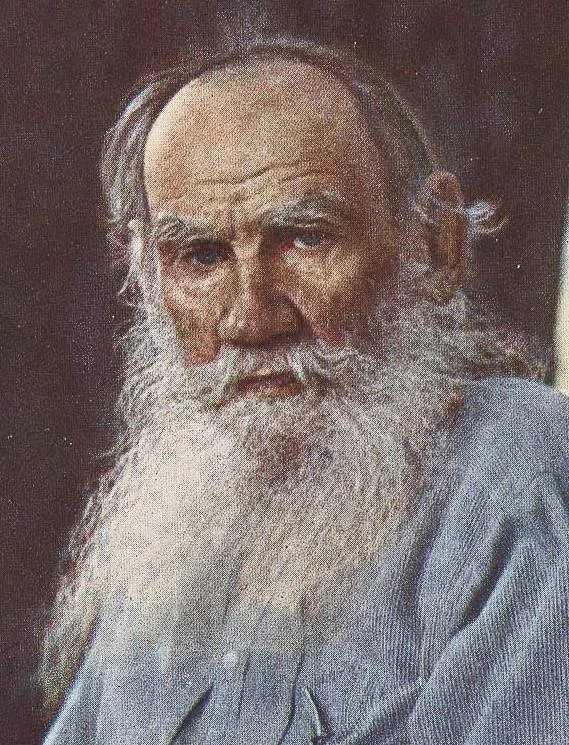
Leo Tolstoy
Born09 Sep, 1828
Died20 Nov, 1910
NationalityRussian
Age at time of death82
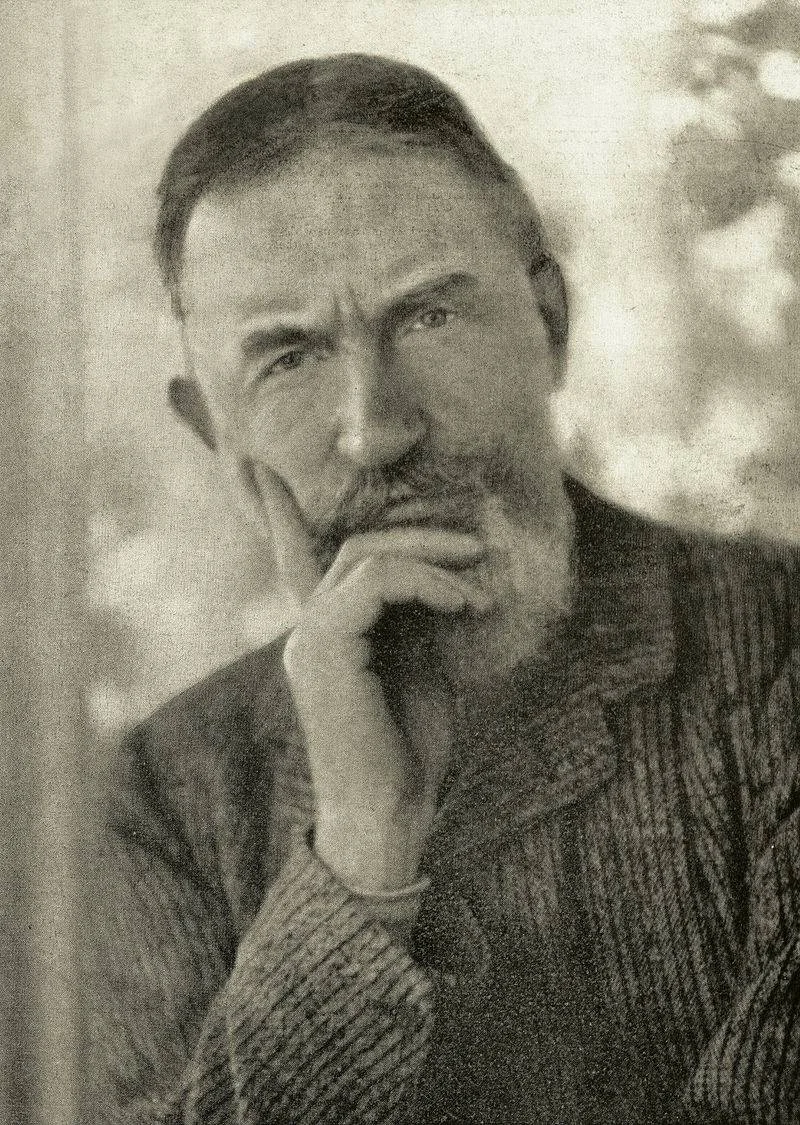
George Bernard Shaw
Born26 Jul, 1856
Died02 Nov, 1950
NationalityBritish, Irish
Age at time of death94