Real Celebrities Never Die!
Enter your birthday to meet your past celebrity birthday twins.
OR
Died Age: 83
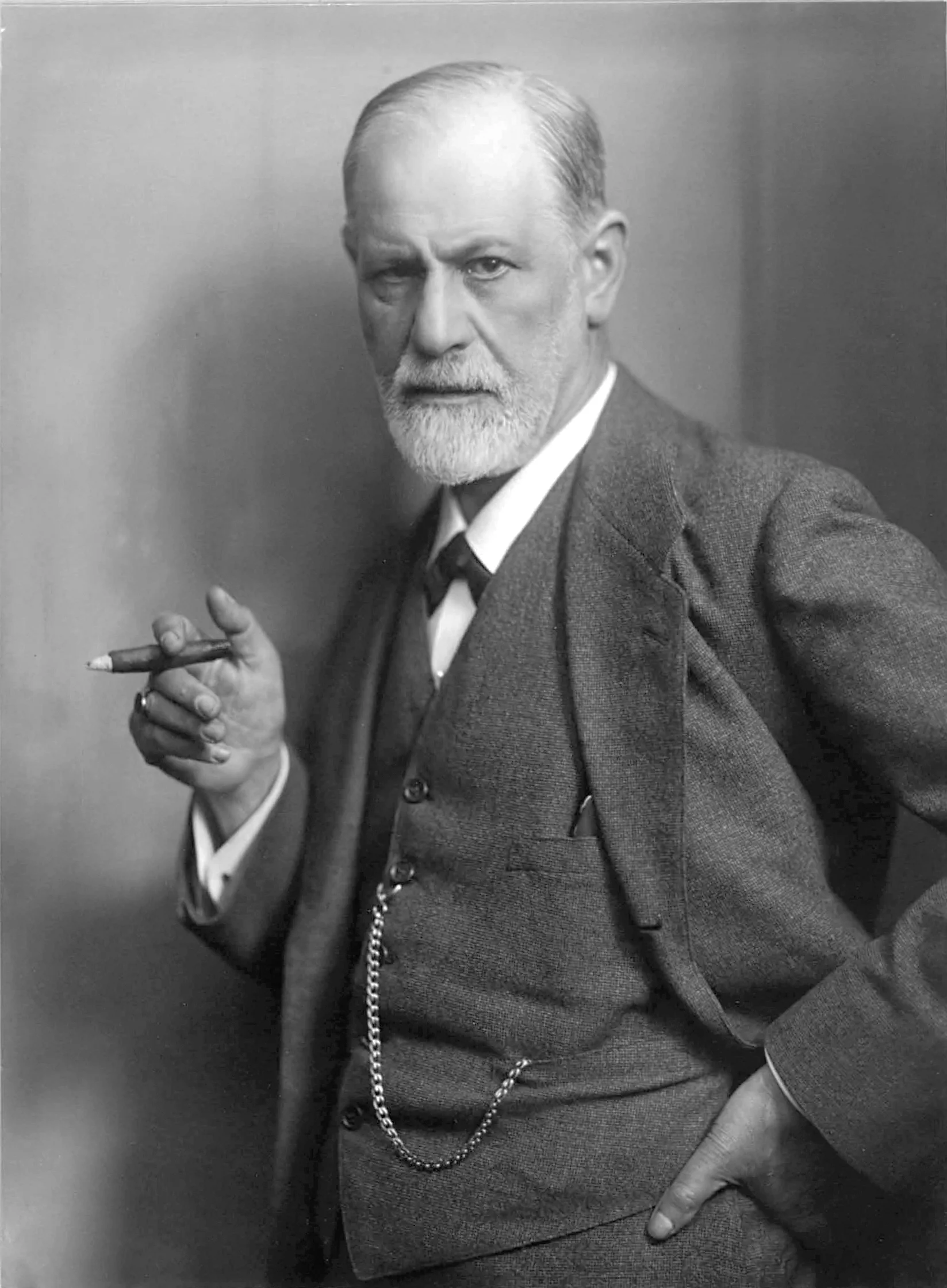
wikimedia.org
Sigmund Freud
Birthday:
05 May, 1856
Date of Death:
23 Sep, 1939
Cause of death:
Physician assisted suicide
Nationality:
Austrian
Famous As:
Neurologist
Age at the time of death:
83
Sigismund Schiomo Freud's Quote's

“Love and work….work and love, that’s all there is.”
Sigismund Schiomo Freud
🔗 deadcelebrityhub.com
Early Life
Few figures in history have left as deep an imprint on the human understanding of the mind as Sigmund Freud. A neurologist turned revolutionary thinker, Freud was the father of psychoanalysis—a method of exploring the unconscious mind that reshaped psychology, philosophy, literature, and even art. His theories on dreams, childhood experiences, and the inner workings of the psyche were groundbreaking, sparking debates that continue to this day. Born in 1856 to Jewish parents in the small town of Freiberg, Austria (now Příbor, Czech Republic), Freud showed early intellectual promise. A voracious reader with an insatiable curiosity, he excelled in school and enrolled at the University of Vienna to study medicine. Though his initial interest lay in neurology, his fascination with the mysteries of the human mind soon led him down an uncharted path—one that would challenge the very fabric of psychological thought.
Career
After earning his medical degree in 1881, Freud conducted extensive research on brain disorders, including aphasia and cerebral palsy, while working at a Vienna hospital. His career took a pivotal turn when he studied under Jean-Martin Charcot, a renowned French neurologist who used hypnosis to treat hysteria. Charcot’s methods left a lasting impression on Freud, igniting his belief that unconscious forces shaped human behavior. Building on these ideas, Freud developed psychoanalysis, a radical new approach to understanding the mind. He proposed that human thoughts and actions were driven by unconscious desires and early childhood experiences—often repressed, yet powerful in shaping personality. He introduced the concept of the mind as a battleground between three conflicting forces: the id (primitive desires), the ego (rational self), and the superego (moral conscience). According to Freud, these forces were in constant struggle, giving rise to anxiety, neurosis, and deep-seated emotional conflicts. To uncover these hidden tensions, Freud devised techniques like free association—encouraging patients to speak without censorship—and dream analysis, believing that dreams were the "royal road to the unconscious." His theories culminated in works such as The Interpretation of Dreams (1899) and The Ego and the Id (1923), which became cornerstones of modern psychology. Freud also introduced his controversial psychosexual development theory, outlining five stages—oral, anal, phallic, latency, and genital—each centered around an erogenous zone. He argued that unresolved conflicts during these stages could shape a person’s personality and mental health in adulthood. While some of his ideas were met with skepticism, they opened new avenues of thought on human development, sexuality, and identity.
Personal Struggles and Legacy
Despite facing criticism, Freud’s influence was undeniable. He built a network of followers, including Carl Jung and Alfred Adler, who later diverged from his theories to form their own schools of psychology. His work extended beyond the academic world, influencing literature, film, and art—his concepts of repression, the Oedipus complex, and the unconscious mind seeping into popular culture. In 1938, with the rise of the Nazis in Austria, Freud, who was Jewish, was forced to flee to London. Though suffering from jaw cancer due to years of heavy cigar smoking, he continued his work until the very end. In 1939, at the age of 83, Freud passed away in London, choosing to end his suffering through physician-assisted morphine injections. His ashes now rest at Golders Green Crematorium. Freud’s legacy is one of both admiration and controversy. His theories have been debated, revised, and challenged, yet his pioneering exploration of the human psyche remains a foundation of modern psychology. He did not just study the mind—he changed the way we think about ourselves.
Profile Snapshot
Name:
Sigismund Schiomo Freud
Popular Name:
Sigmund Freud
Gender:
Male
Cause of Death:
Physician assisted suicide
Spouse:
Martha Bernays
Place of Birth:
Czech Republic
Place of Death:
Hampstead, London, England
Occupation / Profession:
Neurologist
Personality Type
Logistician Practical and fact-minded individuals, whose reliability cannot be doubted. Honest people who are known to be hard working and responsible.
Sigismund Schiomo Freud's Interesting Facts
Four of his sisters died in Nazi concentration camps.
He turned down $100,000 from a Hollywood producer.
He was a chain smoker who underwent more than 30 cancer surgeries.
His death might have been a physician-assisted suicide.
Achievements & Awards
He won the Goethe Prize in 1930
External Links
Additional Links
https://www.16personalities.com/istj-personalityhttps://www.brainyquote.com/authors/sigmund-freud-quoteshttps://www.britannica.com/biography/Sigmund-Freudhttps://www.history.com/news/10-things-you-may-not-know-about-sigmund-freudhttps://www.verywellmind.com/sigmund-freud-his-life-work-and-theories-2795860
Latest Profiles
People also viewed
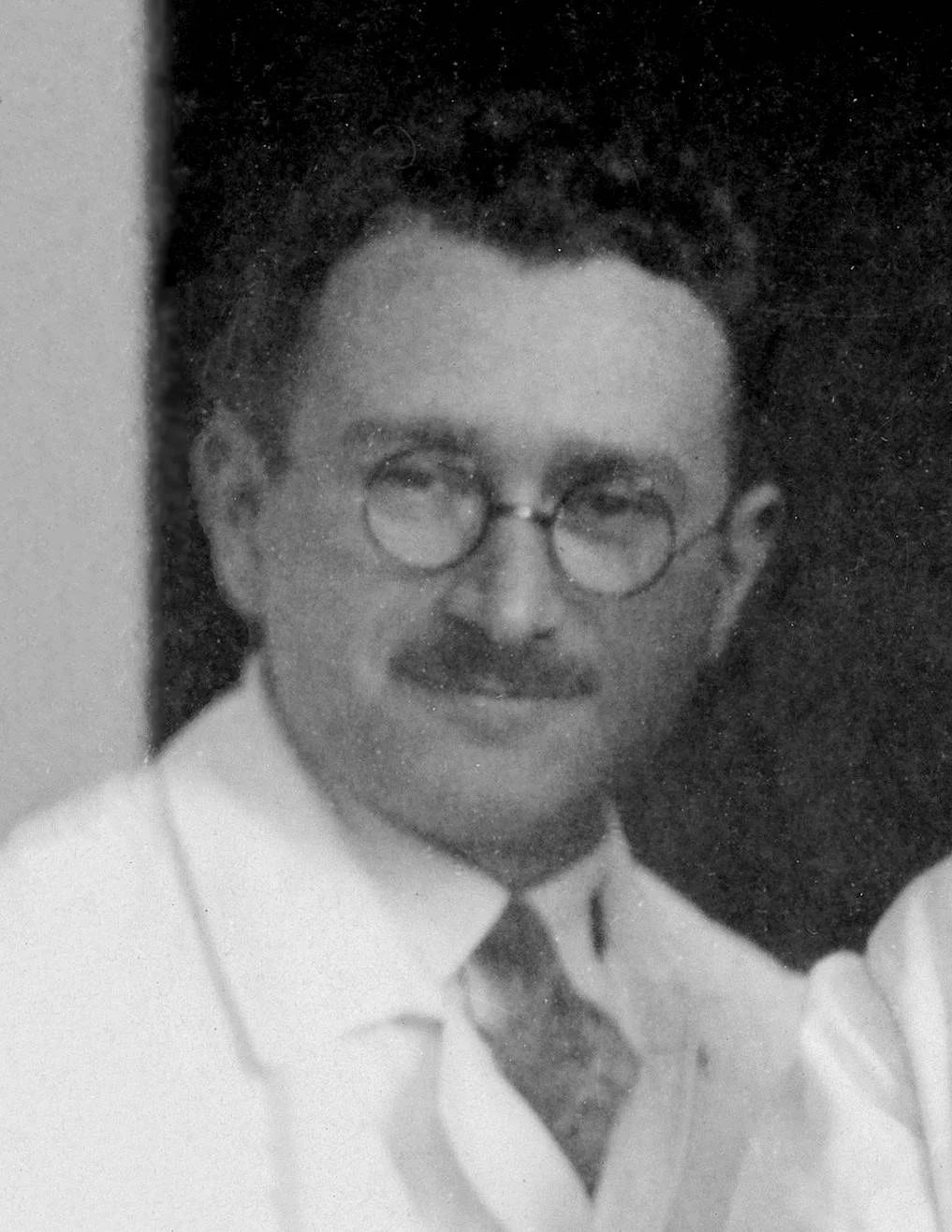
Ludwig Guttmann
Born03 Jul, 1899
Died18 Mar, 1980
NationalityBritish, German
Age at time of death80
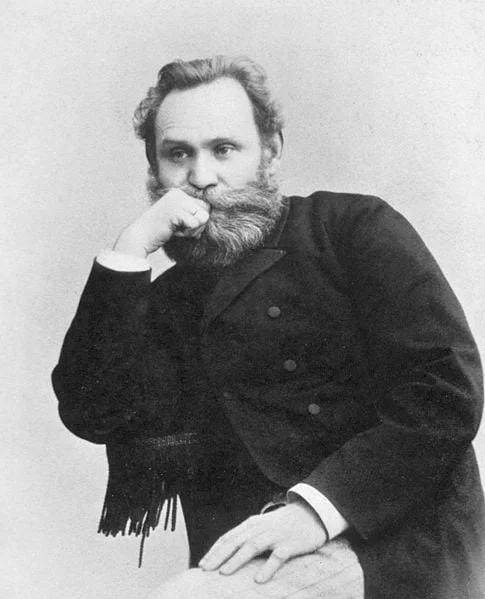
Ivan Pavlo
Born26 Sep, 1849
Died27 Feb, 1936
NationalityRussian
Age at time of death86