Real Celebrities Never Die!
OR
Search For Past Celebrities Whose Birthday You Share
Died Age: 87
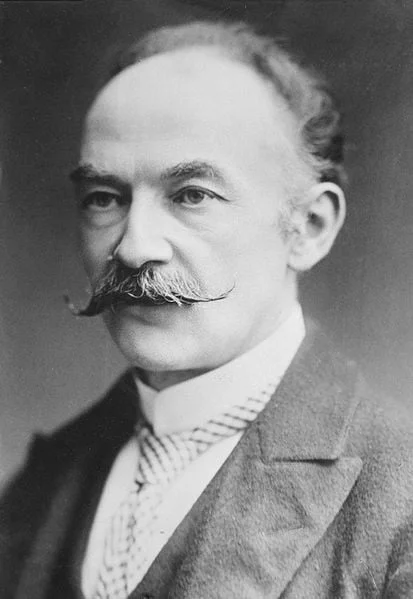
source:wikipedia.org
Thomas Hardy
Birthday:
02 Jun, 1840
Date of Death:
11 Jan, 1928
Cause of death:
Heart failure
Nationality:
British
Famous As:
Architect
Age at the time of death:
87
Thomas Hardy's Quote's

“The difference between landscape and landscape is small, but there is great difference in the beholders.”
Thomas Hardy
🔗 deadcelebrityhub.com
Early Life and Background
Thomas Hardy was a renowned English novelist and poet who made significant contributions to literature during the Victorian and Edwardian eras. He was born in a small village called Higher Bockhampton near Dorchester, Dorset, England, on June 2, 1840. Hardy is best known for his novels, including “Tess of the d’Urbervilles”, “Far from the Madding Crowd”, and “The Mayor of Casterbridge”.
Humble Beginnings
Hardy was born into a humble family of stonemasons, where he was encouraged to read and learn from an early age. He attended local schools and later studied at King’s College, London. It was during this time that he developed an interest in architecture.
Early Career in Architecture
At the age of 22, Thomas Hardy moved to London, hoping to establish a career in architecture. However, he struggled to find work and ended up working as a draughtsman for a railroad company. It was during this time that he began writing poetry, and eventually, he shifted his focus to writing full-time.
Rise to Fame as a Novelist
Hardy’s writing career took off in the late 1870s, with the publication of his first novel, “Desperate Remedies”. He went on to write other novels, which gained widespread popularity, including “Far from the Madding Crowd”, “The Return of the Native”, and “Tess of the d’Urbervilles”. His novels were known for their realism and psychological complexity, and they often dealt with themes such as social class, love, and fate.
Passion for Music
Hardy had a passion for music and played the violin, viola, and piano. He also composed songs and set some of his own poetry to music. His musical interests and talents often found their way into his works.
Prolific Poet
In addition to his novels, Thomas Hardy was also a prolific poet. In 1896, Hardy was appointed as a Poet Laureate, a prestigious position in British literature. However, his tenure as Poet Laureate was somewhat controversial, as he wrote relatively few poems during this period, and his compositions were often considered pessimistic and less traditional compared to his predecessors.
Famous Poems
Hardy’s poetry was often dark and pessimistic, reflecting his own personal views on life. Some of his most famous poems include “The Darkling Thrush”, “Neutral Tones”, and “The Ruined Maid”. Hardy continued to write poetry throughout his life, publishing his last collection, “Winter Words”, in 1928.
Achievements and Recognitions
Throughout his life, Hardy made several notable achievements and received numerous awards. In 1895, he was awarded the Order of Merit by King Edward VII. In 1910, he received the gold medal for poetry from the American Academy of Arts and Letters. Hardy was nominated for the Nobel Prize in Literature 25 times in total, although he did not receive the award.
Final Years and Legacy
Thomas Hardy passed away on January 11, 1928, in Dorchester, Dorset, England. He died of heart failure and is buried in the same churchyard as his parents in Stinsford, Dorset. Hardy’s work continues to be celebrated for its depth, literary innovation, and exploration of human emotion and societal complexities.
Profile Snapshot
Name:
Thomas Hardy
Popular Name:
Thomas Hardy
Gender:
Male
Cause of Death:
Heart failure
Spouse:
Emma GiffordFlorence Dougdale
Place of Birth:
Bockhampton near Dorchester, Dorset, England
Place of Death:
Dorchester in Dorset England
Occupation / Profession:
Architect
Composer
Musician
Novelist
Poet
Poet laureate
Personality Type
Mediator: Poetic, kind and altruistic people, always eager to help a good cause. He was very kindhearted and very helpful.
Thomas Hardy's Interesting Facts
Hardy is credited with popularizing the concept of "Wessex" – a fictionalized version of the West Country of England that served as the setting for many of his novels and poems.
Hardy was a great admirer of the works of Charles Dickens and was inspired by his writing style.
Hardy was a great lover of nature, and he often incorporated descriptions of the natural environment into his writing.
He was married to Emma Gifford, and their marriage was unhappy, but he dedicated many of his poems to her.
Achievements & Awards
In 1895, Hardy was awarded the Order of Merit by King Edward VII
In 1910, he received the gold medal for poetry from the American Academy of Arts and Letters
In 1912, he was nominated for the Nobel Prize in Literature. In total Hardy was nominated 25 time for the Nobel Prize but he did not receive the award
Latest Profiles
People also viewed
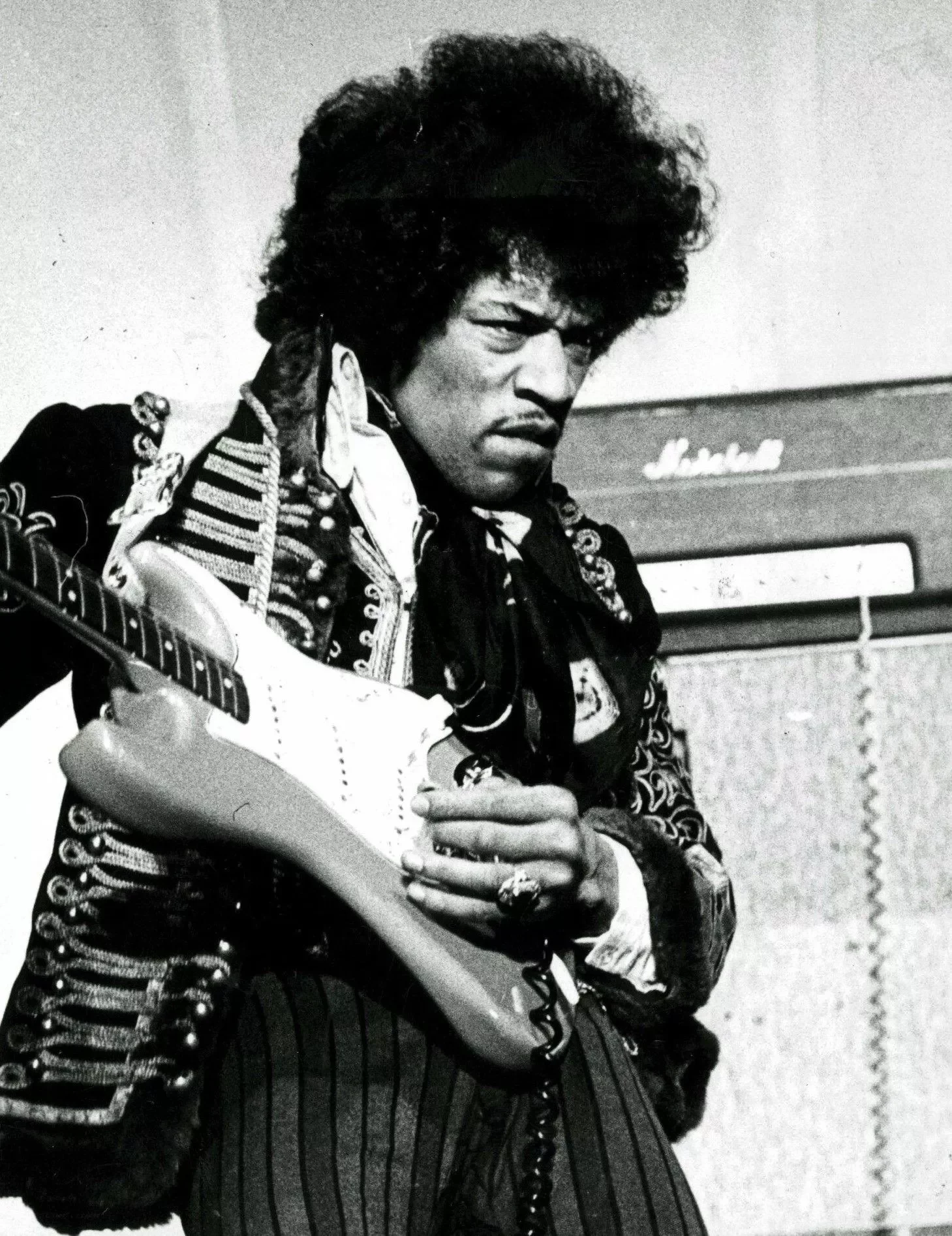
Jimi Hendrix
Born27 Nov, 1942
Died18 Sep, 1970
NationalityAmerican
Age at time of death27
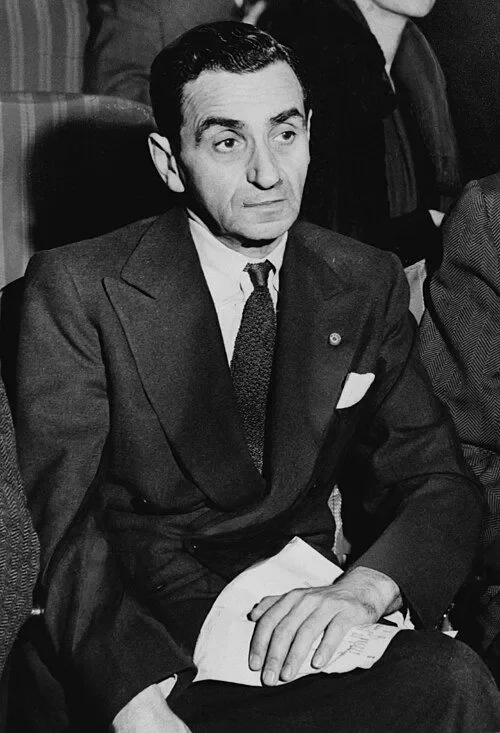
Irving Berlin
Born11 May, 1888
Died22 Sep, 1989
NationalityAmerican
Age at time of death101
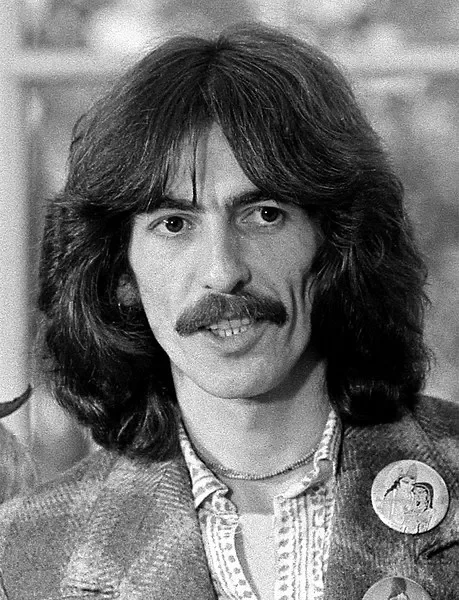
George Harrison
Born25 Feb, 1943
Died29 Nov, 2001
NationalityBritish
Age at time of death58
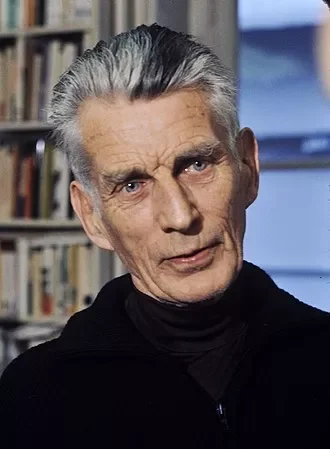
Samuel Beckett
Born13 Apr, 1906
Died22 Dec, 1989
NationalityIrish
Age at time of death83
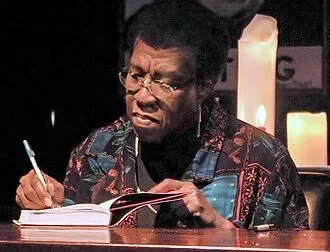
Octavia Butler
Born22 Jun, 1947
Died24 Feb, 2006
NationalityAmerican
Age at time of death58
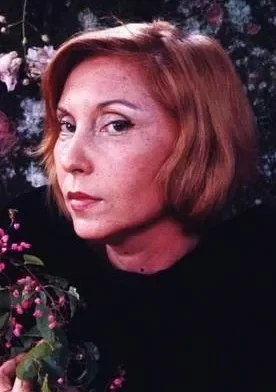
Clarice Lispector
Born10 Dec, 1920
Died09 Dec, 1977
NationalityBrazilian
Age at time of death56
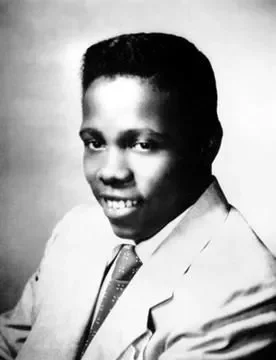
Johnny Ace
Born09 Jun, 1929
Died25 Dec, 1954
NationalityAmerican
Age at time of death25
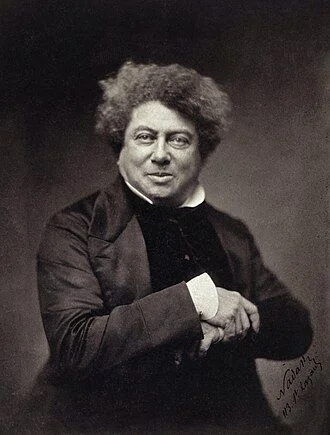
Alexandre Dumas
Born24 Jul, 1802
Died05 Dec, 1870
NationalityFrench
Age at time of death68
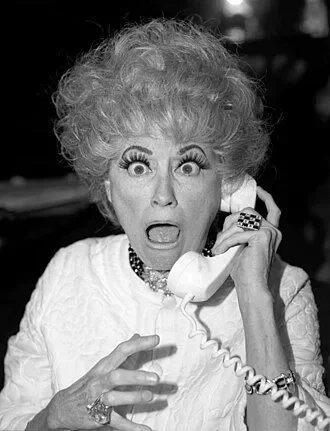
Phyllis Diller
Born17 Jul, 1917
Died20 Aug, 2012
NationalityAmerican
Age at time of death95
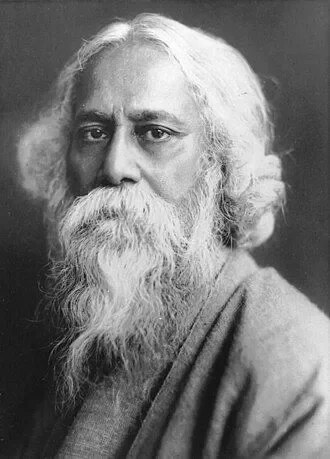
Rabindranath Tagore
Born07 May, 1861
Died08 Aug, 1941
NationalityIndian
Age at time of death80
George Trow
Born28 Sep, 1943
Died24 Nov, 2006
NationalityAmerican
Age at time of death63
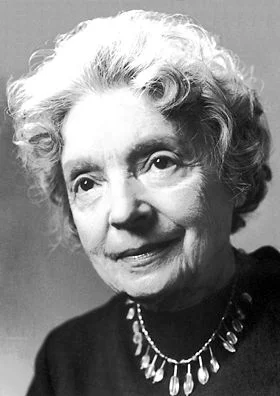
Leonie Nelly Sachs
Born10 Dec, 1891
Died12 May, 1970
NationalityGerman, Swedish
Age at time of death78
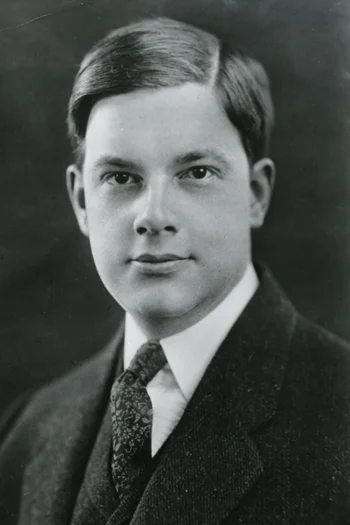
Joyce Kilmer
Born06 Dec, 1886
Died30 Jul, 1918
NationalityAmerican
Age at time of death31
Jim Morrison
Born08 Dec, 1943
Died03 Jul, 1971
NationalityAmerican
Age at time of death27
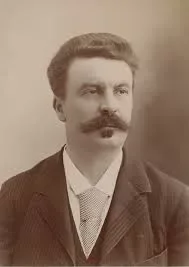
Guy de Maupassant
Born05 Aug, 1850
Died06 Jul, 1893
NationalityFrench
Age at time of death42

Cory Monteith
Born11 May, 1982
Died13 Jul, 2013
NationalityCanadian
Age at time of death31
Victor Hugo
Born26 Feb, 1802
Died22 May, 1885
NationalityFrench
Age at time of death83
Barry White
Born12 Sep, 1944
Died04 Jul, 2003
NationalityAmerican
Age at time of death58
Leonardo da Vinci
Born15 Apr, 1452
Died02 May, 1519
NationalityItalian
Age at time of death67
Adam Yauch
Born05 Aug, 1964
Died04 May, 2012
NationalityAmerican
Age at time of death47