Real Celebrities Never Die!
OR
Search For Past Celebrities Whose Birthday You Share
Died Age: 88
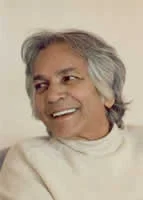
source:wikimedia.org
U. G. Krishnamurti
Birthday:
09 Jul, 1918
Date of Death:
22 Mar, 2007
Cause of death:
slipped and injured himself
Nationality:
Indian
Famous As:
Philosopher
Age at the time of death:
88
U. G. Krishnamurti's Quote's

“We are not created for any grander purpose than the ants that are there or the flies that are hovering around us or the mosquitoes that are sucking our blood.”
U. G. Krishnamurti
🔗 deadcelebrityhub.com
Introduction to U. G. Krishnamurti
Uppaluri Gopala Krishnamurti, known as U. G. Krishnamurti, was a radical philosopher and spiritual teacher whose unorthodox views challenged conventional notions of enlightenment and self-realization. Born on July 9, 1918, in Masulipatnam, a coastal town in Andhra Pradesh, India, U. G. Krishnamurti’s life unfolded as a fascinating exploration into the nature of human consciousness.
Early Life and Upbringing
Krishnamurti’s early life was marked by ordinary circumstances. His family, like many in India at the time, faced economic challenges. His upbringing was influenced by the cultural and spiritual milieu of India, but unlike Jiddu Krishnamurti (with whom he is not related), U. G. Krishnamurti did not follow a predetermined path to spiritual leadership.
The “Calamity” and Transformation
In 1947, U. G. Krishnamurti experienced a life-altering event that he later referred to as the “calamity.” This event led to a profound transformation, during which he claimed to have undergone a radical change in consciousness. He described the experience as a complete and irreversible shift, devoid of any mystical or spiritual significance. This departure from traditional spiritual narratives formed the basis of U. G. Krishnamurti’s teachings.
Rejection of Enlightenment and Spiritual Practices
Unlike many spiritual teachers, U. G. Krishnamurti did not advocate any specific practices, rituals, or paths to enlightenment. Instead, he rejected the entire concept of enlightenment, asserting that there is no such thing as a “transformed” or “enlightened” individual. He often challenged spiritual seekers to question their own pursuits and beliefs, emphasizing the futility of seeking external gurus or methods for self-realization.
Engagements and Dialogues
Throughout his life, U. G. Krishnamurti traveled extensively, engaging in discussions with people from various walks of life. His dialogues were characterized by a direct and confrontational style, challenging listeners to question their assumptions about life, meaning, and spirituality. Despite his unconventional approach, U. G. Krishnamurti gained a following of individuals who were drawn to his candid and iconoclastic perspective.
Criticism of Traditional Spiritual Figures
U. G. Krishnamurti’s rejection of traditional spirituality did not make him immune to controversy. He criticized prominent spiritual figures, including Jiddu Krishnamurti and traditional gurus, for perpetuating what he viewed as false and misleading ideas about enlightenment. Despite this, he maintained that his purpose was not to replace one set of beliefs with another but to free individuals from the very notion of seeking.
Death and Legacy
U. G. Krishnamurti passed away on March 22, 2007, in Vallecrosia, Italy, after an injury. His legacy lies in his uncompromising rejection of spiritual dogma and his insistence on the immediacy of life, unencumbered by the burdens of seeking enlightenment or higher states of consciousness.
Conclusion
In conclusion, U. G. Krishnamurti’s life and teachings stand as a provocative challenge to traditional spiritual paradigms. His rejection of enlightenment, coupled with his direct and uncompromising communication style, distinguishes him as a unique figure in the landscape of spiritual philosophy.
Profile Snapshot
Name:
U. G. Krishnamurti
Popular Name:
U. G. Krishnamurti
Gender:
Male
Cause of Death:
slipped and injured himself
Spouse:
Kusuma Kumari
Place of Birth:
Machilipatnam, Madras Presidency, British India
Place of Death:
Vallecrosia, Italy
Occupation / Profession:
Philosopher
Personality Type
Debater: Smart and curious thinkers who cannot resist an intellectual challenge. His debating skills were widely known.
U. G. Krishnamurti's Interesting Facts
He claimed to have experienced a "calamity" on his 49th birthday, which he described as a biological transformation.
He moved his family to the United States in 1955 for his son's medical treatment.
He was raised by his maternal grandparents after his mother died seven days after his birth.
It is said that he harbored no fear of dangerous animals and this fearlessness seemed to create a strange attraction between him and the animals.
Krishnamurti rejected the basis of thought and all systems of knowledge.
UG could really sense and feel the people around him, and he would push their buttons, provoke them.
Achievements & Awards
He was a philosopher who questioned the state of spiritual enlightenment.
External Links
Additional Links
https://markwhitwell.medium.com/understanding-u-g-krishnamurti-an-interview-with-mark-whitwell-part-1-fb280a479192https://people.well.com/user/jct/https://scroll.in/article/833558/ug-in-a-comic-book-the-strange-life-of-the-other-krishnamurti-who-broke-away-from-jidduhttps://www.goodreads.com/author/quotes/30268.U_G_Krishnamurtihttps://www.heartofyoga.com/blog/ug-krishnamurti
Latest Profiles
People also viewed
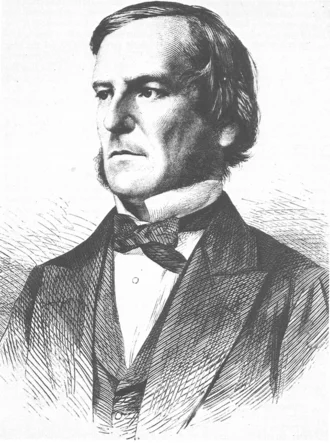
George Boole
Born02 Nov, 1815
Died08 Dec, 1864
NationalityEnglish
Age at time of death49
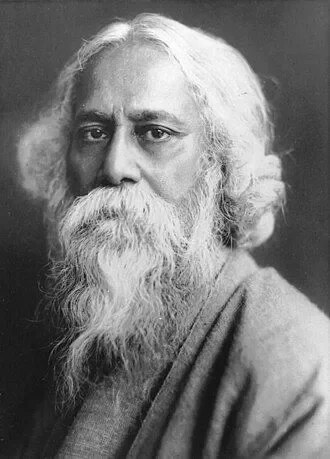
Rabindranath Tagore
Born07 May, 1861
Died08 Aug, 1941
NationalityIndian
Age at time of death80
Jonas Cohn
Born01 Dec, 1869
Died28 Jan, 1947
NationalityGerman
Age at time of death77

Ethan Allen
Born21 Jan, 1738
Died12 Feb, 1789
NationalityAmerican
Age at time of death51
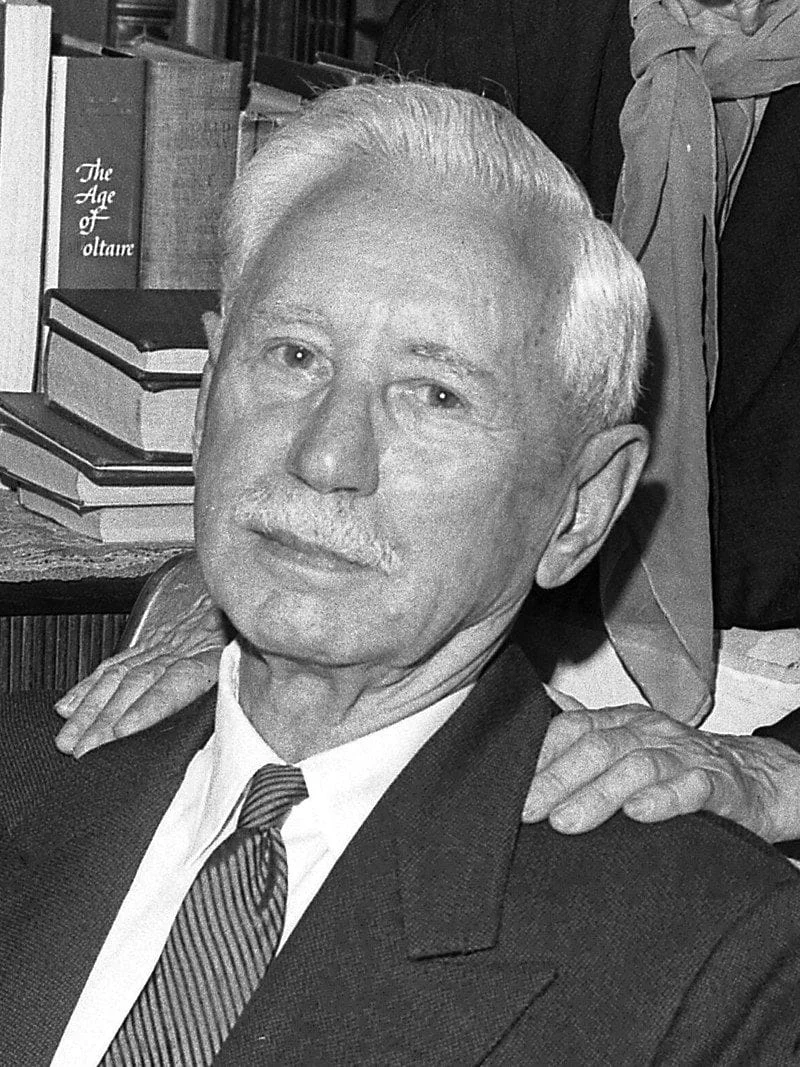
Will Durant
Born05 Nov, 1885
Died07 Nov, 1981
NationalityAmerican
Age at time of death96
James Allen
Born28 Nov, 1864
Died24 Jan, 1912
NationalityBritish
Age at time of death47
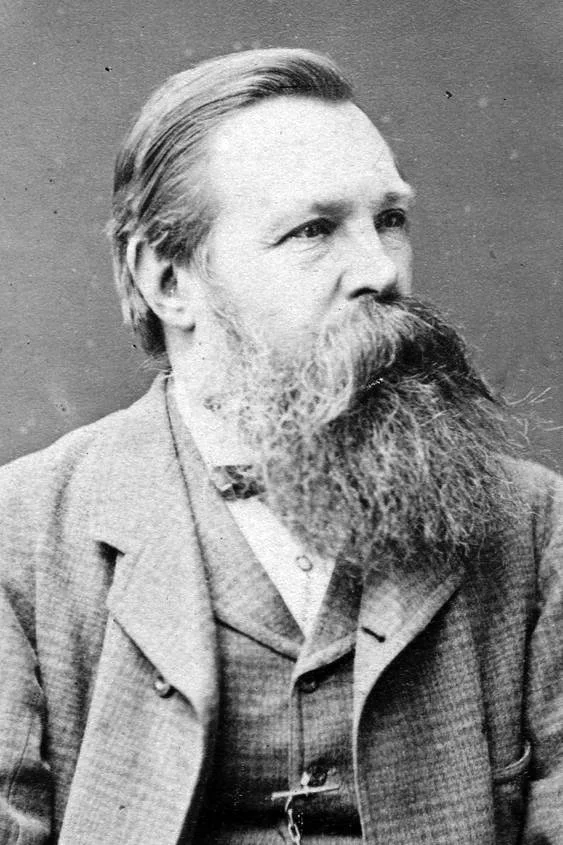
Friedrich Engels
Born28 Nov, 1820
Died05 Aug, 1895
NationalityPrussian
Age at time of death74
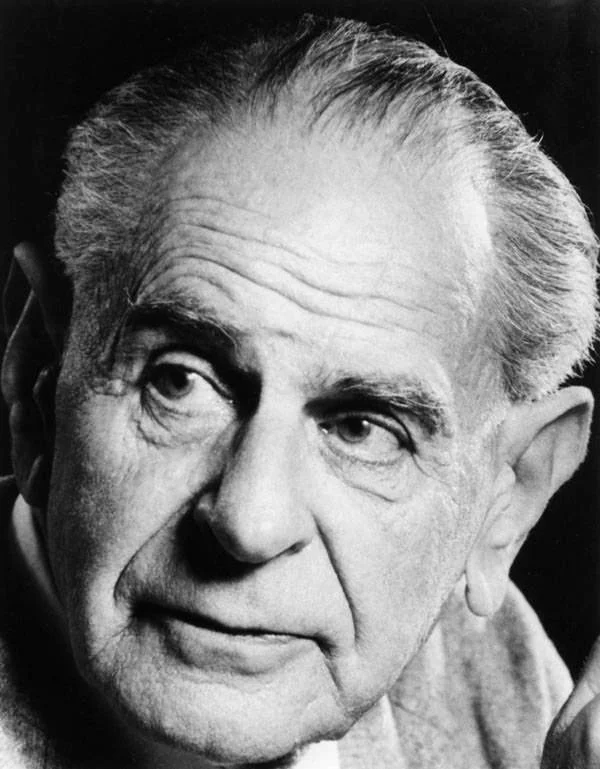
Karl Popper
Born28 Jul, 1902
Died17 Sep, 1994
NationalityAustrian, Hungarian, British
Age at time of death92
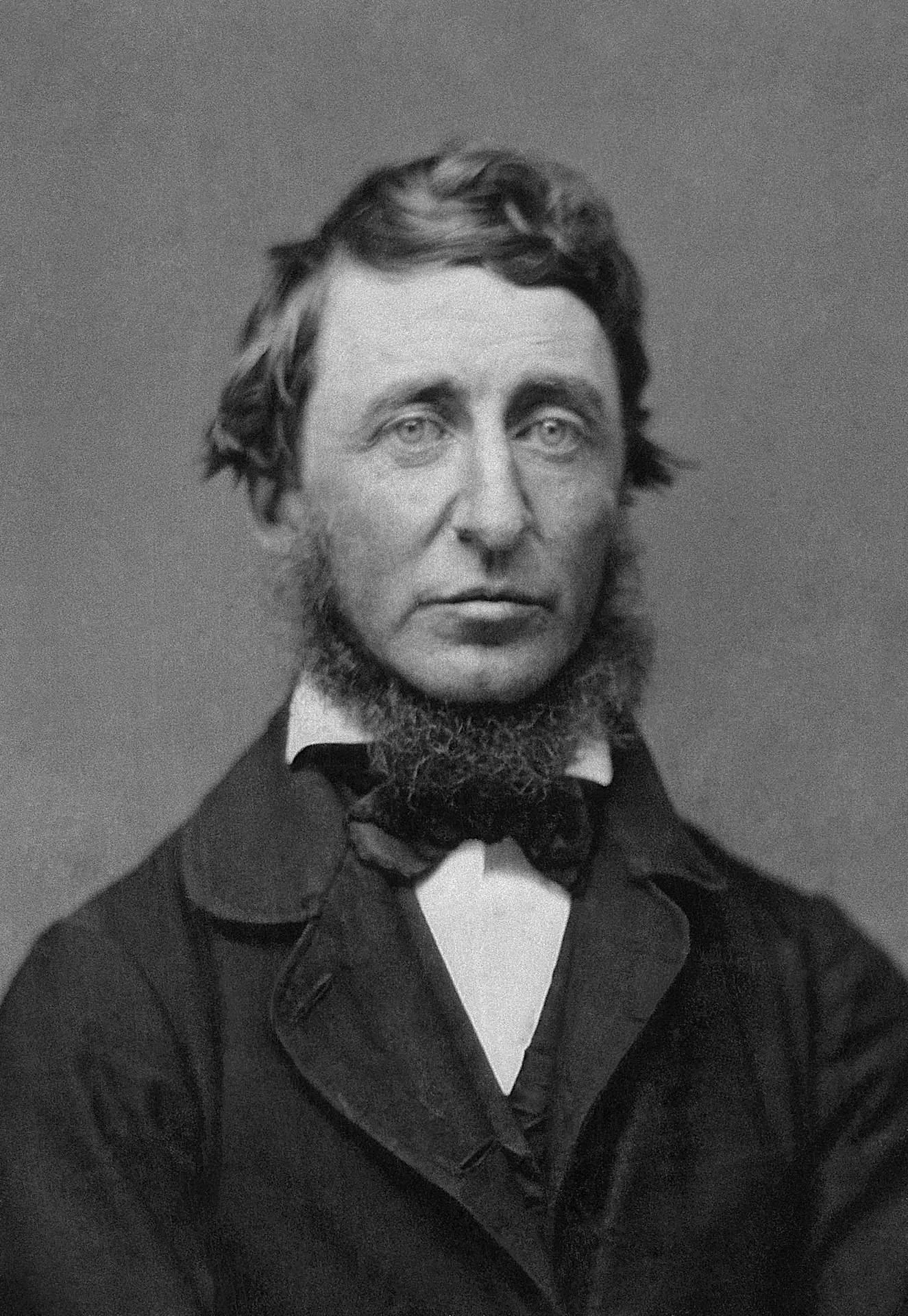
Henry David Thoreau
Born12 Jul, 1817
Died06 May, 1862
NationalityAmerican
Age at time of death44
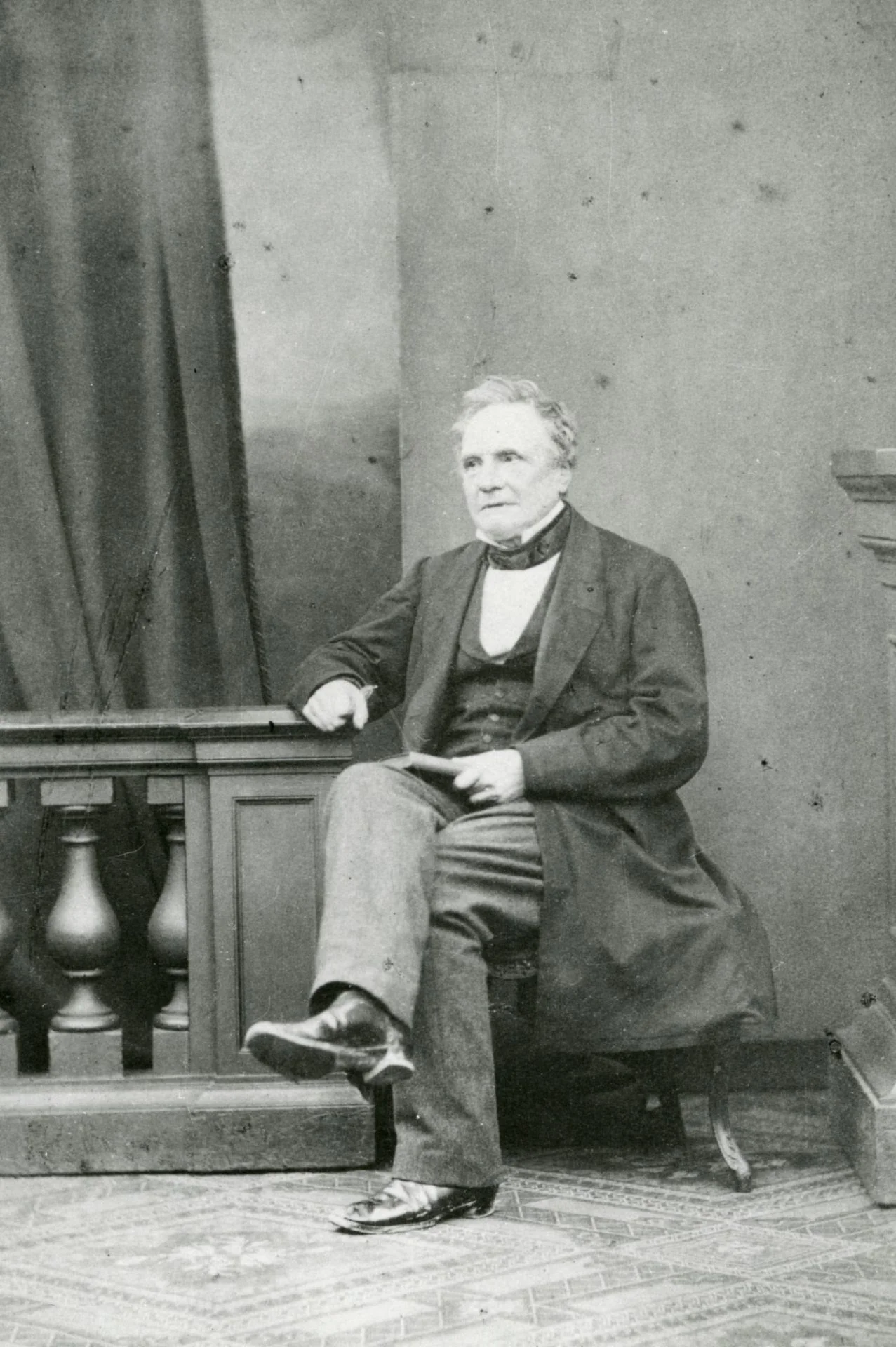
Charles Babbage
Born26 Dec, 1791
Died18 Oct, 1871
NationalityBritish
Age at time of death79
Nisargadatta Maharaj
Born17 Apr, 1897
Died08 Sep, 1981
NationalityIndian
Age at time of death84
Swami Vivekananda
Born12 Jan, 1863
Died04 Jul, 1902
NationalityIndian
Age at time of death39
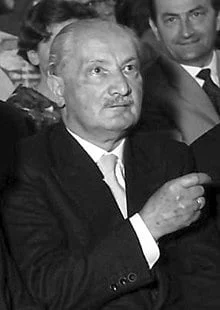
Martin Heidegger
Born26 Sep, 1889
Died26 May, 1976
NationalityGerman
Age at time of death86
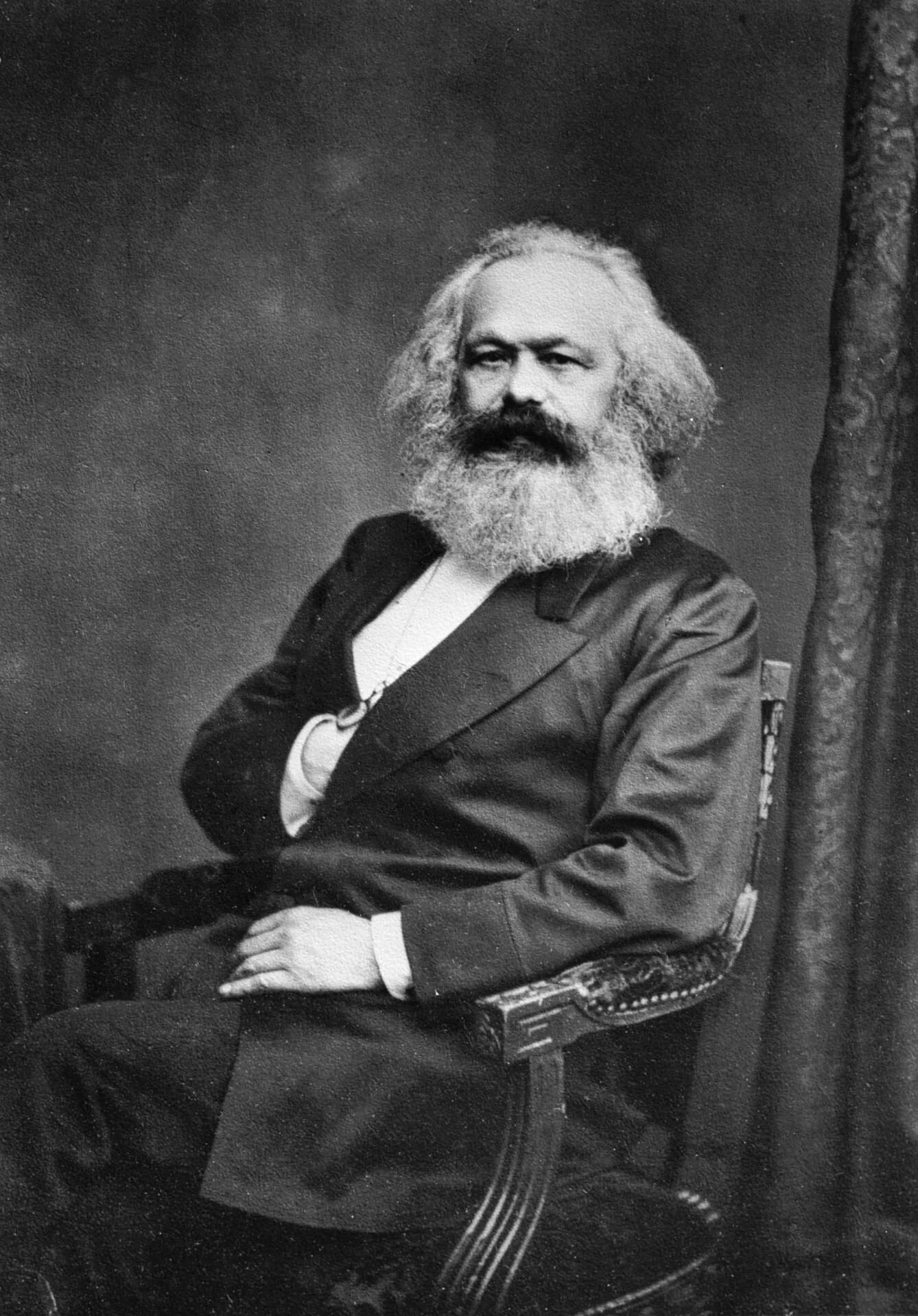
Karl Marx
Born05 May, 1818
Died14 Mar, 1883
NationalityGerman, Prussian
Age at time of death64
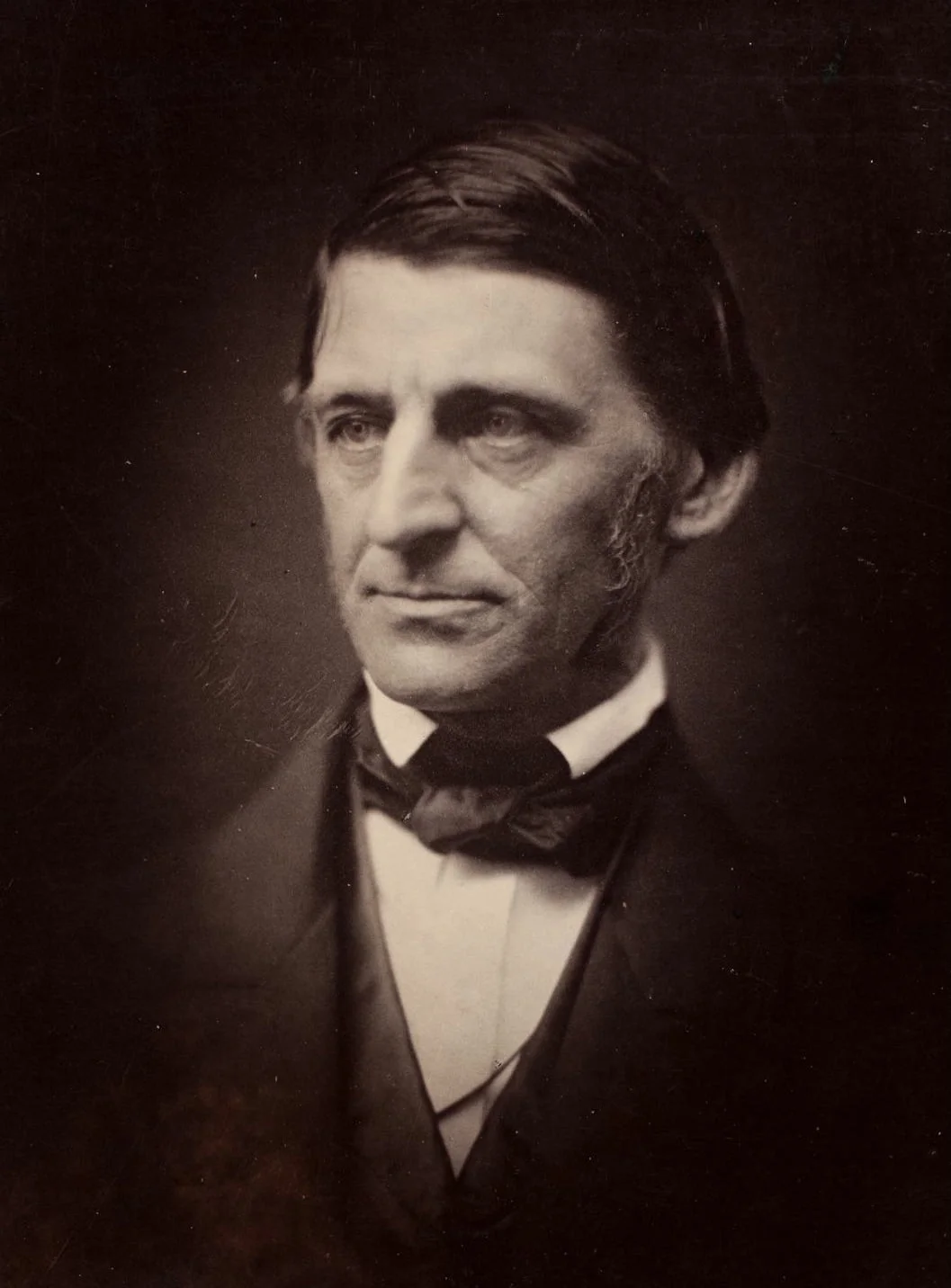
Ralph Waldo Emerson
Born25 May, 1803
Died27 Apr, 1882
NationalityAmerican
Age at time of death78
Ramana Maharshi
Born30 Dec, 1879
Died14 Apr, 1950
NationalityIndian
Age at time of death70
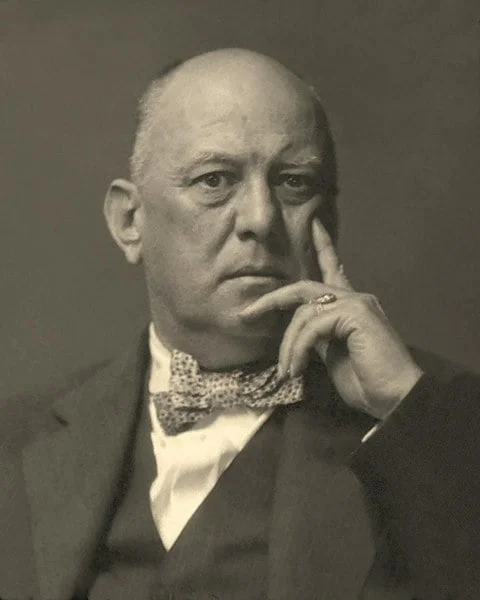
Aleister Crowley
Born12 Oct, 1875
Died01 Dec, 1947
NationalityBritish
Age at time of death72
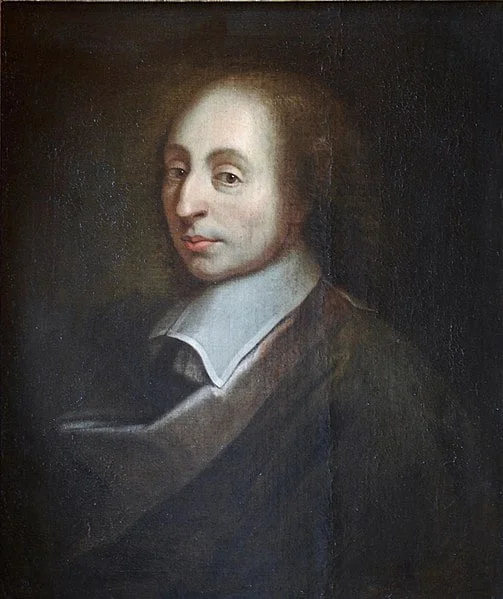
Balise Pascal
Born19 Jun, 1623
Died19 Aug, 1662
NationalityFrench
Age at time of death39
Adam Smith
Born05 Jun, 1723
Died17 Jul, 1790
NationalityScottish
Age at time of death67
D. T. Suzuki
Born18 Oct, 1870
Died12 Jul, 1966
NationalityJapanese, American
Age at time of death95